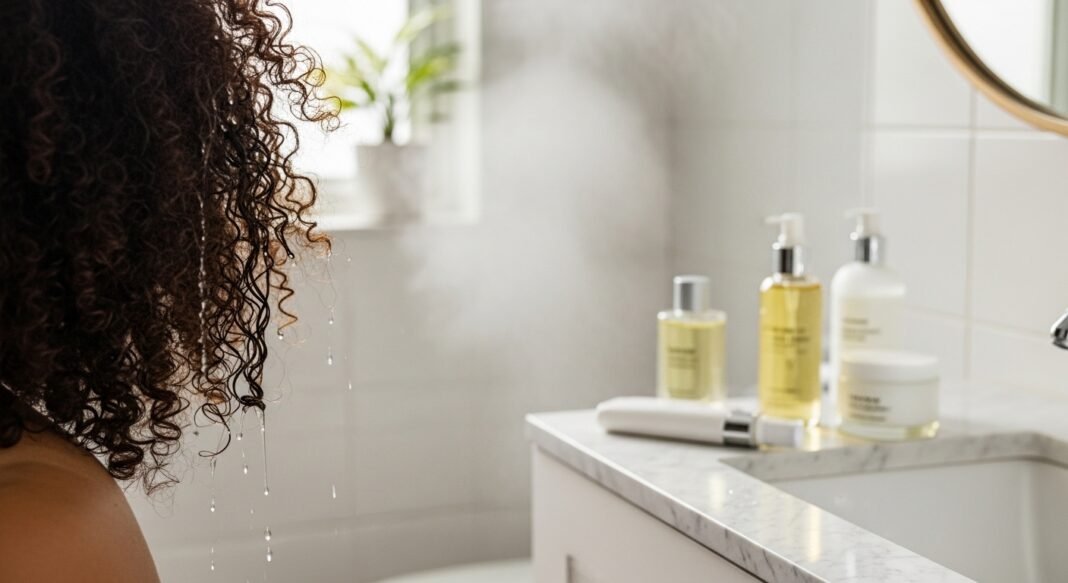

If your hair laughs in the face of every moisturizing product you throw at it — like, literally just lets water bead up and roll off — there’s a good chance you have low porosity hair.
And honestly? You’re not alone. A huge chunk of the natural hair community is out here wondering why their strands feel perpetually dry even after drowning them in conditioner.
Don’t worry. This guide is going to break it all down for you — what low porosity hair actually is, how to test for it, what products to reach for, and exactly what to do to finally get your hair hydrated and happy.
Table of Contents
What Is Low Porosity Hair?
In simple terms, low porosity hair has tightly packed, flat cuticle layers that make it really hard for moisture to get in — or out. Think of it like a tightly closed pinecone versus an open one. The cuticles (those tiny, overlapping scales on the outside of your hair strand) lie so flat and compact that water, oils, and conditioners struggle to actually penetrate the shaft.
This isn’t a flaw or damage — for most people, it’s just genetics. Your hair structure is doing exactly what it was designed to do. The challenge is figuring out how to work with those closed cuticles rather than against them.
Characteristics of Low Porosity Hair
Here’s what typically gives it away:
- Water sits on top of your hair before eventually absorbing (if it absorbs at all)
- Products seem to just coat the surface and never really sink in
- Your hair takes forever to dry
- Product buildup happens fast — like, suspiciously fast
- Chemical treatments (color, relaxers) take longer to process
Sound familiar? Let’s confirm with a quick test.
How to Test If You Have Low Porosity Hair
The easiest DIY method is the float test. Take a clean strand of hair (make sure it’s free of product) and drop it into a glass of water. Wait about 2–4 minutes:
- Floats near the top → low porosity
- Sinks to the middle → normal/medium porosity
- Sinks straight to the bottom → high porosity
You can also try the spray bottle test — mist your hair with water and watch how quickly it absorbs. If it beads up and just sits there, that’s your answer.
Neither test is 100% foolproof, but they’ll give you a solid starting point.
Is Low Porosity Hair Healthy?
Here’s the myth-busting moment: yes, low porosity hair can absolutely be healthy. In fact, it has some pretty great qualities once you know how to manage it.
Because the cuticles are so tightly closed, resistant hair tends to:
- Retain moisture longer once it’s actually in there
- Resist damage from environmental factors
- Grow long and strong with the right routine
- Have impressive shine when properly hydrated
The trouble is getting to that “properly hydrated” point. That’s where most people struggle — and why a targeted care routine makes all the difference.
Low Porosity vs. High vs. Normal Porosity Hair
Just so you’ve got a complete picture:
| Feature | Low Porosity | Normal Porosity | High Porosity |
|---|---|---|---|
| Cuticle layer | Tightly closed | Slightly raised | Open/damaged |
| Water absorption | Slow | Moderate | Fast (but leaks out) |
| Moisture retention | High (once in) | Balanced | Low |
| Product buildup | Very prone | Moderate | Less prone |
| Chemical processing | Resistant | Normal | Easy but damaging |
Low porosity hair isn’t “worse” — it just needs a different strategy.
Low Porosity Hair Care Fundamentals
The golden rule of low porosity hair care? You need to open those cuticles before you try to moisturize. Since they’re naturally shut, you’ve got to give them a little nudge — and heat is your best friend here.
Cleansing for Low Porosity Hair
Start with a clarifying shampoo at least once a month (or more if you use a lot of styling products). Resistant hair is a magnet for buildup, and when products pile up on top of those closed cuticles, nothing — not even your best deep conditioner — can get through.
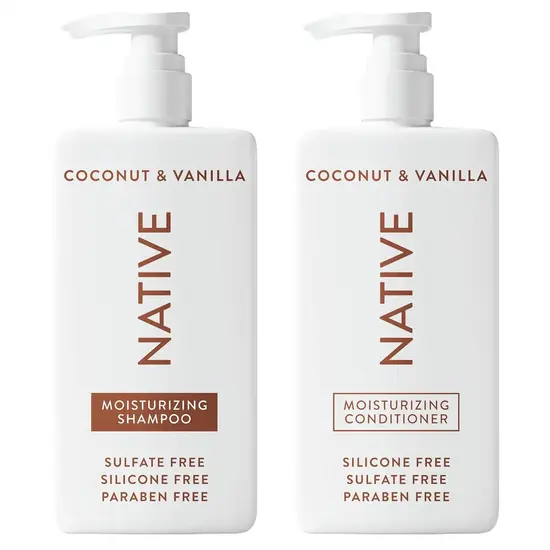
For regular washing, go with a sulfate-free, lightweight shampoo. You want something that cleans without stripping or leaving residue.
Conditioning Techniques
Here’s where most people go wrong: slathering on a thick, rich conditioner and rinsing it off two minutes later. With non-porous hair, you need heat to open the cuticles so the conditioner can actually do its job.
Try this:
- Apply your deep conditioner to damp hair
- Cover with a plastic cap
- Sit under a hooded dryer or use a heat cap for 20–30 minutes
- Rinse thoroughly
Even a warm towel wrapped around your head works if you don’t have a heat cap. The steam and warmth help lift those cuticles just enough for the good stuff to sneak in.
Moisturizing
Water-based Low porosity hair product are your go-to. Look for leave-in conditioners and moisturizers where water (aqua) is the first ingredient. The LOC or LCO method works well:
- L = Liquid/Leave-in (water-based)
- O = Oil (lightweight — more on this below)
- C = Cream
Layer lightly. The goal is moisture penetration, not just coating the hair shaft.
Best Oils for Low Porosity Hair
Not all oils are created equal for resistant hair. You want lightweight, fast-absorbing oils that can slip through the cuticle without sitting heavily on top. The best options:
- Argan oil — lightweight, great for frizz and shine
- Jojoba oil — technically a liquid wax that mimics the scalp’s natural sebum
- Grapeseed oil — super light, absorbs quickly, non-greasy
Avoid heavy butters like shea butter and thick oils like castor oil as your primary sealants — they tend to just sit on non-porous hairr and contribute to that sticky, product-buildup feeling.
Sealing and Drying
After moisturizing, use a light oil to seal. Less is more. When drying, a diffuser on low heat or simply air drying works well — just make sure you’re not trapping moisture against the scalp for hours on end (hello, potential mildew smell and scalp issues).
Best Ingredients for Low Porosity Hair
Look for these:
- Humectants like glycerin, aloe vera, and honey — they draw moisture from the air into the hair
- Lightweight emollients — cetyl alcohol, amino acids
- Hydrolyzed proteins in small doses (protein-sensitive low porosity hair is common, so patch test first)
Avoid or limit:
- Heavy silicones (the non-water-soluble kind that coat the hair)
- Thick butters and heavy oils as primary products
- Petrolatum and mineral oil
Low Porosity Hair Treatments That Actually Work
Steam Treatments
Steam is honestly a game-changer for low porosity hair. A hair steamer or even leaning over a bowl of hot water (carefully!) with a towel over your head delivers moisture-rich heat that opens the cuticles gently and helps hydration absorb deeply.
Protein Treatments (With Caution)
Low porosity hair can be protein-sensitive, so balance is key. If your hair starts feeling stiff, brittle, or like straw after a protein treatment, ease off and focus on moisture for a few weeks. When used correctly, light protein treatments can strengthen the hair shaft without causing overload.
Hot Oil Treatments
Use warm (not hot) lightweight oil — like warmed jojoba or argan — applied to damp hair, covered, and left for 20–30 minutes. It conditions, adds slip, and helps with detangling.
Common Mistakes to Avoid
- Using heavy oils and butters — tempting, but they sit on top and block moisture
- Skipping the clarifying wash — buildup is the enemy; clear it out regularly
- Applying products to dry hair — always moisturize on damp hair for better absorption
- Skipping heat during deep conditioning — without it, the conditioner just coats the surface
- Overloading products — with resistant hair, less is genuinely more
Low Porosity Hair and Hair Loss
Non-porous hair itself doesn’t cause hair loss or thinning. However, excessive product buildup on the scalp can clog follicles over time, potentially affecting hair growth. The fix is simple: keep the scalp clean, limit heavy products near the roots, and massage regularly to encourage circulation.
If you’re noticing actual hair loss (not just shedding — everyone sheds 50–100 strands a day), it’s worth consulting a dermatologist or trichologist to rule out other causes.
Low Porosity Hair by Hair Type
4C low porosity hair tends to need the most intentional routine — the coily pattern makes product absorption even trickier, so heat during conditioning and consistent moisture layering is essential.
Wavy low porosity hair benefits from lightweight mousses and gels over creams and butters, which can weigh down the wave pattern.
Fine low porosity hair is especially prone to feeling weighed down, so stick to ultra-light products and skip the heavy sealants entirely.
Your Simple Low Porosity Hair Routine (Summary)
Here’s the no-fluff version of what a solid week might look like:
- Wash day (1–2x per week): Clarify monthly, sulfate-free shampoo otherwise
- Condition: Deep condition with heat every wash day
- Moisturize: Apply water-based leave-in on damp hair
- Seal: Light oil (argan, grapeseed, jojoba)
- Style: Lightweight gels or mousses; avoid heavy creams
- Mid-week refresh: Lightly mist with water or aloe vera, smooth with fingertips
That’s it. Consistency beats complexity every single time.
Final Thoughts
Low porosity hair gets a bad reputation as “difficult” or “high maintenance,” but honestly? Once you understand how it works, the routine becomes pretty intuitive. Your hair doesn’t need more products — it needs the right low porosity hair products, applied the right way, with a little heat assist.
Stop fighting your cuticles and start working with them. Clarify regularly, use lightweight products, bring in the warmth during conditioning, and stay consistent. Your strands will thank you — probably with the softest, shiniest hair of your life.
Frequently Asked Questions
What is low porosity hair in simple terms?
Hair with tightly closed cuticles that resist absorbing moisture and products easily.
Is low porosity hair healthy or problematic?
It’s totally healthy — it just needs a targeted approach to get moisture in.
How do I moisturize low porosity hair effectively?
Use heat (heat cap, steamer, warm towel) during conditioning and always apply water-based products to damp hair.
Which oils are best for low porosity hair?
Lightweight options like argan, jojoba, and grapeseed oil.
Why does my low porosity hair get greasy so fast?
Because products can’t penetrate the cuticle, they sit on the surface and accumulate. Regular clarifying washes fix this.
Can low porosity hair grow long?
Absolutely. In fact, the tight cuticle layer that makes moisture hard to get in also keeps it locked in once it’s there — which means less breakage and more length retention.
How often should I wash low porosity hair?
Once or twice a week for most people, with a clarifying shampoo worked in at least once a month.
Is heat good or bad for low porosity hair?
Gentle heat (warm — not hot!) is actually beneficial for opening cuticles during conditioning. Just avoid excessive heat styling, which causes damage over time.