
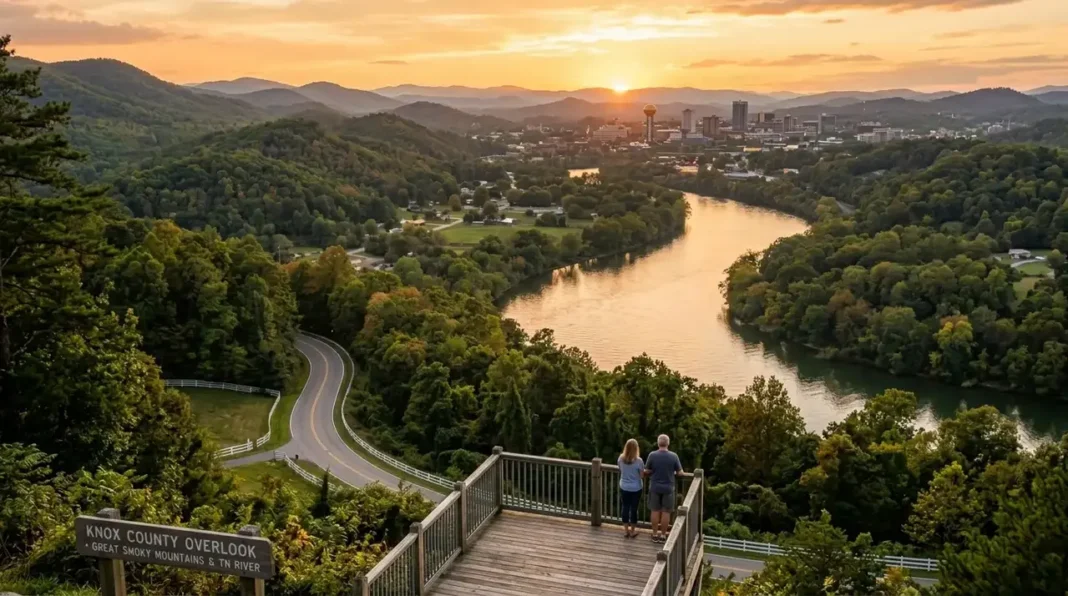

If you’re looking for a destination that blends natural beauty, local history, and small-town warmth — Knox County might be exactly what you’ve been searching for. Nestled in the heart of Tennessee, this region offers an approachable mix of outdoor escapes, cultural depth, and genuine Southern hospitality that makes it equally rewarding for weekend road-trippers and curious first-time visitors alike.
Whether you’re comparing it to rural destinations like the Counties of Maine or exploring East Tennessee road trip routes, Knox County stands out for its balance of accessibility and authentic charm.
Whether you’re chasing a quiet hiking trail, a plate of honest home-cooked food, or a piece of living American history, Knox County delivers — without the crowds or the tourist markup that tends to follow more famous destinations. This guide covers everything you need to plan a trip, from the best things to do in Knox County to hidden gems most visitors never find.
Where is Knox County?
Knox County sits in East Tennessee, anchored by Knoxville — the county seat and its largest city. It lies roughly:
- 180 miles northeast of Nashville
- 115 miles southwest of Asheville, NC
- 55 miles north of Chattanooga
- Within easy reach of the Great Smoky Mountains National Park, one of the most visited national parks in the United States
The county straddles the Tennessee River and is bordered by Anderson, Union, Grainger, Jefferson, Sevier, and Blount counties. Its geography ranges from rolling urban neighborhoods to wooded hillsides and open lakeside shorelines — giving visitors a surprisingly diverse landscape within a single county.
People search for Knox County for a wide range of reasons: weekend getaways from nearby cities, outdoor recreation near the Smokies corridor, relocation research, and local discovery trips that skip the beaten path. Whatever brings you here, the county rewards exploration.
Best Things to Do in Knox County
Outdoor Attractions and Parks
Knox County punches above its weight when it comes to outdoor recreation. Between its greenways, lakeshores, and access to some of Tennessee’s most dramatic scenery, there’s no shortage of places to stretch your legs.
Ijams Nature Center is probably the crown jewel of Knox County’s outdoor scene. This 300-plus-acre urban wilderness sits along the Tennessee River and hosts hiking and biking trails, kayak and canoe rentals, rock climbing, and wildlife observation areas. It’s rare to find this kind of natural infrastructure so close to a city center — and it’s completely accessible for most fitness levels.
House Mountain State Natural Area is the highest peak in Knox County and rewards hikers with panoramic views of the surrounding ridges and valleys. The trail to the summit is moderately challenging, making it a satisfying day hike without requiring serious gear or experience.
Sharps Ridge Memorial Park offers a more accessible alternative — a city park with forested trails, picnic areas, and elevated vistas over Knoxville. It’s a favorite among locals for morning runs and birdwatching, and it’s rarely overcrowded.
The Tennessee River Greenway connects several riverside parks and trails, offering flat, scenic walking and biking routes ideal for families or casual explorers. Connecting spots like Volunteer Landing and Suttree Landing Park, the greenway gives you some of the most pleasant views in the county without a steep trail in sight.
For water-based activities, Melton Hill Lake — just west of the city — is a popular spot for boating, fishing, and lakeside relaxation.
Local Historical Sites
Knox County has a rich and sometimes underappreciated historical identity. From Civil War-era architecture to indigenous heritage and Appalachian cultural memory, the county offers a meaningful window into American history.
Fort Loudoun State Historic Area (near the Knox/Monroe county line) is one of the earliest British fortifications in the American interior. Built in 1756, the reconstructed fort and its interpretive programs bring 18th-century colonial and Cherokee history to life in a compelling way.
Blount Mansion in downtown Knoxville is a National Historic Landmark — the home of William Blount, the territorial governor who signed the U.S. Constitution. The mansion has been meticulously preserved and is open for tours that walk visitors through the founding era of Tennessee statehood.
The Museum of Appalachia in nearby Norris (Anderson County, but a frequent Knox County day trip) deserves special mention. It holds one of the largest collections of Appalachian artifacts and folk art in the world, spread across a working homestead with original log cabins, barns, and over 35 buildings. It’s one of the most authentic cultural experiences in all of East Tennessee.
In downtown Knoxville, the East Tennessee History Center serves as both a museum and a genealogical research library. It covers Native American cultures, frontier settlement, Civil War battles, and the industrial development of the Tennessee Valley — all under one roof.
Market Square and the Old City neighborhood offer a more casual encounter with historic architecture. Victorian-era storefronts, repurposed warehouses, and the ornate Tennessee Theatre (built in 1928 and still operating) paint a picture of Knoxville’s commercial and cultural past.
Family-Friendly Activities
Knox County is genuinely family-friendly — not in a manufactured theme-park sense, but in the way that good communities tend to be: parks that are kept up, events that are community-driven, and spaces that welcome kids without catering exclusively to them.
Zoo Knoxville is one of the oldest zoos in the Southeast and has undergone significant expansion and modernization in recent years. Red pandas, African elephants, giant anteaters, and a dedicated children’s zoo make it a full-day outing for families with young kids.
Knoxville’s Urban Wilderness is a loose network of parks, trails, and greenways on the south side of the city — roughly 1,000 acres of publicly accessible land — that includes everything from mountain biking loops to creek-side walking paths. It’s designed for all ages and fitness levels.
The Knoxville Botanical Garden and Arboretum offers a quieter, more educational outing — especially beautiful in spring and fall. Entry is free, making it a guilt-free afternoon option.
For recreation closer to the community level, Knox County maintains a robust network of community centers, splash pads, baseball complexes, and athletic fields throughout its neighborhoods. The West Hills and Karns areas in particular have well-maintained recreational infrastructure that locals take pride in.
Community events — from the Dogwood Arts Festival each spring to outdoor concert series and neighborhood markets — fill the calendar with free and low-cost programming throughout the year.
Hidden Gems in Knox County
Every destination worth visiting has a layer that only shows itself once you look past the obvious highlights. Knox County is no different.
Marble Springs is a reconstructed 18th-century frontier station — the home of Tennessee’s first governor, John Sevier. It sits quietly off a residential road in east Knox County, and most visitors drive past it without knowing it exists. Free to visit, and genuinely moving in its simplicity.
First Creek Lake Trail in the Urban Wilderness is often overlooked in favor of the more popular mountain biking routes nearby. It’s a calm, wooded loop around a small lake that’s perfect for slow mornings or reflective walks — no gear required.
Pretentious Beer Co. and Alliance Brewing Company represent Knox County’s craft beer scene at its most locally rooted. These are neighborhood taprooms that feel like living rooms — genuine gathering places rather than polished tourist bars.
Stock & Barrel on Market Square looks like a burger joint but has quietly earned a reputation as one of the best whiskey bars in the state. The combination of a quality craft burger and an unexpectedly deep whiskey list is a Knox County secret worth knowing.
South Knoxville’s 4th and Gill neighborhood is a walkable historic district of Victorian homes that doesn’t appear in most travel guides. The architecture is beautiful, the streets are quiet, and the local coffee shops tucked into these blocks are among the most atmospheric in the city.
For weekend exploration ideas: drive the Norris Freeway (US-441 North) through the hill country toward Norris Dam State Park. The landscape is stunning, the dam itself is a New Deal-era engineering landmark, and the surrounding reservoir offers fishing, hiking, and picnicking with almost no crowds.
Food and Local Dining in Knox County
East Tennessee’s food culture is an honest one — rooted in Appalachian tradition, flavored by Southern staples, and increasingly shaped by a creative local restaurant scene that’s grown considerably in recent years.
The regional style leans toward comfort: biscuits and gravy, smoked meats, pinto beans and cornbread, fried chicken, and produce-heavy dishes that reflect the agricultural roots of the Tennessee Valley. But Knox County’s dining scene has matured well beyond the stereotype.
OliBea in the Old City is one of those breakfast spots that earns its reputation every morning. The menu is built around seasonal, locally sourced ingredients, and the biscuits are — genuinely — exceptional. Expect a short wait on weekends.
Stock & Barrel (mentioned above) does its burgers with dry-aged beef and serious craft condiments. The fries alone are worth the stop.
The French Market Creperie in Market Square offers a lighter, European-inflected option — sweet and savory crepes with quality ingredients in a setting that feels surprisingly cosmopolitan for a mid-size American city.
JC Holdway is the county’s most acclaimed fine dining option — a farm-to-table restaurant helmed by a James Beard Award-nominated chef that ranks among the best in the entire state. If you’re celebrating something or simply want to eat exceptionally well, this is the table to book.
For a more casual and deeply local experience, Litton’s Market & Restaurant in the Fountain City neighborhood has been a Knoxville institution since 1946. The burgers are made from beef ground in-house, the pie case is not to be missed, and the no-frills atmosphere is the real thing.
The Market Square Farmers Market runs on Wednesdays and Saturdays from spring through fall, drawing local growers, bakers, and artisans. It’s one of the best places in Knox County to eat like a local — grab a breakfast pastry, pick up some local honey, and watch the city come to life.
Best Time to Visit Knox County
Knox County has four distinct seasons, each with its own appeal. Here’s a practical breakdown:
Spring (March–May) is widely considered the best time to visit. Temperatures are mild (50s–70s°F), wildflowers are blooming throughout the parks and trails, and the Dogwood Arts Festival transforms the city each April with outdoor installations, neighborhood tours, and arts events. The Smokies in nearby Sevier County are at their most photogenic.
Summer (June–August) brings heat and humidity — highs often reaching the upper 80s to low 90s°F. That said, early mornings on the trails are still pleasant, and the Tennessee River offers ample opportunities for water-based relief. The Sundown in the City outdoor concert series runs through summer and is a genuine Knox County tradition.
Fall (September–November) rivals spring for beauty. Leaf color typically peaks in late October across Knox County’s hills and parks. Temperatures cool into a comfortable range, and the pace of the city picks up with football season — University of Tennessee home games transform the atmosphere around the Neyland Stadium area in ways that are worth experiencing at least once, even if you’re not a football fan.
Winter (December–February) is the off-season in a meaningful sense. Tourism slows, prices drop, and the region takes on a quieter character. Snowfall is occasional and rarely heavy. If you’re visiting primarily for food, history, and urban exploration — winter is underrated. The Christmas season brings lights and events to Market Square and surrounding neighborhoods.
Travel Tips for First-Time Visitors
Getting There
McGhee Tyson Airport (TYS) serves Knox County with direct flights from major hubs including Atlanta, Charlotte, Chicago, Dallas, and Washington D.C. Driving is also practical — the county sits at the intersection of I-40 (east-west) and I-75 (north-south), making it accessible from most of the Eastern U.S.
Getting Around
Knox County is car-dependent outside of downtown Knoxville. If you’re staying in the city center, a walkable core covers Market Square, the Old City, and the Waterfront — but most parks, neighborhoods, and outlying attractions require a vehicle. Rideshares are available throughout the urban area.
Budget Tips
Knox County is genuinely affordable by travel standards. Many of its best experiences — greenways, urban wilderness trails, farmers markets, neighborhood walking — are free. A mid-range hotel in Knoxville runs $100–$160/night; downtown boutique options and chain hotels near the interstate are both well-represented. Dining is similarly accessible, with excellent meals available at every price point.
Safety and Local Etiquette
Knox County is a welcoming place. Tennessee in general maintains a culture of politeness and hospitality toward visitors. A few practical notes:
- Tipping is standard and appreciated in restaurants, typically 18–20%
- Parking in downtown Knoxville is easy and inexpensive compared to most cities
- Locals are proud of their region — asking for recommendations is always well-received
- Knoxville is a college town for much of the year; expect elevated energy (and traffic) around UT football home games
How Many Days to Stay
For most visitors, 2–3 days allows a comfortable pace that covers the main attractions without feeling rushed. One day for outdoor exploration, one for history and food, and a half-day for wandering and spontaneous discovery is a solid framework. If you’re extending the trip to include day trips toward the Smokies or Norris Dam, add a day or two.
Nearby Places to Explore
Knox County’s central position in East Tennessee makes it a natural hub for regional exploration.
Great Smoky Mountains National Park (30–45 minutes southeast) is the obvious extension. The most visited national park in the country sits practically in Knox County’s backyard. Clingmans Dome, Cades Cove, and the Alum Cave Trail are all within a reasonable morning drive.
Norris Dam State Park (30 minutes north) offers hiking, boating, and camping around one of the Tennessee Valley Authority’s original New Deal dams. The surrounding countryside is gorgeous and rarely crowded.
Maryville and Alcoa (Blount County, just south) offer a quieter suburban alternative for food and lodging with quick access to the southern portion of the Urban Wilderness and the Foothills Parkway.
Oak Ridge (Anderson County, 30 minutes west) is a fascinating destination in its own right — a city literally built in secret during World War II as part of the Manhattan Project. The American Museum of Science and Energy and the Manhattan Project National Historical Park make it a compelling half-day excursion.
Sevierville, Pigeon Forge, and Gatlinburg (30–50 minutes east) represent the commercial gateway to the Smokies — a tourist corridor that’s not for everyone but offers everything from outlet shopping to Dollywood to white-water rafting.
Chattanooga (about 1.5 hours south via I-75) makes a natural two-day addition to any Knox County trip — with the Tennessee Aquarium, Lookout Mountain, and a vibrant revitalized downtown.
Knox County may not be the first place that comes to mind when planning a Tennessee getaway — but for travelers willing to look beyond the obvious, it offers something more lasting than a checklist of attractions: a real place, with real character, that rewards the visit.
FAQs About Knox County
What is Knox County known for?
Knox County is best known as home to Knoxville, the University of Tennessee, and its position as the gateway to the Great Smoky Mountains. More broadly, it’s recognized for its mix of Appalachian heritage, Tennessee River scenery, outdoor recreation, and a growing arts and food culture.
Is Knox County worth visiting?
Absolutely — especially for travelers who prefer genuine local character over manufactured tourist experiences. Knox County offers outdoor beauty, honest food, meaningful history, and a pace that rewards exploration without overwhelming it.
What are the top attractions in Knox County?
Ijams Nature Center, Market Square, the East Tennessee History Center, Zoo Knoxville, House Mountain, and Blount Mansion consistently rank among the best. For day trips, the Great Smoky Mountains and Norris Dam State Park are within easy reach.
How many days do you need in Knox County?
One to three days gives most visitors a full experience. Two days is the sweet spot — enough time for outdoor activity, a few meals, and some historical or cultural exploration without feeling rushed.
Is Knox County family-friendly?
Very much so. Zoo Knoxville, the Urban Wilderness network, Ijams Nature Center, and the county’s community parks and recreation programs make it a comfortable destination for families with children of all ages.
What is the best season to visit Knox County?
Spring (especially April) and fall (especially October) offer the most comfortable weather and the most striking natural scenery. Spring brings wildflowers and the Dogwood Arts Festival; fall delivers exceptional foliage and the energy of college football season.
Are there good restaurants in Knox County?
Yes — from nationally recognized fine dining at JC Holdway to beloved local institutions like OliBea and Litton’s, Knox County’s food scene has genuine depth. The farmers markets and local craft beverage scene add further texture to the experience.