


If your hair constantly feels dry no matter how much oil, butter, or deep conditioner you apply, you aren’t dealing with damaged hair. You are likely dealing with Low porosity hair product.
Having low porosity hair means your hair cuticles are tightly closed, acting like a protective shield. While this means your hair is excellent at retaining moisture once it gets in, the challenge is getting that moisture through the barrier in the first place. Heavy products don’t penetrate; they simply sit on top of your strands, causing greasy buildup, weighed-down curls, and persistent dryness.
To fix this, you need to completely swap out heavy creams for targeted low porosity hair products. This guide breaks down the science of low porosity hair care, the ingredients to avoid, and the ultimate lightweight shopping list for maximum hydration.
Table of Contents
The 3-Second Floating Test: Are You Low Porosity?
Before changing your routine, you can easily confirm your hair type with the classic water glass test:
- Take a clean, product-free strand of shed hair.
- Drop it into a glass of room-temperature water.
- Watch it for 2–3 minutes.
If the strand floats at the very top, you officially have low porosity hair. The tightly bound cuticle layer is resisting the water, preventing the strand from absorbing it and sinking.
Ingredients to Avoid (The Buildup Culprits)
When shopping for products for low porosity hair, the elimination process is just as important as what you put in. Steer clear of formulas heavily reliant on the following:
- Heavy Oils & Raw Butters: Shea butter, cocoa butter, and heavy coconut oil have molecular structures too large to penetrate closed hair cuticles.
- Heavy Protein Overload: Ingredients like hydrolyzed wheat protein or silk amino acids can quickly build up on low porosity strands, making the hair feel stiff, straw-like, and brittle.
- Heavy Silicones: Dimethicone traps the cuticle shut, blocking moisture from entering during your next wash cycle.
The Ultimate Routine & Product Checklist
The golden rule for low hair porosity products is water-based, lightweight hydration. Look for humectants like glycerin, honey, agave nectar, and aloe vera, which actively draw moisture out of the air and into the hair shaft.
1. The Clarifying Shampoo (The Reset Button)
Because low porosity hair is incredibly prone to product buildup, you must start with a clean slate. Use a gentle, sulfate-free clarifying shampoo once a week or bi-weekly. Look for ingredients like apple cider vinegar or tea tree oil to melt away old styling products without stripping your natural oils.
2. The Lightweight Conditioner (The Moisture Layer)
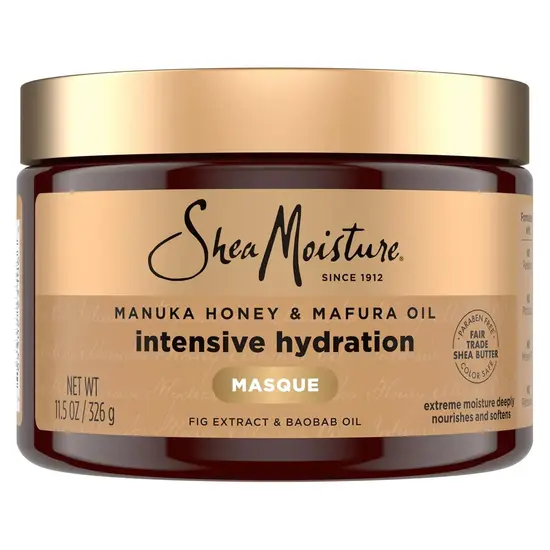
Skip the ultra-thick, scoopable hair masks. Instead, choose rinse-out conditioners and deep treatments that have a fluid, milky consistency.
- Pro-Tip: Use heat to your advantage. Tightly bound cuticles naturally open up under warmth. Pop on a shower cap or use a heated gel cap while deep conditioning to force the nutrients past the hair barrier.
3. Penetrating Oils (The Light Seal)
You still need to seal in your moisture, but you must use molecularly small, lightweight oils that can slide under the cuticles rather than suffocating them.
- The Best Options: Jojoba oil (which closely mirrors your scalp’s natural sebum), argan oil, sweet almond oil, and grapeseed oil.
4. Water-Based Leave-In Conditioners & Gels
For daily styling and low porosity hair care, look for liquid leave-in sprays or lightweight milks where “water” or “aloe vera juice” is listed as the very first ingredient. For hold, swap out heavy styling custards for lightweight, alcohol-free flaxseed or aloe-based gels.
Summary Checklist for Your Next Shopping Trip
Keep this quick reference guide handy next time you look for hair products for low porosity hair:
| Product Type | What to Look For | What to Avoid |
| Shampoos | Clarifying, ACV-infused, chelating | Heavy conditioning shampoos |
| Conditioners | Glycerin-based, aloe vera, honey | Shea butter, heavy keratin/proteins |
| Oils | Jojoba, Argan, Grapeseed | Castor oil, coconut oil, avocado oil |
| Styling | Liquid leave-in sprays, fluid milks | Heavy styling creams, thick waxes |
By shifting to a lightweight, heat-assisted hydration routine, you will stop fighting against your cuticles and finally unlock bouncing, shiny, and genuinely hydrated hair.

