
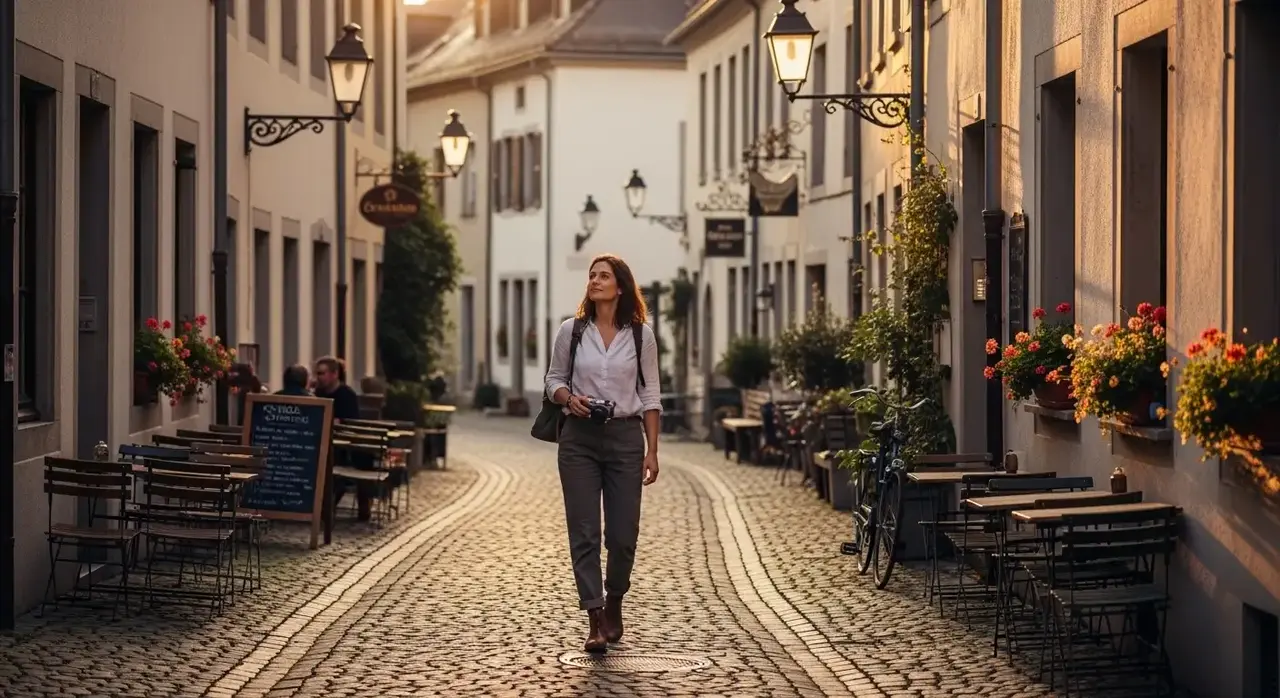

Let’s be honest—travel used to feel like a race. Checklists, packed itineraries, rushing from one landmark to another… exhausting, right? That’s exactly why slower travel is becoming the go-to approach for modern explorers.
Instead of trying to see everything, we focus on experiencing more. We trade crowded tourist traps for hidden gems, rushed schedules for meaningful moments, and surface-level visits for deeper cultural connections. And honestly? It just feels better.
In this guide, we’re diving into how slower travel transforms the way we explore the world—plus practical tips to help you do it right.
Table of Contents
What Is Slower Travel (And Why It Actually Makes Sense)
At its core, slower travel is about quality over quantity. It’s choosing to spend more time in fewer places so you can truly connect with your surroundings.
Think of it like this: instead of hopping across five cities in a week, you stay in one or two—and actually live there for a while.
We’re talking about:
- Wandering without a strict plan
- Eating where locals eat (not just trending spots)
- Learning cultural habits and daily rhythms
- Taking time to rest, reflect, and enjoy
It’s not just travel—it’s living temporarily somewhere new.
Top Benefits of Slower Travel You’ll Notice Immediately
1. You Save More Money Than You Think
When we slow down, we naturally spend less. Fewer flights, less transportation, and better deals on long stays make a huge difference.
Plus, cooking occasionally instead of eating out every meal? Game changer.
2. You Experience Authentic Local Life
Fast travel shows you highlights. Slower travel shows you reality.
You’ll start recognizing familiar faces at cafés, chatting with shop owners, and understanding how locals really live—not just how destinations are marketed.
3. Less Stress, More Enjoyment
No rushing. No burnout. No “we have to see everything” pressure.
You wake up relaxed, not exhausted—and that alone transforms your entire trip.
4. Stronger Cultural Connection
When we stay longer, we naturally become more curious:
- Why do locals eat at certain times?
- What traditions matter most here?
- How do daily routines differ from ours?
That deeper understanding makes travel unforgettable.
How to Plan the Perfect Slower Travel Experience
Choose Fewer Destinations
Start by cutting your itinerary in half. Seriously.
Instead of:
- 5 cities in 10 days
Try:
- 2 cities in 10 days
Or even just one destination.
Stay Longer in One Place
Aim for at least 4–7 days per destination. This gives you time to:
- Explore beyond tourist zones
- Discover hidden neighborhoods
- Build a natural daily rhythm
Book Accommodation That Feels Like Home
Skip tiny hotel rooms. Go for:
- Apartments
- Boutique stays
- Local guesthouses
Having a kitchen, workspace, or balcony makes a huge difference.
Use Local Transportation
Forget taxis and tour buses when possible. Walk, bike, or take public transport.
Not only is it cheaper—it’s also one of the best ways to experience daily life.
Best Destinations for Slower Travel Lovers
1. Coastal Towns
Small seaside towns are perfect for slowing down. Life moves differently there—more relaxed, more intentional.
2. Countryside Escapes
Rural areas offer peace, nature, and a break from digital overload.
3. Cultural Cities (Without the Rush)
Cities can absolutely fit sustainable travel—as long as you don’t try to do everything.
Pick a neighborhood and explore it deeply instead of jumping all over the map.
Daily Habits That Make Slower Travel Magical
Start Your Day Without a Plan
Instead of rushing out, take your time:
- Enjoy a slow breakfast
- Walk aimlessly
- Follow what feels interesting
Visit the Same Spots More Than Once
Find a café you love? Go back.
It might sound simple, but repetition creates familiarity—and that’s where the magic happens.
Talk to Locals
Ask for recommendations. Chat casually. Be curious.
Some of the best experiences come from random conversations.
Leave Space for Doing Nothing
Not every moment needs to be productive.
Sometimes the best travel memories come from:
- Sitting in a park
- Watching the sunset
- People-watching
Common Mistakes to Avoid in Slower Travel
Overplanning
Ironically, trying to plan immersive travell too much defeats the purpose.
Leave room for spontaneity.
Trying to See Everything Anyway
Even with a slower approach, it’s tempting to squeeze in more.
Resist that urge.
Ignoring Local Rhythms
Each destination has its own pace:
- Some cities wake up late
- Others close shops midday
- Dinner times vary widely
Adjusting to local habits makes the experience smoother.
Slower Travel vs Traditional Travel: What Really Changes
| Traditional Travel | Slower Travel |
|---|---|
| Fast-paced itineraries | Relaxed, flexible plans |
| Tourist attractions focus | Local experiences focus |
| Short stays | Extended stays |
| Constant movement | Intentional presence |
Once we experience kinfolk slower travel, going back to rushed trips feels… honestly, a bit chaotic.
Why Slower Travel Is the Future of Tourism
Travel is evolving. People are starting to value:
- Experiences over checklists
- Connection over consumption
- Mindfulness over speed
And it’s not just a trend—it’s a shift in mindset.
With growing awareness around sustainability and mental well-being, slower travel naturally fits into how we want to explore the world moving forward.
Final Thoughts: Travel Better, Not Faster
At the end of the day, travel isn’t about how many places we visit—it’s about how deeply we experience them.
Slower travel gives us:
- More meaningful memories
- Less stress
- Deeper cultural understanding
And honestly, it just makes the whole journey feel more human.
So next time you plan a trip, don’t ask:
“How much can we see?”
Ask instead:
“How much can we truly experience?”
That simple shift changes everything.
Conclusion
We don’t need to rush to make travel worthwhile. By embracing slower travel, we open the door to richer experiences, deeper connections, and a more fulfilling way to explore the world.
Slow & Mindful Travel
For the Kinfolk approach, explore our Kinfolk Travel Guide. Pack lighter with Minimalist Travel, and remove the stress with our Stress-Free Travel Guide. For more travel inspiration, explore our full Luxury Travel collection.
