
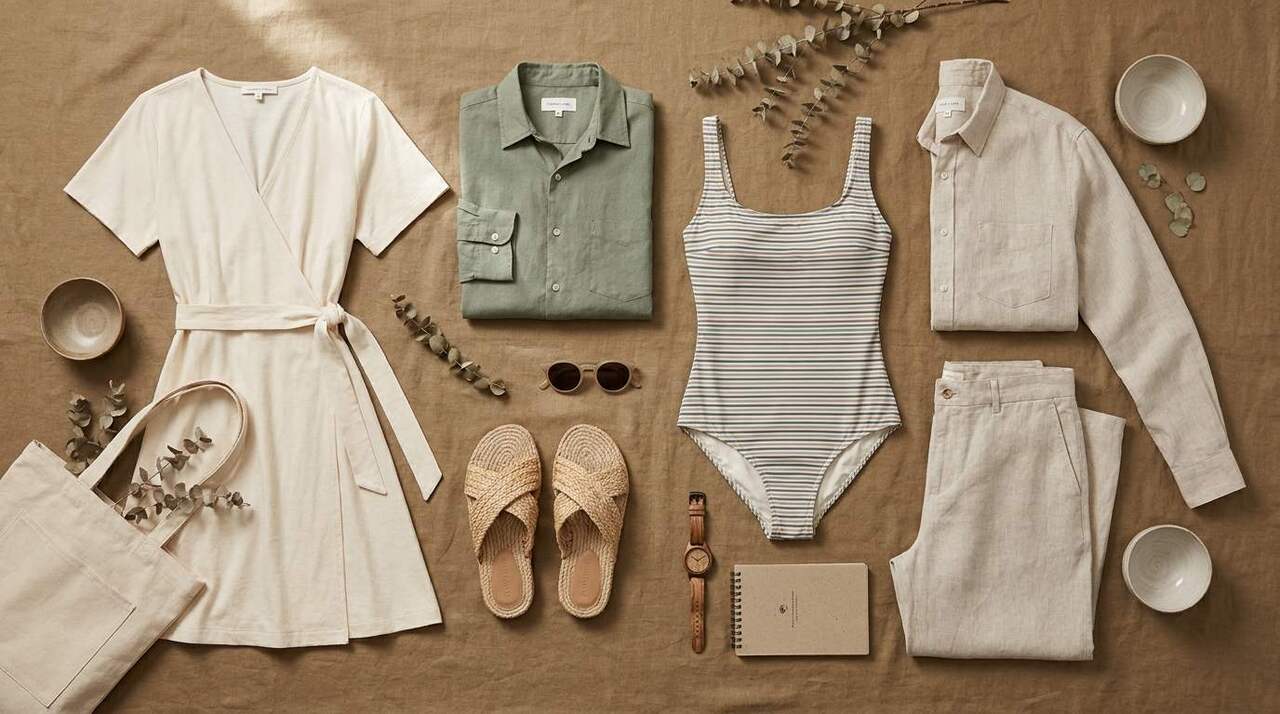

In today’s fashion landscape, sustainable clothing brands are redefining how we dress by combining style, ethics, and environmental responsibility. As conscious consumers, we are shifting away from fast fashion and embracing sustainable women’s clothing, sustainable men’s clothing, and eco-friendly essentials like sustainable bathing suits that protect both our wardrobes and the planet.
The rise of sustainability in fashion is more than a trend—it is a movement toward better materials, ethical labor practices, reduced waste, and timeless style. We now have access to clothing that not only looks exceptional but also aligns with our values.
From organic cotton basics to recycled swimwear and responsibly crafted menswear, sustainable fashion offers premium quality without compromising our environmental impact.
Table of Contents
Why Sustainable Clothing Brands Matter More Than Ever
The global fashion industry has long been one of the largest polluters in the world. Traditional clothing production often involves excessive water use, harmful chemicals, exploitative labor, and textile waste. Sustainable clothing brands are changing this narrative by focusing on:
- Organic and recycled materials
- Ethical manufacturing
- Reduced carbon footprints
- Fair wages and worker safety
- Minimal waste packaging
- Long-lasting quality over disposable trends
By choosing sustainable fashion, we invest in garments designed to endure while supporting companies that prioritize transparency and environmental stewardship.
What Defines Truly Sustainable Clothing Brands?
Not all brands marketed as “green” are genuinely sustainable. Authentic sustainable clothing brands share several defining features:
Eco-Friendly Materials
The best sustainable labels use fabrics such as:
- Organic cotton
- Linen
- Hemp
- TENCEL™ Lyocell
- Recycled polyester
- ECONYL® regenerated nylon
These materials significantly reduce water use, toxic runoff, and landfill contributions.
Ethical Production
Sustainability extends beyond fabric. Responsible brands ensure:
- Safe working conditions
- Fair wages
- Transparent supply chains
- Low-impact dyeing processes
Durability and Timeless Design
Fast fashion encourages overconsumption. Sustainable brands prioritize classic silhouettes and superior craftsmanship, ensuring garments remain stylish for years.
Best Sustainable Women’s Clothing: Style Meets Responsibility
Sustainable women’s clothing has evolved dramatically, offering fashion-forward collections that rival luxury labels. Women no longer have to choose between elegance and ethics.
Organic Basics
Known for minimalist essentials, Organic Basics creates premium staples from organic cotton and recycled materials.
Popular pieces:
- Sustainable bras
- Eco-friendly leggings
- Organic cotton tees
Reformation
Reformation has become synonymous with chic sustainable women’s clothing, offering dresses, denim, and occasionwear made with lower environmental impact.
Why it stands out:
- Carbon-neutral initiatives
- Deadstock fabric use
- Feminine silhouettes
People Tree
A pioneer in ethical fashion, People Tree emphasizes Fair Trade-certified production and timeless wardrobe staples.
Signature styles:
- Sustainable knitwear
- Organic dresses
- Ethical workwear
Sustainable Men’s Clothing: Modern Fashion with Purpose
Men’s sustainable fashion has expanded far beyond basic T-shirts. Today’s sustainable men’s clothing combines tailored sophistication with eco-conscious innovation.
Patagonia
Patagonia remains a leader in sustainable men’s clothing thanks to its recycled materials and environmental activism.
Best options:
- Recycled fleece jackets
- Organic cotton shirts
- Durable outdoor apparel
Outerknown
Founded with sustainability at its core, Outerknown specializes in polished casualwear using regenerative fibers.
Key features:
- Fair labor standards
- Recycled ocean plastics
- Versatile menswear essentials
Tentree
Tentree plants ten trees for every purchase, making it ideal for men who want direct environmental impact.
Popular categories:
- Hoodies
- Joggers
- Everyday basics
Sustainable Bathing Suits: Eco-Friendly Swimwear for Every Body
Swimwear is often overlooked in sustainability conversations, yet traditional bathing suits rely heavily on virgin synthetic materials. Sustainable bathing suits solve this by using recycled fibers like ECONYL®, crafted from discarded fishing nets and plastic waste.
Vitamin A
Vitamin A leads in luxury sustainable bathing suits with elegant cuts and innovative eco-fabrics.
Highlights:
- Recycled nylon
- Sophisticated swim silhouettes
- Durable chlorine-resistant construction
Summersalt
Summersalt blends sustainability with performance, creating flattering swimwear from recycled materials.
Best for:
- One-piece swimsuits
- Travel swimwear
- Inclusive sizing
Patagonia Swim
Patagonia also offers practical sustainable bathing suits for active lifestyles.
Top Sustainable Fabrics Transforming Fashion
Understanding materials is essential when choosing sustainable clothing brands.
- Organic Cotton: Uses less water and avoids synthetic pesticides.
- Hemp: Highly durable, biodegradable, and naturally regenerative.
- TENCEL™: Derived from sustainably sourced wood pulp with a closed-loop production system.
- Recycled Polyester: Repurposes plastic waste into wearable textiles.
- ECONYL®: A revolutionary regenerated nylon ideal for sustainable bathing suits.
How to Build a Sustainable Wardrobe
Transitioning to sustainability doesn’t require replacing everything overnight. A strategic approach creates a stylish and ethical wardrobe.
Invest in Versatile Basics: Choose neutral, high-quality staples that can be mixed effortlessly.
Prioritize Quality Over Quantity: Fewer well-made pieces outperform trend-driven fast fashion.
Support Transparent Brands: Research sustainability reports, certifications, and labor practices.
Choose Multi-Season Pieces: Timeless fashion reduces unnecessary consumption.
Sustainable Fashion Certifications to Look For
When shopping sustainable clothing brands, trusted certifications help verify claims:
- GOTS (Global Organic Textile Standard)
- Fair Trade Certified
- OEKO-TEX®
- B Corp Certification
- Bluesign®
These labels indicate rigorous environmental and social standards.
Luxury Meets Sustainability: The Future of Fashion
The misconception that sustainable fashion lacks sophistication is outdated. Today, sustainable women’s clothing and sustainable men’s clothing include runway-inspired designs, premium tailoring, and elevated aesthetics. Luxury is increasingly defined not only by craftsmanship but also by responsibility.
Consumers are demanding fashion that aligns with personal ethics, and brands are responding with innovation, accountability, and transparency. Sustainable bathing suits, officewear, loungewear, and occasion fashion are all evolving to meet this expectation.
Benefits of Supporting Sustainable Clothing Brands
Environmental Protection: Reduced emissions, less waste, and lower water consumption.
Ethical Labor: Fair treatment and compensation for garment workers.
Higher Quality: Better construction leads to longer-lasting clothing.
Personal Values: Fashion becomes a reflection of conscious living.
Final Thoughts on Sustainable Clothing Brands
The future of fashion belongs to those who embrace sustainability without sacrificing style. By choosing sustainable clothing brands, investing in sustainable women’s clothing, upgrading to sustainable men’s clothing, and selecting sustainable bathing suits, we actively shape a cleaner, fairer, and more stylish world.
Every purchase is an opportunity to support innovation, ethical craftsmanship, and environmental progress. Sustainable fashion is no longer niche—it is the new standard for intelligent, responsible living.
As we continue to refine our wardrobes, the brands we choose become powerful statements about the future we want to create.
Sustainable & Ethical Fashion
Build a greener wardrobe with our comprehensive Sustainable Clothing Brands: Best Ethical Fashion Guide — your central resource for conscious style. For emerging labels, see Sustainable Fashion Brands to Watch in 2026 and Leading Sustainable Clothing. Explore Ethical Fashion Brands for stylish transparency, Sustainable Fashion Brands: 10 Best Picks for a quick shortlist, and 15 Sustainable Luxury Fashion Brands 2026 for high-end eco-elegance. Don’t miss Second-Hand Luxury Fashion as the ultimate sustainable choice. For more style inspiration, explore our full Fashion & Style collection.
