
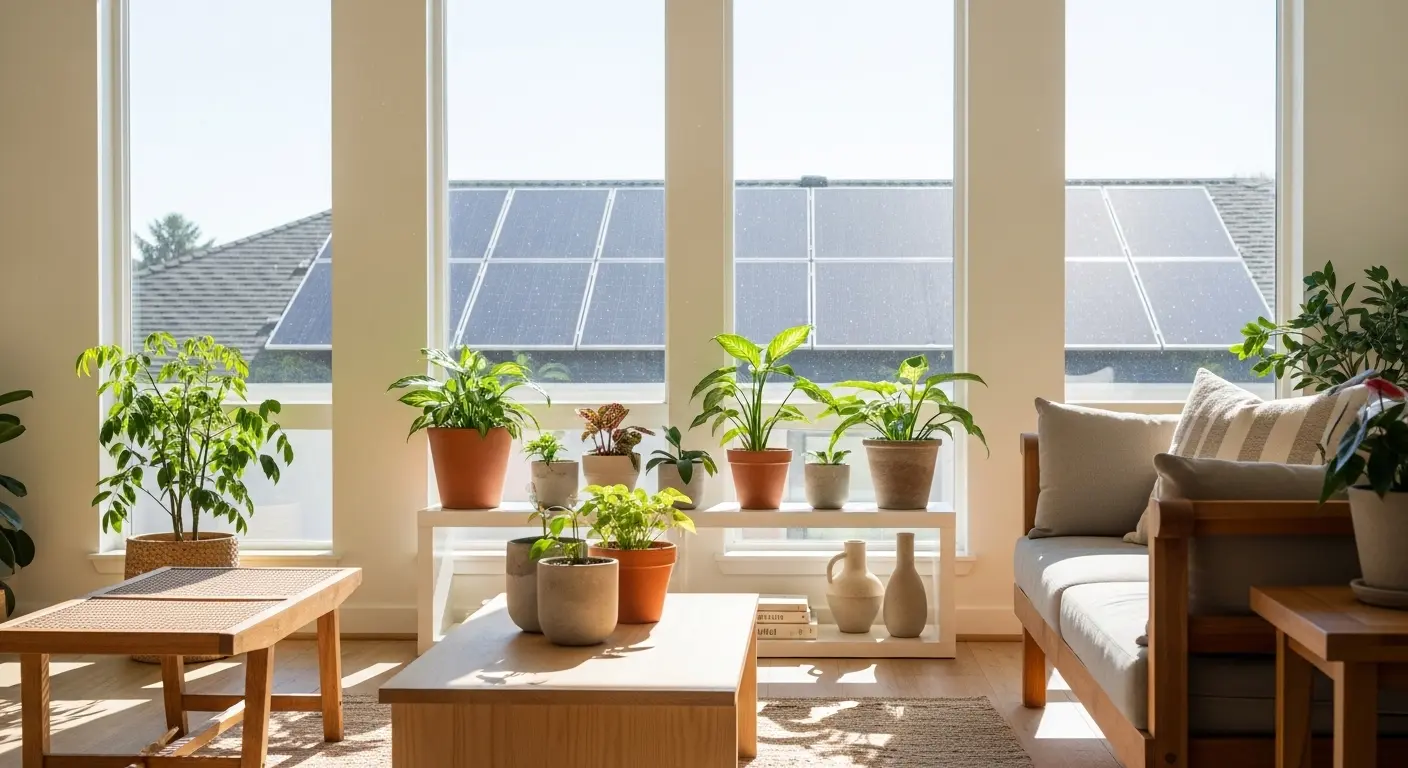

We embrace the concept of an eco-friendly environment at home as more than a trend—it is a deliberate lifestyle that transforms how we live, consume, and interact with our surroundings.
By making intentional choices, we reduce environmental impact while enhancing comfort, health, and long-term savings. A sustainable home is built on efficiency, mindful consumption, and environmentally responsible materials.
Table of Contents
Sustainable Home Design and Green Architecture
We begin by optimizing the structure and layout of our living space. Eco-conscious design focuses on maximizing natural light, improving insulation, and reducing dependency on artificial heating and cooling.
- Natural Lighting Optimization: Large windows, skylights, and reflective surfaces reduce electricity use.
- Insulation and Sealing: Proper insulation minimizes heat loss, lowering energy bills and carbon emissions.
- Eco Materials: We prioritize bamboo, reclaimed wood, recycled steel, and low-impact concrete alternatives.
A well-designed home significantly cuts energy consumption without sacrificing aesthetics or functionality.
Energy Efficiency: The Backbone of a Green Home
Energy consumption is one of the largest contributors to household environmental impact. We adopt energy-efficient solutions to reduce our footprint.
Smart Energy Practices
- Install LED lighting throughout the home
- Use smart thermostats to regulate temperature efficiently
- Unplug devices when not in use to prevent phantom energy drain
Renewable Energy Integration
- Solar panels dramatically reduce reliance on fossil fuels
- Solar water heaters offer a cost-effective alternative to traditional systems
By transitioning to renewable energy, we move toward a self-sufficient and sustainable household.
Water Conservation for Sustainable Living
Water is a critical resource, and conserving it is essential for an eco-friendly home.
Efficient Water Usage
- Install low-flow faucets and showerheads
- Use dual-flush toilets to minimize water waste
- Fix leaks immediately to prevent unnecessary loss
Water Recycling Systems
- Greywater systems reuse water from sinks and showers for irrigation
- Rainwater harvesting provides a natural source for gardening
These strategies ensure that we use water responsibly without compromising daily needs.
Eco-Friendly Cleaning and Non-Toxic Living
Traditional cleaning products often contain harmful chemicals. We replace them with natural and non-toxic alternatives.
Green Cleaning Solutions
- Vinegar and baking soda serve as powerful natural cleaners
- Essential oils add antibacterial properties and pleasant scents
- Plant-based detergents reduce chemical exposure
A toxin-free home environment improves indoor air quality and promotes better health.
Sustainable Furniture and Home Décor
We transform our interiors by choosing eco-friendly furniture and décor that combine style with sustainability.
Responsible Choices
- Opt for second-hand or upcycled furniture
- Choose products made from recycled or sustainably sourced materials
- Avoid fast furniture trends that contribute to landfill waste
Minimalist Approach
A clutter-free home reduces consumption and emphasizes quality over quantity. Minimalism naturally aligns with eco-friendly living.
Waste Reduction and Zero-Waste Practices
Reducing waste is a cornerstone of an eco-friendly environment at home.
Smart Waste Management
- Separate recyclables: paper, plastic, glass, and metal
- Compost organic waste to create nutrient-rich soil
- Avoid single-use plastics by switching to reusable alternatives
Zero-Waste Habits
- Use reusable shopping bags, bottles, and containers
- Buy in bulk to reduce packaging waste
- Repair instead of replacing items
These habits significantly decrease the volume of waste sent to landfills.
Indoor Plants for a Healthier Eco-Friendly Environment at Home
We integrate indoor plants to enhance air quality and create a calming atmosphere.
Best Plants for Eco Homes
- Snake plant: filters toxins and requires minimal care
- Peace lily: improves humidity and removes pollutants
- Aloe vera: purifies air and offers medicinal benefits
Plants act as natural air purifiers, making them an essential element of sustainable living.
Eco-Friendly Kitchen Practices
The kitchen is a major source of energy use and waste. We optimize it for sustainability.
Green Cooking Habits
- Use energy-efficient appliances
- Cook with lids to reduce energy consumption
- Opt for induction cooktops for better efficiency
Sustainable Food Choices
- Prioritize locally sourced and organic foods
- Reduce meat consumption to lower environmental impact
- Store food properly to minimize waste
A sustainable kitchen contributes significantly to an eco-friendly environment at home.
Sustainable Textiles and Clothing at Home
We extend eco-conscious living to fabrics and clothing used at home.
Eco Textile Choices
- Organic cotton, linen, and hemp fabrics
- Avoid synthetic materials that shed microplastics
Responsible Laundry Practices
- Wash clothes in cold water
- Air dry instead of using a dryer
- Use eco-friendly detergents
These practices reduce energy use and environmental pollution.
Smart Technology for Green Living
Technology plays a key role in modern eco-friendly environment at home.
Home Automation
- Smart lighting systems reduce electricity waste
- Automated blinds regulate indoor temperature
- Energy monitoring apps track consumption in real-time
Efficient Appliances
We invest in appliances with high energy ratings to ensure long-term savings and reduced environmental impact.
Creating an Eco-Friendly Environment at Home Mindset
A sustainable home starts with consistent habits and awareness.
Daily Eco Habits
- Turn off lights when leaving a room
- Reduce water usage during daily routines
- Choose sustainable products whenever possible
Long-Term Commitment
We commit to continuous improvement by staying informed and adapting to new eco-friendly innovations.
Benefits of an Eco-Friendly Environment at Home
Adopting an eco-friendly lifestyle offers multiple advantages:
- Lower utility costs through efficient resource use
- Improved health from reduced exposure to toxins
- Enhanced comfort with better air quality and temperature control
- Environmental protection by reducing carbon footprint
These benefits reinforce the importance of sustainable living.
Conclusion: Transforming Homes into Sustainable Sanctuaries
We redefine modern living by creating an eco-friendly environment at home that balances comfort, efficiency, and responsibility.
Through mindful design, energy conservation, waste reduction, and sustainable choices, we build homes that not only serve us but also protect the planet.
Every small change contributes to a larger impact, making sustainability an achievable and rewarding lifestyle.
Sustainable & Mindful Living
Expand your green habits with Sustainable Living Practices, and make immediate changes via 12 Eco-Friendly Lifestyle Changes and 10 Small Changes To Live More Sustainably. For design-forward sustainability, explore Sustainable Luxury, and commit long-term with How to Be Eco-Friendly: 15 Habits. For more living inspiration, explore our full Luxury Living collection.
