

Here’s the thing — a lot of us want to live more sustainably, but the moment we start googling it, we’re hit with a wall of information that makes the whole thing feel… overwhelming. Like, do I really need to make my own toothpaste and give up coffee to save the planet? (Spoiler: no, you don’t.)
Sustainable living practices don’t have to mean a dramatic life overhaul. In fact, the most powerful shifts toward eco-friendly living happen in the small, everyday choices we make — what we eat, how we shop, what we throw away. And the best part? Most of these changes will actually save you money while helping the environment. Win-win.
So, whether you’re a total newbie or someone who’s already got a reusable bag collection that’s getting a little out of hand, this guide has something for you. Let’s break down 10 genuinely doable sustainable living practices that fit real life — no guilt trips, no perfection required.
Table of Contents
What Are Sustainable Living Practices, Anyway?
Sustainable living is basically the art of meeting your needs today without making life harder for future generations. It’s about being a little more thoughtful about resources — energy, water, food, materials — and reducing your personal environmental impact where you can.
At its core, sustainable living is guided by three principles you’ve probably heard before: reduce, reuse, and recycle. But modern eco-friendly practices go way beyond recycling your cardboard boxes. They touch every part of daily life, from what’s on your dinner plate to how you commute to work to where you buy your clothes.
And the environmental case for making these changes? It’s hard to ignore. According to environmental scientists, individual lifestyle choices account for a significant portion of global carbon emissions. So yes, what you do matters — even if it sometimes feels like a drop in the ocean.
10 Sustainable Living Practices for Day-to-Day Life
1. Ditch Single-Use Plastics for Good
Let’s start with the most obvious one, but also one of the most impactful. Single-use plastics — think straws, coffee cups, grocery bags, water bottles — are absolute environmental nightmares. They’re used once and then stick around in landfills (or oceans) for hundreds of years.
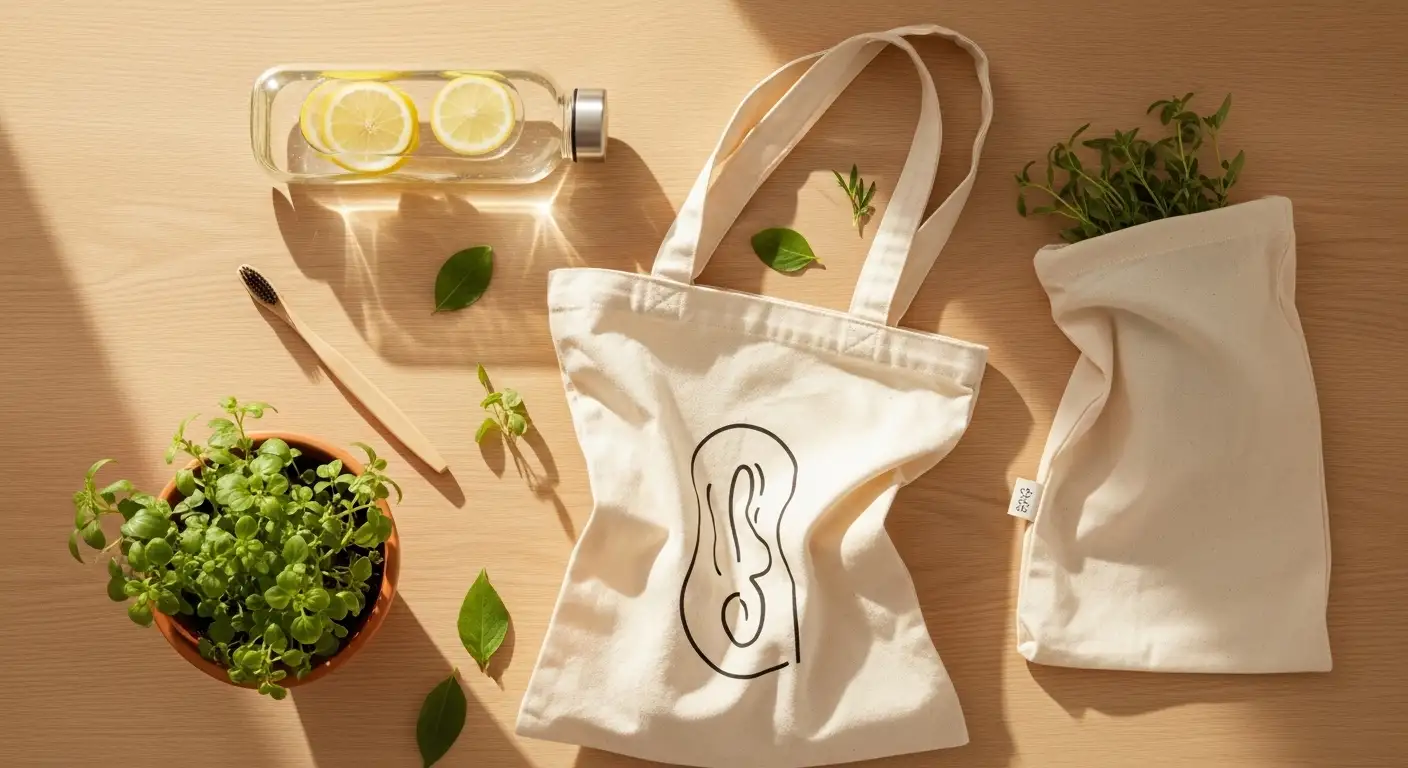
The fix is actually pretty simple: swap them for reusable alternatives. A good stainless steel water bottle, a canvas tote bag, and a set of bamboo cutlery can replace literally thousands of plastic items over your lifetime. That’s not just good for the planet — it’s good for your wallet too.
Quick tip: Start with just one swap this week. Don’t try to replace everything at once. Even one less plastic bottle a day adds up to 365 fewer bottles a year.
2. Switch to Energy-Efficient Alternatives at Home
Your home is probably one of your biggest sources of carbon emissions, but it’s also one of the easiest places to make changes. Sustainable living at home can be as simple as swapping old incandescent bulbs for LED ones (they use up to 80% less energy), unplugging devices when they’re not in use, and making sure your home is properly insulated.
If you’re feeling a bit more ambitious, look into smart thermostats, solar panels, or energy-efficient appliances. These have upfront costs, but they pay off massively over time — both financially and environmentally.
NLP keywords to know: Energy conservation, carbon footprint, renewable energy at home, green household habits.
3. Embrace a More Plant-Based Diet
Okay, before you scroll past — this isn’t about going full vegan overnight (unless you want to!). It’s about being aware that the food system, and especially meat and dairy production, is one of the largest contributors to greenhouse gas emissions globally.
Even swapping out meat two or three days a week — a practice sometimes called “flexitarianism” — can meaningfully reduce your personal carbon footprint. More plants, more whole foods, less heavily processed stuff. Your body and the planet will both thank you.
And honestly? Plant-based cooking has gotten so good. There’s never been a better time to experiment.
4. Shop Secondhand Before Buying New
Fast fashion is one of the dirtiest industries on the planet. The amount of water, chemicals, and energy that goes into making a single pair of jeans is genuinely shocking. And when clothes are worn once or twice and thrown away? That’s a mountain of waste.
The good news: secondhand shopping is having a full-blown cultural moment right now. Thrift stores, vintage shops, apps like Vinted or Depop — there are so many ways to find great stuff without buying new.
And if you do need to buy new, choosing sustainable fashion brands that prioritize ethical production and eco-friendly materials is the way to go.
Conscious consumption tip: Before buying anything, ask yourself: Do I need this? Will I use it for more than a year? Could I borrow or buy it secondhand?
5. Reduce Your Water Waste
Water is something a lot of us take completely for granted — until there’s a drought and suddenly everyone’s being told not to water their lawns. Globally, freshwater scarcity is a growing issue, and our everyday habits play a role.
Some ridiculously easy ways to cut your water use: fix leaky taps (a dripping faucet can waste thousands of liters a year), take shorter showers, run the dishwasher only when it’s full, and collect rainwater for your garden. These are small shifts, but they add up to big savings in water consumption.
6. Walk, Cycle, or Carpool Instead of Driving Solo
Transportation is one of the top contributors to greenhouse gas emissions. And while not everyone can ditch their car entirely, there are plenty of ways to make your daily commute greener.
Walking or cycling whenever possible is the obvious gold standard — it’s zero emissions and great for your health. Public transport is the next best thing.
And if you do need a car, carpooling, choosing a fuel-efficient vehicle, or considering an electric vehicle are all solid eco-friendly options.
Even working from home one or two days a week instead of commuting makes a measurable difference to your carbon footprint.
7. Compost Your Kitchen Scraps
Here’s a sustainable living practice that people often overlook: composting. Food waste that ends up in landfills doesn’t just decompose quietly — it produces methane, a powerful greenhouse gas.
Composting your food scraps instead keeps that waste out of the landfill and turns it into something genuinely useful: rich, natural fertilizer for your garden.
If you’ve never composted before, it’s way less complicated than it sounds. A small bin on your kitchen counter, a compost pile in the backyard (or a community composting program if you’re in an apartment) — that’s really all it takes. Coffee grounds, fruit peels, vegetable scraps, eggshells — all gold.
8. Support Eco-Friendly and Local Brands
Every purchase you make is a vote for the kind of world you want to live in. When you buy from local farmers’ markets, locally-owned businesses, or brands that prioritize sustainable sourcing, ethical labor, and minimal packaging, you’re putting your money where it actually does some good.
Look for certifications like Fair Trade, B Corp, or USDA Organic when shopping. And buying local isn’t just an eco-friendly practice — it supports your community’s economy too.
9. Grow Your Own Food (Even on a Balcony!)
You don’t need a farm to grow your own food. A sunny windowsill or a small balcony is enough to grow fresh herbs, cherry tomatoes, lettuce, or peppers. Homegrown food has zero packaging, zero food miles, and tastes so much better than what you’d get from a store.
Gardening also happens to be one of the most effective stress-relief activities out there — a happy side effect of being more sustainable. No bad outcomes here.
10. Practice Mindful and Intentional Consumption
This last one is maybe the most important because it ties everything else together. A huge driver of environmental damage is simply buying too much stuff. We live in a culture that constantly pushes consumption — more, newer, faster — and pushing back against that is genuinely radical.
Mindful consumption means pausing before you purchase, choosing quality over quantity, repairing things instead of replacing them, and decluttering responsibly (donating or selling rather than trashing). It’s about shifting from a throwaway mindset to one that values longevity and intentionality.
How to Start Without Feeling Overwhelmed
The biggest mistake people make when trying to adopt sustainable living is trying to do everything at once. That’s a fast track to burnout. Instead, pick one or two practices from this list that feel manageable right now, and commit to those for a month.
Once those habits feel natural, add one more. Sustainable living is a journey, not a destination — and every single step you take genuinely counts.
A simple framework to get started:
- This week: Swap one single-use item for a reusable alternative
- This month: Try two plant-based meals per week
- This year: Audit your home’s energy use and make one upgrade
Small, consistent changes over time are far more powerful than a short-lived perfect effort.
Common Myths About Sustainable Living — Debunked
Myth #1: “Sustainable living is too expensive.” Some eco-friendly swaps do cost more upfront — but most of them save money long term. Reusable items, buying less stuff, eating more whole foods, reducing energy bills — the savings add up fast.
Myth #2: “One person can’t make a difference.” Individual choices matter — both directly (in your own footprint) and indirectly (in the cultural signals you send to brands, industries, and policymakers). And if millions of individuals make small shifts? That’s enormous collective impact.
Myth #3: “You have to be perfect to be sustainable.” Nope. Sustainable living isn’t about perfection, it’s about progress. Imperfect eco-friendly action is infinitely better than no action at all. Don’t let the perfect be the enemy of the good.
Final Thoughts: Your Green Journey Starts Now
Sustainable living practices aren’t about sacrifice — they’re about living more intentionally, wasting less, and making choices that align with your values. The planet doesn’t need a handful of people doing this perfectly; it needs millions of people doing it imperfectly but enthusiastically.
So start small. Be kind to yourself when you slip up. And remember: every reusable bag used, every plant-based meal eaten, every second-hand purchase made is a small act of care for the world we all share.
Ready to make your first swap? Start today. The planet’s rooting for you. 🌍✨
Did you find this post helpful? Share it with a friend who’s trying to live a greener life — and drop your favorite sustainable living practices in the comments below!
Sustainable & Mindful Living
Start at home with our Eco-Friendly Environment at Home Guide. Make immediate changes via 12 Eco-Friendly Lifestyle Changes and 10 Small Changes To Live More Sustainably. For design-forward sustainability, explore Sustainable Luxury, and commit long-term with How to Be Eco-Friendly: 15 Habits. For more living inspiration, explore our full Luxury Living collection.
