
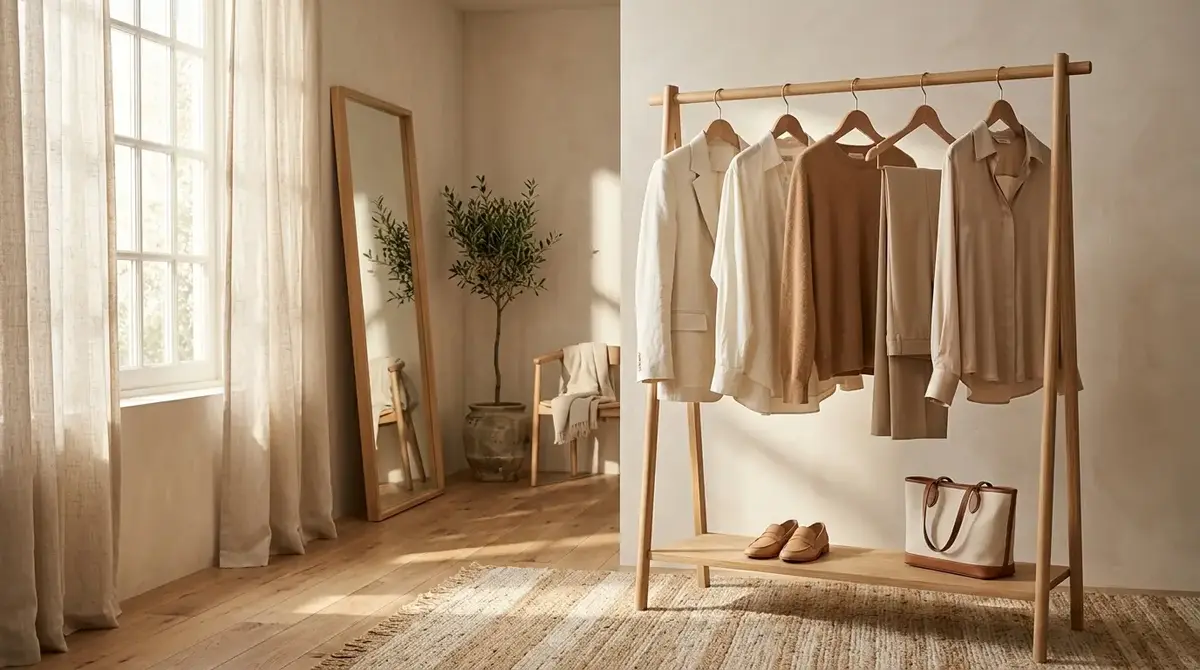

Slow fashion represents a more considered approach to personal style, where exceptional craftsmanship, natural materials, and timeless design take precedence over fleeting trends. Rather than building a wardrobe around constant purchases, we focus on clothing that offers lasting value, thoughtful construction, and enduring elegance. This philosophy aligns naturally with quiet luxury, where quality speaks louder than visible logos and sophistication comes from the details.
As fashion becomes increasingly influenced by rapid production cycles and disposable trends, slow clothing offers an alternative for those who appreciate refined aesthetics and responsible consumption. From beautifully tailored linen garments to investment-worthy cashmere knitwear, the movement encourages us to choose fewer pieces and appreciate them for longer.
Slow fashion is not simply about buying sustainable clothing. It is about developing a personal style that reflects our values, investing in garments that withstand changing trends, and recognizing the artistry behind well-made clothing.
Table of Contents
What Is Slow Fashion?
Slow fashion is an approach to clothing that emphasizes quality over quantity, responsible production, durability, and thoughtful consumption. It encourages us to consider how garments are designed, where their materials originate, who makes them, and how long they are likely to remain useful in our wardrobes.
Unlike fast fashion, which relies on frequent collections and rapid trend cycles, slow fashion prioritizes longevity. Designers and brands working within this philosophy often emphasize carefully selected fabrics, considered silhouettes, smaller production runs, and transparent manufacturing practices.
However, slow fashion does not necessarily mean handmade clothing or expensive designer labels. A well-constructed cotton shirt from a responsible independent maker can represent the philosophy just as effectively as a luxury cashmere coat, provided the garment is thoughtfully produced and designed for lasting use.
The essential principle is intentionality. Instead of purchasing clothing simply because it is fashionable today, we evaluate whether a piece deserves a place in our wardrobe for years to come.
The Difference Between Slow Fashion and Fast Fashion
Fast fashion prioritizes speed, affordability, and frequent product turnover. Slow fashion places greater emphasis on craftsmanship, material quality, ethical considerations, and garment longevity.
The distinction extends beyond price. An expensive garment is not automatically sustainable, and an inexpensive piece is not necessarily poorly made. Production practices, fabric composition, durability, repairability, and actual frequency of wear all influence a garment’s overall value.
Slow fashion encourages us to move away from the idea that a successful wardrobe requires constant renewal. Instead, we build a collection around versatile pieces that work together, remain comfortable, and express our personal aesthetic.
Why Slow Fashion and Quiet Luxury Belong Together
Quiet luxury emphasizes understated sophistication, impeccable fit, beautiful materials, and discreet detailing. Slow fashion complements this aesthetic by encouraging us to invest in garments for their intrinsic qualities rather than their immediate trend appeal.
Both philosophies favor restraint. A beautifully cut wool coat, a silk blouse with a fluid drape, or a structured linen jacket can communicate refinement without prominent branding or decorative excess.
Quality That Can Be Seen and Felt
The appeal of a well-made garment often becomes apparent through its construction. Even stitching, carefully finished seams, secure buttons, balanced proportions, and thoughtful pattern cutting contribute to a polished appearance.
Fabric quality matters just as much. Fine wool can offer warmth and structure, silk creates natural movement and luminosity, and substantial linen develops a distinctive character with wear.
These qualities help distinguish considered clothing from garments designed primarily for short-term consumption.
Timeless Design Beyond Seasonal Trends
Quiet luxury wardrobes typically rely on neutral colors, classic silhouettes, and versatile combinations. Slow fashion strengthens this approach by encouraging us to select designs that remain relevant beyond a single season.
Consider a camel wool coat, an ivory silk shirt, tailored black trousers, and a well-fitting navy blazer. Each piece can be styled in multiple ways, reducing the need for constant purchases while creating a coherent personal wardrobe.
Timelessness does not require avoiding every contemporary trend. It means choosing trends selectively and ensuring that our wardrobe remains grounded in personal taste rather than external pressure.
The Best Natural Fabrics for Slow Clothing
Fabric selection is central to slow fashion because materials influence comfort, appearance, durability, care requirements, and environmental impact.
Natural fibers are often associated with sustainable luxury, but no material is automatically sustainable simply because it comes from a natural source. Farming practices, processing methods, transportation, animal welfare, and garment lifespan all matter.
Linen: Relaxed, Understated Elegance
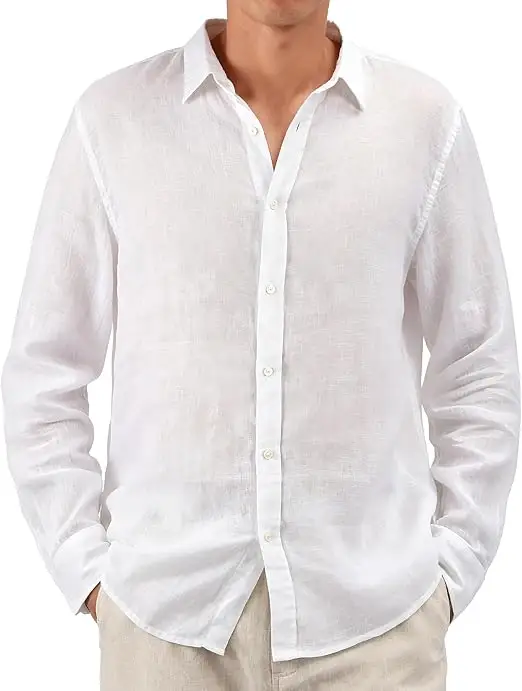
Linen is one of the defining materials of elevated warm-weather dressing. Made from flax fibers, it offers breathability, a distinctive texture, and a relaxed drape that works beautifully in understated wardrobes.
A quality linen shirt can be worn with tailored trousers, while a structured linen blazer adds sophistication to casual outfits. Linen dresses, wide-leg pants, and coordinated sets offer additional versatility.
Its natural creases are part of its character rather than necessarily a flaw. For those who appreciate effortless elegance, linen provides a balance between refinement and informality.
When choosing linen clothing, we should examine fabric weight, seam finishing, fit, and construction. Responsible sourcing and durable manufacturing also deserve attention, particularly when sustainability is a primary purchasing consideration.
Organic Cotton: Everyday Comfort With Purpose
Organic cotton is a useful choice for everyday slow clothing, particularly when certified to recognized organic standards. It can be used for T-shirts, shirts, knitwear, dresses, and comfortable loungewear.
Its versatility makes it valuable in capsule wardrobes. A heavyweight cotton T-shirt, for example, can work under a blazer, with denim, or alongside tailored linen trousers.
We should look beyond the word “organic” when evaluating a garment. Fabric durability, dyeing processes, manufacturing conditions, and independent certification can provide a more complete picture of its sustainability credentials.
Silk: Refined Texture and Lasting Appeal
Silk offers a distinctive combination of softness, fluid movement, and natural sheen. It is particularly suitable for garments intended to feel elegant without appearing overly elaborate.
A silk blouse can transition from professional settings to evening occasions, while a simple silk dress can be styled with understated jewelry and classic footwear.
To preserve silk garments, we should follow their care labels carefully, avoid unnecessary washing, and store them away from direct sunlight. Because silk can be delicate, thoughtful maintenance is essential to extending its useful life.
Wool and Cashmere: Investment Knitwear
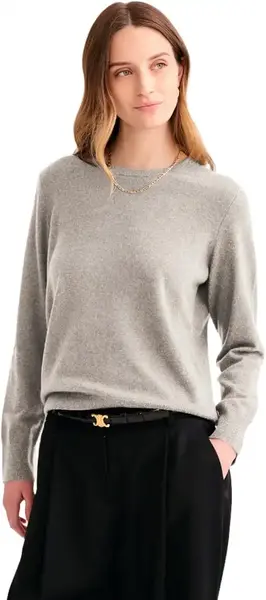
Fine wool and cashmere are valuable options for cooler seasons. They provide warmth and texture while supporting the understated appearance associated with quiet luxury.
A merino wool sweater, a cashmere cardigan, or a tailored wool coat can become a long-term wardrobe staple when selected carefully.
Cashmere quality varies considerably. Fiber length, yarn construction, knit density, and finishing can influence softness, pilling, and durability. A higher price does not guarantee superior quality, so examining construction and understanding the brand’s sourcing practices is worthwhile.
Wool and cashmere garments also benefit from gentle care, appropriate storage, and occasional repairs. With these measures, quality knitwear can remain useful for many seasons.
Slow Fashion Brands Worth Considering
Finding the right slow fashion brands requires more than searching for labels that use sustainability-related language. We should evaluate product quality, manufacturing transparency, material sourcing, repair services, and the practical longevity of individual garments.
The following brands offer different approaches to considered clothing, from premium everyday basics to artisanal craftsmanship and understated luxury.
1. Patagonia: Durability and Responsible Consumption
Patagonia is known for outdoor apparel, repair initiatives, and environmental advocacy. Although it is not a traditional quiet luxury fashion house, its emphasis on durability and extending product life makes it relevant to slow fashion.
Its clothing is particularly suitable for practical wardrobes built around reliable layers, outdoor essentials, and long-lasting casual pieces.
For shoppers who prioritize responsible consumption, Patagonia illustrates how a brand can connect product longevity with environmental commitments.
2. Eileen Fisher: Minimalist Wardrobe Essentials
Eileen Fisher focuses on clean silhouettes, versatile separates, and understated design. Its collections often include relaxed trousers, simple dresses, knitwear, and layering pieces that can work across different seasons.
The brand’s minimalist aesthetic makes it relevant to consumers who want a cohesive wardrobe without relying on prominent logos or highly seasonal styling.
Its resale and renewal initiatives also provide options for extending the use of selected garments.
3. People Tree: Ethical Fashion Heritage
People Tree has historically been associated with fair-trade fashion and more responsible production practices. Its approach has included natural materials, artisan partnerships, and clothing designed for everyday wear.
Its relevance to slow fashion lies in the connection between garment design and production ethics. However, availability and current operating status should be verified before purchasing, as brand activity can change over time.
4. ASKET: Permanent Wardrobe Essentials
ASKET builds its identity around a permanent collection of wardrobe staples rather than constant seasonal novelty. Its offering has included T-shirts, shirts, trousers, knitwear, and other everyday essentials.
The brand’s emphasis on material information, garment traceability, and product longevity appeals to shoppers seeking a streamlined wardrobe.
ASKET is especially relevant to those who prefer practical, understated clothing that can be combined repeatedly without feeling visually repetitive.
5. Sézane: French-Inspired Everyday Style
Sézane offers French-inspired clothing with an emphasis on wearable silhouettes, textured knitwear, blouses, dresses, and accessories.
Its aesthetic can complement a slow-fashion wardrobe, particularly when shoppers select versatile designs they expect to wear frequently.
However, an attractive aesthetic alone does not establish that every product meets strict sustainability criteria. We should assess individual materials, construction, production disclosures, and durability before treating a purchase as a responsible investment.
6. Stella McCartney: Designer Fashion With Sustainability Ambitions
Stella McCartney is a luxury fashion brand recognized for its longstanding focus on animal-welfare considerations and alternative materials.
Its collections demonstrate that designer fashion can explore alternatives to conventional leather and other animal-derived materials while maintaining a high-fashion aesthetic.
Consumers should still evaluate individual products and current material disclosures. Sustainability ambitions are most meaningful when supported by transparent information about actual products and production processes.
7. Cuyana: Fewer, Better Wardrobe Pieces
Cuyana’s philosophy centers on a more considered wardrobe, with an emphasis on refined essentials, leather goods, and versatile accessories.
Its aesthetic works well for consumers who appreciate simple silhouettes and a restrained color palette.
When considering its clothing and accessories, we should examine construction, repair options, material sourcing, and the likelihood that a product will remain useful over time. These practical factors help determine whether a premium purchase offers lasting value.
How to Evaluate a Slow Fashion Brand
Before investing in a new sustainable clothing brands, we should look for specific evidence rather than relying on vague claims such as “conscious,” “eco-friendly,” or “responsibly made.”
Useful questions include:
- Does the company explain where its materials originate?
- Are manufacturing locations and working conditions disclosed?
- Does it publish measurable environmental or social commitments?
- Are garments designed for repeated wear rather than short-lived trends?
- Are repair services, spare parts, or replacement buttons available?
- Does the brand provide clear care instructions?
- Can its sustainability claims be supported by credible certifications or independent reporting?
A transparent company will not necessarily have a perfect environmental record. What matters is whether it provides meaningful information, demonstrates accountability, and makes verifiable progress.
Slow Sunday Clothing: The Art of Elevated Relaxation
Slow Sunday clothing combines comfort with thoughtful design. It is built around relaxed garments that feel appropriate for quiet weekends, leisurely breakfasts, reading, travel, and time spent at home.
Rather than relying on oversized promotional loungewear or disposable seasonal sets, this approach favors beautiful fabrics, comfortable proportions, and restrained colors.
The Essential Slow Sunday Wardrobe
A considered weekend wardrobe can begin with a small collection of versatile pieces.
A fine-knit sweater: Merino wool or a suitable cashmere blend offers warmth and texture without unnecessary decoration.
A relaxed linen shirt: Linen creates an effortless silhouette and works well with tailored trousers or comfortable cotton pants.
A soft cotton T-shirt: A well-constructed cotton tee provides a foundation for layering and casual dressing.
Comfortable tailored trousers: Relaxed trousers with a flattering cut can feel as comfortable as loungewear while appearing more polished.
A coordinated knitwear set: Matching separates create a cohesive look without requiring complicated styling.
Minimal leather or textile slippers: Simple indoor footwear completes a relaxed wardrobe while keeping the overall aesthetic consistent.
The goal is not to create a uniform. It is to make getting dressed easier through pieces that feel comfortable and look intentional.
Colors and Textures for Quiet Luxury Loungewear
Cream, oatmeal, warm gray, chocolate brown, navy, and muted olive work particularly well in slow Sunday outfits.
These shades combine easily, making it possible to build several outfits from a limited collection. Texture adds visual interest without requiring elaborate patterns or conspicuous branding.
Ribbed knitwear, brushed cotton, washed linen, and fine wool can create depth even when an outfit consists of only two colors.
For a more sophisticated finish, we can introduce one contrasting texture, such as a fine-knit sweater with structured cotton trousers or a linen shirt with soft wool layers.
What About Slow Sunday Clothing as a Brand?
The phrase “Slow Sunday Clothing” may also refer to a specific retailer or label rather than the broader concept of relaxed, mindful dressing.
Shoppers researching a particular brand should verify its official website, current collections, business details, and return policies before making a purchase. The general slow Sunday aesthetic should not be confused with the sustainability credentials of any similarly named company.
Slow Stitch Clothing: Why Craftsmanship Matters
Slow stitch clothing places emphasis on the techniques and skilled work involved in making garments. It can include hand-finishing, decorative embroidery, careful tailoring, visible mending, and other methods that highlight the human element of textile production.
Although the term may also be used by individual brands, it describes a broader principle within slow fashion: clothing deserves attention not only for its appearance but also for how it is constructed.
The Value of Thoughtful Construction
A well-constructed garment is more likely to retain its shape and remain comfortable through repeated wear.
Important details include reinforced stress points, balanced seams, carefully attached buttons, properly finished hems, and lining that supports rather than distorts the garment’s shape.
Tailoring also matters. A jacket with well-positioned shoulders and sleeves can create a more refined appearance than a more expensive garment with an unsuitable fit.
Hand finishing is not automatically superior to machine construction. The quality of the technique, the suitability of the materials, and the overall execution determine whether a garment is well made.
Artisanal Details That Elevate Everyday Clothing
Subtle details can distinguish thoughtfully designed clothing from mass-produced alternatives.
These may include hand-stitched buttonholes, carefully finished cuffs, small-batch weaving, artisanal embroidery, and distinctive fabric textures.
Such details do not need to be highly visible. In a quiet luxury wardrobe, their value often lies in the way they improve comfort, fit, durability, or the overall finish of a garment.
When purchasing artisan-made clothing, we should also consider the maker’s working conditions, fair compensation, and the authenticity of claims about traditional techniques.
How to Build a Slow Fashion Capsule Wardrobe
A slow fashion capsule wardrobe is a carefully edited collection of clothing in which individual pieces work together across multiple outfits.
The objective is not to own as few garments as possible. It is to create a useful wardrobe that reflects our lifestyle, reduces unnecessary duplication, and makes dressing more straightforward.
Step 1: Assess the Wardrobe We Already Own
Before shopping, we should examine the clothing we currently have.
Identify frequently worn pieces, garments that require minor repairs, items that no longer fit, and purchases that remain unused because they are uncomfortable or difficult to style.
This exercise reveals which categories genuinely need attention. We may discover that another white shirt is unnecessary while a versatile jacket or comfortable pair of trousers would make existing outfits more useful.
Step 2: Establish a Consistent Color Palette
A cohesive color palette makes individual pieces easier to combine.
We might choose navy, cream, charcoal, and camel as the foundation, then introduce a muted green or burgundy accent. The precise colors matter less than their compatibility with our lifestyle, complexion, and existing wardrobe.
A consistent palette also helps reduce impulse purchases because new garments can be evaluated against a clear set of preferences.
Step 3: Prioritize Versatile Investment Pieces
The best investment pieces are not necessarily the most expensive items. They are garments that combine quality, fit, versatility, and frequent use.
A tailored blazer might work with denim, dresses, and formal trousers. A wool coat could complement office clothing and weekend outfits. A silk blouse might transition from daytime appointments to evening occasions.
Before purchasing, we should consider the number of realistic outfits a garment can support and whether its care requirements suit our routine.
Step 4: Buy for Fit, Not Just Brand Recognition
Even premium clothing can disappoint when the fit is wrong.
Shoulder placement, sleeve length, waist positioning, trouser rise, and overall proportions all affect how a garment looks and feels. When necessary, professional alterations can improve the fit of a well-made piece.
However, alterations should be considered alongside the garment’s construction and price. Some changes are straightforward, while others may be costly or technically impractical.
Step 5: Shop With a Clear Purpose
Before making a purchase, we can ask three questions:
- Does this garment fill a genuine gap in our wardrobe?
- Can we style it with at least three pieces we already own?
- Are its quality, price, materials, and expected lifespan appropriate for our needs?
These questions create a practical barrier against impulse shopping without eliminating the pleasure of discovering beautiful clothing.
Is Slow Fashion More Expensive?
Slow fashion can involve a higher initial purchase price, particularly when garments use premium natural fibers, skilled tailoring, or smaller production runs.
However, the initial price does not tell the whole story. A garment worn frequently over several years may offer better value than a cheaper item that loses its shape, becomes uncomfortable, or is discarded after a few uses.
We can compare garments using a simple cost-per-wear calculation.
For example, suppose a well-made wool sweater costs $180 and is worn 120 times. Its cost per wear is $1.50.
A $45 sweater worn 15 times costs $3 per wear.
These examples illustrate how longevity and frequency of use can change the value calculation. They do not establish that the more expensive sweater is automatically more sustainable or that every premium garment will last longer.
True value comes from the relationship between purchase price, quality, usefulness, and lifespan.
We should also account for maintenance. Dry cleaning, repairs, specialist washing, and storage can affect the total cost of ownership. A slightly less expensive garment with simpler care requirements may be the more practical choice.
How to Care for Slow Clothing and Extend Garment Life
Responsible purchasing is only one part of slow fashion. The way we care for clothing influences how long it remains wearable.
Wash Less When Appropriate
Not every garment needs to be washed after every wear. Outerwear, knitwear, and certain structured pieces may need airing or spot cleaning rather than a full wash, provided they are not soiled and their care instructions allow it.
Reducing unnecessary washing can help preserve fabrics and may reduce water and energy use.
Underwear, activewear, and garments exposed to sweat or dirt require appropriate laundering. Hygiene should always take priority over reducing wash frequency.
Follow Fabric-Specific Care Instructions
Different materials respond differently to heat, agitation, moisture, and cleaning products.
- Linen: Wash according to the care label and avoid excessive heat that may cause unwanted shrinkage.
- Cotton: Use suitable temperatures and avoid unnecessarily harsh drying.
- Silk: Follow specialist care instructions and protect delicate fibers from abrasion.
- Wool and cashmere: Use appropriate gentle washing methods or professional cleaning when recommended.
- Structured tailoring: Follow the garment’s instructions and avoid unnecessary dry cleaning.
Correct care helps preserve color, texture, shape, and construction.
Repair Before Replacing
A loose button, small seam opening, missing hook, or minor tear does not necessarily mean a garment has reached the end of its life.
Basic repairs can restore functionality, while professional tailoring can address more complicated damage. Replacing worn buttons or repairing a hem can also extend the usefulness of a garment without changing its overall appearance.
For expensive pieces, it is worth checking whether the original brand provides repairs or replacement components.
Store Clothing Properly
Knitwear should generally be folded to reduce stretching, while suitable structured garments can be stored on supportive hangers.
Clean garments before putting them away for extended periods, allow fabrics to dry fully, and protect woolens from pests. Avoid overcrowding wardrobes, which can contribute to creasing and make clothing harder to access.
Good storage is a simple way to preserve the investment already represented by the clothes we own.
Is Slow Fashion Actually Sustainable?
Slow fashion can support more responsible consumption, but its environmental benefits depend on actual purchasing and usage patterns.
Buying fewer garments, wearing them for longer, repairing damage, and avoiding unnecessary replacements can reduce demand for new clothing. However, the benefits are not automatic.
Natural fibers can require substantial land, water, or processing resources. Synthetic fibers may be durable and useful in certain applications, but they can contribute to plastic pollution and release microfibers during washing. Recycled materials may reduce demand for virgin resources, although their overall impact varies by material and manufacturing process.
Secondhand clothing can extend product life, particularly when it replaces a planned purchase of new clothing. Yet buying used items that are never worn does not automatically create the same benefit.
The same principle applies to premium fashion. A luxury label does not establish environmental responsibility, and a sustainability claim should not replace careful examination of the product.
We can make more informed decisions by considering the entire garment lifecycle: material production, manufacturing, transport, use, maintenance, repair, resale, and eventual disposal.
Common Slow Fashion Mistakes to Avoid
Assuming Expensive Means Sustainable
High prices may reflect design, branding, distribution, or craftsmanship. They do not necessarily indicate ethical manufacturing or lower environmental impact.
We should examine the garment itself and the evidence behind a brand’s claims.
Buying Too Much in the Name of Sustainability
A wardrobe full of organic cotton shirts or recycled-fabric dresses can still represent unnecessary consumption if the garments are rarely worn.
The first step toward a more intentional wardrobe is making better use of what we already own.
Confusing Minimalism With Personal Style
Slow fashion does not require wearing only beige, black, and white. It can accommodate expressive colors, distinctive prints, statement accessories, and cultural influences.
The objective is to choose intentionally rather than follow a prescribed aesthetic.
Ignoring Comfort and Practicality
A garment that looks beautiful but feels uncomfortable is unlikely to become a wardrobe staple.
Climate, daily activities, workplace expectations, mobility, and personal preferences should all influence purchasing decisions. A useful slow fashion wardrobe reflects real life rather than an idealized fashion image.
Overlooking Secondhand and Vintage Clothing
Pre-owned garments can offer excellent quality, distinctive design, and access to materials or construction techniques that are less common in contemporary mass-market clothing.
Vintage wool coats, silk scarves, tailored jackets, and classic leather accessories may provide enduring style when their condition and care requirements are assessed carefully.
Buying secondhand is not essential to slow fashion, but it can be a valuable part of a considered wardrobe strategy.
The Future of Slow Fashion: A More Considered Definition of Luxury
Slow fashion offers a compelling alternative to the constant renewal encouraged by modern retail. It places greater value on well-chosen materials, thoughtful construction, versatile design, and the pleasure of wearing garments that continue to serve us over time.
Its connection with quiet luxury is particularly strong because both approaches recognize that sophistication does not depend on excessive consumption. A beautifully maintained wool coat, a carefully tailored linen shirt, or a silk blouse that works across multiple occasions can provide more lasting satisfaction than a wardrobe filled with short-lived purchases.
The most meaningful shift begins with how we evaluate clothing. Instead of asking whether a garment is fashionable today, we can ask whether it suits our lives, whether it is well made, whether its production reflects our values, and whether we will genuinely enjoy wearing it.
Slow fashion is not about owning the fewest clothes or buying the most expensive brands. It is about building a wardrobe with purpose, appreciating craftsmanship, and making each purchase count. When we combine these principles with responsible care and thoughtful styling, sustainable luxury becomes less about an image and more about a lasting relationship with the clothes we choose to wear.
Frequently Asked Questions About Slow Fashion
What are the main principles of slow fashion?
The main principles include buying intentionally, prioritizing quality and durability, supporting responsible production, selecting versatile designs, caring for garments properly, and extending their useful lives through repair and reuse.
What are the best slow fashion brands for quiet luxury?
Brands such as Eileen Fisher, ASKET, Cuyana, and Stella McCartney offer different approaches to understated style, wardrobe essentials, or sustainability-focused fashion. Patagonia is also relevant for durable everyday and outdoor clothing. The best choice depends on budget, personal style, product availability, and the specific evidence supporting each brand’s claims.
Is slow clothing the same as sustainable fashion?
The terms overlap but are not identical. Slow clothing emphasizes thoughtful purchasing, durability, and resistance to rapid trend cycles. Sustainable fashion considers a broader range of environmental and social impacts across the clothing lifecycle.
What is slow stitch clothing?
Slow stitch clothing emphasizes craftsmanship and the processes used to create, finish, embellish, or repair garments. Depending on the maker, it can include hand finishing, embroidery, artisanal techniques, and visible mending.
How can we start practicing slow fashion on a limited budget?
We can begin by shopping our existing wardrobes, repairing garments, buying secondhand, choosing versatile basics, and waiting before making nonessential purchases. Slow fashion is fundamentally about better decisions, not spending more money.
Are natural fabrics always more sustainable?
No. Natural materials differ in their environmental impacts, and their production may involve significant land, water, chemical, or processing requirements. The most appropriate choice depends on sourcing, manufacturing, durability, care, and how long the garment is used.
How many clothes should a slow fashion wardrobe contain?
There is no universal number. A suitable wardrobe depends on climate, occupation, lifestyle, laundry access, and personal preferences. A person who works in a formal environment may need a different collection from someone whose daily routine centers on outdoor activities or casual clothing.
Does slow fashion mean avoiding trends completely?
No. We can incorporate contemporary trends when they genuinely suit our style and complement garments we already own. Slow fashion simply encourages us to avoid treating every new trend as a reason to replace our wardrobe.