

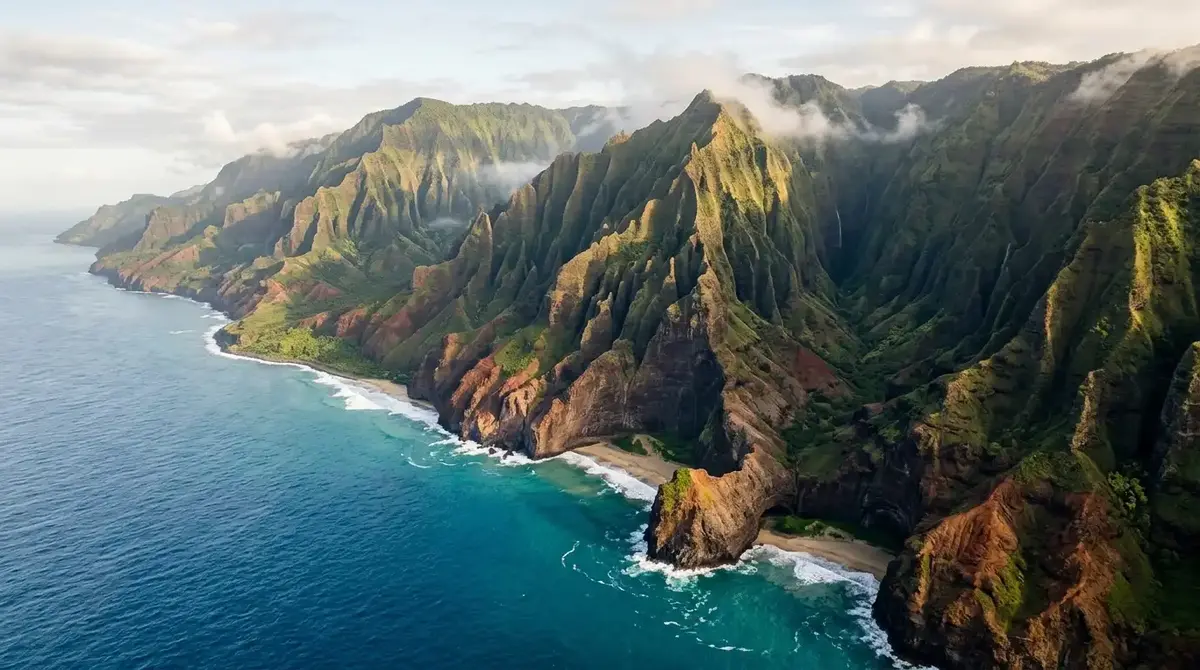

The best things to do in Kauai include exploring the dramatic Nā Pali Coast, admiring Waimea Canyon, relaxing at Hanalei Bay, discovering the Wailua River, visiting scenic waterfalls, and enjoying the island’s distinctive towns and local food. Kauai, known as the Garden Isle, suits travelers who enjoy natural scenery, outdoor adventures, and a slower pace. Plan activities by region, check current park access, and reserve popular experiences in advance.
Kauai has a way of making a vacation feel wonderfully unhurried. Emerald mountains rise above the Pacific, waterfalls spill through tropical valleys, and quiet coastal towns invite you to spend an afternoon browsing local shops or enjoying a meal made with island ingredients.
The Hawaiian island rewards travelers who leave room for discovery. You might spend one morning watching waves roll into Hanalei Bay, another cruising beneath the cliffs of the Nā Pali Coast, and a later afternoon sampling local food in a small town.
For PureLuxy readers, the appeal lies in choosing experiences that make a trip memorable rather than trying to fit every attraction into a single itinerary.
A note before planning: Kauai has experienced recent storm-related disruptions. Official visitor and park updates have reported changing access conditions, including restrictions affecting several state parks and roads. Confirm the current status of every attraction before booking or driving there, using the Hawaiʻi Tourism Authority’s Kauai visitor updates and Hawaiʻi State Parks.
Table of Contents
1. Explore the Nā Pali Coast
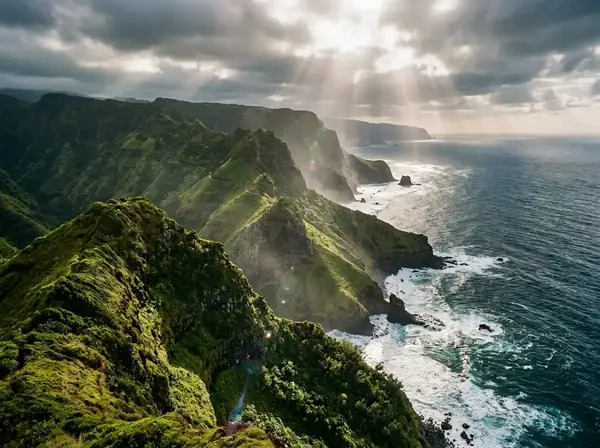
The Nā Pali Coast is one of Kauai’s most remarkable natural attractions, known for its steep green cliffs, narrow valleys, and dramatic meeting of mountains and ocean.
The coastline stretches along the island’s northwest shore, where deep valleys and towering ridges create scenery that feels almost untouched. From the water, the scale of the cliffs becomes especially striking.
Choose the experience that suits your trip
Boat tour: A guided boat trip offers views of the cliffs, sea caves where conditions permit, and the rugged coastline. Tour routes depend on the operator, weather, and ocean conditions.
Helicopter tour: An aerial tour provides a wider view of Kauai’s valleys, ridges, and waterfalls. Compare flight duration, departure location, weather policies, and seating arrangements before booking.
Hiking: The famous Kalalau Trail follows the Nā Pali Coast from the Hāʻena area. This is a demanding hiking environment that requires careful planning, appropriate fitness, and the necessary permits and reservations for the route you intend to hike.
Visitors who prefer a gentler day can admire the coast from a suitable boat excursion or another verified viewpoint without committing to a strenuous trail.
Before planning a visit, check the official Nā Pali Coast State Wilderness Park information. Access rules, permits, weather, and trail conditions can change.
Best for: Photographers, outdoor enthusiasts, couples, and travelers seeking a memorable view of Kauai’s coastline.
2. Discover Waimea Canyon
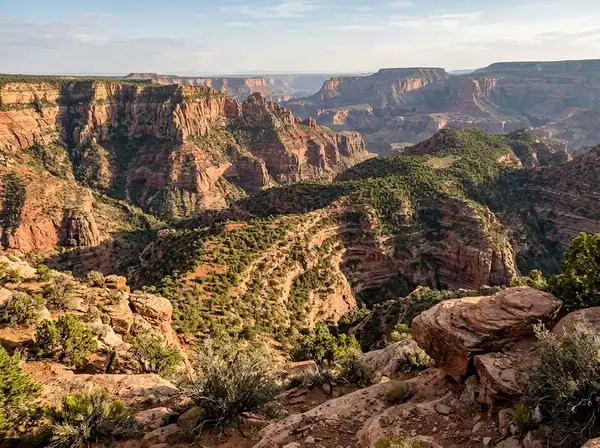
Waimea Canyon is famous for its broad, deeply carved landscape, with red earth, green vegetation, and layered ridges that create striking contrasts.
Often described as the Grand Canyon of the Pacific, Waimea Canyon offers a different perspective on Kauai. The island’s reputation for tropical beaches gives way to a dramatic inland landscape shaped by erosion and geological processes.
Scenic viewpoints can make the canyon accessible to travelers who prefer short stops rather than strenuous hikes. If road and park access permit, you can combine viewpoints with a relaxed drive through the surrounding highlands.
Bring a light jacket, water, and footwear suited to the conditions. Weather in the uplands can differ from conditions near the coast, and cloud cover may affect visibility.
Important access note: Official state park notices have reported closures and restrictions following recent storms, including a closure affecting Kōkeʻe Road. Check the latest state guidance before planning a drive into the canyon and surrounding parkland. Do not assume a previously accessible viewpoint or trail is open.
See Hawaiʻi State Parks’ current information before setting out.
Best for: Scenic drives, landscape photography, nature lovers, and visitors interested in Kauai’s geological history.
3. Spend Time at Hanalei Bay
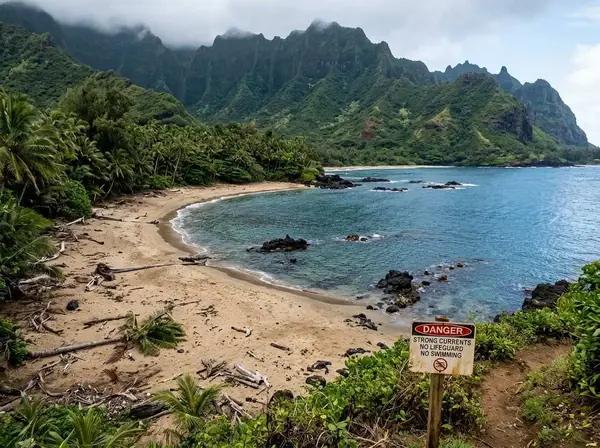
Hanalei Bay combines a sweeping crescent-shaped beach with green mountain scenery and a relaxed North Shore atmosphere.
The bay is an inviting place to enjoy a coastal walk, photograph the landscape, or spend time watching the changing light over the water. Nearby Hanalei offers a small-town setting with shops, cafés, and places to stop for a casual meal.
Water activities depend on surf, currents, weather, and the season. Conditions that look calm from the beach can still be dangerous, so check local guidance and follow lifeguard instructions where lifeguards are present.
Plan time for the town as well as the beach. A morning spent browsing local businesses followed by a scenic coastal stop creates a rewarding half-day without requiring a packed schedule.
North Shore access and road conditions should be checked before travel, particularly following recent storm disruptions.
Best for: Beach lovers, photographers, couples, and travelers who enjoy exploring small coastal towns.
4. Relax at Poʻipū Beach
Poʻipū Beach, on Kauai’s South Shore, is a popular place to enjoy the coast, take a walk, or spend a few hours by the ocean.
Its South Shore location makes Poʻipū a useful base for a relaxed beach day, especially for travelers staying around Kōloa or Poʻipū. Facilities and local conditions vary, so check current beach information before choosing a swimming spot.
If you hope to see Hawaiian monk seals or green sea turtles, observe them from a respectful distance and follow posted wildlife-protection guidance. Sightings are never guaranteed, and animals should never be approached, touched, or fed.
Bring sun protection and drinking water, and avoid entering the water when conditions are unsafe.
Best for: Families, relaxed beach days, and visitors staying on the South Shore.
5. Experience the Wailua River
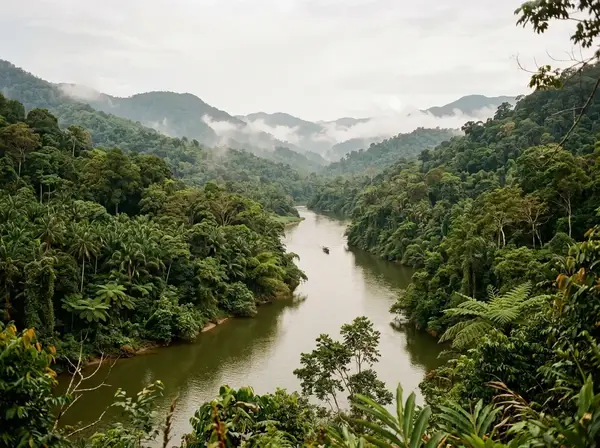
The Wailua River is one of Kauai’s best-known freshwater landscapes, surrounded by lush vegetation and scenery that can be explored from the water or by road.
Depending on current access and available operators, visitors may be able to experience the river by guided boat tour, kayak, stand-up paddleboard, or another permitted activity. Guided excursions can be helpful for first-time visitors who want to learn about the area’s history and landscape.
Before booking a kayak or boat trip, check the operator’s route, safety briefing, cancellation policy, and current launch conditions. Never assume that every landing or nearby trail is open.
The river also has deep cultural significance. Treat historic and sacred places respectfully, follow signs, and stay within designated visitor areas.
Current access warning: Recent state park notices have described partial reopening of Wailua River State Park, with restrictions on some activities and access beyond designated areas. Check the official Wailua River information and current state park notices before planning a specific excursion.
Best for: Nature lovers, paddlers, photographers, and visitors interested in Kauai’s cultural landscape.
6. Admire Wailua Falls
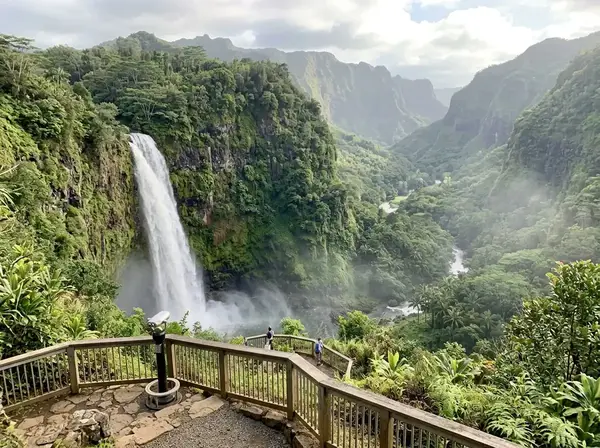
Wailua Falls is a well-known waterfall attraction near Līhuʻe, with water cascading into a green valley.
The falls are often photographed from a designated viewing area. The scene changes with rainfall, light, and water flow, so the appearance may differ from photographs taken in another season.
A visit can fit into a broader East Side itinerary, especially if you are exploring nearby towns or other attractions that are confirmed open.
Use designated viewpoints and obey barriers. Slippery surfaces, unstable ground, and strong water flows make unofficial access routes dangerous.
Confirm current road and viewing-area access before setting out, particularly during periods of storm recovery.
Best for: Landscape photography, short sightseeing stops, and travelers who want to see one of Kauai’s recognizable natural landmarks.
7. Visit ʻŌpaekaʻa Falls
ʻŌpaekaʻa Falls is another scenic waterfall associated with Kauai’s East Side. Its viewing area has traditionally offered an accessible way to appreciate the surrounding tropical landscape.
The waterfall’s appearance depends on rainfall and seasonal conditions. On a clear day, the surrounding greenery creates a beautiful setting for photographs.
Consider pairing the stop with other verified East Side attractions rather than making a long drive solely for one viewpoint. This approach leaves more time for a meal, a coastal walk, or an unplanned discovery.
Check current access and obey all signs around the viewing area. Do not climb over barriers or attempt to reach the waterfall by unofficial routes.
Best for: Scenic stops, casual photography, and travelers exploring the East Side.
8. Explore Kīlauea Point
Kīlauea Point is known for its coastal scenery, lighthouse heritage, and wildlife habitat. The headland offers a different experience from Kauai’s beaches and mountain valleys.
The Kīlauea Point National Wildlife Refuge protects important seabird habitat. Depending on operating conditions, visitors may be able to learn about the lighthouse and observe seabirds from designated areas.
Bring binoculars if you enjoy birdwatching, and keep a respectful distance from wildlife. Visitors should follow refuge rules and remain within permitted areas.
Before making the trip, check the refuge’s official website for opening information, reservations, fees, and any temporary restrictions. Do not assume access is available on every day of your visit.
Best for: Birdwatchers, wildlife enthusiasts, history lovers, and travelers who appreciate coastal viewpoints.
9. Walk Through a Tropical Garden
Kauai’s tropical gardens offer an opportunity to appreciate the island’s plant life at a slower pace.
Depending on the garden you choose and its current operating schedule, you may encounter tropical flowers, palms, native plants, cultivated landscapes, and guided educational experiences.
A garden visit can be a pleasant alternative when you want a break from long drives, beach activities, or strenuous outdoor excursions. It also provides an opportunity to learn more about the plants that thrive in Hawaii’s climate.
Look for gardens that offer guided walks or interpretive information, and check accessibility, opening hours, reservation requirements, and weather policies before booking.
Best for: Garden enthusiasts, families, photographers, and travelers looking for a quieter experience.
10. Discover Kauai’s Small Towns
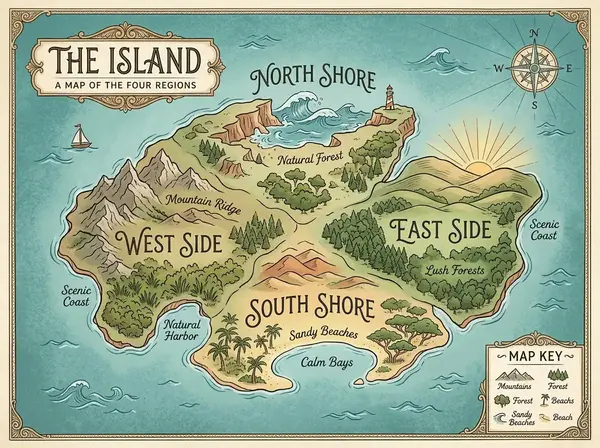
Kauai’s small towns provide a closer look at everyday island life, local businesses, and regional character.
Hanalei
Hanalei is known for its North Shore setting, mountain backdrop, and coastal atmosphere. Spend time browsing local shops, stopping for refreshments, and enjoying the surrounding scenery.
Kapaʻa
Kapaʻa is a useful East Side stop for casual dining, shopping, and exploring the coastline. It can also work as a practical base for visitors who want to explore several parts of the island.
Kōloa
Kōloa has historic connections to Hawaii’s plantation era. Its historic district offers a chance to learn about the island’s changing economy and the communities that developed around sugar production.
Hanapēpē
Hanapēpē is associated with local art and a small-town atmosphere. Check current gallery and shop opening hours before planning an evening visit.
Choose one or two towns that fit your route rather than trying to visit all of them in one day. This gives you time to explore beyond the main street and support locally owned businesses.
Best for: Travelers interested in local culture, independent shops, art, and relaxed dining.
11. Taste Kauai’s Local Food
Sampling local food is one of the most enjoyable ways to experience Kauai. The island’s food scene reflects Hawaiian traditions, Asian and Pacific influences, locally grown produce, and contemporary cooking.
Look for opportunities to try:
- Poke: Seasoned fish served in a variety of styles.
- Plate lunches: Casual meals that often combine a main dish with rice and side dishes.
- Shave ice: A popular cold treat with flavored syrups.
- Tropical fruit: Availability varies by season and supplier.
- Locally grown coffee: A chance to discover coffee produced in Hawaii.
Farmers markets can be a good place to find seasonal produce and locally made goods. Market days, vendors, and opening hours vary, so verify schedules before visiting.
For a more considered food experience, choose locally owned restaurants, ask about seasonal specials, and leave room in the itinerary for a meal that becomes part of the trip rather than a quick stop between attractions.
Best for: Food lovers, couples, families, and travelers who enjoy discovering a destination through its cuisine.
12. Choose a Guided Ocean Adventure
A guided ocean excursion can provide a memorable perspective on Kauai’s coast, particularly if you want to see areas that are difficult to reach by road.
Options may include sightseeing boat tours, snorkeling excursions, surfing lessons, and other activities offered by licensed operators. The right choice depends on your comfort in the water, the season, weather conditions, and the current availability of tours.
Before booking, check these details
- Whether the excursion is suitable for your swimming ability and experience.
- What equipment, instruction, and safety gear are provided.
- The operator’s cancellation policy for rough seas or poor weather.
- The departure location and total time required.
- Whether the route and destination are currently accessible.
Choose operators who explain safety procedures clearly and follow applicable rules for wildlife viewing and protected areas.
Travelers prone to motion sickness may wish to discuss suitable precautions with a qualified healthcare professional before a boat trip.
Best for: Adventure seekers, confident swimmers where appropriate, and travelers who want a guided coastal experience.
13. Explore Kauai’s Beaches
Kauai has beaches with different landscapes and conditions, from broad sandy stretches to sheltered-looking coves and dramatic shorelines.
Your choice should depend on the day’s weather, ocean conditions, access, and the type of experience you want. A beach that suits a scenic walk may be unsuitable for swimming, while a popular swimming area may be dangerous during rough surf.
Rather than selecting a beach solely from photographs, check official ocean-safety guidance on the day of your visit. Never enter the water if conditions are unsafe, and pay attention to warning signs and lifeguard instructions.
Plan your beach day around your priorities
| Your priority | What to look for |
|---|---|
| Relaxing by the ocean | Accessible sandy beaches with suitable facilities |
| Photography | Scenic coastlines and viewpoints with safe access |
| Swimming | Current local safety advice and appropriate conditions |
| Snorkeling | Visibility, currents, waves, and guidance from local experts |
| Coastal walks | Designated routes and confirmed trail access |
Bring sun protection, water, and any supplies you need, and leave the beach clean for the next visitor.
14. Experience Hawaiian Culture and History
Kauai’s cultural and historical sites help visitors understand the island beyond its scenery.
Look for museums, historic districts, interpretive tours, local cultural events, and educational experiences led by knowledgeable guides. These can explain the island’s Native Hawaiian heritage, historic settlements, agricultural history, and contemporary communities.
Approach sacred sites and culturally significant places with respect. Follow local guidance on photography, access, behavior, and whether a location is appropriate for visitors.
If you join a cultural tour, consider what you can learn from the experience and whether the provider explains the context thoughtfully. Listening to local voices can add depth to the trip and help visitors understand the place they are enjoying.
Best for: Curious travelers, families, history enthusiasts, and visitors who want a deeper understanding of Kauai.
15. Enjoy a Slow Island Day
Some of the best things to do in Kauai involve leaving a little room in the schedule.
Start with a relaxed breakfast, spend time at a beach or scenic viewpoint confirmed open, browse a local market, and finish the day with a meal at a locally owned restaurant.
You can also choose one main activity and allow the rest of the day to unfold naturally. This works particularly well when weather, road conditions, and travel times make a packed itinerary difficult.
A slower day also gives you time to appreciate small details: changing light across the mountains, the sound of waves, the scent of tropical vegetation after rain, or a conversation with someone who knows the area.
For a destination like Kauai, flexibility is a practical travel strategy. It allows you to respond to conditions while enjoying the island at a more comfortable pace.
Plan a Three-Day or Five-Day Kauai Itinerary
Kauai’s roads do not form a complete loop around the island, and travel times depend on traffic, weather, and road conditions. Organizing activities by region can reduce unnecessary driving.
The itineraries below are planning frameworks. Every attraction and route must be checked for current access before you travel.
A three-day Kauai itinerary
Day 1: Explore the East Side
Choose confirmed-open waterfall viewpoints, spend time in Kapaʻa, and consider a permitted river activity if available. Keep the schedule flexible in case access or weather changes.
Day 2: Discover the South Shore
Spend time around Poʻipū and Kōloa, explore the coastline, and enjoy local food. Add a garden or cultural experience if it fits the day’s operating schedule.
Day 3: Choose a signature landscape
If access is confirmed, plan a Nā Pali Coast excursion or a visit to a permitted scenic viewpoint. Alternatively, choose a local town, garden, or coastal experience that is open and suitable for the conditions.
A five-day Kauai itinerary
| Day | Suggested focus | Planning note |
|---|---|---|
| 1 | East Side towns and scenery | Confirm waterfall and river access |
| 2 | South Shore beaches and local food | Check ocean conditions |
| 3 | Nā Pali Coast experience | Reserve the appropriate tour or permitted access |
| 4 | North Shore scenery and Hanalei | Check road conditions and local restrictions |
| 5 | Culture, gardens, or a relaxed beach day | Choose attractions confirmed open |
If a planned park or road remains closed, replace that activity with a confirmed-open alternative. Do not enter restricted areas or attempt to bypass barriers.
Travelers with more time can add another day for guided activities, local food, or a relaxed exploration of one region.
Practical Kauai Travel Tips
A little preparation can make a Kauai trip more comfortable and help prevent wasted travel time.
1. Check access before driving
Storms, heavy rain, landslides, road work, and park-management decisions can change access. Check official updates close to your departure date and again before visiting major attractions.
2. Reserve popular experiences
Some parks have advance reservation requirements, while tours and other activities operate on their own booking schedules.
For Hāʻena State Park and access to the Kalalau Trail area, review the official reservation and access guidance. Requirements depend on the activity and visitor category, so read the current rules carefully.
3. Check ocean and weather conditions
Kauai’s ocean can be dangerous even when the beach looks inviting. Check official safety information, respect warning signs, and follow lifeguard advice.
4. Choose a practical accommodation base
The South Shore, East Side, and North Shore offer different travel experiences. Choose accommodation based on your priority activities and the access conditions in place during your visit.
5. Allow more time than a map suggests
Mountain roads, weather, parking, and road restrictions can affect driving times. Avoid scheduling several distant attractions back-to-back.
6. Respect the environment and local communities
Stay on permitted trails, keep a safe distance from wildlife, follow signs at cultural sites, and take all rubbish with you.
7. Keep a flexible backup plan
Prepare an alternative for each major outdoor activity. A town visit, a locally guided cultural experience, or a meal at a local restaurant may work well when a trail, road, or water activity is unavailable.
Key Takeaways: Make the Most of Kauai
- The Nā Pali Coast and Waimea Canyon offer two distinctive ways to experience Kauai’s natural scenery.
- Hanalei Bay and Poʻipū Beach provide different coastal settings, with activities dependent on local conditions.
- The Wailua River, waterfalls, gardens, and small towns add variety to a trip.
- Organizing sightseeing by region can reduce unnecessary driving.
- Advance reservations and permits may be required for particular parks, trails, and tours.
- Current storm recovery and access restrictions must be checked before visiting attractions.
- A flexible itinerary leaves room for local food, cultural experiences, and memorable unplanned moments.
Kauai rewards travelers who combine a few signature experiences with time to appreciate the island’s character. Plan thoughtfully, respect local communities and natural places, and verify current access before setting out. The result can be a Hawaiian escape shaped by the experiences that matter most to you.
Frequently Asked Questions
What are the best things to do in Kauai for first-time visitors?
First-time visitors often prioritize the Nā Pali Coast, Waimea Canyon, Hanalei Bay, Poʻipū Beach, Wailua River, and Kauai’s small towns. Choose activities by region, verify access, and leave time for local food and relaxed exploration.
How many days do you need in Kauai?
Three days can cover a selection of major experiences if you plan carefully. Five to seven days generally provide more flexibility for exploring different regions, taking guided excursions, and allowing for changing weather or access conditions.
Which part of Kauai is best to visit?
The South Shore suits travelers seeking beaches and a relaxed resort-area atmosphere. The East Side can be convenient for exploring towns and river scenery, while the North Shore is known for lush mountain backdrops and coastal landscapes. Current access conditions should influence your choice.
Do you need reservations for Kauai attractions?
Some attractions and activities require reservations, permits, or advance booking. Hāʻena State Park has specific visitor-access requirements. Tours and wildlife refuges may have separate booking rules, so verify requirements directly with the official operator or agency.
Can you see the Nā Pali Coast without hiking?
Yes. Depending on current conditions, boat tours and helicopter excursions can offer views of the coastline without a strenuous hike. Compare safety requirements, weather policies, routes, and current availability before booking.
What are the best free things to do in Kauai?
Potential low-cost activities include exploring permitted public areas, enjoying scenic coastal walks, visiting towns, and relaxing at beaches where access is open. Parking, entrance fees, and reservations may apply at some locations, so check current rules before you go.
Is Kauai suitable for travelers who prefer a relaxed vacation?
Yes. Kauai offers opportunities for scenic drives, local food, garden visits, coastal walks, and unhurried beach time. A flexible itinerary with one or two main activities per day can leave more room to enjoy the island without rushing.
What should visitors know about Kauai’s beaches?
Ocean conditions vary by location, weather, and season. Check official safety information on the day, follow lifeguard instructions, and avoid swimming or snorkeling when conditions are unsafe. Never assume a beach is safe based on appearance alone.