
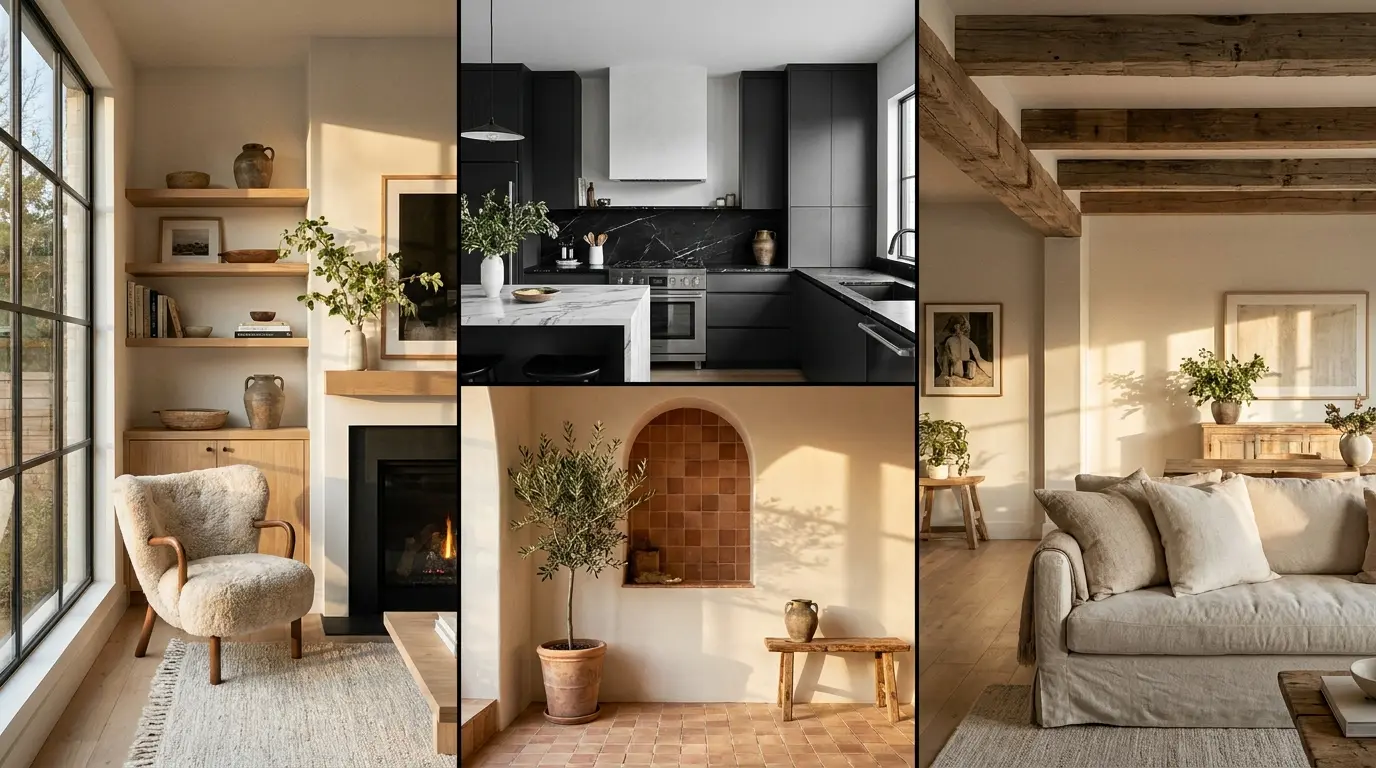

The best interior design style is not simply about trends, colors, or perfectly arranged furniture—it is about how a space makes you feel the moment you step inside. A truly successful interior is one that reflects your personality, supports your lifestyle, and creates a sense of comfort, calm, or inspiration every single time you walk through the door.
Whether it is a cozy Scandinavian-inspired bedroom, a bold monochrome kitchen, or a warm Mediterranean living space filled with sunlight and texture, the right interior design style transforms a house into a home that feels uniquely yours. It is the emotional connection to your space—the feeling of belonging, relaxation, and joy—that ultimately defines great design, far more than any rule, trend, or aesthetic standard ever could.
Table of Contents
Let’s be real — scrolling through Pinterest at midnight looking for “home inspo” and ending up with 47 saved boards and zero actionable ideas is basically a modern rite of passage. We’ve all been there. The good news? You don’t need a design degree or a celebrity budget to create a home that looks like it belongs in an interiors magazine. You just need to know your style.
In this guide, we’re breaking down 7 of the most influential interior design styles taking over homes and mood boards in 2026 — from cozy modern farmhouse vibes to sleek minimalist kitchens that make meal prep feel almost meditative. Whether you’re decorating a tiny apartment or a sprawling family home, there’s something here for you.
Modern Farmhouse vs. Rustic Interior Style — What’s the Difference?
Okay, this one trips people up all the time. Farmhouse vs Rustic Interior Style is a comparison that confuses many people because both aesthetics feel closely related — they’re like cousins who share the same grandparents (think: wood, warmth, and that “lived-in” charm) but grew up very differently.
Modern farmhouse is rustic’s well-traveled sibling who discovered shiplap on HGTV and never looked back. It blends clean lines, white walls, and functional simplicity with natural textures like reclaimed wood and linen. Think barn doors, subway tile, and those iconic black metal fixtures. It’s cozy but crisp — farmhouse without the dust.
Rustic interior design style, on the other hand, leans all the way into the rough-hewn, imperfect beauty of natural materials. Raw wood beams, stone fireplaces, leather sofas, wrought iron — it feels like a mountain cabin in the absolute best way.
🏡 Modern Farmhouse: White + wood + black metal accents. Shiplap, apron sinks, open shelving.
🪵 Rustic: Raw textures, earthy tones, stone walls, antler decor (optional, but iconic).
✅ Both styles work beautifully with vintage finds from thrift stores — your wallet will thank you.
Minimalist Kitchen Ideas for Luxury Homes
Here’s the thing about minimalist kitchen design: it’s not about having less — it’s about having exactly what matters. And in a luxury context? That distinction is everything.
A truly luxurious minimalist kitchen in 2026 is characterized by integrated appliances that virtually disappear into cabinetry, handleless drawers, and surfaces so clean you’d feel guilty chopping garlic on them. We’re talking waterfall quartz islands, matte-finish cabinets in tones like warm putty or deep charcoal, and statement pendant lighting that’s the sole piece of drama in the room.
The trick is intentional negative space. Every element earns its place. That one sculptural fruit bowl? It’s not clutter — it’s art. This approach to interior design also happens to be incredibly practical for small homes where keeping surfaces clear is sanity, not just style.
- ✨Invest in handle-free cabinetry — the instant upgrade that reads “designer” immediately.
- 🪨Choose one material to repeat: same stone on countertops, backsplash, and island for cohesion.
- 💡Under-cabinet LED strip lighting does double duty: mood + task lighting in one move.
“Good design isn’t about filling space — it’s about knowing what to leave out. The best rooms breathe.”
Scandinavian Bedroom Design: Your Complete Guide to Hygge Living
If you’ve ever wanted your bedroom to feel like a hug you never have to leave — Scandinavian interior design style is your answer. Rooted in the Nordic concept of hygge (that delicious feeling of coziness and contentment), Scandi bedrooms are calm, uncluttered, and genuinely restful.
The palette is soft and nature-inspired: whites, warm grays, dusty blues, and muted greens. Furniture is low-profile, functional, and usually crafted from light natural wood like pine or ash. Linen bedding, chunky knit throws, and a bedside candle or two — that’s the formula. Simple, right?
What makes Scandinavian bedroom design special is the balance between warmth and simplicity. It avoids sterile minimalism by layering textures: a sheepskin rug here, a woven wall hanging there. The result is a space that feels curated without feeling cold.
- 🕯️Layer lighting: overhead, Scandinavian bedside locker, and a few candles. Scandi bedrooms are NOT fluorescent-friendly.
- 🌿Add a single potted plant (a fiddle-leaf or rubber tree) for that obligatory Nordic greenery nod.
- 🛏️Invest in linen bedding — it’s breathable, wrinkles beautifully, and looks impossibly chic.
Mediterranean Interior Style: Sun, Tiles, and Pure Warmth
Mediterranean interior design is for people who want their home to feel like an extended vacation — and honestly, same. This style draws from the coastal regions of Spain, Greece, Italy, and Morocco to create spaces that are warm, layered, and alive with color and texture.
Think terracotta floor tiles, whitewashed walls with arched doorways, mosaic accents, and wrought iron details. Fabrics run toward rich jewel tones — deep blues, saffron yellows, burnt oranges — often in linen, cotton, or traditional embroidery. Natural materials reign supreme: clay, stone, rattan, hand-thrown ceramics.
What’s great about Mediterranean interior design style for 2026 is how easily it absorbs global influences. Moroccan lanterns next to Greek blue shutters next to Italian terracotta? It works. The key is warmth — this aesthetic is sun-drenched by design, and it translates beautifully to both coastal and urban homes.
- 🏺A cluster of hand-thrown ceramic vases in earthy tones is the fastest Mediterranean upgrade you can make.
- 🔵Deep Santorini blue on an accent wall or exterior door instantly sets the tone.
- 🌅Let natural light dominate — sheer curtains, not blackouts. The whole style is about sunshine.
Monochrome Kitchen Design Trends 2026: Bold, Cohesive, Unforgettable
Monochrome kitchens are having a serious moment in 2026 — and no, this doesn’t mean you have to go all-black everything (unless you want to, in which case: respect). The monochrome trend is about building a kitchen around one dominant color family and riding it from floor to ceiling.
We’re seeing everything from all-white kitchens with tonal variation (cream cabinetry, off-white walls, ivory stone counters) to bolder monochromes in forest green, navy, or warm terracotta. The magic is in the layering of shades, finishes, and textures within that single color story. Matte versus gloss cabinets. Honed versus polished stone. The room has depth and drama without the chaos of contrasting colors.
For 2026 specifically, warm-toned monochromes — sandy beiges, warm taupes, and tobacco browns — are the design world’s darling. They photograph beautifully, age gracefully, and pair well with natural wood accents without veering into generic territory.
- 🎨Pull 3–4 shades from the same color family: a light, a mid, and a deep tone for layering.
- 🔲Mix finishes (matte + satin + gloss) to add dimension without breaking the mono scheme.
- 🪴One element in a contrasting natural tone — wood, brass, or greenery — gives the eye somewhere to rest.
Elegant Reading Nook Ideas for Cozy, Book-Lover Homes
A reading nook might be the single most satisfying thing you can add to a home. It doesn’t need to be elaborate — sometimes it’s literally just a window, a cushion, and good lighting — but it signals something important: this is a home where rest is intentional.
For an elegant reading nook that feels purposeful rather than improvised, start with a dedicated corner or alcove. Built-in bookshelves framing a window seat are the classic move, and for good reason — they’re beautiful, functional, and add significant perceived value to a home. Layer a cushioned bench with pillows in a mix of textures (velvet, linen, a bit of embroidery), add a floor lamp with a warm-toned bulb, and you’re 80% there.
The secret ingredient? A small side table. Not negotiable. Where else are you putting your tea?
- 📚Bay windows, under-stair alcoves, and corner walls are all prime reading nook real estate.
- 💛Warm bulbs only (2700K–3000K). Cool lighting in a reading nook is a crime against coziness.
- 🪑Curtains around the nook create a sense of enclosure — which is surprisingly essential for the cozy feeling.
Interior Design Mistakes to Avoid in Small Homes
Small home design is where the well-intentioned decisions go to die. We’ve all seen it — the rug that’s too small, the curtains hung too low, the furniture that’s too big. These interior design mistakes don’t just look off; they actively shrink the perceived space, which is the last thing a small home needs.
The most common small-space interior design sin? Pushing all the furniture against the walls. It feels logical — more floor space, right? — but it actually makes rooms feel smaller and disconnected. Pulling sofas slightly away from walls and creating a defined conversation zone makes the space feel intentional and larger.
Other classics to dodge: mismatched furniture scales, one massive overhead light as the sole source of illumination, and the infamous too-small area rug (the rug should be large enough that all furniture legs at least touch it). Good small home design is about working with the space, not against it.
- 🚫Never hang curtains at window height — always mount them near the ceiling to elongate walls.
- 🪞Mirrors opposite windows double perceived light and space. Not a trick — actual magic.
- 📐Multifunctional furniture (storage ottomans, sofa beds, nesting tables) is your best friend.
- 🖼️Vertical artwork draws the eye upward, making ceilings feel higher.
So, Which Style Is Your Home?
Here’s the honest truth about interior design style: the most beautiful homes usually borrow from more than one. A Scandinavian bedroom with a Mediterranean-inspired reading nook and a monochrome minimalist kitchen? That’s not confused — that’s called having taste.
The point isn’t to pick an interior design style and follow it like a rulebook. It’s to understand what resonates with you — what makes you feel calm, or energized, or just genuinely happy to be home — and then use these frameworks as a launchpad, not a cage.
Start with one room. Make one intentional change. And resist the urge to redo everything in a single weekend. Good design is patient — and trust us, your future self (and your walls) will thank you.
General Design Tips & Ideas
Avoid costly mistakes with Interior Design Mistakes to Avoid, then browse 100 Interior Design Ideas That Look Expensive for visual inspiration. Get practical advice from Interior Design Tips and Home Decor Ideas to Transform Every Room. Understand the why behind beautiful spaces with Why Home Decor & Aesthetics Matter. For more decor inspiration, explore our full Home Decor collection.
FAQ: Interior Design Styles
What is an interior design style?
An interior design style is a cohesive visual approach that defines how a space looks and feels through color, furniture, textures, and layout.
How do I choose the right interior design style for my home?
Choose a style based on your lifestyle, space size, natural lighting, and personal comfort preferences rather than trends alone.
Can I mix different interior design styles?
Yes, blending styles like Scandinavian, modern farmhouse, and minimalist design can create a personalized and balanced home aesthetic.
What is the most popular interior design style in 2026?
Minimalist, Scandinavian, and monochrome interiors are among the top trends, often combined with warm natural textures.
What is the difference between modern and rustic interior design?
Modern design focuses on clean lines and simplicity, while rustic design emphasizes raw, natural materials and cozy textures.
How can I make a small home look bigger using interior design style?
Use light colors, mirrors, vertical decor, multifunctional furniture, and avoid overcrowding to maximize visual space.
Which interior design style is best for a cozy home?
Scandinavian and modern farmhouse styles are ideal for creating warm, cozy, and inviting living spaces with layered textures and soft lighting.
