
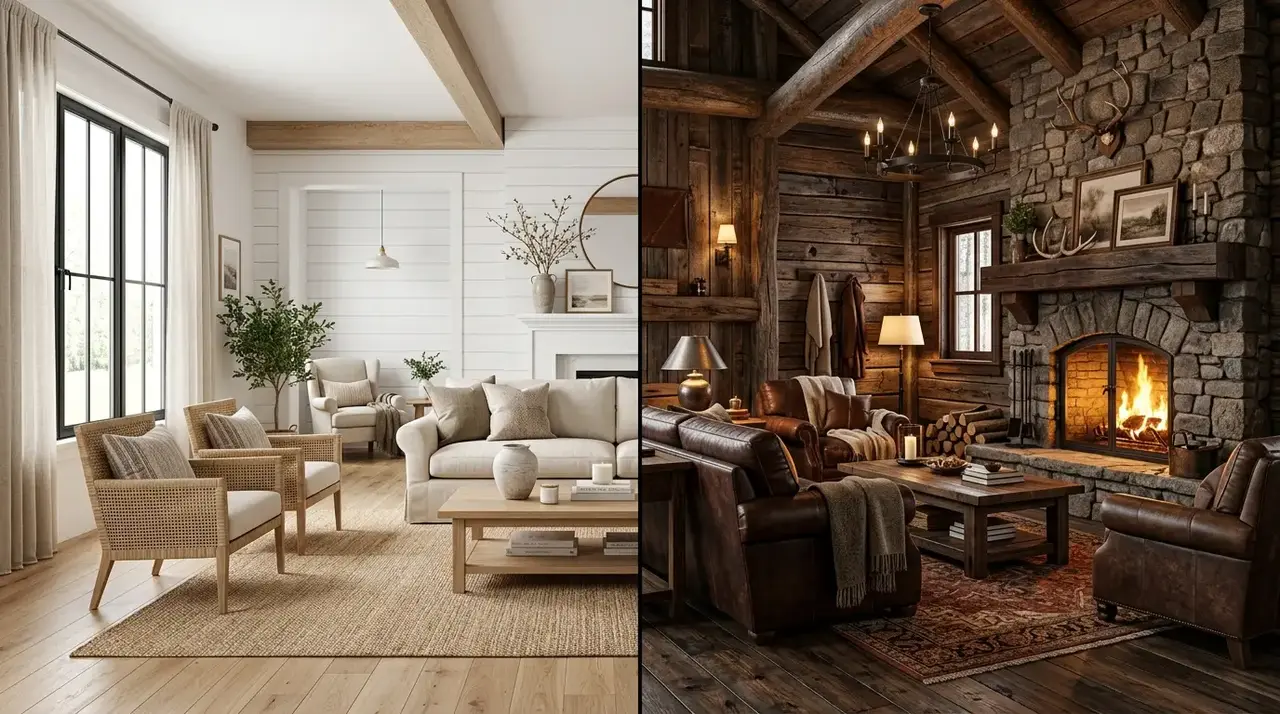

When designing a warm and inviting home, two styles consistently capture attention: farmhouse vs rustic interior design. While these aesthetics share a love for natural materials, cozy atmospheres, and timeless charm, they are not the same. Understanding the differences between farmhouse vs rustic style can help homeowners create spaces that reflect their personality while maintaining a cohesive and beautiful design.
In this comprehensive guide, we explore the defining characteristics, furniture choices, color palettes, materials, décor elements, and practical applications of both styles to help you decide which one is best for your home.
Table of Contents
What Is Farmhouse Interior Style?
Farmhouse style is inspired by traditional country homes and agricultural living but has evolved into a sophisticated and highly functional design aesthetic. Modern farmhouse interiors blend classic rural charm with contemporary simplicity, creating spaces that feel both comfortable and refined.
The farmhouse look emphasizes:
- Bright and airy rooms
- Neutral color palettes
- Functional furniture
- Vintage-inspired accents
- Natural textures
- Clean architectural details
Farmhouse interiors often feature white walls, exposed beams, shiplap paneling, and large windows that maximize natural light. The overall goal is to create a home that feels welcoming, organized, and effortlessly stylish.
Key Characteristics of Farmhouse Design
Neutral Colors
Farmhouse interiors rely heavily on soft colors such as:
- White
- Cream
- Beige
- Soft gray
- Light taupe
These colors create a fresh and open feeling while allowing natural textures to become focal points.
Practical Furniture
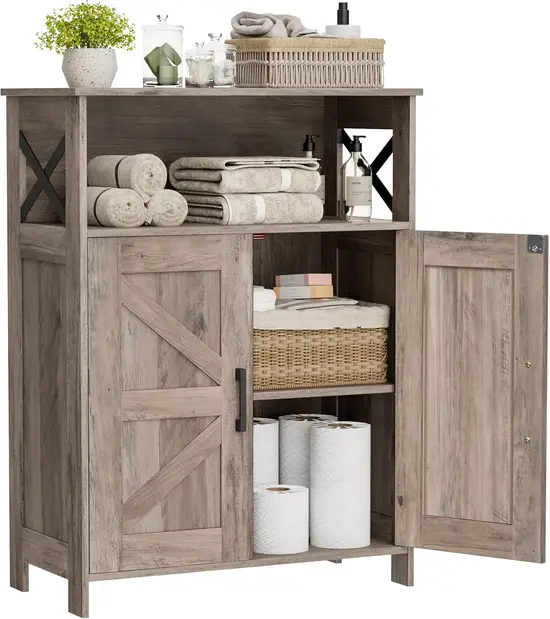
Farmhouse furniture prioritizes comfort and functionality. Pieces often feature:
- Clean lines
- Painted wood finishes
- Slipcovered seating
- Distressed details
- Large dining tables
Every item serves a purpose while contributing to the overall aesthetic.
Natural Materials
Wood, linen, cotton, stone, and metal are commonly used throughout farmhouse spaces. These materials add warmth without overwhelming the room.
Vintage-Inspired Decor
Farmhouse style incorporates antique or antique-inspired accessories such as:
- Galvanized metal containers
- Vintage clocks
- Mason jars
- Woven baskets
- Old-fashioned lighting fixtures
The result is a curated space that feels collected over time.
What Is Rustic Interior Style?
Rustic interior design embraces the raw beauty of nature. Rooted in mountain lodges, cabins, and countryside retreats, rustic style celebrates rugged textures, handcrafted elements, and organic materials.
Unlike farmhouse design, which often feels polished and bright, rustic interiors prioritize authenticity and a strong connection to the outdoors.
Rustic spaces typically feature:
- Heavy wood furniture
- Natural stone
- Earthy colors
- Exposed structural elements
- Handcrafted décor
The atmosphere is warm, grounded, and deeply connected to nature.
Key Characteristics of Rustic Design
Earth-Toned Color Palettes
Rustic interiors often use colors inspired by natural landscapes, including:
- Deep brown
- Forest green
- Rust orange
- Charcoal gray
- Warm tan
These shades create a rich and cozy environment.
Raw and Reclaimed Materials
One of the hallmarks of rustic style is the use of materials in their most natural state.
Common materials include:
- Reclaimed wood
- Rough-hewn beams
- Natural stone
- Leather
- Iron
Imperfections are celebrated rather than hidden.
Substantial Furniture
Rustic furniture tends to be larger and heavier than farmhouse furniture. Pieces often showcase:
- Thick wood slabs
- Visible grain patterns
- Handcrafted construction
- Solid wood frames
The furniture becomes a major visual element within the room.
Nature-Inspired Decor
Rustic décor reflects the surrounding environment through elements such as:
- Antlers
- Wooden sculptures
- Stone fireplaces
- Handmade pottery
- Wool textiles
These details strengthen the connection between indoor and outdoor living.
Farmhouse vs Rustic: The Main Differences
Although farmhouse and rustic styles share certain similarities, several important distinctions set them apart.
Color Scheme
Farmhouse Colors
Farmhouse interiors favor light and neutral shades that make spaces feel open and fresh.
Examples include:
- White walls
- Soft gray cabinetry
- Beige textiles
- Light wood finishes
Rustic Colors
Rustic interiors embrace deeper, earthier tones that create a cozy and dramatic atmosphere.
Examples include:
- Dark stained wood
- Rich brown leather
- Forest green accents
- Stone gray features
Winner for Bright Spaces: Farmhouse
Winner for Cozy Retreats: Rustic
Furniture Style
Farmhouse Furniture
Farmhouse furniture is comfortable, functional, and relatively refined. Pieces often combine traditional craftsmanship with modern simplicity.
Rustic Furniture
Rustic furniture emphasizes rugged durability and natural beauty. Heavy wood construction and handcrafted details are common.
Farmhouse feels lighter and more polished, while rustic feels stronger and more organic.
Materials and Finishes
Farmhouse Materials
Farmhouse interiors frequently use:
- Painted wood
- Linen
- Cotton
- Light oak
- Matte metal finishes
Rustic Materials
Rustic interiors focus on:
- Reclaimed timber
- Natural stone
- Leather
- Iron
- Rough wood surfaces
The finish quality is often intentionally imperfect.
Overall Atmosphere
Farmhouse Mood
Farmhouse spaces feel:
- Bright
- Airy
- Inviting
- Organized
- Relaxed
Rustic Mood
Rustic spaces feel:
- Warm
- Grounded
- Dramatic
- Cozy
- Nature-focused
The emotional experience differs significantly despite some overlapping design elements.
Farmhouse vs Rustic Kitchens
The kitchen is often where the distinction between these design styles becomes most apparent.
Farmhouse Kitchen Features
A farmhouse kitchen may include:
- White cabinetry
- Apron-front sinks
- Subway tile backsplashes
- Open shelving
- Butcher block countertops
The design feels fresh and functional.
Rustic Kitchen Features
A rustic kitchen often includes:
- Dark wood cabinets
- Exposed beams
- Stone accents
- Copper fixtures
- Natural wood countertops
The overall appearance feels earthy and substantial.
Farmhouse vs Rustic Living Rooms
Living rooms provide another excellent comparison.
Farmhouse Living Room
Common features include:
- White walls
- Neutral upholstery
- Layered textiles
- Vintage accessories
- Coffee tables with distressed finishes
The space feels relaxed and family-friendly.
Rustic Living Room
Rustic living rooms typically feature:
- Stone fireplaces
- Leather seating
- Exposed timber beams
- Wool rugs
- Heavy wooden furniture
These rooms feel like luxurious mountain retreats.
Can You Combine Farmhouse and Rustic Styles?
Absolutely. Many of today’s most attractive interiors successfully blend farmhouse and rustic elements.
A balanced approach might include:
- Farmhouse-inspired white walls
- Rustic reclaimed wood beams
- Farmhouse slipcovered sofas
- Rustic stone fireplaces
- Neutral textiles with natural textures
This combination creates a space that feels bright yet grounded, elegant yet comfortable.
Tips for Mixing Farmhouse and Rustic Design
Start With a Neutral Foundation
Use farmhouse-inspired neutral walls and flooring as your base.
Add Rustic Statement Pieces
Introduce rustic elements such as:
- Reclaimed wood dining tables
- Stone accent walls
- Heavy wooden beams
Layer Natural Textures
Mix linen, cotton, leather, wool, and wood to add visual interest.
Maintain Consistency
Choose a dominant style and use the secondary style as an accent to avoid visual clutter.
Farmhouse vs Rustic Which Style Is Right for Your Home?
Choose farmhouse style if you prefer:
- Bright interiors
- Light color palettes
- Clean design
- Functional furniture
- Modern country charm
Choose rustic style if you prefer:
- Rich natural textures
- Darker colors
- Organic materials
- Cabin-inspired warmth
- Strong architectural character
For many homeowners, a hybrid approach delivers the best of both worlds by combining farmhouse brightness with rustic authenticity.
Farmhouse vs Rustic Final Thoughts
The debate between farmhouse vs rustic interior style ultimately comes down to atmosphere and personal preference. Farmhouse design offers a lighter, cleaner, and more refined interpretation of country living, while rustic design embraces nature through rugged materials, earthy colors, and handcrafted details.
Both styles celebrate comfort, authenticity, and timeless appeal. Whether you choose the bright simplicity of farmhouse interiors or the rugged warmth of rustic spaces, incorporating natural materials and thoughtful design elements will help create a home that feels inviting, beautiful, and enduring for years to come.
Style Guides
For nature-inspired design, see Modern Organic Interior Design. Explore regional warmth with Mediterranean Home Decor and Mediterranean Style Home Interior Designs. For farmhouse specifics, see What Is a Modern Farmhouse Style?. Discover Spanish Mediterranean Homes, Modern French Country Decor, and Retro Home Decor. For Nordic minimalism, see Scandinavian Furniture. For more decor inspiration, explore our full Home Decor collection.
