

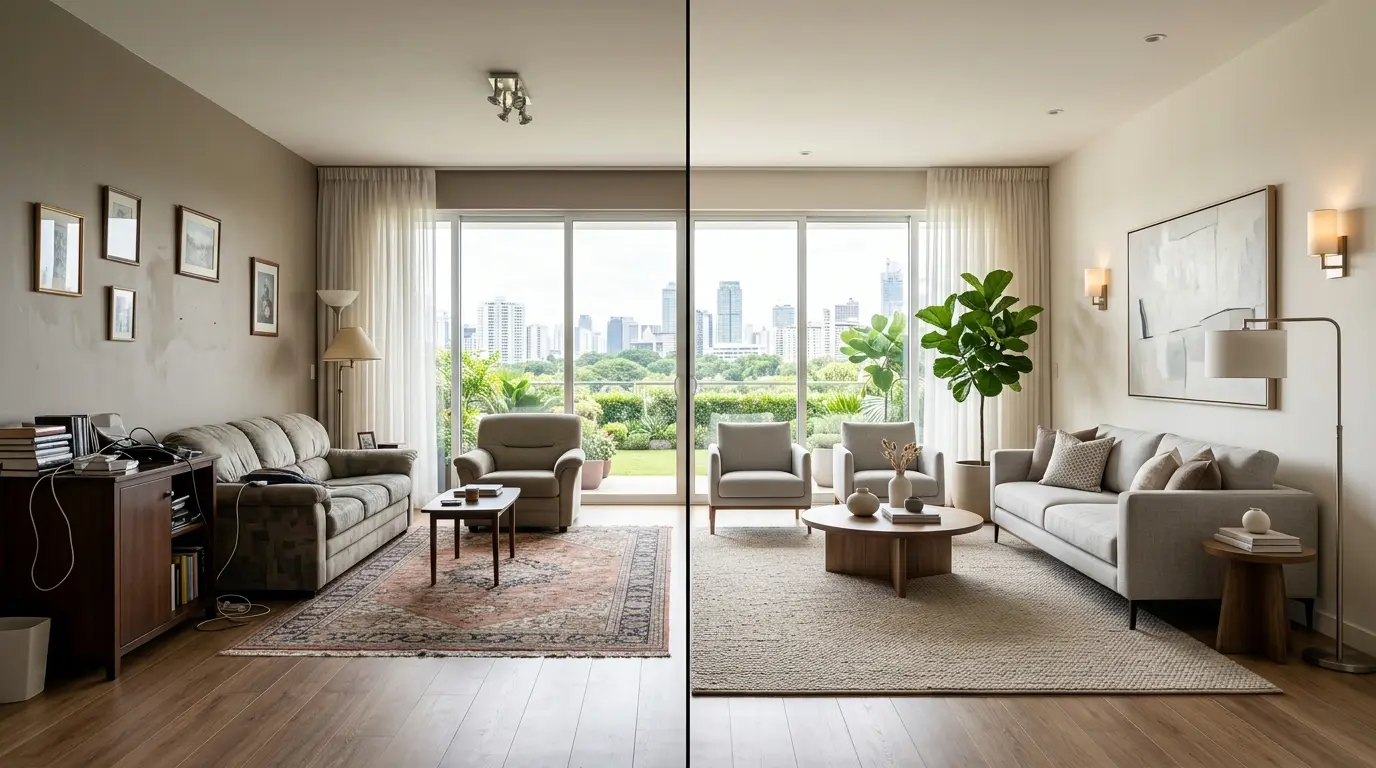

Creating a beautiful home involves more than purchasing expensive furniture or following the latest decorating trends. The most successful interiors are thoughtfully designed spaces that balance functionality, comfort, aesthetics, and personality. Unfortunately, even well-intentioned decorating projects can be undermined by common interior design mistakes that affect the overall appearance and usability of a room.
In this comprehensive guide, we explore the most common interior design mistakes to avoid and provide practical solutions that help transform any space into an elegant, cohesive, and inviting home.
Table of Contents
Why Avoiding Interior Design Mistakes Matters
Every interior design choice contributes to how a room feels and functions. Small errors often accumulate, making even expensive interiors appear unfinished or cluttered. By recognizing these mistakes before decorating, we create spaces that are visually balanced, highly functional, and built to stand the test of time.
1. Choosing Paint Colors Before Furniture
One of the biggest decorating mistakes is selecting paint before choosing furniture, rugs, curtains, and décor.
Paint comes in thousands of shades, making it much easier to match wall colors after selecting the major design elements.
Better Approach
- Choose sofas, chairs, rugs, and textiles first.
- Select a complementary wall color afterward.
- Test paint samples in natural and artificial lighting before committing.
This process ensures every element works together harmoniously.
2. Buying Furniture That’s Too Large or Too Small
Improper furniture scale immediately disrupts the balance of a room.
Oversized furniture overwhelms smaller spaces, while undersized pieces make larger rooms feel empty and disconnected.
How to Get the Scale Right
- Measure the room carefully.
- Map furniture placement before purchasing.
- Leave comfortable walking paths.
- Consider ceiling height along with floor dimensions.
Well-proportioned furniture creates visual harmony and improves functionality.
3. Ignoring Proper Lighting
Lighting dramatically influences mood, comfort, and perceived room size.
Many homeowners rely on a single ceiling fixture, resulting in flat, uninviting interiors.
Layer Lighting Effectively
Every room should combine:
- Ambient lighting
- Task lighting
- Accent lighting
Examples include:
- Ceiling fixtures
- Floor lamps
- Table lamps
- Wall sconces
- Under-cabinet lighting
- Pendant lights
Layered lighting creates depth while allowing different moods throughout the day.
4. Hanging Artwork Too High
Artwork placed too high disconnects from the furniture below and creates awkward empty walls.
Professional designers generally position artwork so its center sits approximately at eye level.
Best Practices
- Hang artwork around 57–60 inches from the floor to the center.
- Position art 6–10 inches above sofas or consoles.
- Group smaller pieces into cohesive gallery walls.
Correct placement instantly elevates any interior.
5. Using Rugs That Are Too Small
Tiny rugs are among the most common decorating errors.
A small rug makes furniture appear disconnected and shrinks the room visually.
Choose the Right Rug Size
Living room:
- Front legs of sofas and chairs should rest on the rug.
- Larger rooms benefit from rugs accommodating all furniture.
Dining room:
- Chairs should remain on the rug even when pulled out.
Bedroom:
- Rugs should extend beyond the bed on both sides.
Properly sized rugs anchor furniture beautifully.
6. Pushing All Furniture Against the Walls
Many believe placing furniture against walls creates more space.
In reality, this often produces an empty center while making conversations feel disconnected.
Better Furniture Arrangement
Float furniture inward whenever possible.
Create conversation zones using:
- Sofas
- Accent chairs
- Coffee tables
- Side tables
Even moving furniture a few inches away from walls creates a more sophisticated appearance.
7. Following Every Trend
Trends change rapidly.
Designing an entire home around temporary styles often leads to expensive updates within a few years.
Build a Timeless Foundation
Invest in:
- Neutral furniture
- Quality flooring
- Classic cabinetry
- Durable materials
Introduce trends through:
- Throw pillows
- Artwork
- Decorative accessories
- Seasonal décor
This approach keeps interiors current without requiring major renovations.
8. Neglecting Storage Solutions
Beautiful rooms quickly become cluttered without adequate storage.
Visible clutter reduces relaxation and makes interiors feel chaotic.
Smart Storage Ideas
Consider:
- Built-in cabinetry
- Floating shelves
- Storage ottomans
- Multi-functional furniture
- Decorative baskets
- Under-bed storage
Hidden storage keeps everyday items organized while maintaining visual appeal.
9. Overcrowding the Space
Adding too many decorative items overwhelms a room.
Every piece should contribute either function or beauty.
Edit Your Décor
Leave breathing room between furnishings.
Avoid filling every surface with accessories.
Instead, display carefully selected collections that reflect your personality.
Less clutter often creates greater visual impact.
10. Forgetting About Negative Space
Negative space is the empty area surrounding furniture and décor.
Without it, interiors feel cramped.
Professional designers intentionally leave portions of walls, shelves, and floors open to create visual balance.
11. Mixing Too Many Design Styles
Eclectic design works only when carefully curated.
Combining unrelated styles without consistency creates confusion.
Create Cohesion
Choose one dominant style such as:
- Modern
- Contemporary
- Scandinavian
- Traditional
- Farmhouse
- Industrial
- Mid-century modern
Then introduce complementary influences through accessories.
Consistency creates elegance.
12. Ignoring Window Treatments
Bare windows often make rooms feel incomplete.
Poorly sized curtains have the same effect.
Curtain Guidelines
- Install rods higher than the window frame.
- Extend rods beyond window edges.
- Allow curtains to lightly touch the floor.
These simple adjustments make ceilings appear taller and windows larger.
13. Choosing Style Over Comfort
Beautiful furniture that is uncomfortable quickly becomes impractical.
A home should invite relaxation as well as admiration.
Whenever possible:
- Test seating before buying.
- Select durable upholstery.
- Prioritize ergonomic support.
- Balance appearance with everyday usability.
14. Using Too Many Matching Furniture Sets
Purchasing an entire matching showroom set often results in a generic appearance.
Instead, combine complementary pieces.
Mix:
- Wood finishes
- Textures
- Fabrics
- Metals
- Shapes
This layered approach creates a professionally designed look.
15. Ignoring Texture
Texture prevents neutral interiors from appearing flat.
Even monochromatic spaces become interesting when multiple materials are introduced.
Examples include:
- Linen
- Velvet
- Leather
- Wood
- Stone
- Marble
- Glass
- Woven baskets
- Natural fibers
Texture adds richness without overwhelming the design.
16. Poor Traffic Flow
Furniture placement should never obstruct movement.
Walkways should remain clear throughout the home.
Aim for comfortable spacing between furniture to ensure every room feels welcoming and functional.
17. Skipping Personal Touches
Homes should reflect the people living in them.
Generic décor lacks warmth and individuality.
Include meaningful elements such as:
- Family photographs
- Travel souvenirs
- Handmade artwork
- Books
- Vintage finds
- Heirlooms
Personal touches create authenticity while making interiors memorable.
18. Ignoring Ceiling Design
Often called the “fifth wall,” the ceiling contributes significantly to a room’s character.
Enhance ceilings using:
- Decorative molding
- Beams
- Statement lighting
- Paint
- Wallpaper
Thoughtful ceiling treatments add architectural interest.
19. Failing to Create a Focal Point
Every room benefits from a visual centerpiece.
Potential focal points include:
- Fireplaces
- Large artwork
- Statement lighting
- Feature walls
- Beautiful windows
- Built-in shelving
Arrange furniture to emphasize the room’s natural focal point.
20. Decorating Without a Plan
Impulse purchases frequently lead to mismatched interiors.
Professional-looking homes begin with a clear vision.
Before decorating:
- Establish a color palette.
- Define your design style.
- Set a realistic budget.
- Measure every room.
- Create a furniture layout.
- Develop a long-term decorating plan.
Planning minimizes costly mistakes and ensures every purchase supports the overall design.
Professional Interior Design Tips for Long-Term Success
To achieve a polished home that remains stylish for years:
- Invest in high-quality foundational furniture.
- Mix textures for visual richness.
- Layer lighting throughout every room.
- Incorporate natural materials whenever possible.
- Use color intentionally.
- Prioritize comfort alongside beauty.
- Leave space for future updates.
- Keep décor curated rather than excessive.
These timeless principles consistently produce sophisticated interiors regardless of changing trends.
Final Thoughts
Avoiding common interior design mistakes is often more impactful than purchasing expensive furniture or following every new trend. A thoughtfully planned interior combines proportion, lighting, texture, functionality, organization, and personal style to create spaces that feel welcoming every day.
By focusing on proper furniture scale, layered lighting, cohesive color palettes, smart storage, balanced layouts, and meaningful décor, we build homes that are both visually stunning and highly practical. Whether redesigning a single room or an entire house, these proven design strategies help create interiors that remain elegant, comfortable, and timeless for years to come.
General Design Tips & Ideas
Get practical advice from Interior Design Tips and Home Decor Ideas to Transform Every Room. For more decor inspiration, explore our full Home Decor collection.