
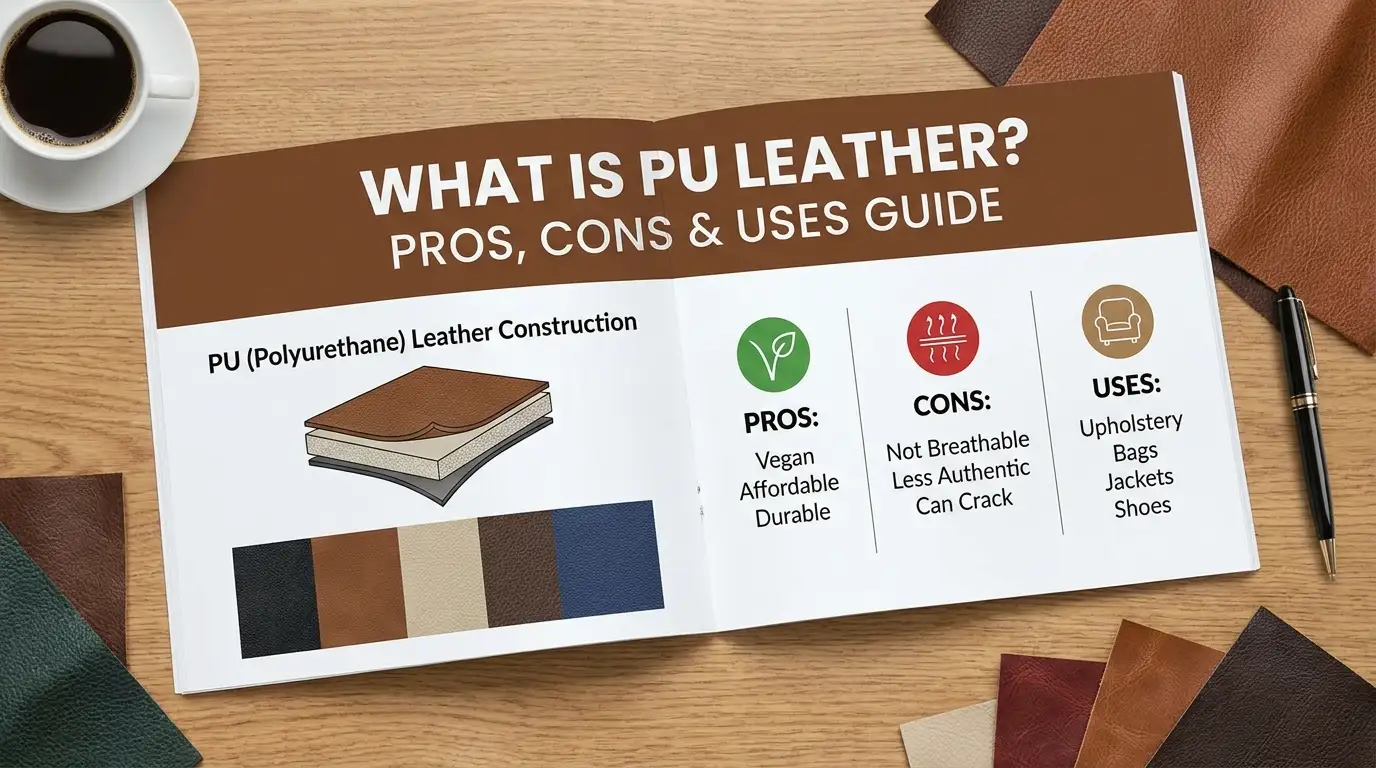

PU leather has become one of the most popular alternatives to traditional leather, especially in furniture, fashion, and office chairs. It offers a similar look at a lower price—but how good is it really?
This guide explains what PU leather is, how it’s made, its advantages and drawbacks, and whether it’s the right choice for your needs.
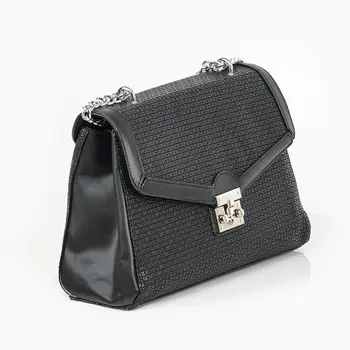
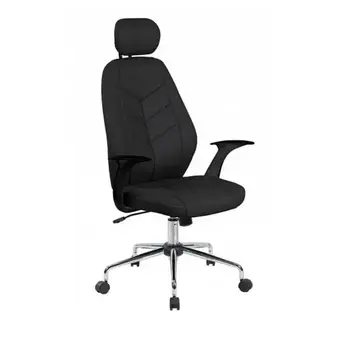
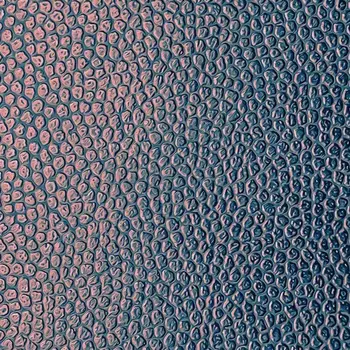
Table of Contents
What Is PU Leather?
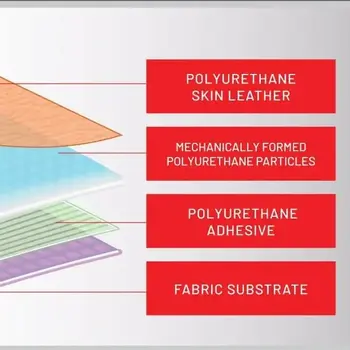
PU leather (short for polyurethane leather) is a synthetic material designed to replicate the appearance and texture of real leather. Instead of animal hide, it uses a fabric base—typically polyester or cotton—coated with a layer of polyurethane.
In simple terms:
Synthetic leather looks like leather, feels similar, but is entirely man-made.
Key characteristics:
- Smooth or textured surface
- Water-resistant and easy to clean
- Lightweight compared to genuine leather
- Vegan-friendly
How PU Leather Is Made

The production process of Synthetic leather is designed to transform ordinary fabric into a material that closely resembles real leather in both appearance and texture.
This is achieved through a controlled layering and finishing system that combines textile engineering with synthetic chemistry.
1. Base Layer Preparation
The process begins with the preparation of a strong fabric foundation, usually made from polyester, cotton, or a blended textile base.
Before any coating is applied, the fabric undergoes cleaning and surface treatment to remove dust, oils, or impurities. This step is crucial because any contamination can weaken the bond between the fabric and polyurethane layer.
In some cases, the base fabric is also treated with special bonding agents to improve adhesion and long-term durability. This ensures the final material does not easily separate or peel during use.
2. Polyurethane Coating
Once the base is ready, a liquid polyurethane (PU) layer is applied evenly across the fabric surface. This coating is the key element that gives faux leather its leather-like appearance.
After application, the material is processed through embossing rollers that imprint a natural leather grain pattern, making it visually similar to animal hide.
At this stage:
- Thickness can be adjusted for softness or firmness
- Texture can be customized (smooth, matte, or grainy)
- Color pigments are often blended into the coating
This flexibility is one of the reasons faux leather is widely used in furniture, fashion, and automotive interiors.
3. Finishing Process
The final stage focuses on enhancing durability and performance. The coated material undergoes multiple finishing treatments designed to improve its lifespan and resistance.
Key finishing treatments include:
- Color dyeing: Enhances visual appeal and consistency
- UV protection coating: Helps reduce fading from sunlight exposure
- Flexibility treatment: Prevents stiffness and improves comfort
- Surface sealing: Adds resistance against moisture and minor scratches
After these steps, the material is tested for quality, including checks for elasticity, color uniformity, and surface strength before being approved for commercial use.
PU Leather Pros and Cons
Synthetic leather is widely used because it balances affordability, design flexibility, and ethical considerations. However, like any material, it has both strengths and limitations.
Advantages
Affordable Alternative
PU leather is significantly cheaper than genuine leather, making it ideal for budget-friendly furniture, fashion items, and accessories.
Easy to Clean and Maintain
Its non-porous surface allows quick cleaning with a damp cloth, without the need for special conditioners or treatments.
Consistent Appearance
Unlike natural leather, PU leather has a uniform texture and color, which gives products a modern and clean aesthetic.
Wide Variety of Designs
It can be manufactured in many colors, finishes, and textures, including matte, glossy, suede-like, or embossed styles.
Animal-Free Material
Artificial leather is a popular choice for vegan and cruelty-free products since it does not involve animal hides.
Disadvantages
Shorter Lifespan
Synthetic leather typically lasts between 2 to 5 years, depending on usage and quality, which is significantly less than genuine leather.
Limited Breathability
Because it is made with a synthetic coating, Faux leather does not allow air to pass through easily, which can make it less comfortable in hot climates.
Risk of Peeling or Cracking
Over time, exposure to heat, humidity, or friction can cause the surface layer to peel or crack, especially in lower-quality products.
PU Leather vs Genuine Leather
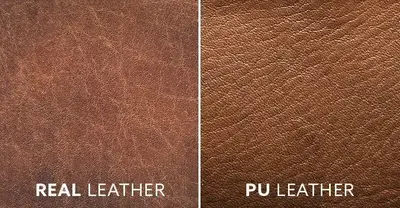
| Feature | Artificial leather | Genuine Leather |
|---|---|---|
| Material | Synthetic | Animal hide |
| Price | Affordable | Expensive |
| Durability | 2–5 years | 10–20+ years |
| Maintenance | Low | High |
| Appearance | Uniform | Natural patina |

👉 Choose Faux leather for budget and convenience
👉 Choose real leather for longevity and premium feel
Common Uses of PU Leather
PU leather is used in many industries:
- Furniture: office chairs, sofas
- Fashion: jackets, bags, shoes
- Automotive: seats, dashboards
- Accessories: wallets, phone cases
How to Care for PU Leather
Cleaning Tips
- Use a soft cloth regularly
- Clean with mild soap and water
- Avoid harsh chemicals
Protection Tips
- Keep away from sunlight
- Avoid heat exposure
- Prevent moisture buildup
Maintenance Tips
- Store in a dry place
- Avoid overloading items
- Repair small damage early
Best Use Case: Office Chairs
Artificial leather is especially popular in office chairs because it offers:
- Easy cleaning
- Professional look
- Good comfort for daily use
High-quality PU finishes can also improve resistance to wear and scratches.
Final Thoughts
Faux leather offers a strong balance between affordability, appearance, and practicality. While it doesn’t last as long as genuine leather, it works well for everyday products—especially where maintenance and cost matter most.
Tailoring & Materials
Before altering, know the baseline: How Much Does a Bespoke Suit Cost in 2026? reveals real pricing, and Suit Alterations Cost 2026 breaks down tailoring fees. For luxury fabric, explore our complete Alcantara Fabric: Complete Guide and What Is Alcantara Material? for care and benefits. For more style inspiration, explore our full Fashion & Style collection.
FAQ
What is PU leather made of?
PU leather is made from a fabric base coated with polyurethane to mimic the look and feel of genuine leather.
Is PU leather better than real leather?
PU leather is more affordable and easier to maintain, while genuine leather offers greater durability and a premium feel.
How long does PU leather last?
Most faux leather products last between 2 to 5 years depending on quality, usage, and maintenance.
Does synthetic leather crack or peel?
Yes, lower-quality synthetic leather may peel or crack over time, especially with heat, sunlight, or heavy use.
Is PU leather waterproof?
PU leather is water-resistant but not fully waterproof. Excess moisture can still damage the material over time.
How do you clean Faux Leather?
Use a soft cloth with mild soap and water. Avoid harsh chemicals and excessive scrubbing to protect the surface.
Is synthetic leather vegan-friendly?
Yes, synthetic leather is considered vegan because it is synthetic and does not use animal hide or leather materials.