

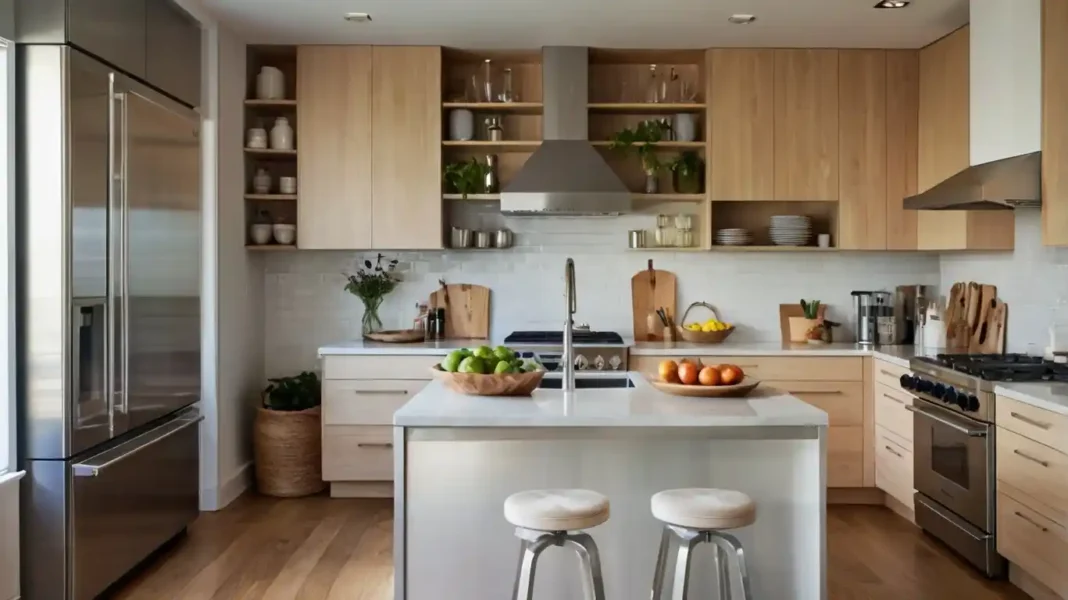

In the world of kitchen design, small spaces often present the greatest challenges—and opportunities. Whether you’re a seasoned chef or a culinary novice, maximizing every inch of your kitchen is crucial for efficiency, comfort, and style.
Here, we’ll delve into the art of space planning for small kitchens, offering practical advice to transform your compact cooking area into a vibrant, functional hub.
Table of Contents
Understanding the Challenges
Small kitchens can be deceptive. At first glance, they may seem simple to design, but the reality is quite different. Every inch counts, and poor planning can lead to cluttered countertops, inefficient workflows, and a general sense of claustrophobia.
The key to success lies in embracing the constraints and leveraging them as opportunities for creativity and innovation.
Maximizing Vertical Space
One of the most effective strategies for small kitchens is to maximize vertical space. Installing cabinets that reach the ceiling not only provides additional storage but also creates a visually appealing effect by drawing the eye upwards, making the room feel taller.
This approach is particularly effective when combined with wall-mounted shelves or pot racks, which keep frequently used items within easy reach while freeing up valuable counter space.
Multifunctional Furniture
In small kitchens, multifunctional furniture is a game-changer. Consider kitchen islands with built-in storage, mobile carts with caster wheels, or breakfast bars that double as workspaces.
These versatile pieces allow for easy reconfiguration based on specific cooking tasks and can be tucked away when not needed, ensuring a clutter-free environment.
Strategic Lighting
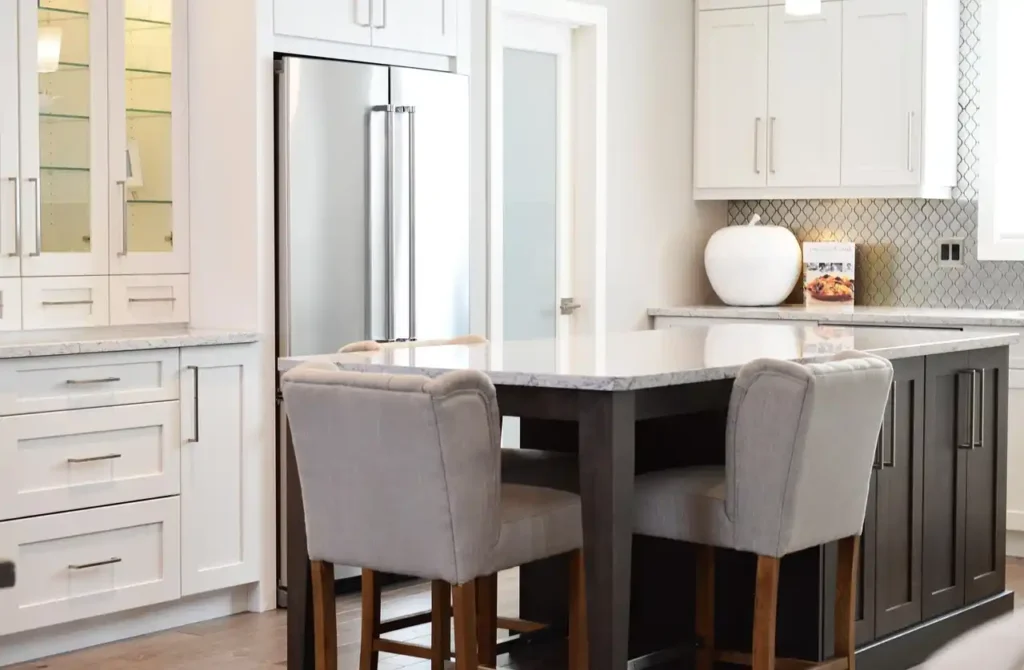
Lighting plays a crucial role in small kitchens. Strategic lighting can make your kitchen appear larger and more inviting.
Moreover, under-cabinet lights are great for illuminating workspaces and creating a sense of openness. This setup not only improves visibility but also enhances the overall ambiance, making the space feel cozy and welcoming.
Compact Appliances
Choosing compact appliances is essential for saving space without losing functionality. For example, consider slim-profile options such as narrow dishwashers or combination microwave-oven units.
These smart solutions ensure you have every tool you need for cooking while keeping your kitchen free of clutter. In addition, they make your space look cleaner and more organized.
Open Shelving and Organization
Open shelving can add elegance and provide quick access to everyday essentials. However, it requires thoughtful planning to prevent clutter.
Therefore, use drawer dividers, risers, and spice organizers to maintain order. This approach ensures every inch is used efficiently while keeping your kitchen stylish and functional.
Work Triangle Principle
The work triangle principle is a fundamental concept in kitchen design. It involves positioning the sink, stove, and refrigerator in a triangular formation to create an efficient workflow.
Even in small kitchens, this principle can be adapted by optimizing the relationship between these critical zones to minimize walking distances and enhance productivity.
Custom Cabinetry and Corner Solutions
Custom cabinetry allows you to tailor your storage solutions to your specific needs. Consider pull-out pantries, corner drawers, and other bespoke solutions to make the most of every inch.
Corner spaces, often considered dead zones, can be transformed with innovative rotating and sliding mechanisms, ensuring that no space goes to waste.
Creating an Open Layout
If possible, opening up your kitchen layout can create a more spacious feel. Removing non-load-bearing walls or half-walls can merge your kitchen with adjacent living areas, creating an open-plan space that feels larger and more connected.
Tips for Small Kitchen Design
Here are some actionable tips to help you optimize your small kitchen:
- Utilize Every Inch of Wall Space: Make the most of your walls by installing full-height cabinets or shelves to maximize storage without encroaching on floor space.
- Choose Light Colors: Light colors on walls, cabinets, and countertops can make your kitchen appear larger by reflecting light and creating a sense of openness.
- Opt for Multifunctional Cabinets: Invest in cabinets that offer both storage and additional functionalities, such as built-in spice drawers or pull-out solutions for appliances.
- Incorporate Mobile Workstations: Mobile prep stations on casters can create flexible workspace configurations that can be easily repositioned or tucked away when not in use.
- Select Compact Appliances: Prioritize slim-profile appliances to save space without compromising on performance.
- Strategically Place Lighting: Use a combination of task, ambient, and accent lighting to enhance functionality and create the illusion of more space.
Case Study: Transforming a Tiny Kitchen
Imagine a kitchen that measures just 9 feet by 9 feet, yet serves a dining area for 30-50 people. This is not an uncommon scenario in professional settings, where efficiency and creativity are paramount.
By employing space-saving strategies like vertical storage, mobile workstations, and retractable surfaces, even the smallest kitchens can be transformed into highly functional workspaces.
Conclusion
Designing a small kitchen requires a blend of creativity, practicality, and expertise. By embracing the challenges and leveraging innovative solutions, you can create a space that is not only functional but also visually appealing.
Whether you’re a home chef or a professional restaurateur, the principles outlined here will help you unlock the full potential of your compact kitchen, turning it into a culinary haven that inspires creativity and joy.
In the pursuit of crafting the perfect small kitchen, remember that every detail matters. From maximizing vertical space to selecting the right appliances, each decision contributes to a harmonious balance of form and function.
By following these practical tips and embracing the unique opportunities presented by small High-End kitchens, you’ll be well on your way to creating a space that is both beautiful and highly functional—a true testament to the art of space planning.



Great post!