
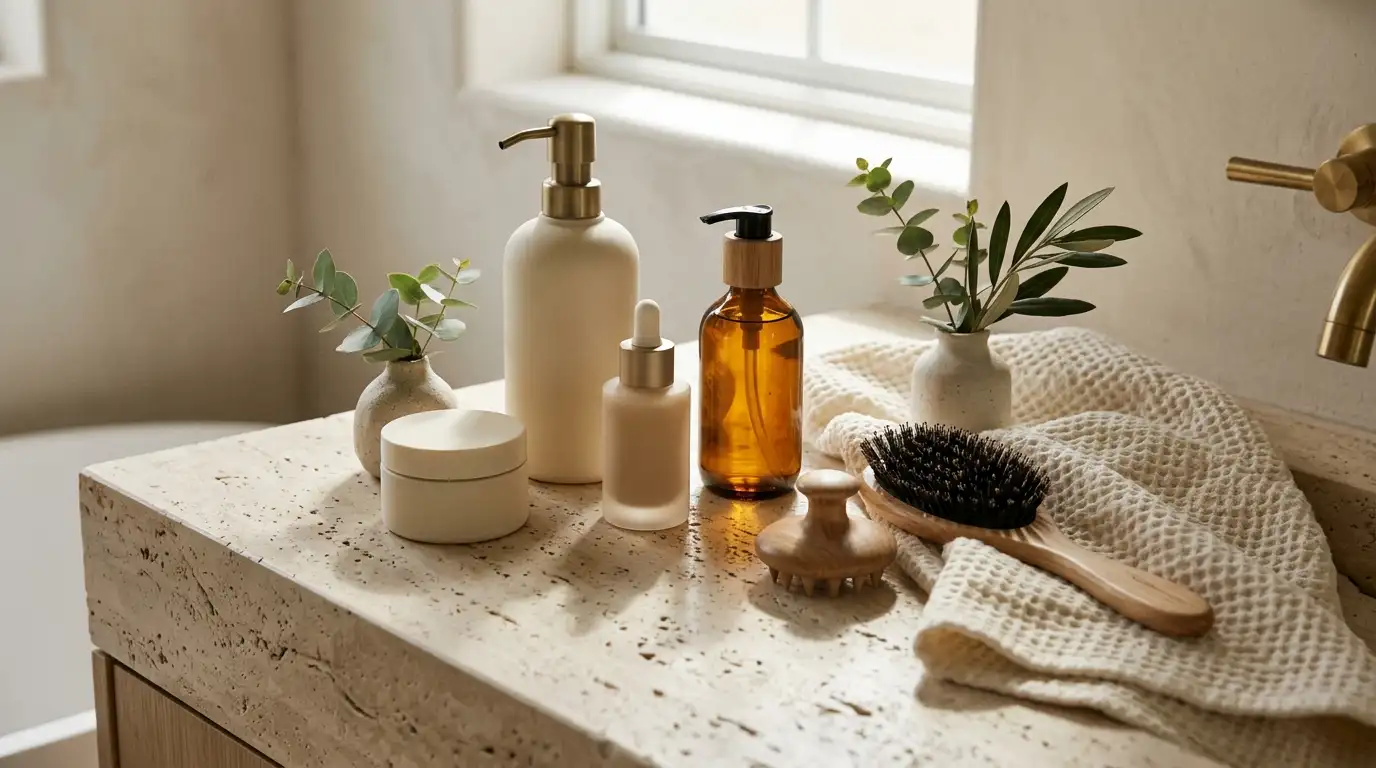

A quiet luxury haircare routine combines a suitable shampoo, conditioner, targeted treatments, and gentle styling techniques to maintain clean, manageable, healthy-looking hair. Choose products according to your scalp and hair type, then add premium formulas where they offer a benefit you value. Consistent care, sensible product choices, and heat protection matter more than buying an entire luxury collection.
Table of Contents
What Is Quiet Luxury Haircare?
Quiet luxury haircare is a minimalist approach to grooming that emphasizes well-maintained hair, suitable products, and understated styling. The focus is on a polished appearance that feels natural and fits comfortably into everyday life.
A refined routine usually includes three foundations:
- Scalp care: Cleanse according to oil production, buildup, and individual needs.
- Length care: Condition and detangle hair to help manage dryness, friction, and frizz.
- Gentle styling: Limit unnecessary heat and rough handling to reduce avoidable damage.
The aesthetic can suit straight, wavy, curly, or coily hair. A glossy blowout, soft natural curls, and a neat low bun can all complement quiet luxury styling.
The American Academy of Dermatology recommends choosing haircare practices according to hair type and applying shampoo primarily to the scalp. Conditioner should be distributed according to the needs of the hair, with fine or straight hair often benefiting from application toward the ends.
The Essential Haircare Routine
A practical luxury haircare routine starts with shampoo and conditioner, followed by one or two products that address a specific need. The right combination depends on your scalp, hair texture, chemical treatments, and styling habits.
1. Cleanse the scalp with a suitable shampoo
Shampoo removes excess oil, dead skin, and accumulated styling products. Apply it to the scalp and massage gently with your fingertips rather than scrubbing the full length of the hair.
Choose according to your needs:
- Oily roots: Consider a shampoo that cleanses effectively without leaving the scalp uncomfortable.
- Dry or curly hair: Choose a suitable formula and adjust washing frequency to your scalp and hair.
- Color-treated hair: Look for a formula intended for color-treated hair and follow the manufacturer’s instructions.
- Frequent styling-product use: Consider occasional clarifying shampoo if residue persists.
Washing frequency varies. An oily scalp may need more frequent cleansing, while some dry or tightly coiled hair types benefit from less frequent washing.
2. Condition the lengths
Conditioner helps improve manageability and detangling. Fine hair may need a lightweight formula concentrated on the ends, while coarse, curly, or dry hair may benefit from more conditioning along the lengths.
Look for a formula that leaves your hair easy to comb without making it feel coated. If your hair becomes flat quickly, reduce the amount or move application farther from the roots.
3. Add a targeted treatment
Choose a treatment based on an identifiable need rather than adding several products at once.
- Leave-in conditioner: Helps with detangling, softness, and manageability.
- Hair mask: Provides additional conditioning for dry or chemically treated lengths.
- Heat protectant: Helps reduce styling-related damage when used as directed with compatible heated tools.
- Finishing serum or oil: Can improve slip and shine when applied sparingly to the lengths.
- Scalp treatment: May help address a specific cosmetic concern, such as a dry-feeling scalp.
The American Academy of Dermatology recommends applying leave-in conditioner in small amounts to the hair itself, rather than the scalp, to reduce the risk of buildup.
4. Style gently
Use a soft towel to absorb excess water without vigorous rubbing. Detangle gradually, starting at the ends, and choose a comb or brush suited to your hair texture.
When blow-drying, use a moderate heat setting and limit repeated passes with hot tools. A finishing serum can help create a smoother appearance, but it cannot reverse structural damage.
5. Low-Porosity Hair: Choose Lightweight Luxury Products
Low-porosity hair can be more prone to product buildup because its tightly arranged cuticle layers may make it harder for moisture to penetrate. A refined haircare routine should focus on lightweight hydration, gentle cleansing, and conditioning products that leave hair soft rather than coated.
Quiet luxury tip: Start with a small amount of conditioner or leave-in treatment, concentrate richer products on the ends when needed, and clarify occasionally if your hair feels weighed down. The goal is healthy-looking shine and manageable hair—not layering on more products.
High-End Haircare Products to Consider
Luxury haircare products can appeal through their formulas, fragrances, packaging, and salon-oriented positioning. The best choice depends on whether a product suits your hair and offers a benefit that justifies its cost.
The following are products to compare, not products claimed to have been personally tested. Verify current ingredients, instructions, availability, and suitability before buying.
1. Kérastase Nutritive Bain Satin
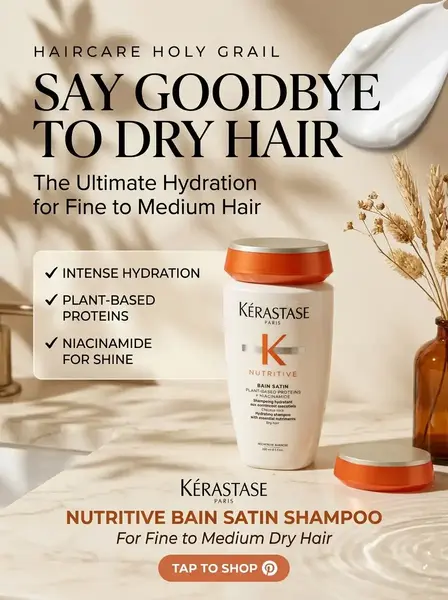
Best for: Shoppers looking for a premium shampoo intended for dry hair.
Kérastase Nutritive Bain Satin is part of the brand’s Nutritive range. Check the current manufacturer description and ingredient list to determine whether its cleansing and conditioning properties suit your hair.
Potential advantages
- Premium salon product positioning.
- Designed for dry-hair care.
- Suitable for comparison with other nourishing shampoos.
Potential drawbacks
- Higher cost than many everyday shampoos.
- Fragrance and cleansing ingredients may not suit every scalp.
- Results depend on hair type and the rest of the routine.
Skip it if: Your existing shampoo works well or the formula does not suit your scalp.
Check Current Price on Amazon.
2. Oribe Gold Lust Repair & Restore Shampoo
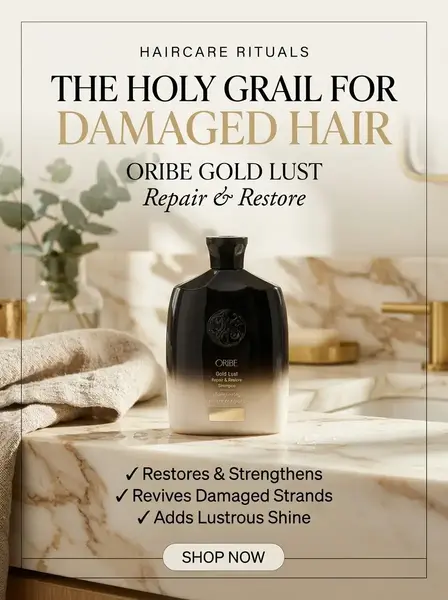
Best for: Readers interested in premium salon haircare.
Oribe Gold Lust is a luxury haircare range positioned around cleansing and conditioning. Compare the current product description, intended hair type, and ingredient list before choosing it over a less expensive alternative.
Potential advantages
- Luxury presentation and salon-oriented positioning.
- A product range designed for hair cleansing and care.
- An option for readers who value the sensory experience of premium products.
Potential drawbacks
- The price may be difficult to justify if a basic shampoo already works well.
- Fragrance or conditioning ingredients may not suit every user.
- Brand positioning alone does not establish superior results.
Skip it if: You prefer fragrance-free products, need a specific medicated shampoo, or have no reason to change your current routine.
Check Current Price on Amazon.
3. Living Proof Scalp Care Dry Scalp Treatment
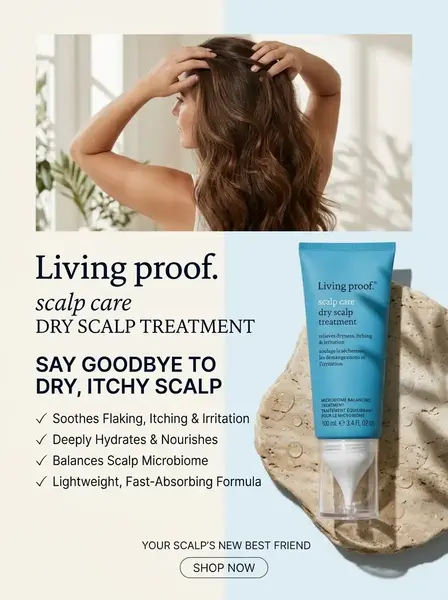
Best for: Readers seeking a leave-in product for a dry-feeling scalp.
Living Proof describes this treatment as a leave-in scalp product intended to hydrate the scalp and soothe dryness-associated flaking, itching, and irritation. Its published ingredient list includes glycerin, niacinamide, and sodium hyaluronate.
The manufacturer instructs users to apply it directly to clean, damp hair and the scalp, massage it in, and leave it in without rinsing. Its listed directions recommend use three times per week.
Potential advantages
- Direct scalp application.
- Leave-in format.
- Humectant ingredients intended to support hydration.
Potential drawbacks
- Contains fragrance.
- May not suit fragrance-sensitive users.
- A cosmetic scalp treatment is not a substitute for a medicated dandruff product or medical assessment.
Skip it if: You need a treatment specifically intended for a diagnosed scalp condition or the formula irritates your skin.
Check Current Price on Amazon.
How to Choose Between Haircare Products
| Product category | Best for | What to compare | When to skip |
|---|---|---|---|
| Premium shampoo | Cleansing and a preferred product experience | Hair type, ingredients, cleansing needs | Your current shampoo works well |
| Conditioner | Detangling and manageability | Formula weight and application directions | It leaves hair flat or coated |
| Hair mask | Dry or damaged lengths | Intended use and recommended frequency | Regular conditioner is sufficient |
| Scalp treatment | A specific cosmetic scalp concern | Ingredients, instructions, fragrance | Symptoms require medical assessment |
| Hair serum or oil | Smoother-looking lengths | Texture, finish, amount needed | Hair becomes greasy easily |
| Heat protectant | Heated styling | Explicit heat-protection instructions | You rarely use heat and do not need it |
Scalp Health Essentials
Scalp care begins with identifying the concern. Oiliness, product buildup, dryness, and dandruff can have overlapping symptoms, and each may require a different response.
Oily roots and product buildup
Cleanse regularly with a shampoo that suits your scalp. Dry shampoo, styling creams, and oils can accumulate when layered between washes.
A clarifying shampoo may help remove persistent residue when used according to its instructions. Avoid overusing strong cleansing products if they leave your scalp irritated or your lengths excessively dry.
Dry scalp and visible flakes
Dryness and dandruff are different concerns, although they can look similar. Dandruff may cause itching and visible flakes, and the American Academy of Dermatology recommends considering dandruff shampoos containing ingredients such as ketoconazole, selenium sulfide, salicylic acid, or other recognized anti-dandruff ingredients.
Follow the specific label instructions. Some dandruff shampoos require several minutes of contact time before rinsing, and recommendations vary by active ingredient and hair type.
A cosmetic scalp moisturizer may help a dry-feeling scalp, but it should not be treated as a universal dandruff remedy.
Should you exfoliate your scalp?
Scalp exfoliation is optional. Some products are designed to loosen accumulated residue or surface flakes, but frequent or vigorous exfoliation can irritate sensitive skin.
If you use a scalp exfoliant:
- Follow the manufacturer’s directions.
- Avoid vigorous scrubbing.
- Do not apply it to sore, broken, or inflamed skin.
- Stop if burning, redness, or increased itching occurs.
A suitable shampoo may be all you need to manage ordinary product buildup.
When to see a dermatologist
Consult a qualified dermatologist if flaking or itching persists, the scalp becomes painful or inflamed, sores develop, or hair loss occurs without a clear explanation. A clinician can assess whether a condition such as seborrheic dermatitis, psoriasis, eczema, or another disorder requires specific treatment.
A Weekly Haircare Schedule
A useful schedule follows your scalp’s needs instead of a rigid calendar. Adjust the frequency of washing and conditioning according to oil production, hair texture, and styling habits.
| Routine | What to do | Best for |
|---|---|---|
| Wash day | Shampoo the scalp and condition the lengths | Most hair types |
| After washing | Apply leave-in conditioner or heat protectant if needed | Dry, tangled, or heat-styled hair |
| Styling day | Apply a small amount of finishing serum if desired | Hair needing extra slip or shine |
| Occasional treatment | Use a mask or clarifying shampoo when appropriate | Dry lengths or persistent buildup |
| Scalp-care day | Apply a suitable scalp treatment according to its label | A defined cosmetic scalp concern |
Adjust the routine to your hair type
- Fine or straight hair: Use lightweight products and wash as often as needed to manage oil. Apply finishing products sparingly.
- Curly or coily hair: Prioritize gentle detangling and conditioning along the lengths. Adjust washing frequency to your scalp and hair’s needs.
- Dry or color-treated hair: Use a suitable conditioner after washing and consider an occasional mask if the lengths remain dry. Follow instructions for chemically treated hair.
- Heat-styled hair: Use an appropriate heat protectant and limit unnecessary styling passes. No product eliminates all heat damage.
Luxury Haircare on Different Budgets
A considered routine can include premium products without requiring an entire luxury collection. Prioritize the products you use regularly and the problems you actually need to solve.
| Approach | Core products | Optional purchases | Best for |
|---|---|---|---|
| Essentials first | Suitable shampoo and conditioner | One finishing product | Anyone simplifying their routine |
| Selective luxury | Reliable basics plus one premium product | A mask or scalp treatment | Readers who enjoy a premium experience |
| Full premium routine | Premium shampoo, conditioner, and targeted styling care | Additional treatments when justified | Shoppers who value salon-style products and can afford ongoing costs |
Calculate the cost per use
Use this formula to compare products with different purchase prices and sizes:
Cost per use = Purchase price ÷ Estimated number of uses
For example, a hypothetical $36 product used 24 times costs $1.50 per use. This example is illustrative, not a current retail price or a measured usage estimate.
Before upgrading, ask:
- Does the formula suit your scalp and hair?
- Does it offer a practical benefit over your current product?
- Will you use it often enough to justify the expense?
A premium conditioner may be worthwhile for someone who struggles with tangles, while someone with persistent dandruff may benefit more from a suitable medicated shampoo.
Common Haircare Mistakes
- Washing according to a fixed schedule: Adjust cleansing frequency to your scalp, hair type, and product use.
- Applying every product at the roots: Rich conditioners, oils, and styling creams can weigh down some hair types or contribute to buildup.
- Exfoliating too frequently: Excessive scrubbing may irritate the scalp.
- Using excessive heat: Moderate temperatures and fewer styling passes help reduce avoidable damage.
- Buying products for their claims alone: Check the intended use, ingredient list, instructions, and compatibility with your hair.
- Ignoring persistent symptoms: Cosmetic haircare may not address the cause of ongoing irritation, dandruff, or hair loss.
A smaller routine is easier to maintain and makes it easier to determine which products suit your hair.
Key Takeaways: The Quiet Luxury Haircare Routine
- A quiet luxury haircare routine emphasizes clean, manageable hair and consistent care.
- Choose shampoo according to scalp needs and conditioner according to hair texture.
- Premium products are optional; suitability matters more than packaging or price.
- Use scalp treatments according to their intended purpose and directions.
- Persistent dandruff, irritation, or unexplained hair loss warrants professional assessment.
- Gentle detangling and controlled heat can help reduce avoidable damage.
- The most useful routine is one you can maintain comfortably within your budget.
Frequently Asked Questions
Are luxury haircare products worth the money?
Luxury haircare can be worth the cost if a product suits your hair, feels pleasant to use, and provides benefits you value. Price alone does not establish superior performance. Compare formulas and practical results with suitable less expensive alternatives before committing to an entire range.
How often should I wash my hair?
Wash according to scalp oil production, hair texture, and styling habits. Oily scalps may need frequent cleansing, while some dry, curly, or tightly coiled hair types need less frequent washing. Adjust your routine if residue accumulates or your scalp becomes uncomfortable.
Should I use a scalp serum every day?
Daily use depends on the serum’s purpose and label instructions. Some leave-in products are designed for regular use, while others require less frequent application. Stop if irritation develops, and seek professional advice if persistent symptoms do not improve.
Does scalp exfoliation help hair growth?
Scalp exfoliation may remove some surface residue, depending on the product, but it is not an established universal treatment for hair growth. Excessive exfoliation can irritate the skin. Consult a dermatologist about unexplained thinning or hair loss.
How can I make my hair look glossy without excessive heat?
Use a suitable conditioner, detangle gently, and consider a small amount of leave-in conditioner or finishing serum. Limit hot-tool use and apply a compatible heat protectant when styling. Results depend on hair texture, existing damage, and the products used.
What products do I need for a minimalist luxury haircare routine?
Start with shampoo and conditioner suited to your needs. Add one targeted product, such as a leave-in conditioner, heat protectant, or scalp treatment, when it serves a clear purpose. A hair mask and finishing oil are optional.
Can luxury scalp products treat dandruff?
Cosmetic scalp products may support comfort or hydration, but they are not automatically dandruff treatments. Look for an appropriate anti-dandruff shampoo and follow its instructions. Seek medical advice if symptoms persist or become severe.
Complete your beauty routine with more inspiration from PureLuxy. Explore the Jyu Korean Skin Care Routine for Glass Skin Glow for a dewy, luminous complexion, discover Luxury Skincare Secrets: Ingredients That Are Worth the Splurge to learn which premium ingredients deserve a place in your routine, and read Luxury Eco-Friendly Skincare: Sustainable Beauty Solutions for a more sustainable approach to elevated beauty.
Sources
- American Academy of Dermatology, Tips for Healthy Hair.
- American Academy of Dermatology, How to Treat Dandruff.
- American Academy of Dermatology, Dermatologists’ Tips for Using Leave-In Conditioner.
- Living Proof, Scalp Care Dry Scalp Treatment.
- Kérastase, Official Product Website.
- Oribe, Official Product Website.