

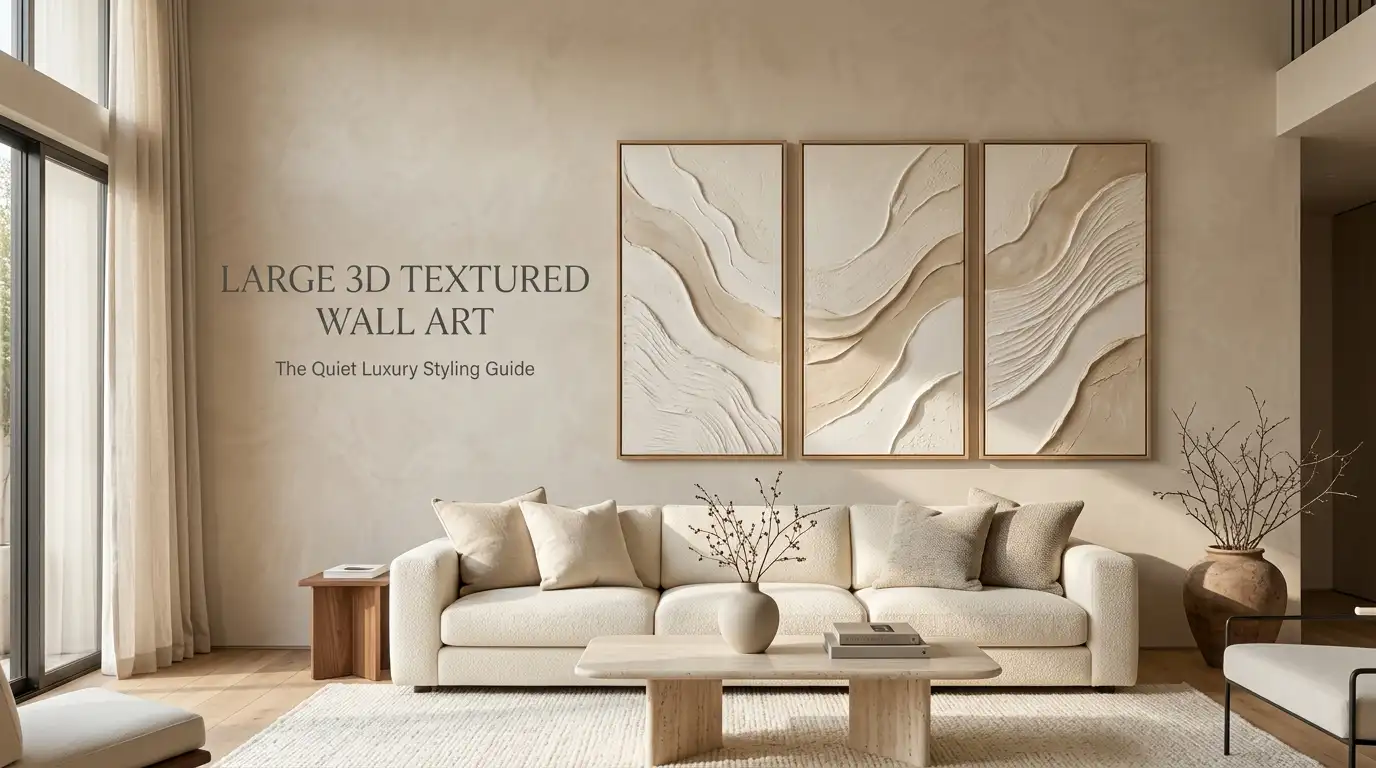

Interior design is moving beyond flat prints and conventional framed pictures toward artwork that introduces depth, material richness, and sculptural presence. Large 3D textured wall art has become a compelling choice for contemporary interiors because it transforms an empty wall into an architectural feature without relying on bold colors or elaborate decoration.
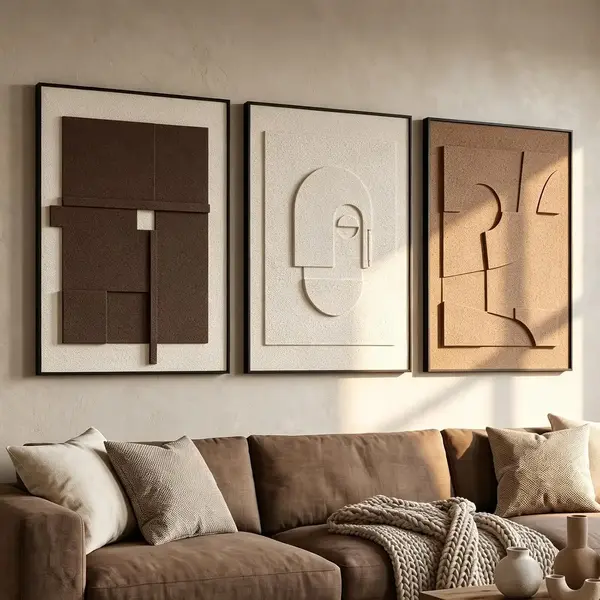
Unlike traditional paintings, three-dimensional wall art interacts with its surroundings. Raised plaster, sculpted reliefs, layered compositions, and tactile finishes create subtle shadows that change throughout the day. The result is an artwork that feels different in morning sunlight, under afternoon illumination, and beneath carefully positioned evening lighting.
This quality makes sculptural artwork particularly suitable for quiet luxury home decor, where sophistication comes from craftsmanship, thoughtful proportions, and restrained material choices rather than conspicuous ornamentation.
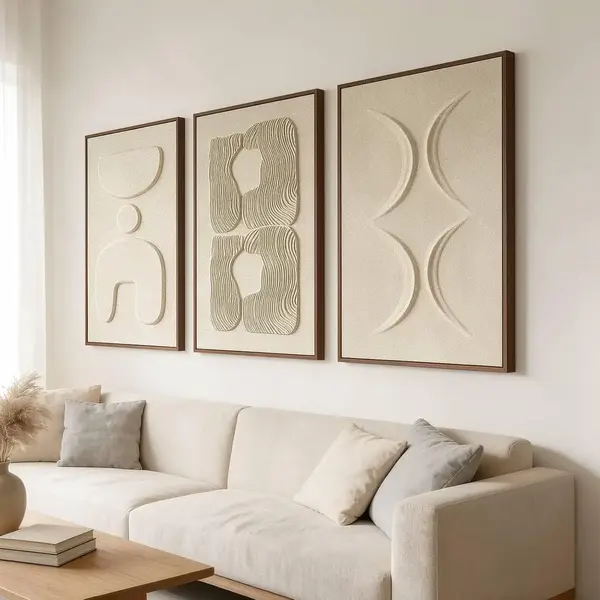
In organic modern interiors, large-scale textured artwork also creates a connection between contemporary design and natural materials. Cream-colored reliefs, warm beige compositions, sculptural white surfaces, and dark wooden frames complement oak furniture, linen upholstery, travertine accents, and softly layered textiles.
Choosing the right statement piece requires more than selecting an attractive design. Scale, surface quality, frame construction, placement, and lighting all influence how successfully an artwork integrates into a room.
By understanding these details, we can use oversized sculptural wall decor to create interiors that feel balanced, inviting, and intentionally designed.
Table of Contents
Why Sculptural 3D Wall Art Belongs in High-End Interiors
Visual Depth That Changes With the Light
One of the defining characteristics of sculptural abstract wall decor is its ability to introduce dimensionality without overwhelming a room.
Flat artwork primarily communicates through color, composition, and printed imagery. Three-dimensional pieces introduce an additional visual layer through physical contours, raised surfaces, recessed details, and overlapping forms.
These elements create shadows that shift according to the direction and intensity of the light. A textured white artwork may appear almost monochromatic in soft daylight, while angled illumination reveals the depth of its sculpted patterns.
This changing appearance gives the artwork a more dynamic presence than a conventional print.
For sophisticated interiors, we recommend compositions featuring irregular ridges, gently undulating surfaces, abstract organic forms, or layered geometric reliefs. These designs create visual interest while maintaining the understated character associated with modern luxury.
Neutral Colors Without a Plain Appearance
Neutral colors remain central to contemporary luxury interiors, but a room decorated entirely in white, beige, and gray can feel flat when every surface has the same visual quality.
Neutral oversized wall art solves this problem by introducing texture instead of relying on strong color contrasts.
A warm ivory composition against a cream wall creates a subtle tonal relationship. A taupe relief against a pale beige background introduces gentle contrast, while a charcoal frame can provide definition without dominating the surrounding decor.
For a harmonious palette, consider the following combinations:
- Warm white and natural oak: Ideal for Scandinavian interiors and light-filled living rooms.
- Ivory and travertine beige: Creates a calm, Mediterranean-inspired atmosphere.
- Taupe and dark walnut: Adds warmth and depth to transitional interiors.
- Soft gray and charcoal: Introduces a more architectural, contemporary character.
- Cream and muted black: Balances softness with a restrained graphic contrast.
Rather than matching every decorative element exactly, we can combine related tones with different finishes. A matte plaster surface, woven linen, brushed metal, and natural stone will reflect light differently, giving a neutral room greater richness.
A Natural Fit for Organic Modern and Minimalist Interiors
Organic modern design combines clean architectural lines with natural materials, curved silhouettes, and tactile surfaces. Large sculptural artwork complements this approach because it introduces an expressive focal point without requiring additional decorative objects.
In a minimalist living room, one oversized relief can provide sufficient visual interest above a streamlined sofa. In a Scandinavian interior, a cream triptych can soften angular furniture and pale wood finishes. In a transitional home, a textured composition framed in dark timber can connect traditional architectural details with contemporary furnishings.
The key is to consider the artwork as part of the architecture rather than an accessory added at the end of decorating.
When the artwork, furniture, and surrounding materials share a coherent visual language, the entire room feels more intentional.
Key Design Features to Look for When Buying Large 3D Textured Wall Art
1. Frame Construction and Overall Depth
Frame quality significantly influences how finished and substantial a piece appears.
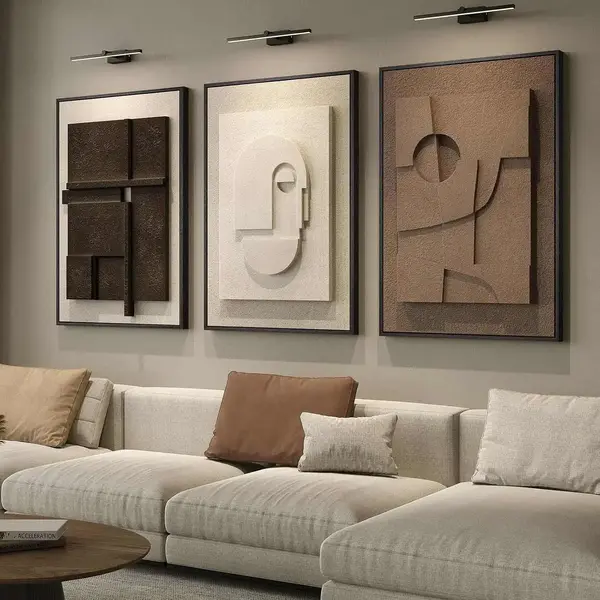
A deep frame can give artwork a gallery-inspired profile, visually separating the composition from the wall and emphasizing its sculptural character. For a substantial statement piece, a frame depth of approximately 1.25 inches or more can be a useful starting point, although the ideal measurement depends on the artwork’s construction and overall dimensions.
Solid wood frames offer a natural appearance and can complement oak floors, walnut furniture, and other timber finishes. Depending on the manufacturer, engineered wood or composite materials may also provide a clean, durable structure.
We should examine the entire construction rather than judging quality by the frame material alone.
Look for securely joined corners, a stable backing, a clean finish, and a mounting system suitable for the artwork’s weight. If the piece includes thick plaster or sculptural elements, the frame and backing must support those materials without bending or separating.
For a more refined appearance, consider natural oak, walnut, matte black, or softly finished dark brown frames. Frameless designs can also work beautifully when the textured surface itself deserves uninterrupted attention.
2. Choosing the Right Scale and Proportions
Large 3D textured wall art should relate to the dimensions of the furniture and the available wall space.
Artwork that is too small can appear disconnected from a large sofa, dining table, or console. Conversely, a piece that extends too far beyond its supporting furniture may make the arrangement feel crowded.
For artwork positioned above a sofa, a useful starting point is to select a composition approximately two-thirds to three-quarters of the sofa’s width. This is a flexible design guideline rather than a rigid rule, and the best proportions will depend on ceiling height, furniture shape, and the surrounding architecture.
For a triptych, we should measure the complete arrangement, including the spaces between panels, rather than considering each canvas separately.
For example, three panels measuring 24 by 36 inches each can create an impressive arrangement above a wide sofa or along a generous entryway wall. If each panel is displayed vertically, the overall composition becomes approximately 72 inches wide before adding the gaps between the panels.
With a two-inch gap between each panel, the complete arrangement measures approximately 76 inches wide.
This makes a 24-by-36-inch triptych suitable for many spacious interiors, although smaller rooms may benefit from narrower panels or tighter spacing.
Before purchasing, measure the wall and mark the proposed artwork dimensions using painter’s tape. This simple technique helps us evaluate the visual impact before committing to a particular size.
3. Understanding Textured Finishes and Material Quality
Not all textured artwork offers the same level of physical depth or craftsmanship.
Some pieces feature genuine raised surfaces created with plaster, modeling paste, sculptural compounds, or layered materials. Others reproduce a textured appearance through printed imagery or embossed finishes.
Both approaches can serve a decorative purpose, but they produce different visual and tactile effects.
Hand-applied textures often display subtle irregularities that make each composition feel distinctive. Sculpted plaster and mineral-inspired finishes can create a matte, architectural appearance, while layered reliefs introduce more pronounced shadows.
Printed canvas may provide an affordable way to achieve a similar visual effect, but it generally lacks the physical depth of a genuinely sculptural surface.
When evaluating a product, we should check whether the texture is raised, how the surface is finished, what materials are used, and whether the manufacturer provides close-up photographs.
Weight is another important consideration. Thick reliefs and substantial wooden frames may require stronger wall anchors or dedicated hanging hardware. The mounting method should always be appropriate for the wall construction and the artwork’s actual weight.
For a high-end interior, prioritize a well-executed composition, a consistent finish, durable construction, and materials that complement the room.
How to Style Large 3D Textured Wall Art in Different Rooms
Living Rooms: Creating a Refined Focal Point
The living room is one of the most effective places to display oversized sculptural artwork because the main seating area naturally establishes a visual center.
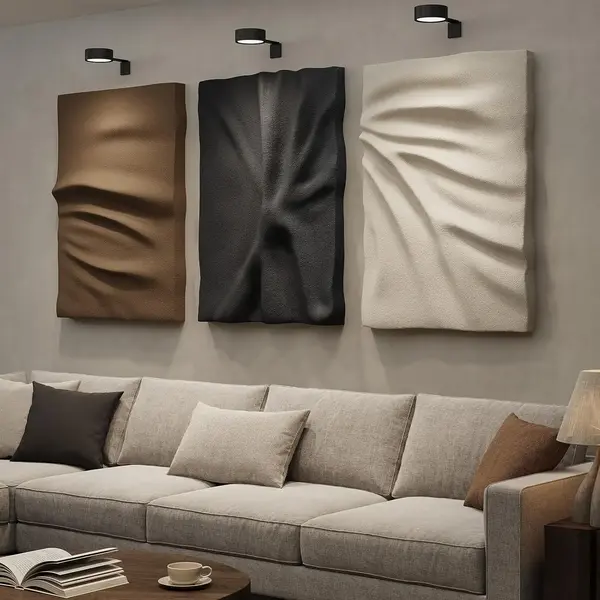
A large ivory relief above a low-profile sofa can introduce texture while preserving an airy, understated atmosphere. In a room with beige upholstery, a white sculptural composition adds definition without creating a sharp contrast.
For darker interiors, consider warm taupe artwork, a walnut frame, or a composition featuring charcoal accents. These elements can connect the artwork to wooden coffee tables, darker flooring, and sculptural lighting.
Hang the artwork so that it feels connected to the furniture beneath it. A gap of approximately six to ten inches between the sofa back and the bottom edge of the frame is often a practical starting point, adjusted for the artwork’s size and the room’s proportions.
Avoid surrounding the main piece with numerous small decorative objects. A sculptural artwork makes a stronger statement when it has sufficient breathing room.
Complement it with a restrained selection of materials, such as a travertine coffee table, a bouclé accent chair, natural linen cushions, or a softly textured wool rug.
Dining Rooms: Pairing Artwork With a Credenza
In a dining room, large textured wall art can create a sophisticated backdrop for everyday meals and formal entertaining.
A wide horizontal composition works particularly well above a dining credenza, where its proportions can echo the furniture beneath it. A three-panel arrangement offers another option, especially when the wall extends across a large dining area.
For an organic modern aesthetic, combine cream-colored relief artwork with oak cabinetry, stoneware, and simple ceramic vessels.
Lighting deserves particular attention in this setting. A picture light can emphasize the artwork’s surface while creating a gentle evening atmosphere. Alternatively, adjustable ceiling spotlights can highlight the sculptural contours.
The goal is to illuminate the relief without producing harsh glare or deep shadows that obscure the design.
Entryways: Making a Strong First Impression
An entryway often benefits from one carefully selected statement piece rather than multiple decorative elements.
A tall, sculptural composition can draw attention upward in a narrow hallway, while a horizontal triptych can anchor a wide foyer wall.
For a refined entrance, combine textured neutral artwork with a slim console, a stone or ceramic bowl, and a restrained table lamp. A large mirror can be introduced on an adjacent wall if additional light and visual depth are needed.
In compact entryways, consider the depth of the artwork in relation to circulation space. Thick frames and projecting sculptural elements should not obstruct movement through a narrow passage.
The most successful arrangement balances a strong focal point with practical clearance.
Bedrooms: Building a Calm, Tactile Atmosphere
Bedrooms benefit from artwork that contributes to a restful visual environment.
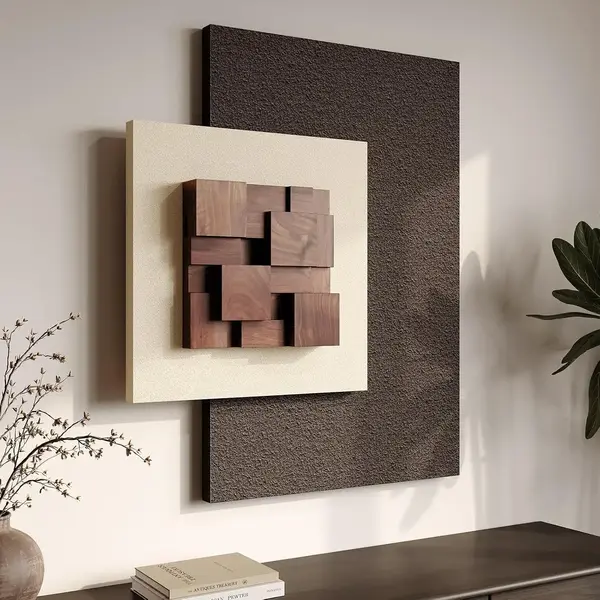
A large ivory or warm beige relief above the headboard can create a focal point without the stimulation of highly saturated colors or intricate imagery.
For a quiet luxury bedroom, consider combining sculptural artwork with linen bedding, upholstered headboards, oak bedside tables, and softly diffused lighting.
If the bed has a wide, low profile, a horizontal composition may reinforce the room’s calm proportions. A vertically oriented triptych can work better when the ceiling is high or the headboard is relatively narrow.
We should also consider practical safety. Artwork above a bed must be securely mounted, particularly when it is heavy or constructed from rigid materials.
How to Illuminate Sculptural Abstract Wall Decor
Lighting determines how effectively a three-dimensional artwork reveals its surface.
A beautifully textured piece can appear flat under uniform frontal lighting, while carefully directed illumination emphasizes its contours and introduces depth.
Picture Lights and Wall Washers
Picture lights provide a focused source of illumination and can reinforce the gallery-like appearance of a framed composition.
Choose a fixture that suits the artwork’s width and the room’s architectural style. A slim brass picture light can complement warm traditional details, while a matte black fixture may feel more appropriate in a contemporary interior.
Wall washers and adjustable spotlights offer alternatives for larger installations. They distribute light across a wider surface or allow specific areas of the relief to receive greater emphasis.
For sculptural pieces with pronounced ridges, angled lighting often produces attractive shadows. However, very strong directional lighting can exaggerate imperfections or create distracting dark areas.
We should experiment with the lighting angle before finalizing the installation.
Color Temperature and Light Quality
Warm or neutral-white lighting generally works well with the beige, ivory, and taupe palettes associated with organic modern interiors.
A color temperature around 2700K to 3000K creates a warm, inviting atmosphere, particularly in living rooms and bedrooms. Neutral-white lighting can also work when the artwork contains cooler gray tones or sits within a contemporary architectural scheme.
High-quality light sources with good color rendering help preserve the appearance of the artwork’s actual materials.
When using multiple fixtures, ensure that the lighting feels consistent across the entire composition. Uneven illumination can make a triptych appear disconnected.
Styling Rooms Without Direct Natural Light
Textured wall art can work beautifully in spaces with limited daylight.
In a windowless hallway or interior living area, layered artificial lighting becomes particularly important. Combine general ambient lighting with a dedicated picture light or adjustable spotlights to reveal the artwork’s relief.
Choose a piece with clearly defined contours rather than an extremely subtle texture that depends on strong natural light.
A slightly warmer neutral palette can also help the space feel inviting. Pair the artwork with reflective but restrained materials, such as satin-finished wood, pale stone, or a discreet metal accent.
The result can feel deliberate and sophisticated even without direct sunlight.
Complementary Materials for a Quiet Luxury Interior
Large sculptural artwork becomes more convincing when its materials connect naturally with the rest of the room.
Bouclé and Natural Linen
Bouclé upholstery introduces a soft, irregular texture that complements raised plaster and sculptural reliefs. Natural linen adds another layer of understated material richness.
The combination works particularly well when the colors remain related but not identical. For example, an ivory artwork can sit above a warm beige sofa with cream linen cushions.
This approach creates tonal depth without relying on strong decorative contrasts.
Natural Oak and Walnut
Wood introduces warmth and a visual connection to nature.
Light oak works well with white textured artwork in Scandinavian-inspired interiors. Walnut and darker timber finishes can provide a richer contrast, particularly in rooms with taupe upholstery or charcoal accents.
When selecting a framed piece, coordinate the frame with one or two existing wooden elements rather than attempting to match every finish exactly.
Travertine and Stoneware
Travertine, limestone-inspired surfaces, and handmade stoneware complement the mineral appearance of textured wall art.
A travertine coffee table beneath a cream relief, for example, creates continuity through natural tones and tactile surfaces.
However, combining too many materials with similar patterns can make the arrangement feel visually busy. Allow the artwork to remain the main focal point and use stone accessories selectively.
Sculptural Lighting and Minimalist Accessories
A curved floor lamp, a simple ceramic vase, or a discreet metal accessory can reinforce the artwork’s sculptural character.
The strongest combinations often involve only a few carefully selected pieces.
Rather than filling every empty surface, we should preserve negative space around the artwork. This allows the relief to remain visually prominent and helps the room maintain a calm, considered atmosphere.
Buying Guide: Choosing the Best Large 3D Textured Wall Art
When shopping for large 3D textured wall art, product descriptions and styled photographs should be evaluated alongside practical construction details.
The following categories can help us identify the right type of artwork for different interiors.
Option 1: Neutral Textured Triptych
A neutral triptych consists of three coordinated panels arranged as a single composition.
Best for: Wide living room walls, dining areas, and spacious entryways.
Features to look for:
- Consistent colors and surface treatments across all three panels.
- Clearly defined raised textures rather than exclusively printed effects.
- Durable frames or reinforced panel construction.
- Secure mounting hardware for each individual panel.
- Consistent dimensions and balanced spacing.
Advantages: A triptych creates width, introduces rhythm, and can be adapted to different wall proportions.
Potential drawbacks: Alignment requires careful measurement, and the separate panels may look disconnected if the spacing is inconsistent.
Before ordering, verify the dimensions of the complete arrangement rather than relying on the size of an individual panel.
Option 2: Oversized Minimalist Relief Art
Oversized relief artwork uses one large composition to create a dominant focal point.
Best for: Minimalist living rooms, bedrooms, and contemporary homes with generous wall space.
Features to look for:
- A substantial physical texture.
- A restrained palette that complements existing finishes.
- A frame or edge treatment that suits the architecture.
- Appropriate support for the artwork’s size and weight.
Advantages: A single piece creates a clean visual statement and requires less alignment work than a multi-panel installation.
Potential drawbacks: Large pieces can be difficult to transport, position, and mount. Their scale may also overwhelm compact rooms if proportions are not considered carefully.
Option 3: Framed Sculptural Abstract Wall Decor
Framed sculptural artwork combines a textured composition with a defined outer border.
Best for: Transitional interiors, formal living rooms, and spaces that combine contemporary furniture with traditional architectural details.
Features to look for:
- A frame with clean joints and a consistent finish.
- Enough depth to accommodate the sculptural surface.
- A neutral or contrasting frame color suited to the room.
- Secure backing and professional-quality mounting hardware.
Advantages: The frame gives the composition a finished appearance and can connect the artwork to existing furniture.
Potential drawbacks: A heavy or overly decorative frame can compete with the artwork itself. The frame’s depth may also increase the space required for installation.
Option 4: Hand-Textured Plaster or Mineral-Inspired Art
These pieces emphasize material character through irregular surfaces, raised shapes, and matte finishes.
Best for: Organic modern interiors, Mediterranean-inspired homes, and rooms built around natural materials.
Features to look for:
- Clear descriptions of the actual surface materials.
- Close-up images showing the depth of the relief.
- Information about sealing, cleaning, and moisture sensitivity.
- A construction method appropriate for the artwork’s size and weight.
Advantages: The tactile surface can create a distinctive, handcrafted appearance.
Potential drawbacks: Delicate finishes may require careful handling, and some materials can chip or stain if exposed to unsuitable cleaning products or humid conditions.
What to Check Before Purchasing
Before selecting a piece, we recommend reviewing these details:
- Exact dimensions: Confirm the overall width, height, and depth.
- Actual texture: Determine whether the surface is physically raised or printed.
- Materials: Check the composition of the relief, frame, and backing.
- Weight: Ensure the intended wall can support the artwork.
- Installation: Confirm whether hanging hardware is included and appropriate.
- Color accuracy: Review close-up images and, where available, customer photographs.
- Maintenance: Look for clear cleaning instructions.
- Returns and shipping: Check packaging, delivery arrangements, and return conditions for oversized or fragile pieces.
For a higher-end purchase, we should prioritize construction quality and suitable proportions over decorative claims in the product description.
A thoughtfully made piece that fits the room will generally contribute more to the overall design than an expensive composition that feels disconnected from its surroundings.
How to Hang Large Three-Piece Wall Art Correctly
A triptych requires more planning than a single framed picture because the three panels must work together as one visual composition.
Establish the Center Line
Begin by identifying the center of the wall or the furniture that the artwork will sit above.
In most living rooms, the arrangement should align with the sofa rather than automatically occupying the exact center of the entire wall.
Mark the center point and use it to position the middle panel. The two outer panels can then be arranged symmetrically, unless the composition intentionally uses an asymmetrical layout.
Measure the Gaps Between Panels
Consistent spacing helps create a unified appearance.
A gap of approximately two to four inches often works well for large triptychs, although the ideal distance depends on panel width and the artwork’s design.
Smaller gaps create a more continuous composition, while wider gaps emphasize the individuality of each panel.
Measure from the outer edges of the frames and confirm the complete width before drilling any holes.
Choose a Comfortable Hanging Height
Artwork above furniture generally looks best when it remains visually connected to the surface beneath it.
For a piece above a sofa or console, begin with a gap of approximately six to ten inches, then adjust according to the proportions of the artwork and furniture.
For artwork on an otherwise empty wall, positioning the center of the composition near average eye level can provide a useful starting point. The final placement should account for the room’s ceiling height, viewing distance, and furniture arrangement.
Use a level and appropriate wall anchors to secure the panels. Heavy artwork may require installation into wall studs or a suitable masonry fixing system.
When in doubt, follow the manufacturer’s installation instructions or consult a professional installer.
Cleaning and Maintaining Textured Wall Art
Three-dimensional artwork often requires more careful maintenance than a smooth, glass-covered print.
Dust can settle within raised patterns and recessed areas, while abrasive cleaning methods may damage delicate surfaces.
Routine Dusting
Use a clean, soft brush or a gentle microfiber cloth to remove loose dust from accessible surfaces.
Work slowly around raised details, especially when the artwork includes fragile plaster, modeling compounds, or applied decorative elements.
Avoid pressing firmly against delicate reliefs, as excessive pressure can chip or flatten the texture.
Cleaning Plaster and Sandstone-Inspired Finishes
The correct cleaning method depends on the actual material. A piece that resembles sandstone may use a sealed composite, painted plaster, natural stone, or another material entirely.
Check the manufacturer’s instructions before applying moisture or cleaning products.
For delicate or unsealed surfaces, dry dusting is generally the safer starting point. Avoid soaking the artwork, using abrasive pads, or applying solvents unless the manufacturer explicitly approves them.
Natural stone and mineral-based finishes can be porous, so even small amounts of moisture may leave marks on some surfaces.
Protecting the Artwork From Damage
Avoid placing fragile textured artwork where it may be repeatedly bumped by furniture, doors, or passing objects.
Keep it away from persistent moisture, excessive heat, and direct sunlight when the materials or finishes are susceptible to damage.
Inspect the mounting hardware periodically, particularly for heavy pieces displayed above beds, sofas, or frequently used walkways.
With appropriate installation and gentle care, textured artwork can retain its visual appeal for years.
Final Verdict: Creating a Timeless Interior With Sculptural Wall Art
Large 3D textured wall art offers a sophisticated way to introduce depth, craftsmanship, and visual interest into contemporary interiors. Its appeal lies in the relationship between physical texture, restrained color, thoughtful scale, and changing light.
For a quiet luxury living room, an ivory relief above a low-profile sofa can establish a calm focal point. In a dining room, a neutral triptych can create balance above a credenza. In a bedroom, a softly textured composition can complement linen, natural timber, and diffused lighting without overwhelming the space.
The strongest results come from treating the artwork as part of a broader material composition. Natural oak, travertine, bouclé, linen, and minimalist ceramics provide complementary textures, while negative space allows the sculptural surface to remain prominent.
Before purchasing, we should evaluate the artwork’s dimensions, frame construction, surface materials, weight, and mounting requirements. Once installed, suitable lighting can reveal its contours and give the piece a changing presence throughout the day.
Ultimately, the purpose of sculptural abstract wall decor is not simply to fill an empty wall. It is to create a considered visual experience that supports the architecture, enhances the surrounding materials, and makes the space feel complete.
By choosing carefully and styling with restraint, we can use neutral oversized wall art to create interiors that feel refined, tactile, and enduring rather than dependent on short-lived decorating trends.
Frequently Asked Questions About Large 3D Textured Wall Art
How do we clean and maintain textured or sandstone wall decor?
Begin with a soft brush or dry microfiber cloth to remove dust from the raised surface. Always check the manufacturer’s cleaning instructions before introducing water or cleaning products. Unsealed plaster, natural stone, and other porous finishes may stain or deteriorate when exposed to moisture.
What is the best hanging height for large three-piece wall art sets?
When displaying a triptych above a sofa or console, a gap of approximately six to ten inches between the furniture and the bottom of the artwork is a practical starting point. The complete arrangement should be centered over the furniture, with consistent spacing between the panels. Adjust the placement according to the artwork’s dimensions and the room’s proportions.
Can textured wall art work in rooms without direct natural lighting?
Yes. Sculptural artwork can work well in rooms with limited daylight when supported by appropriate artificial lighting. Picture lights, wall washers, and adjustable spotlights can emphasize the relief and create attractive shadows. Pieces with clearly defined contours are often easier to appreciate under artificial lighting than extremely subtle textures.
Is a triptych better than one oversized artwork?
Neither option is universally better. A triptych introduces rhythm and can span a wide wall, while a single oversized piece creates a more continuous focal point. We should choose according to the wall’s proportions, the surrounding furniture, and the visual effect we want to achieve.
Does large 3D textured wall art suit small living rooms?
Yes, provided the scale is appropriate. One carefully selected sculptural piece can create a strong focal point without requiring numerous accessories. Choose a size that relates to the sofa and available wall space, and avoid combining an oversized artwork with too many competing decorative elements.
Which frame colors work best with neutral textured artwork?
Natural oak, walnut, matte black, and dark brown are versatile options. Light timber complements Scandinavian interiors, while darker frames provide definition against cream and beige walls. Frameless designs can also work when the sculptural surface is intended to blend seamlessly with the architecture.
How much should we spend on high-quality textured wall art?
Pricing varies considerably according to dimensions, materials, framing, craftsmanship, and the artist or manufacturer. Printed pieces are often more affordable than substantial hand-textured compositions. Rather than relying on price alone, compare construction details, actual surface depth, frame quality, installation requirements, and return policies.
Can textured artwork be used in bathrooms?
It can, but the material must be suitable for the environment. Bathrooms experience changes in humidity and temperature, which can damage certain canvases, wooden frames, adhesives, and unsealed plaster finishes. Choose artwork specifically rated or recommended for the intended conditions, and avoid placing delicate pieces where they will receive direct water spray or persistent condensation.