

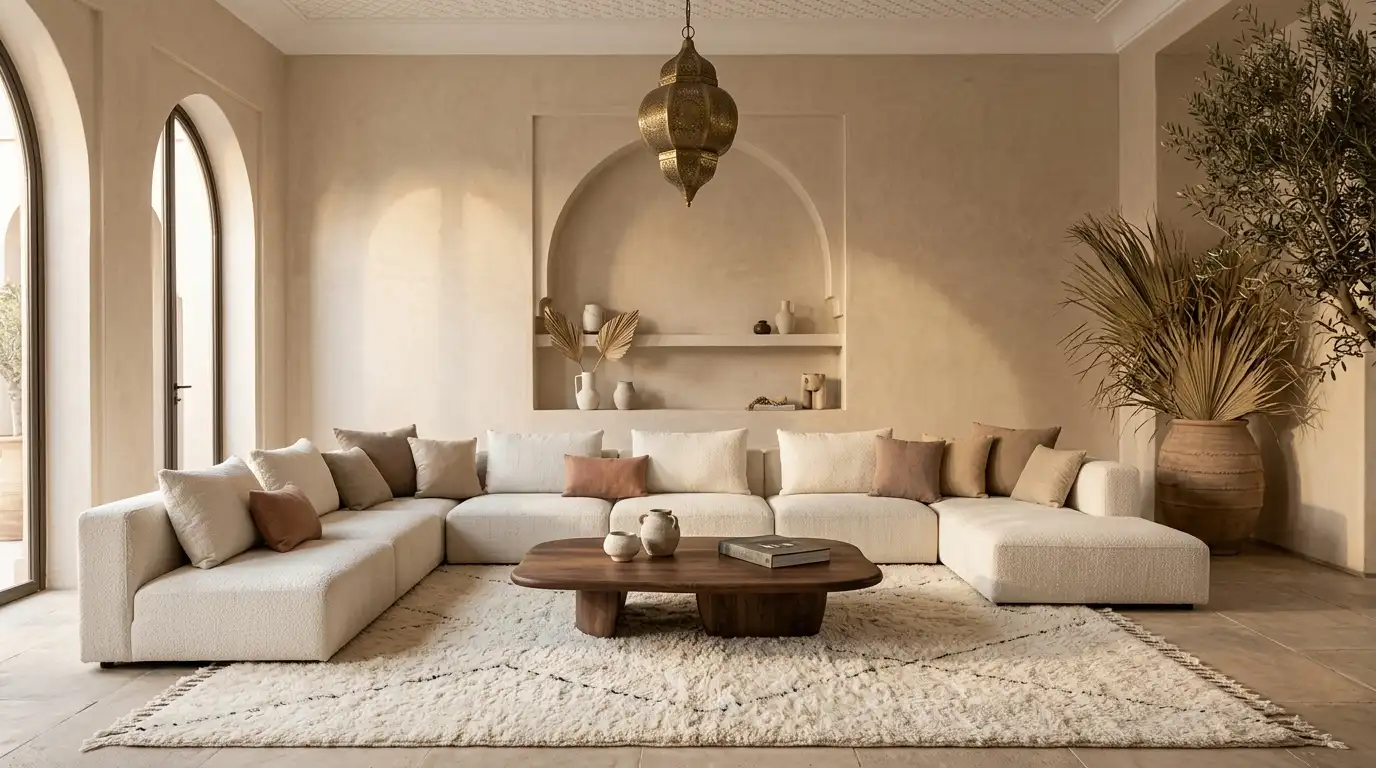

A beautifully designed Moroccan living room has a quality that transcends decoration. It invites us to slow down, appreciate craftsmanship, and experience the pleasure of a space designed for both intimate evenings and generous hospitality. From sculptural lanterns and hand-finished plaster to sumptuous seating and artisanal textiles, Moroccan interiors offer a distinctive approach to luxury rooted in material beauty rather than excess.
The contemporary interpretation, however, requires a more considered approach. Too many ornate accessories, competing patterns, or imitation architectural details can make a living room feel theatrical rather than sophisticated.
The most compelling modern Moroccan living room ideas combine the cultural richness of Moroccan design with the restraint of contemporary luxury interiors. Natural materials, sculptural furniture, architectural details, and carefully controlled color create spaces that feel warm, personal, and timeless.
Whether we’re designing a contemporary apartment, refining a traditional riad, or introducing Moroccan influences into a modern home, the objective remains the same: to create an interior that celebrates heritage without sacrificing elegance.
Table of Contents
1. Build a Luxury Moroccan Living Room Around Natural Materials
The foundation of an elevated Moroccan interior is the quality of its materials. Rather than relying on decorative objects to establish the aesthetic, we can create depth through stone, timber, plaster, wool, linen, and handcrafted metalwork.
These materials possess an inherent richness. Their subtle imperfections, natural variations, and tactile qualities make a room feel layered without requiring excessive ornamentation.
Consider pairing warm ivory walls with a sculptural walnut coffee table, a handwoven wool rug, and upholstery in textured linen. Aged brass introduces a gentle metallic accent, while handmade ceramics add individuality.
The contrast between these surfaces creates the visual interest that defines sophisticated interiors.
Choose Finishes That Age Beautifully
Luxury doesn’t always mean polished marble or glossy surfaces. In a Moroccan-inspired living room, matte finishes and natural patinas often feel more authentic and inviting.
Limewashed walls, honed stone, brushed brass, and solid wood introduce understated character. Rather than appearing perfectly uniform, these materials reveal their beauty gradually through changes in light and everyday use.
When selecting furniture and finishes, we should consider not only their immediate appearance but also how they will complement the home over time.
The most enduring interiors prioritize material integrity over decorative excess.
2. Create a Contemporary Moroccan Majlis With Exceptional Comfort
The majlis is central to the tradition of Moroccan hospitality. Designed around gathering, conversation, and shared experiences, it offers a natural foundation for a luxurious contemporary living room.
A modern majlis doesn’t need to reproduce the elaborate salons of the past. Instead, it can reinterpret the traditional arrangement through generous proportions, refined upholstery, and a thoughtful furniture layout.
Choose Low Seating With Elegant Proportions
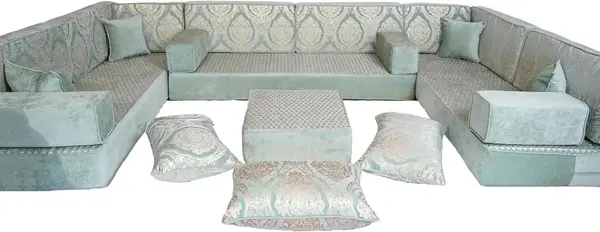
Low-profile sofas, upholstered benches, and modular seating can create the relaxed atmosphere associated with Moroccan interiors while maintaining a contemporary silhouette.
For a spacious living room, an L-shaped or U-shaped arrangement encourages conversation and gives the room a natural focal point. In a smaller space, a streamlined sofa paired with a low coffee table and two sculptural poufs can achieve a similar effect.
Look for upholstery in warm neutrals, including oatmeal, ivory, taupe, and soft stone. Natural linen and richly textured woven fabrics add dimension without making the furniture feel visually heavy.
The quality of the cushions matters just as much as their appearance. Supportive construction, comfortable seat depth, and durable upholstery make the seating suitable for everyday living as well as entertaining.
Layer Seating With Artisanal Accents
A refined majlis benefits from a few carefully selected details.
Handwoven cushions, a discreetly embroidered textile, or a beautifully crafted leather pouf can introduce Moroccan character without overwhelming the composition. The objective is to create a comfortable, inviting environment rather than a collection of decorative motifs.
Explore different modern majlis seating arrangements to find a balance between traditional hospitality and contemporary furniture design.
For a particularly elegant result, we can combine a clean-lined sofa with one distinctive handcrafted piece. This contrast allows the craftsmanship to stand out while keeping the overall room visually calm.
3. Use Moroccan Lanterns as Statement Lighting
Lighting can transform the character of a living room more dramatically than almost any decorative accessory.
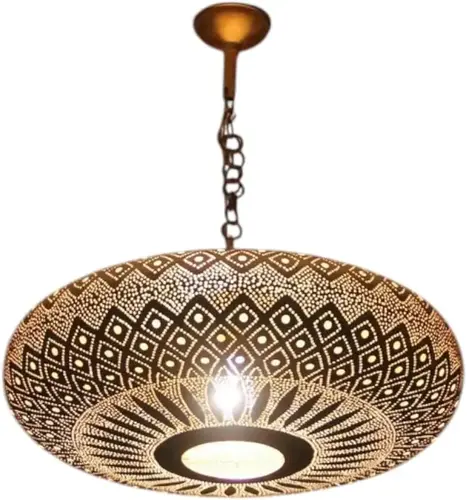
Traditional Moroccan lanterns are celebrated for their intricate metalwork and the patterned shadows they cast. In a luxury interior, these fixtures work best when their craftsmanship becomes a deliberate focal point.
A substantial brass pendant above a seating area, a pair of understated wall lanterns, or a sculptural metal fixture beside an architectural niche can establish a strong connection to Moroccan heritage.
Select Lanterns With Refined Finishes
For a contemporary living room, consider aged brass, brushed bronze, blackened metal, or subtly patinated copper.
These finishes complement natural stone, dark wood, warm plaster, and neutral upholstery. Their understated character also makes them easier to integrate into modern and minimalist interiors.
The silhouette matters. A beautifully proportioned lantern with delicate openwork can feel more sophisticated than an oversized fixture covered in elaborate ornamentation.
When choosing a pendant, we should consider the ceiling height, the dimensions of the room, and the relationship between the fixture and the furniture below it.
Layer Lighting for an Intimate Atmosphere
A luxurious living room should feel equally comfortable in daylight and after dark.
We can combine a statement pendant with wall sconces, discreet table lamps, and concealed accent lighting. Warm-white illumination helps create a welcoming evening atmosphere, while dimmers allow us to adjust the mood for reading, entertaining, or quiet relaxation.
Rather than illuminating every corner equally, we can use light to highlight textured walls, artwork, ceramics, and architectural details.
Discover our guide to Moroccan lanterns for more inspiration on choosing fixtures that balance artisanal character with contemporary elegance.
4. Embrace a Sophisticated Moroccan Color Palette
Color plays a defining role in the atmosphere of a Moroccan living room. Traditional interiors may feature vivid blues, greens, reds, and golds, but a modern luxury interpretation often uses these shades more selectively.
A restrained palette allows the architecture, materials, and furniture to take precedence.
Warm Neutrals as the Foundation
Ivory, sand, warm white, mushroom, and soft taupe provide a versatile starting point.
These shades work particularly well with natural wood, textured plaster, stone flooring, and handcrafted textiles. They also reflect light gently, helping the room feel spacious without appearing stark.
We can introduce contrast through deeper shades such as olive, chocolate brown, midnight blue, or muted terracotta.
For example, a cream sofa against warm plaster walls can be complemented by an olive cushion, a dark walnut table, and an aged-brass lantern. The result feels layered and distinctive without relying on a multitude of colors.
Use Rich Colors With Intention
A deeper palette can be equally sophisticated when the room has sufficient light and a clear visual structure.
Terracotta introduces warmth, forest green creates a connection to nature, and deep blue offers a more dramatic interpretation of Moroccan heritage.
Rather than introducing these shades everywhere, we can concentrate them in a rug, a pair of cushions, a piece of art, or a single upholstered chair.
A luxurious color palette is defined by harmony, not by the number of colors it contains.
5. Give Walls Architectural Character With Moroccan Plaster and Arches
Architecture often provides the most convincing expression of Moroccan style.
Traditional riads feature intimate courtyards, sculptural arches, carved details, and beautifully finished plaster surfaces. We can reinterpret these elements in contemporary homes without reproducing every traditional motif.
Introduce Limewash and Textured Plaster
Smooth plaster with subtle tonal variation creates a beautiful backdrop for modern Moroccan furniture.
Warm white, pale sand, and mineral beige finishes complement the organic materials used throughout the room. Their softly changing appearance adds depth, particularly when natural light moves across the walls.
For an understated luxury interior, textured finishes are often more effective than heavily patterned wallpaper or decorative wall panels.
We can use them throughout the living room or reserve a more distinctive finish for a fireplace wall or architectural recess.
Use Arches as Architectural Accents
The Moroccan arch is an instantly recognizable design feature, but restraint is essential.
An arched doorway, recessed niche, or carefully selected mirror can introduce the desired reference without making the interior feel themed.
Where the architecture permits, a built-in niche can display a sculptural ceramic vessel or a small piece of art. Integrated lighting can emphasize its proportions after dark.
In a contemporary apartment, an arched mirror or curved console can achieve a similar effect without structural renovation.
The most successful approach is to let one or two architectural details establish the character of the space.
6. Introduce Zellige and Stone With a Designer’s Restraint
Moroccan zellige is prized for its handmade character, subtle irregularities, and glazed surface. Its variations create a sense of depth that machine-perfect materials rarely replicate.
In a modern living room, zellige can introduce a distinctive accent while connecting the interior to Morocco’s rich craft traditions.
Where Zellige Works Best
A fireplace surround is a particularly effective location. Muted white, sage, pale blue, or earthy brown tiles can create a refined focal point against a plaster wall.
A small architectural niche or a discreet tiled feature can also work beautifully.
The key is to avoid competing with the tile through an excessive number of additional patterns. When zellige is the focal point, simpler upholstery, restrained artwork, and natural wood allow its texture to remain visible.
Balance Glazed Surfaces With Matte Finishes
The reflective quality of zellige becomes especially beautiful when paired with honed stone, matte plaster, linen, and timber.
This combination introduces contrast without creating a visually busy interior.
For a more understated interpretation, we can introduce natural stone through a coffee table, fireplace surround, or decorative object. Travertine and other stones with soft, organic veining can complement the warm palette of a Moroccan-inspired living room.
The goal is not to use every luxurious material available, but to select a few that work together naturally.
7. Choose Statement Furniture That Celebrates Craftsmanship
Furniture should contribute to the architecture and atmosphere of the room rather than simply fill available space.
In a sophisticated Moroccan living room, one distinctive handcrafted piece can provide more character than an entire collection of matching decorative furniture.
Invest in a Beautiful Coffee Table
A low coffee table often becomes the visual center of a majlis.
A sculptural walnut table, a carefully crafted piece in solid wood, or a stone-topped design can anchor the seating arrangement. Traditional Moroccan metal trays can introduce a more overt reference to local craftsmanship.
Consider the relationship between the table’s material and the surrounding furniture. A heavy carved table may suit a spacious salon, while a lighter round design can feel more appropriate in a compact apartment.
The table should be beautiful, but it must also be practical enough to accommodate drinks, books, and the everyday rituals of hospitality.
Combine Contemporary Furniture With Artisanal Pieces
A contemporary sofa can sit comfortably beside a handcrafted side table. A minimalist console can support a traditional ceramic vessel, while a sculptural accent chair can introduce a different texture.
This mix of old and new prevents the room from looking like a furniture showroom.
We should prioritize pieces with good proportions, quality materials, and a clear purpose. When every object has a reason to be present, the interior feels more personal and considered.
8. Layer Moroccan Rugs and Textiles for Quiet Luxury
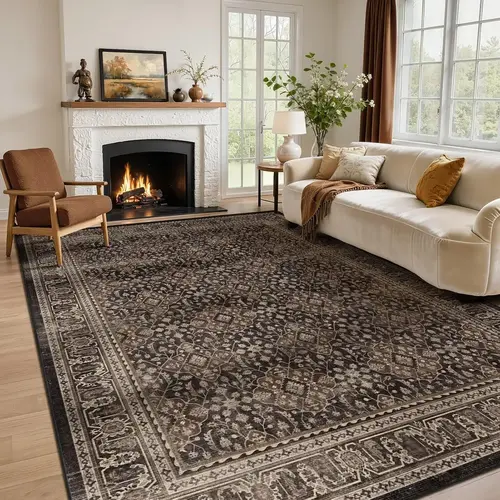
Textiles introduce warmth and softness into interiors dominated by stone, plaster, and wood.
Moroccan rugs, handwoven blankets, linen curtains, and textured cushions can make a contemporary living room feel more inviting while preserving its architectural simplicity.
Select a Rug With Lasting Appeal
A neutral wool rug with a restrained geometric pattern works beautifully beneath a contemporary seating arrangement.
Its texture provides contrast against smooth flooring, while a subtle design introduces Moroccan character without dominating the room.
For a more expressive interior, a vintage-inspired rug in muted terracotta, indigo, or burgundy can become the principal accent.
We should pay attention to scale. A rug that visually connects the sofa, coffee table, and occasional chairs creates a more cohesive arrangement than a small rug floating in the center of the room.
Layer Textures Rather Than Competing Prints
A luxurious interior often achieves its depth through differences in texture rather than elaborate pattern combinations.
Consider linen cushions, a wool throw, a leather pouf, and a woven rug in complementary tones. Each material contributes a different tactile quality while the palette remains consistent.
Curtains in natural linen or cotton can soften the windows and filter daylight. Their simplicity allows more distinctive elements, such as a lantern or handcrafted table, to become the focal point.
9. Curate Moroccan Art, Ceramics, and Decorative Objects
Accessories should communicate individuality and craftsmanship rather than serve as a checklist of traditional motifs.
A modern Moroccan living room benefits from objects selected for their material quality, form, provenance, and personal meaning.
Display Handmade Ceramics as Sculptural Objects
A large ceramic vessel, an understated bowl, or a hand-finished decorative piece can bring personality to a console or coffee table.
Rather than filling shelves with numerous small accessories, we can display one or two substantial pieces with enough surrounding space to appreciate their form.
Natural glazes, earthy colors, and subtle imperfections complement the contemporary Moroccan palette.
Choose Artwork With a Sense of Place
Abstract paintings, architectural photography, contemporary Moroccan art, and pieces inspired by North African landscapes can establish a personal connection to the region.
A substantial artwork above the sofa may provide all the decoration a wall needs.
We should avoid repeating the same decorative motif throughout the room. A more sophisticated interior allows different materials and influences to coexist without making everything look coordinated.
Leave Space for the Objects to Breathe
Negative space is an important part of luxury interior design.
An uncluttered console, a clear coffee table, or an intentionally empty section of wall allows the objects we choose to have greater visual impact.
This doesn’t mean the room must feel minimal or impersonal. It means every decorative element receives the attention it deserves.
10. Bring Nature Into the Moroccan Living Room
Natural elements complement the earthy palette and tactile materials associated with Moroccan interiors.
A sculptural olive tree, a carefully chosen indoor plant, or a simple arrangement of branches can introduce an organic element without competing with the furniture.
Planters in terracotta, stone, or understated ceramic finishes reinforce the relationship between nature and craftsmanship.
Where space permits, a substantial plant near a window can soften the transition between indoors and outdoors.
Natural daylight is equally important. Rather than blocking windows with heavy treatments, we can use lightweight curtains to create a softer atmosphere while preserving the connection to the surrounding environment.
The result is a living room that feels grounded, calm, and connected to its setting.
11. Create a Luxury Moroccan Living Room in a Small Space
Understated luxury depends on thoughtful decisions, not simply on square footage.
A compact living room can express Moroccan character beautifully when the furniture, lighting, and decorative details are selected according to the available space.
Start with a streamlined sofa, a proportionate coffee table, and a rug that visually connects the main seating pieces.
Use wall-mounted lighting or a carefully chosen pendant to preserve valuable surface space. A single arched mirror can introduce architectural character while reflecting available light.
For storage, closed cabinetry and discreet baskets help keep everyday objects out of sight.
Rather than introducing multiple small decorations, we can choose one distinctive lantern, a handcrafted ceramic vessel, and a textured rug. These pieces provide sufficient character without making the room feel crowded.
12. How to Achieve Moroccan Luxury Without Overspending
A refined Moroccan interior doesn’t require replacing every piece of furniture or sourcing expensive designer accessories.
The most effective approach is to invest selectively in elements that influence the room’s overall appearance and everyday comfort.
Prioritize the Pieces That Matter Most
We can begin with seating, lighting, and the rug because these elements establish much of the room’s visual identity.
If the existing sofa is comfortable and well made, refreshing it with new upholstery or carefully chosen cushions may be more worthwhile than replacing it.
A distinctive lantern or handcrafted coffee table can then introduce the Moroccan influence.
Choose Fewer, Better-Made Objects
Look for solid construction, quality materials, thoughtful proportions, and evidence of skilled workmanship.
Local artisans and reputable craft specialists can be valuable sources of handmade objects. When buying Moroccan furniture or accessories, we should consider the materials, finish, maker, and durability rather than judging quality by appearance alone.
A simple handmade piece with excellent proportions can be more compelling than an elaborate imitation.
Build the Interior Gradually
A considered living room develops over time.
We can establish the essential furniture and lighting first, then introduce artwork, ceramics, and textiles as the design evolves. This approach helps prevent impulse purchases and allows the interior to reflect personal taste rather than a predetermined theme.
13. Three Luxury Moroccan Living Room Styles to Consider
The Quiet Luxury Moroccan Salon
This interpretation combines warm ivory walls, a neutral upholstered sofa, a walnut coffee table, and a handwoven wool rug.
One sculptural brass lantern provides the focal point, while a small selection of ceramic objects introduces artisanal character.
The overall effect is calm and refined, with Moroccan influence expressed through craftsmanship, material quality, and proportion.
The Modern Organic Moroccan Living Room
For a more natural atmosphere, combine sand-colored plaster, earthy textiles, warm wood, and stone accents.
Olive green and terracotta introduce subtle color, while woven materials and organic shapes soften the architecture.
This style works particularly well in homes with abundant daylight, natural flooring, and a connection to outdoor spaces.
The Contemporary Luxury Majlis
A contemporary majlis emphasizes generous seating, thoughtful circulation, and the pleasure of gathering.
An upholstered bench or modular sofa creates the foundation. A substantial coffee table, a carefully selected rug, and a statement lantern establish the room’s character.
Traditional details appear selectively through cushions, metalwork, and handmade ceramics.
This interpretation preserves the welcoming spirit of Moroccan hospitality while adapting it to contemporary living.
Final Thoughts: The Art of Understated Moroccan Luxury
The most sophisticated Moroccan living rooms don’t rely on excess. They celebrate the beauty of craftsmanship, the warmth of natural materials, and the pleasure of a space designed around comfort and connection.
A well-proportioned majlis, a sculptural lantern, a beautifully textured rug, and a few meaningful artisanal objects can establish a distinctive atmosphere without overwhelming the architecture.
For a truly contemporary interpretation, we should allow Moroccan heritage to inform the design rather than dictate every detail. Pair traditional craftsmanship with clean-lined furniture, balance rich textures with quiet spaces, and prioritize materials that will remain beautiful long after passing trends have faded.
True luxury is the feeling a space creates, not the number of decorative elements it contains. With a thoughtful balance of Moroccan character and contemporary restraint, we can create a living room that feels welcoming, individual, and enduringly elegant.
Frequently Asked Questions About Modern Moroccan Living Rooms
How do we make a Moroccan living room look luxurious?
Focus on quality materials, comfortable seating, refined lighting, and carefully edited decoration. Natural stone, textured plaster, solid wood, artisanal textiles, and handcrafted metalwork create depth without relying on excessive ornamentation.
What colors work best for a modern Moroccan living room?
Warm white, ivory, sand, taupe, and beige provide an elegant foundation. Terracotta, olive green, deep blue, and burgundy can introduce character through selected textiles, artwork, or decorative accents.
How can we create a Moroccan living room without making it look kitschy?
Choose a few distinctive elements rather than combining every recognizable Moroccan motif. A handcrafted lantern, a textured rug, a contemporary majlis arrangement, and one or two artisanal objects can establish the aesthetic without overwhelming the room.
What is the best seating for a modern Moroccan majlis?
Low-profile sofas, upholstered benches, and modular seating are versatile options. The best arrangement depends on the room’s dimensions, but the seating should encourage conversation, provide genuine comfort, and maintain clear circulation.
Are Moroccan lanterns suitable for contemporary luxury interiors?
Yes. Moroccan lanterns can complement contemporary interiors when their proportions, metal finishes, and lighting quality suit the space. A single statement fixture often creates a more refined result than multiple competing lanterns.
Can Moroccan and minimalist interior design work together?
Absolutely. Both approaches can prioritize natural materials, considered proportions, and a sense of visual balance. We can combine minimalist furniture with Moroccan lanterns, handcrafted ceramics, textured rugs, and warm plaster finishes.
Which materials create an authentic Moroccan luxury aesthetic?
Natural wood, lime plaster, wool, linen, zellige, stone, brass, and handcrafted ceramics are excellent choices. Their appeal lies in their tactile qualities, workmanship, and ability to develop a rich visual character over time.