
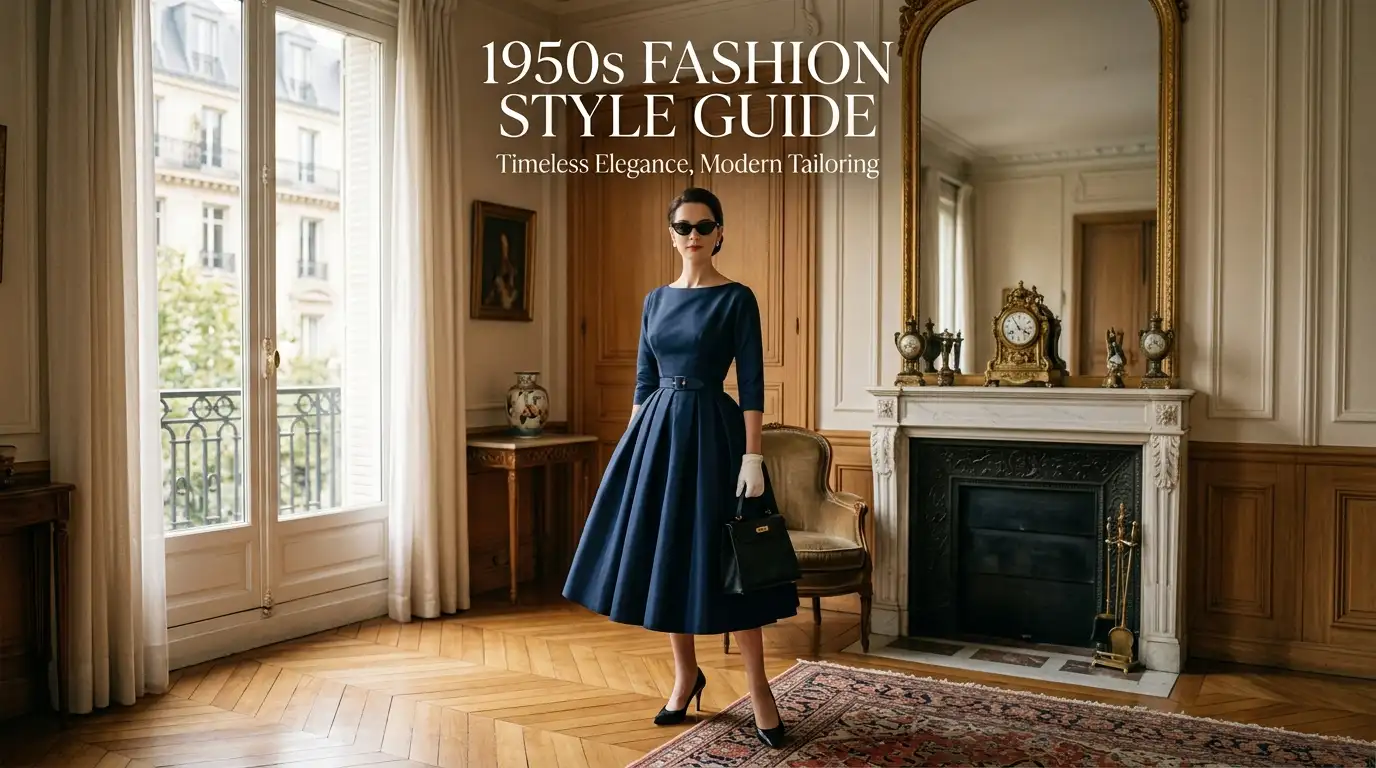

The 1950s fashion era remains one of the defining chapters in modern womenswear. Rather than treating it simply as nostalgic vintage clothing, we can understand the decade as a period of extraordinary attention to proportion, construction, fabric, and feminine tailoring. The decade produced silhouettes that were immediately recognizable: defined waists, sculpted bodices, generous skirts, precise pencil dresses, elegant coats, fitted trousers, and carefully coordinated accessories.
At the center of this aesthetic was a belief in clothing as architecture. Garments were designed to create proportion through structured tailoring, controlled volume, carefully placed seams, and exceptional textiles. Christian Dior’s New Look became one of the most influential expressions of this approach, establishing the narrow waist, rounded hip, and fuller skirt as an enduring fashion vocabulary.
Today, we can reinterpret those principles without turning an outfit into a costume. The most sophisticated approach combines 1950s-inspired silhouettes with contemporary restraint, premium materials, minimalist accessories, and modern proportions.
Table of Contents
Key Elements of 1950s Style & Silhouette
The New Look Legacy: Architectural Waistline & Structural Volume
The defining characteristic of many 1950s women’s outfits was the relationship between the waist and the surrounding volume. The waist was intentionally emphasized while skirts expanded outward, producing the celebrated hourglass silhouette.
This effect was not achieved through a single garment alone. Boned bodices, fitted waistbands, petticoats, carefully positioned darts, and structured undergarments worked together to establish the shape.
The New Look popularized an elegant contrast between a fitted upper body and a dramatic lower silhouette. A narrow waist could be paired with a circular skirt, pleated skirt, or softly gathered afternoon dress. For formal occasions, the construction could become even more elaborate, with multiple layers contributing to the architectural effect.
For modern wardrobes, we can preserve the principle without reproducing every historical detail. A sharply tailored waist, high-rise skirt, or fitted jacket can provide the same visual definition while maintaining a contemporary appearance.
Luxury Textiles of the Era: Heavy Crepe, Silk Taffeta, and Fine Wool
Fabric was essential to the appearance of genuine 1950s-inspired clothing. Structured silhouettes require textiles capable of holding shape, while evening garments depend on movement, surface texture, and controlled drape.
Silk taffeta offered crisp volume and a subtle sheen, making it particularly effective for evening dresses and full skirts. Heavy silk crepe provided a more fluid alternative, creating an elegant silhouette without excessive stiffness.
Fine wool, wool crepe, and luxurious double-faced fabrics were equally important for tailored garments. These materials created the clean lines associated with sophisticated daywear, coats, and suits.
When recreating the aesthetic today, fabric quality often matters more than decorative detail. A simple dress in beautifully finished silk can look considerably more refined than an elaborate garment made from inexpensive synthetic fabric.
Iconic 1950s Fashion Dresses: Fit-and-Flare vs. Pencil Shapes
The diversity of 1950s fashion dresses is often overlooked. The decade was not defined exclusively by enormous skirts. Two major silhouettes dominated women’s wardrobes: the feminine fit-and-flare shape and the narrow pencil or sheath silhouette.
The Hourglass Fit-and-Flare: Gala & Cocktail Sophistication
The fit-and-flare dress creates a clear transition from fitted bodice to fuller skirt. The waist becomes the visual center while the skirt provides movement and volume.
For evening occasions, this silhouette could be enhanced with luxurious textiles, sculptural necklines, elegant sleeves, and carefully finished seams. Petticoats were sometimes used underneath to increase volume, although not every dress required them.
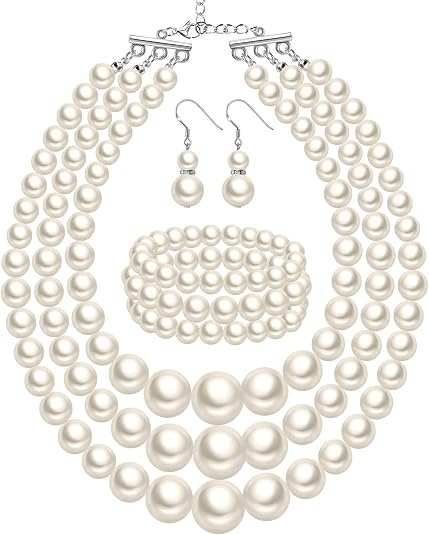
A modern interpretation works particularly well when the dress remains visually clean. We can combine a structured waist with a simple pointed pump, small handbag, and understated jewelry rather than adding numerous overtly retro accessories.
Construction is particularly important. Boning can reinforce the bodice, waist seams can provide definition, and weighted hems can help a skirt fall beautifully. These details create the controlled movement that distinguishes carefully made clothing from a superficial vintage imitation.
The Tailored Sheath & Pencil Dress: Executive Chic and Evening Grace
The pencil dress presents an entirely different interpretation of 1950s femininity. Instead of emphasizing volume, it follows the body’s vertical line.
The silhouette became closely associated with sophisticated daywear and evening dressing. High-quality construction could include shaped seams, fitted waists, precise darts, and narrow skirts that maintained a polished appearance while allowing movement.
For contemporary wardrobes, the pencil silhouette remains exceptionally versatile. A knee-length or midi sheath in wool crepe, silk blend, or another premium textile can work with modern leather pumps, a structured handbag, and minimal jewelry.
Fabric Selection: Choosing High-Grade Silk Over Synthetic Blends
For an elevated interpretation of 1950s style clothing for women, fabric selection should receive as much attention as the silhouette.
Natural silk offers distinctive luster and movement, while fine wool provides structure and warmth. Cotton sateen can work beautifully for polished daytime dresses, particularly when its finish is substantial rather than overly glossy.
We should also consider the behavior of the fabric. A full skirt needs enough body to maintain its shape, while a sheath requires controlled stretch or careful tailoring. The objective is not simply to choose an expensive textile but to select a material appropriate to the garment’s architecture.
Styling Tips for 1950s-Inspired Outfits in Modern Wear
Softening Retro Tropes With Minimalist Accessories
The easiest way to make a 1950s-inspired outfit feel current is to avoid wearing every recognizable vintage element simultaneously.
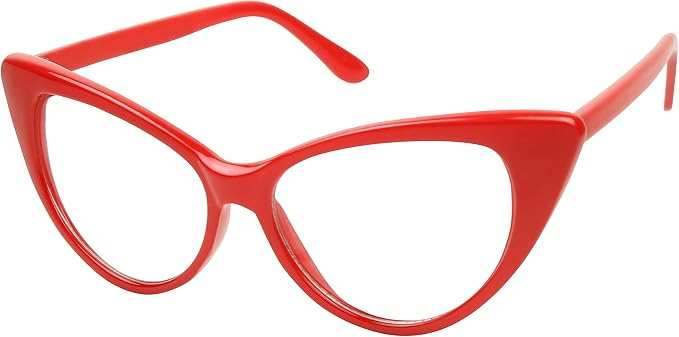
Instead, we can choose one strong vintage anchor. A cinched coat, vintage handbag, fit-and-flare dress, cat-eye sunglasses, or sculpted skirt can establish the period reference.
The remaining pieces should be contemporary.
A structured 1950s dress can be paired with minimalist leather pumps. A vintage handbag can accompany a modern silk blouse and tailored trousers. A cinched coat can be worn over a streamlined monochromatic outfit.
This approach preserves the character of the decade while preventing the result from appearing theatrical.
Complete Your 1950s Look With Cat-Eye Sunglasses
Monochromatic Palettes for a Quiet Luxury Aesthetic
Color can dramatically change how vintage-inspired clothing is perceived.
A monochromatic palette of ivory, cream, camel, charcoal, navy, chocolate, or black creates an understated interpretation of the era. Instead of relying on obvious prints, we can allow silhouette, fabric, and construction to provide visual interest.
For evening dressing, deep jewel tones and restrained neutrals can emphasize the richness of silk, satin, velvet, or fine wool without requiring excessive embellishment.
Statement Outerwear: Swing Coats and Cinch-Waisted Trench Coats
Outerwear was one of the most sophisticated components of 1950s dressing. Swing coats, fitted wool coats, caped shapes, and cinched trench coats created a polished silhouette before the wearer even entered a room.
A contemporary wardrobe can borrow this concept through a beautifully cut wool coat with a defined waist or an architectural trench with a substantial belt.
The best investment is often a coat with exceptional shoulder construction, clean seams, quality lining, and a balanced silhouette. These characteristics remain relevant regardless of changing trends.
Elevating Rockabilly Outfits With High-End Tailoring
Rockabilly emerged from a different cultural context than couture fashion, but its visual vocabulary can still be refined through premium construction.
Refining Rebellious Style: Soft Leather and Raw Selvedge Denim
Traditional rockabilly outfits often feature leather jackets, denim, fitted trousers, bold prints, and strong contrasts.
A luxury interpretation can retain those elements while improving the materials and construction. Consider a supple leather jacket with a precise fit, raw selvedge denim with a clean leg, or high-quality cotton trousers with substantial hardware.
The objective is not to remove the rebellious character. It is to make the outfit more intentional and better constructed.
Upgrading Footwear: From Saddle Shoes to Pointed Leather Pumps
Footwear can immediately shift the tone of a 1950s-inspired outfit.
Saddle shoes and classic loafers provide an authentic casual reference, while pointed leather pumps create a more refined interpretation. Slim ankle boots can also work particularly well with cigarette trousers and fitted jackets.
The shape of the shoe matters. A clean toe, elegant heel, polished leather, and restrained hardware can modernize an otherwise strongly retro ensemble.
Subtle Accentuation: Polka Dots and Corset Waistbands
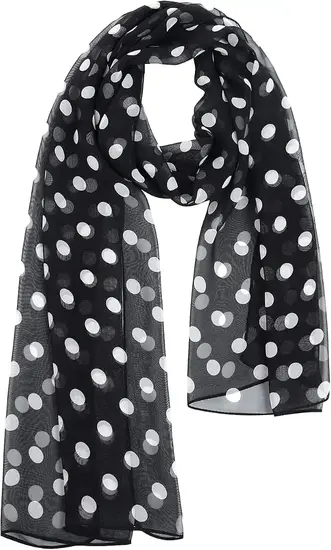
Polka dots remain one of the recognizable patterns associated with mid-century womenswear. Rather than covering an entire outfit in retro motifs, we can use the pattern strategically.
A polka-dot silk scarf, blouse, or small handbag can introduce the reference without overwhelming the outfit.
Corset-inspired waistbands offer another contemporary interpretation. When incorporated subtly into a tailored dress or high-waisted skirt, they echo the decade’s emphasis on waist definition without requiring historically accurate foundation garments.
1950s Fashion Inspiration & Essential Capsule Wardrobe
A sophisticated 1950s-inspired capsule wardrobe does not require dozens of vintage pieces. A carefully selected collection of versatile garments can recreate the essential proportions of the era.
The 50s-Inspired Luxury Capsule: 7 Core Investment Pieces
A refined capsule can begin with seven foundational pieces:
- A sculpted fit-and-flare dress in a premium fabric.
- A tailored pencil dress with precise waist shaping.
- A high-waisted midi skirt with controlled volume.
- A fitted silk blouse for balancing fuller skirts.
- A structured wool coat with a defined waist.
- A pair of elegant leather pumps with a clean silhouette.
- A structured vintage-inspired handbag in leather.
These pieces can be combined with modern wardrobe staples, making the aesthetic considerably more wearable.
The capsule should emphasize versatility rather than historical accuracy. A single beautifully constructed skirt can work with a silk blouse, cashmere knit, modern blazer, or fitted leather jacket.
Riviera and Resortwear: Tailored Shorts, Silk Scarves, and Cat-Eye Frames
The relaxed side of 1950s fashion inspiration deserves equal attention. Resortwear introduced a lighter interpretation of the decade’s polished aesthetic.
High-waisted tailored shorts, cropped trousers, fitted knit tops, silk scarves, structured handbags, and cat-eye sunglasses created an effortless Riviera vocabulary.
For modern wear, we can combine tailored shorts with a simple sleeveless blouse and leather sandals. A silk scarf tied at the neck or handbag adds a subtle period reference, while contemporary jewelry keeps the outfit current.
How to Build a Modern 1950s Outfit Without Looking Costumed
The most effective formula is surprisingly simple: choose one vintage silhouette, one premium material, and modern supporting accessories.
For example, a full midi skirt can be worn with a minimalist cashmere sweater and contemporary pumps. A vintage handbag can accompany straight-leg trousers and a silk shirt. A fitted pencil dress can be updated with modern architectural jewelry and a clean leather tote.
Proportion should remain the priority.
If the skirt is voluminous, the upper half can remain streamlined. If the dress is heavily structured, accessories can become quieter. If a statement coat creates the silhouette, the clothing underneath should support rather than compete with it.
This balance allows the principles of 1950s fashion for women to remain recognizable without creating a literal historical costume.
Why 1950s Tailoring Still Influences Modern Luxury Fashion
The enduring appeal of the decade comes from its emphasis on construction. The strongest garments were not dependent on fleeting graphics or novelty. They relied on proportion, fabric, craftsmanship, and fit.
The architectural waist, sculpted shoulder, controlled skirt volume, narrow pencil silhouette, and elegant outerwear of the period continue to provide designers with a vocabulary for creating sophisticated womenswear.
For a modern wardrobe, the most valuable lesson is therefore not to reproduce every detail of the past. It is to adopt the underlying principles: buy fewer pieces, choose better fabrics, prioritize fit, and allow construction to create the visual impact.
A modern 1950s fashion style guide ultimately leads back to the same idea: elegance begins with proportion. When a garment fits beautifully, uses an appropriate fabric, and has a clearly defined silhouette, it needs remarkably little decoration to make an impression.