
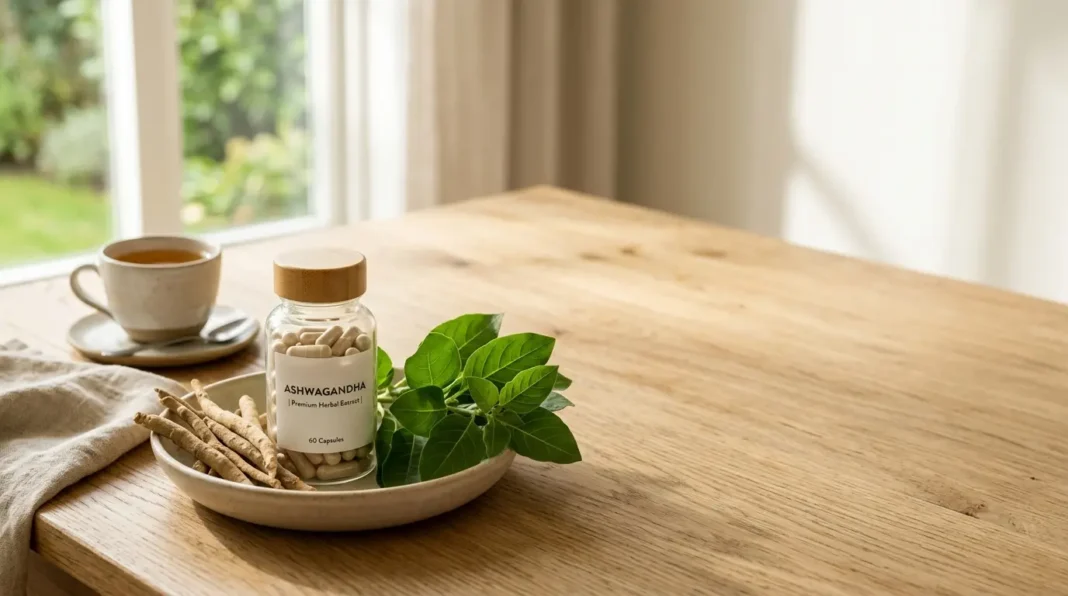

Anxiety has become one of the most common health concerns worldwide, leading millions of people to seek natural ways to support emotional well-being. Among the most researched herbal remedies, ashwagandha has earned significant attention for its ability to help the body adapt to stress and promote a greater sense of calm.
In this comprehensive guide, we explore everything you need to know about ashwagandha for anxiety, including how it works, the scientific evidence behind its effectiveness, recommended dosage, potential side effects, and tips for choosing a quality supplement.
Table of Contents
What Is Ashwagandha?
Ashwagandha (Withania somnifera) is an ancient medicinal herb that has been used in Ayurvedic medicine for more than 3,000 years. It belongs to a unique group of herbs known as adaptogens, which help the body respond more effectively to physical, emotional, and environmental stress.
The plant is native to India, the Middle East, and parts of Africa. While its leaves and berries have traditional uses, modern supplements primarily use the root extract, where many of the active compounds called withanolides are concentrated.
These naturally occurring compounds are believed to contribute to many of ashwagandha’s health benefits.
Can Ashwagandha Help Reduce Anxiety?
Research suggests that ashwagandha may help reduce symptoms of anxiety, particularly when anxiety is linked to chronic stress.
Unlike sedative medications that work by suppressing nervous system activity, ashwagandha appears to support the body’s stress response system, helping maintain healthier levels of stress hormones.
Several clinical studies have reported improvements in:
- General anxiety symptoms
- Perceived stress levels
- Sleep quality
- Mental clarity
- Emotional resilience
- Overall sense of well-being
Many participants experienced noticeable improvements after taking standardized ashwagandha extracts consistently for 6 to 12 weeks.
How Ashwagandha for Anxiety Works
Supports Healthy Cortisol Levels
One of the primary mechanisms involves cortisol, often referred to as the body’s stress hormone.
During prolonged periods of stress, cortisol levels can remain elevated, contributing to:
- Persistent anxiety
- Irritability
- Sleep disturbances
- Fatigue
- Difficulty concentrating
Ashwagandha has been shown in multiple studies to help support balanced cortisol levels, allowing the body to recover more efficiently from stressful situations.
Supports the Nervous System
Ashwagandha may influence neurotransmitters involved in mood regulation, including GABA, which plays an important role in calming brain activity.
While research continues, this interaction may partly explain why many users report feeling:
- More relaxed
- Less overwhelmed
- Better able to cope with daily stress
Reduces the Effects of Chronic Stress
Chronic stress affects nearly every system in the body.
Ashwagandha appears to help regulate the body’s stress response by supporting:
- Immune function
- Energy production
- Hormonal balance
- Cognitive performance
Rather than masking symptoms, adaptogens work by helping the body adapt more efficiently to ongoing challenges.
Scientific Research on Ashwagandha for Anxiety
Modern research has expanded significantly over the past decade.
Clinical trials have found that standardized ashwagandha extracts may significantly improve measures of stress and anxiety compared with placebo.
Reported improvements include reductions in:
- Stress questionnaire scores
- Anxiety rating scales
- Morning cortisol levels
- Sleep disturbances
- Fatigue associated with chronic stress
Although findings are encouraging, researchers continue studying the optimal dosage, long-term effectiveness, and which populations benefit the most.
Benefits of Ashwagandha for Anxiety
Many individuals take ashwagandha not only for anxiety but also for its broader wellness benefits.
Improved Sleep Quality
Stress and poor sleep often create a frustrating cycle.
Ashwagandha may promote:
- Faster sleep onset
- Deeper sleep
- Better sleep efficiency
- Reduced nighttime awakenings
Better sleep often contributes to improved mood and reduced anxiety the following day.
Enhanced Cognitive Function
Some evidence suggests that ashwagandha may support:
- Memory
- Focus
- Attention
- Processing speed
Reduced stress may also indirectly improve productivity and mental performance.
Increased Physical Energy
Unlike stimulants that provide temporary energy boosts, ashwagandha may help improve overall energy by reducing the burden of chronic stress.
Users frequently report:
- Less fatigue
- Better endurance
- Improved recovery
- Greater daily motivation
Supports Immune Health
Chronic stress weakens immune defenses.
Ashwagandha’s adaptogenic properties may help maintain a healthier immune response during prolonged periods of emotional or physical stress.
Who May Benefit from Ashwagandha?
Ashwagandha may be suitable for adults experiencing:
- Everyday stress
- Mild to moderate anxiety
- Work-related stress
- Academic pressure
- Sleep difficulties related to stress
- Mental fatigue
- Burnout symptoms
It is not intended to replace professional treatment for severe anxiety disorders or other mental health conditions.
Recommended Dosage for Anxiety
Most clinical studies use standardized root extracts rather than raw powdered root.
Typical daily doses range between:
- 240 mg
- 300 mg
- 500 mg
- 600 mg
Some studies have used doses as high as 1,000 mg, though higher amounts are not always more effective.
Many healthcare professionals recommend beginning with a lower dose and adjusting gradually if appropriate.
Consistency is more important than taking large amounts.
How Long Does Ashwagandha Take to Work?
Results vary depending on the individual.
Some people notice improvements within:
- One week
- Two weeks
For many users, more noticeable benefits appear after:
- Four weeks
- Six weeks
- Eight weeks
Clinical research often measures outcomes after 8–12 weeks of consistent use.
Choosing the Best Ashwagandha Supplement
Not every supplement provides the same quality.
When selecting a product, look for:
- Standardized root extract
- Clearly listed withanolide percentage
- Third-party testing
- Transparent ingredient labeling
- Minimal fillers
- Reputable manufacturer
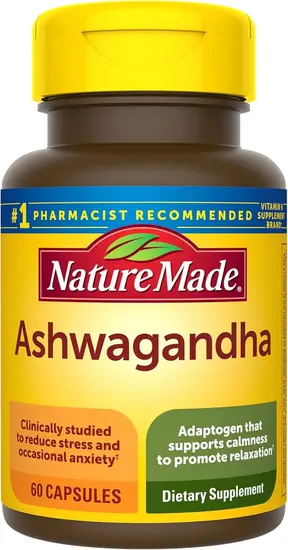
If you’re comparing products, our guide to the best ashwagandha supplement can help you evaluate potency, quality, and value before purchasing.
Possible Side Effects
Ashwagandha is generally considered well tolerated by many healthy adults.
Possible side effects may include:
- Mild stomach upset
- Nausea
- Diarrhea
- Drowsiness
- Headache
These effects are usually mild and often improve by taking the supplement with food.
Who Should Avoid Ashwagandha?
Ashwagandha may not be appropriate for everyone.
Consult a healthcare professional before use if you:
- Are pregnant or breastfeeding
- Have thyroid disorders
- Have autoimmune diseases
- Take medications for anxiety
- Use sedatives
- Take blood pressure medication
- Take diabetes medication
- Have liver disease
Professional medical guidance helps reduce the risk of unwanted interactions.
Can Ashwagandha Be Taken Daily?
Many clinical studies have evaluated daily use for several weeks or months.
For healthy adults using appropriate doses, daily supplementation is commonly practiced.
Some individuals choose to take occasional breaks, although no universal schedule exists.
Always follow the dosage instructions provided with your supplement or those recommended by your healthcare provider.
Lifestyle Tips to Maximize Anxiety Relief
Ashwagandha works best when combined with healthy daily habits.
Support your mental wellness by:
- Prioritizing consistent sleep
- Exercising regularly
- Practicing mindfulness
- Limiting excessive caffeine
- Eating nutrient-rich foods
- Staying hydrated
- Spending time outdoors
- Maintaining social connections
These habits complement the body’s natural stress-management systems.
Ashwagandha for Anxiety Final Thoughts
Ashwagandha has become one of the most widely studied herbal supplements for stress management and anxiety support. Current evidence suggests that it may help reduce stress, support healthy cortisol levels, improve sleep quality, enhance resilience, and promote a greater sense of calm when used consistently as part of a healthy lifestyle.
While it is not a cure for anxiety disorders, many adults find it to be a valuable addition to their overall wellness routine. Choosing a high-quality standardized extract, following appropriate dosage guidelines, and consulting a healthcare professional when necessary can help maximize both safety and potential benefits.
Conclusion
Ashwagandha offers a promising natural approach to supporting stress management and reducing anxiety symptoms. Backed by growing scientific research and centuries of traditional use, this adaptogenic herb may help promote emotional balance, better sleep, improved resilience, and overall well-being.
When combined with healthy lifestyle habits and used responsibly, ashwagandha can be a valuable tool for those seeking a more balanced response to everyday stress.
Frequently Asked Questions
Is Ashwagandha Better Than Other Natural Anxiety Supplements?
Different supplements work differently for each individual. Ashwagandha stands out because it has one of the strongest research bases among adaptogenic herbs for stress reduction.
Can Ashwagandha Replace Anxiety Medication?
No. Individuals prescribed anxiety medication should never discontinue treatment without medical supervision.
Ashwagandha may serve as a complementary wellness supplement, but it should not replace professional medical care.
Can I Take Ashwagandha at Night?
Yes. Many people prefer taking it in the evening because of its calming effects, especially if stress interferes with sleep.
Others tolerate morning use equally well.
Does Ashwagandha Cause Drowsiness?
Most users do not experience excessive daytime drowsiness, although some people report feeling more relaxed after taking it.
Starting with a lower dose allows you to assess your personal response.
Can Healthy Adults Take Ashwagandha?
Many healthy adults use ashwagandha to help manage everyday stress and support overall wellness, provided they have no medical conditions or medication interactions that would make it unsuitable.