


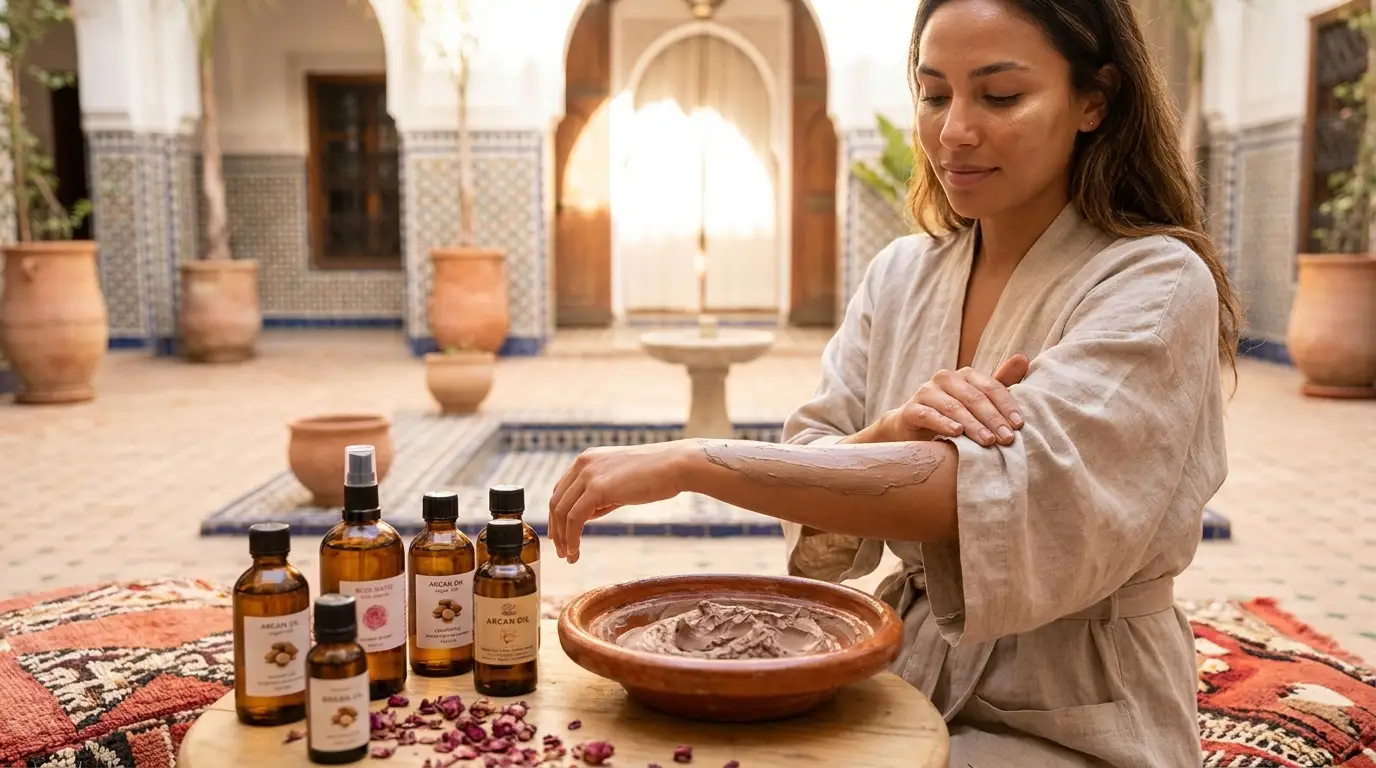
Okay, let’s be real for a second — if you’ve ever stepped outside in Morocco in July, you know your skin has been through a lot. The blazing sun, the dry desert winds, the humidity along the coast… your skin is basically doing cardio every single day. That’s exactly why himayat al jild — skin protection — isn’t just a beauty trend here, it’s a lifestyle essential.
Whether you’re dealing with oily skin in Marrakech’s heat or dry patches from the chilly Atlas Mountain air, building a solid skincare routine tailored to Moroccan conditions is genuinely life-changing. And the good news?
Morocco already has some of the world’s most powerful natural skincare ingredients sitting right in local souks. You just need to know how to use them properly.
Let’s dive in.
Table of Contents
What Is Himayat Al Jild — And Why Does It Matter So Much?
“Himayat al jild” literally translates to skin protection in Arabic, but in the context of skincare, it covers the full spectrum — cleansing, moisturizing, sun protection, and nourishment. It’s the idea that your skin deserves consistent, intentional care, not just a splash of water and hope.
Moroccan skin — like most Mediterranean and North African skin types — tends to be medium to olive in tone, with higher melanin levels that offer some natural UV protection. But don’t let that fool you. The combination of intense sun exposure, hard water, and pollution still takes a serious toll without proper protection.
The traditional Moroccan approach to skin health was honestly ahead of its time. Think argan oil, rose water, rhassoul clay, black seed oil — ingredients that modern dermatologists are only now shouting about. So why not blend the wisdom of your grandmothers with a little modern skincare science? That’s exactly what this routine is about.
1. Start With the Right Cleanser — Know Your Skin Type First
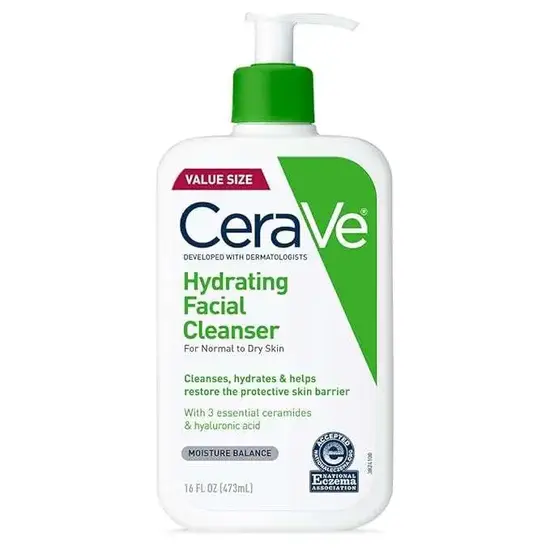
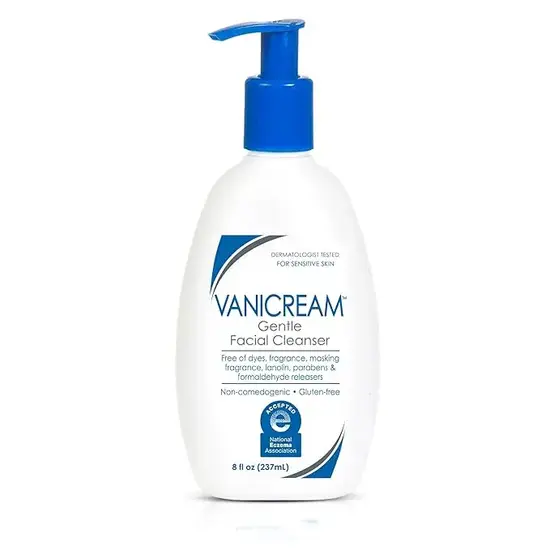
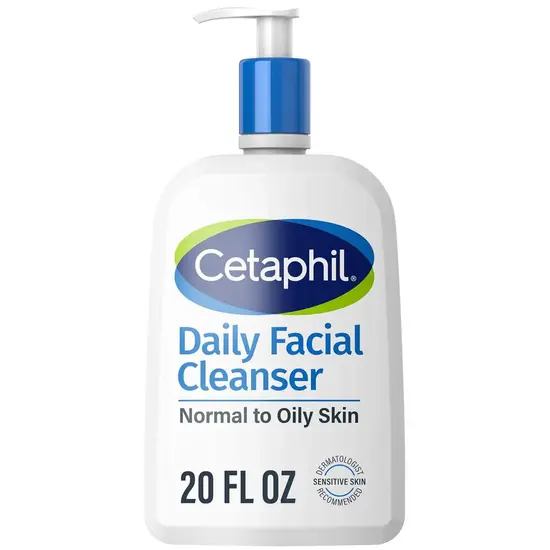
Before you build any daily skincare routine, you need to understand your skin type. Moroccan climate means most people deal with combination to oily skin during summer months, while winter brings dryness — especially in inland cities like Fes or Meknes.
For oily/combination skin: Look for a gentle foaming cleanser with salicylic acid or neem extract. Something that removes excess sebum without stripping your skin’s natural barrier.
For dry or sensitive skin: A cream-based or micellar cleanser is your best friend. Avoid anything with sulfates — they’re way too aggressive and will leave your skin tight and irritated.
Pro tip? Washing your face twice a day (morning and evening) is the sweet spot. More than that, and you risk disrupting your skin’s microbiome. Less than that, and hello clogged pores.
2. Rhassoul Clay — Morocco’s OG Deep Cleanser
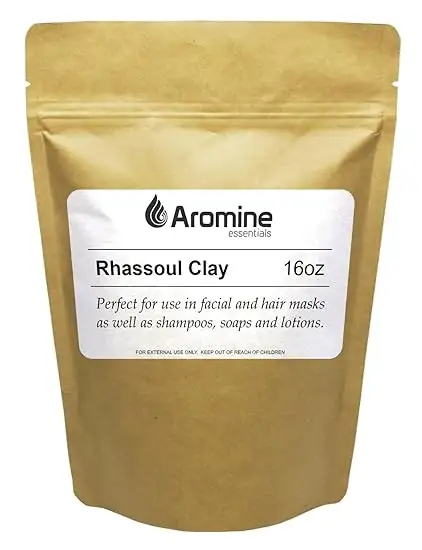
If you haven’t tried rhassoul clay (also spelled ghassoul), you’re seriously missing out. This mineral-rich volcanic clay from the Atlas Mountains has been used for centuries as part of traditional Moroccan skin purification rituals. And honestly? It slaps.
Rhassoul is naturally negatively charged, which means it literally draws out positively charged impurities — oil, toxins, heavy metals — from deep within your pores. It’s like a magnet for everything your skin doesn’t need.
Use it as a face mask once or twice a week:
- Mix 1-2 tablespoons of rhassoul with rose water until you get a smooth paste
- Apply to your face, avoiding the eye area
- Leave on for 10–15 minutes
- Rinse with lukewarm water
Your skin will feel impossibly soft. It’s one of those things that you try once and immediately wonder why you were spending money on fancy store masks.
3. Argan Oil — The Liquid Gold of Himayat Al Jild
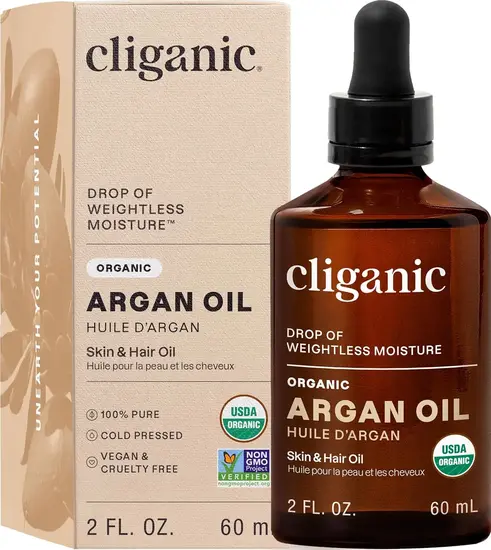
Ah, argan oil. The crown jewel of Moroccan skincare. If Morocco had a skincare mascot, it would be this gorgeous golden elixir from the argan tree found in the Souss region.
Rich in vitamin E, omega fatty acids, and antioxidants, argan oil is a powerhouse for:
- Deep moisturization without greasiness
- Reducing hyperpigmentation and dark spots
- Fighting free radical damage from UV exposure
- Improving skin elasticity and firmness
For your himayat al jild routine, use a few drops of pure, cold-pressed argan oil at night as your final moisturizing step. Morning too, if your skin tends to be dry. A little goes a long way — seriously, don’t go overboard or you’ll look like you just left a hammam.
Quick shopping tip: Look for “huile d’argan pure” labels and check that argan oil is the first (and ideally only) ingredient. A lot of commercial products dilute it heavily.
4. Rose Water — Your Moroccan Skin’s Best Friend for Toning
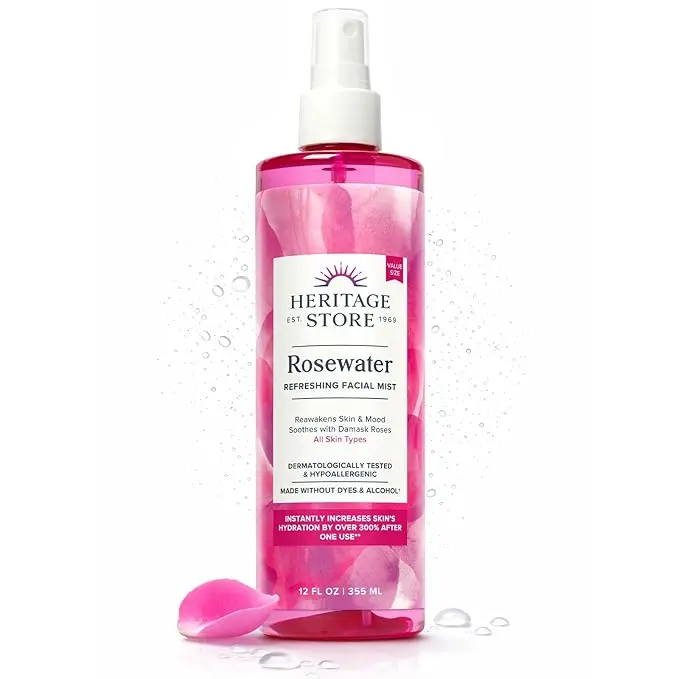
Rose water from Kelaa M’gouna (the “Valley of Roses” in Morocco) is basically magic in a bottle. It’s gentle, naturally anti-inflammatory, and works as a perfect toner for almost every skin type.
After cleansing, spritzing or patting rose water onto your face:
- Balances your skin’s pH
- Minimizes the appearance of pores
- Soothes redness and irritation
- Preps your skin for better absorption of serums and moisturizers
It’s one of the most underrated steps in skin care routines, honestly. And the Moroccan stuff? Straight-up divine. You can find it at any souk or online from local distilleries — way more potent than the watered-down versions you’ll find in supermarkets.
5. SPF Is Non-Negotiable — Full Stop
Okay, this one’s not traditional, but it’s the most important step in himayat al jild, especially in Morocco where UV index regularly hits 9–11 during summer. That’s extreme. That’s “wear sunscreen or deal with consequences” territory.
Broad-spectrum SPF 30 or higher should be the absolute last step in your morning routine, applied generously about 15 minutes before sun exposure. Yes, even if you have darker skin. Yes, even if you’re just driving. UV rays don’t care about your melanin level when it comes to premature aging, uneven skin tone, and long-term damage.
Look for lightweight, non-comedogenic formulas if you’re prone to breakouts — many modern SPFs are gel-based and wear beautifully under makeup or alone.
If there’s one thing to take away from this entire article, it’s this: sunscreen is the real himayat al jild. Everything else is supporting cast.
6. Hydration From the Inside Out — Don’t Sleep on This
No skincare routine — no matter how good your argan oil is — can compensate for chronic dehydration. And if you live in Morocco, especially during Ramadan or hot summers, this is a real issue.
Here’s what genuinely supports skin hydration and health:
- Water: Aim for 8-10 glasses a day. Yes, the cliché is true.
- Green tea: Rich in polyphenols that fight oxidative stress and inflammation
- Almonds and walnuts: Loaded with vitamin E and healthy fats that support the skin barrier
- Olive oil in your diet: The Mediterranean diet isn’t just good for your heart — it literally improves skin texture and moisture levels
- Harira or lentil soups: High in zinc and iron, both critical for cell turnover and glowing skin
Your daily skin protection starts at the table, not just the bathroom cabinet.
7. Weekly Hammam Ritual — The Ultimate Skin Reset
You didn’t think we’d get through a Moroccan skincare article without mentioning the hammam, did you?
The traditional hammam ritual is genuinely one of the most effective deep skin care treatments in existence. The steam opens your pores, the kessa mitt (exfoliating glove) physically removes dead skin cells, and the application of savon beldi (traditional black olive soap) nourishes and conditions.
Even if you can’t make it to a hammam weekly, you can recreate a simplified version at home:
- Steam your face over a bowl of hot water for 5 minutes (optional but great)
- Apply savon beldi to damp skin and leave for 3–5 minutes
- Use a kessa mitt or exfoliating cloth to gently slough away dead skin
- Follow with your rose water toner and argan oil
Do this once a week, and your skin will maintain that signature Moroccan glow that people always notice but can never quite explain.
Putting It All Together: Your Daily Himayat Al Jild Routine
Here’s your simple, actionable routine:
Morning:
- Gentle cleanser
- Rose water toner
- Lightweight moisturizer or serum
- SPF 30+ (always!)
Evening:
- Double cleanse (especially if you wore makeup or SPF)
- Rose water toner
- Targeted serum (vitamin C for glow, niacinamide for pores)
- Argan oil or nourishing night cream
Weekly:
- Rhassoul clay mask (1-2x per week)
- Hammam or home exfoliation ritual (1x per week)
Final Thoughts
The beauty of himayat al jild is that it doesn’t have to be complicated or expensive. Morocco has gifted us with some of the world’s finest natural skincare ingredients — argan oil, rhassoul clay, rose water, savon beldi — and combining them with modern essentials like SPF and hydrating serums creates a routine that’s both culturally rooted and scientifically sound.
Your skin is unique. It’s been shaped by your environment, your genetics, your lifestyle. But with consistent skin protection habits, the right natural ingredients, and a little self-care love, healthy, glowing skin isn’t a dream — it’s just Tuesday.
Start simple. Stay consistent. And don’t forget the SPF.
Did you find this helpful? Drop your favorite Moroccan skincare ingredient in the comments — always love discovering what’s working for people!

