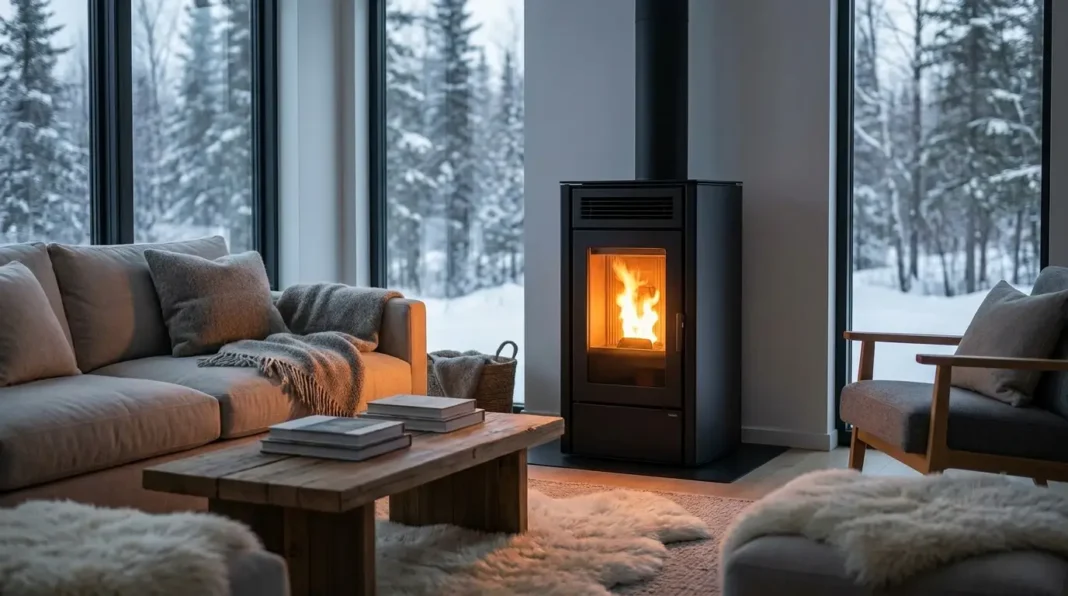

In recent years, pellet stoves have become one of the most efficient, eco-friendly, and cost-effective home heating solutions available. As we move toward more sustainable living, we recognize the importance of reducing fossil fuel dependency while maintaining comfort during colder months. A wood pellet heater achieves this balance by using compressed wood pellets made from recycled sawdust, wood shavings, and biomass materials.
Unlike traditional wood-burning stoves, pellet stoves offer automated fuel feeding systems, precise temperature control, and significantly lower emissions. This makes them ideal for homeowners who want both convenience and environmental responsibility without compromising on warmth.
We see pellet stoves as a smart investment for modern households seeking long-term energy savings and reliable heating performance.
Table of Contents
How Pellet Stoves Work: A Simple Yet Advanced Heating System
To make the right purchase decision, it is essential to understand how wood pellet heater operate. At their core, these systems rely on four key components:
- Hopper: Stores wood pellets before combustion
- Auger system: Automatically feeds pellets into the burn pot
- Burn pot: Where pellets are ignited and burned
- Blower fan: Distributes heat efficiently throughout the room
Once activated, the auger continuously delivers pellets into the burn chamber at a controlled rate. This ensures a steady flame and consistent heat output. Modern units often include digital thermostats and programmable settings, allowing homeowners to maintain ideal indoor temperatures with minimal manual effort.
We appreciate this automation because it eliminates the need for constant refueling, unlike traditional fireplaces.
Key Benefits of Using a Wood Pellet Heater
When evaluating heating options, pellet burner stove stand out for several compelling reasons. Below are the most important advantages we consider:
1. High Energy Efficiency
Biomass pellet stove typically operate at 70% to 90% efficiency, meaning most of the fuel is converted into usable heat. This efficiency translates directly into lower heating costs over time.
2. Environmentally Friendly Heating
Since pellets are made from recycled biomass materials, they produce significantly fewer emissions compared to coal or oil heating systems. This makes pellet burner stove a carbon-conscious heating solution.
3. Cost-Effective Fuel Source
Wood pellets are often cheaper and more stable in price than fossil fuels. This allows homeowners to better manage seasonal heating expenses.
4. Convenient Automation
With automatic ignition and fuel feeding systems, pellet stoves require minimal daily maintenance. We find this especially beneficial for busy households.
5. Consistent Heat Output
Unlike traditional wood stoves, pellet stoves provide steady, regulated heat without frequent temperature fluctuations.
Types of Pellet Stoves: Choosing the Right Model
Selecting the right type of pellet stove is essential for maximizing performance and comfort. We typically categorize pellet stoves into three main types:
Freestanding Pellet Stoves
These are the most common models and are designed to sit anywhere in a room. They are ideal for heating large open spaces and offer strong heat output.
Insert Pellet Stoves
Designed to fit into existing fireplaces, insert models are perfect for upgrading older heating systems without major renovations.
Wall-Mounted Pellet Stoves
Compact and modern, wall-mounted small pellet stove are suitable for smaller homes or apartments where floor space is limited.
Each type offers unique advantages depending on your home layout and heating needs.
Key Factors to Consider Before Buying a Wood Pellet Heater
Choosing the right pellet burner stove requires careful evaluation of several important factors. We recommend focusing on the following:
Heating Capacity (BTU Rating)
The BTU rating determines how much space the stove can effectively heat. For example:
- Small rooms: 8,000–20,000 BTU
- Medium homes: 20,000–40,000 BTU
- Large spaces: 40,000+ BTU
Selecting the correct BTU ensures optimal performance and energy efficiency.
Hopper Capacity
A larger hopper means longer burn time without refilling. If convenience is a priority, we recommend models with high-capacity hoppers.
Efficiency Rating
Always look for stoves with high efficiency ratings (above 75%) to maximize fuel usage and reduce operating costs.
Noise Level
Some Wood pellet heater produce fan noise during operation. Premium models are designed for quiet performance, which is important for bedrooms and living areas.
Ease of Maintenance
Regular cleaning is required to maintain performance. Models with easy-access ash pans and self-cleaning features are highly recommended.
Installation Requirements and Safety Considerations
Proper installation is critical for safe and efficient operation. Biomass pellet stove require:
- A venting system for exhaust gases
- Proper clearance from combustible materials
- A stable, non-flammable surface
- Electrical connection for automated components
We strongly recommend professional installation to ensure compliance with safety standards and optimal performance.
Additionally, regular inspection of vents and cleaning of ash buildup helps maintain long-term safety.
Pellet Stove Maintenance Tips for Long-Term Performance
To keep your wood pellet heater operating efficiently, we recommend following these maintenance practices:
Daily Maintenance
- Empty ash pan when needed
- Check pellet feed consistency
Weekly Maintenance
- Clean burn pot thoroughly
- Inspect glass door for residue
Seasonal Maintenance
- Deep clean exhaust vents
- Inspect blower fans and internal components
- Schedule professional servicing if required
Consistent maintenance not only extends the lifespan of your stove but also ensures maximum heating efficiency.
Cost of Pellet Stoves and Long-Term Savings
The price of pellet stoves varies depending on size, features, and brand quality. On average, homeowners can expect:
- Entry-level models: Affordable and basic functionality
- Mid-range models: Balanced performance and efficiency
- High-end models: Advanced automation and premium materials
While the initial investment may seem higher than traditional heaters, the long-term savings on fuel and maintenance often offset the upfront cost. Over time, wood pellet heater can significantly reduce household heating expenses.
Common Mistakes to Avoid When Buying a Pellet Stove
We often see buyers make avoidable mistakes, such as:
- Choosing the wrong BTU capacity for their space
- Ignoring installation requirements
- Selecting low-quality pellets that reduce efficiency
- Overlooking maintenance needs
- Focusing only on price instead of long-term value
Avoiding these mistakes ensures better performance and satisfaction with your purchase.
Final Thoughts: Making the Right Investment
A pellet stove is more than just a heating appliance—it is a long-term investment in comfort, sustainability, and energy efficiency. By carefully evaluating capacity, efficiency, installation needs, and maintenance requirements, we can confidently select a model that meets both practical and environmental goals.
As energy costs continue to rise, biomass pellet stove remain one of the most reliable and future-proof heating solutions available for modern homes.