


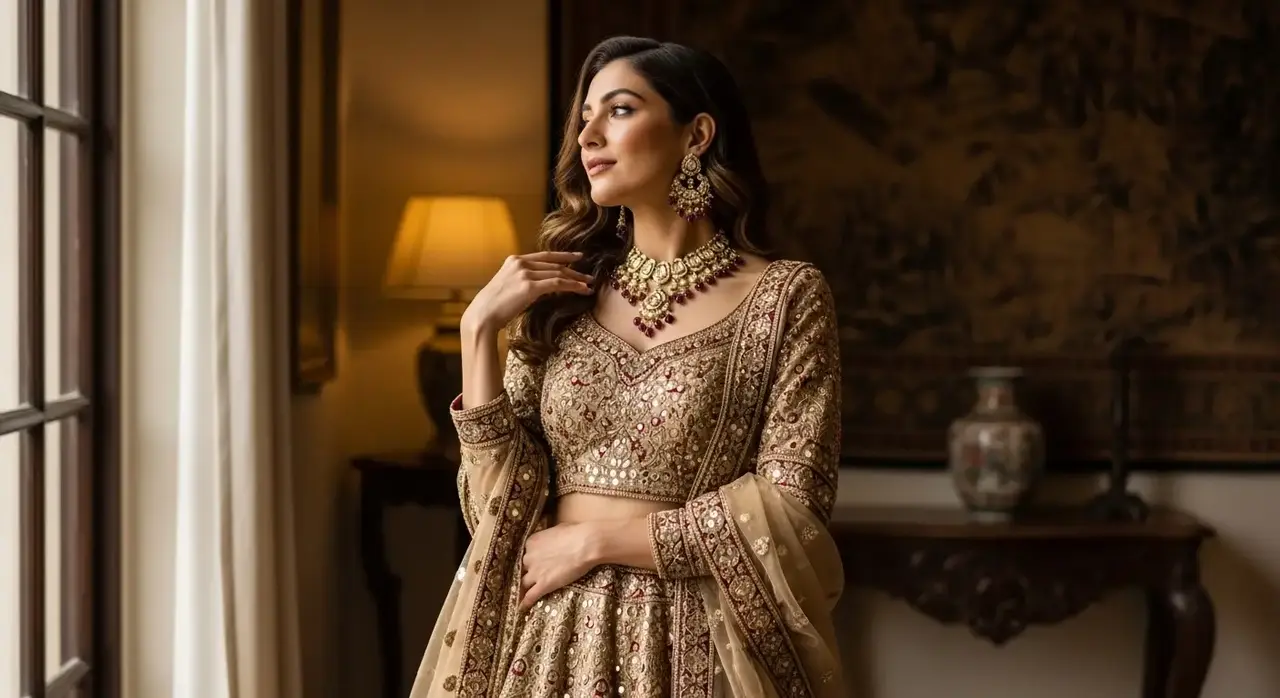
Ethnic wear for women represents a seamless blend of tradition, culture, and evolving fashion sensibilities. We explore a world where heritage meets contemporary design, offering garments that celebrate identity while adapting to modern lifestyles.
From intricately embroidered ensembles to minimalist silhouettes, ethnic wear continues to dominate wardrobes across generations due to its versatility and enduring charm.
Table of Contents
The Cultural Significance of Ethnic Wear
Ethnic attire carries profound cultural value, reflecting regional craftsmanship, rituals, and historical narratives. Each piece tells a story through its fabric, motifs, and techniques.
We recognize that wearing ethnic garments is not merely about fashion—it is about preserving traditions and honoring artistry passed down through centuries.
Traditional garments often symbolize:
- Festivals and celebrations
- Marital and ceremonial customs
- Regional identity and heritage
This deep-rooted significance makes ethnic wear an essential part of every woman’s wardrobe.
Popular Types of Ethnic Wear for Women
1. Sarees: The Epitome of Grace
The saree remains one of the most iconic forms of ethnic wear. Known for its elegance and adaptability, it can be styled in numerous ways to suit different occasions.
Key styles include:
- Silk sarees for weddings and formal events
- Cotton sarees for everyday sophistication
- Georgette and chiffon sarees for modern, lightweight appeal
2. Salwar Kameez: Comfort Meets Style
The salwar kameez offers unmatched comfort without compromising elegance. It consists of a tunic (kameez), trousers (salwar), and a dupatta.
Popular variations:
- Anarkali suits with flowing silhouettes
- Straight-cut suits for a contemporary look
- Palazzo suits for added flair and comfort
3. Lehenga Choli: Festive Glamour
A staple for weddings and grand occasions, the lehenga choli exudes opulence. With heavily embroidered skirts paired with fitted blouses, this attire is synonymous with celebration.
Modern adaptations include:
- Crop top lehengas
- Jacket-style lehengas
- Minimalist pastel designs
4. Kurtis and Tunics: Everyday Ethnic Chic
Kurtis are versatile and can be paired with jeans, leggings, or skirts. They offer a perfect balance between casual and traditional wear.
Trending styles:
- Asymmetrical cuts
- Indo-western fusion designs
- Printed and embroidered patterns
5. Sharara and Gharara Sets
These regal outfits are making a strong comeback. Known for their flared pants and intricate detailing, they are ideal for festive gatherings and weddings.
Fabrics That Define Ethnic Wear
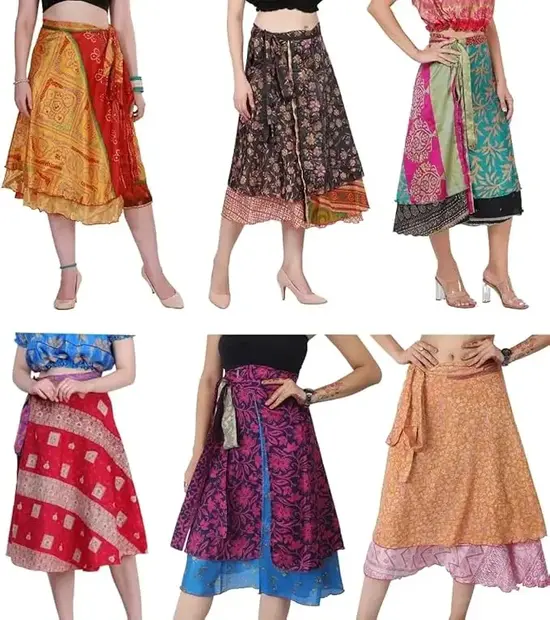
The choice of fabric significantly influences the overall appeal of ethnic attire. We emphasize fabrics that enhance comfort while maintaining aesthetic richness.
Common fabrics include:
- Silk: Luxurious and perfect for special occasions
- Cotton: Breathable and ideal for daily wear
- Chiffon & Georgette: Lightweight and flowy
- Velvet: Rich and opulent for winter events
- Linen: Minimalist and modern
Each fabric contributes uniquely to the garment’s texture, drape, and visual impact.
Embroidery and Craftsmanship
Ethnic wear is renowned for its intricate craftsmanship. We highlight traditional techniques that elevate each outfit into a masterpiece.
Notable styles:
- Zari work: Metallic thread embroidery for a royal touch
- Chikankari: Delicate hand embroidery known for elegance
- Mirror work: Vibrant and festive detailing
- Bandhani and tie-dye: Traditional dyeing techniques
- Kantha stitching: Artistic and sustainable embroidery
These techniques reflect the diversity and richness of cultural artistry.
Modern Trends in Ethnic Wear for Women
Ethnic fashion continues to evolve, embracing innovation while preserving tradition. We observe several key trends shaping the industry:
Fusion Fashion
Combining western silhouettes with traditional elements, fusion wear offers versatility. Examples include:
- Sarees with belts
- Crop tops paired with lehengas
- Jackets over traditional outfits
Minimalist Ethnic Wear
Modern women prefer subtle elegance with clean designs, muted tones, and lightweight fabrics suitable for both casual and formal settings.
Sustainable Fashion
Eco-conscious choices are influencing ethnic wear, with designers focusing on:
- Organic fabrics
- Natural dyes
- Handcrafted textiles
Pastel and Neutral Tones
Soft hues such as blush pink, ivory, and sage green are replacing traditional bold colors, offering a refined and contemporary aesthetic.
Styling Tips for Ethnic Wear
We focus on enhancing the overall look with thoughtful styling:
- Accessorize wisely: Statement jewelry can elevate simple outfits
- Footwear matters: Pair with juttis, heels, or sandals depending on the occasion
- Layering: Add dupattas, jackets, or capes for dimension
- Hairstyling: Traditional buns or loose waves complement ethnic outfits
- Makeup: Balance bold outfits with subtle makeup or vice versa
Ethnic Wear for Different Occasions
Festive Wear
Bright colors, rich fabrics, and heavy embellishments define festive attire. Sarees, lehengas, and shararas dominate this category.
Wedding Wear
Bridal and wedding guest outfits focus on grandeur. Heavy embroidery, luxurious fabrics, and intricate detailing are essential.
Casual Wear
For daily use, lightweight kurtis, cotton suits, and simple sarees provide comfort and elegance.
Office Wear
Subtle prints, neutral tones, and structured silhouettes create a professional yet culturally rooted appearance.
How to Choose the Perfect Ethnic Outfit
Selecting the right outfit involves considering multiple factors:
- Body type: Choose silhouettes that enhance natural features
- Occasion: Match the outfit’s formality with the event
- Comfort: Ensure ease of movement and breathable fabrics
- Color palette: Pick shades that complement skin tone
- Season: Opt for fabrics suitable for weather conditions
Care and Maintenance of Ethnic Wear
Proper care extends the lifespan of ethnic garments:
- Dry clean delicate fabrics like silk and velvet
- Store in breathable garment bags
- Avoid direct sunlight to prevent fading
- Use mild detergents for handwashing
- Keep embellished outfits folded carefully
Maintaining garments ensures they retain their beauty and elegance over time.
Why Ethnic Wear Remains Timeless
Ethnic wear continues to thrive because it adapts without losing its essence. We embrace its ability to evolve with trends while preserving its cultural roots.
Its versatility allows it to transition effortlessly from traditional ceremonies to modern celebrations.
The enduring appeal lies in:
- Cultural richness
- Artisan craftsmanship
- Versatile styling options
- Emotional and heritage value
Conclusion
Ethnic wear for women is more than fashion—it is a celebration of identity, artistry, and timeless elegance.
By blending traditional craftsmanship with contemporary trends, we create styles that resonate across generations.
Whether for daily wear or grand occasions, ethnic attire remains an essential expression of grace and individuality.

