

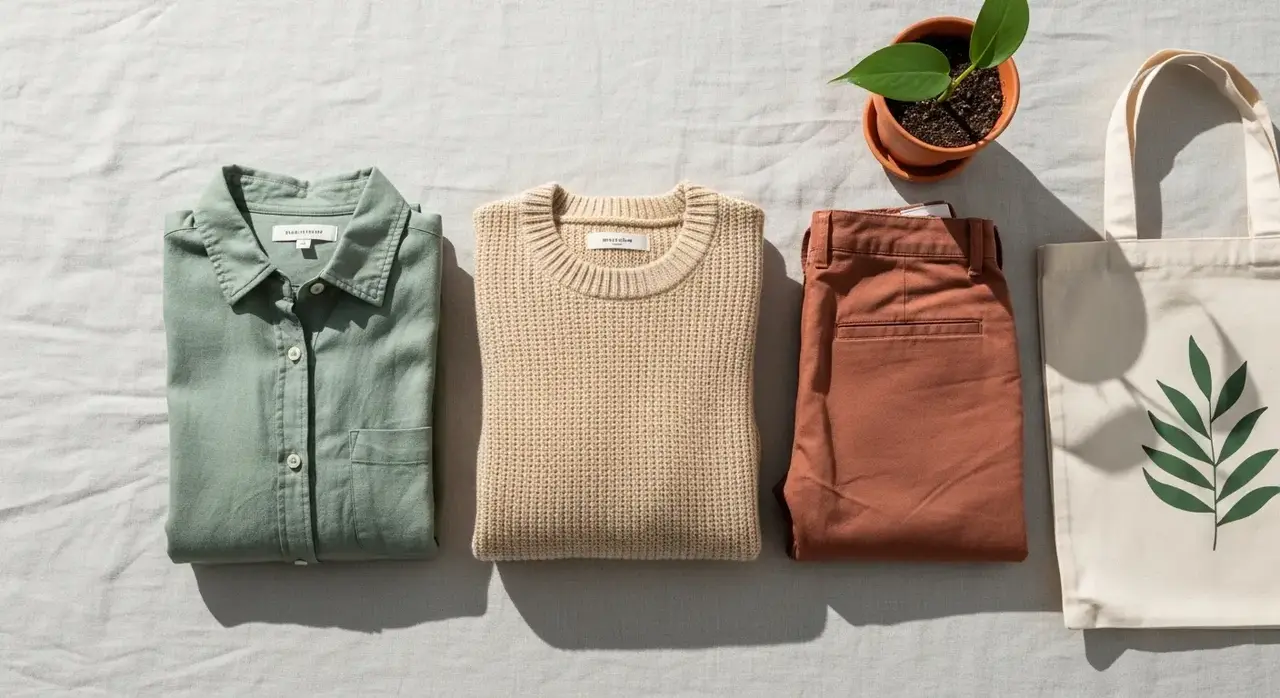


Let’s be real — most of us have stood in front of a closet stuffed with clothes and still felt like we had nothing to wear. That cycle of buying, wearing once, and forgetting is exactly what’s wrong with the fashion industry today. If you’ve been thinking about making a change and exploring sustainable fashion brands, you’re already ahead of the curve.
Sustainable fashion isn’t just a trend anymore. It’s a full-on reckoning with the way our clothes are made, who makes them, and what happens to them after we’re done.
And honestly? Some of the most stylish, high-quality pieces you’ll ever own come from brands that are doing things the right way. So let’s dig in.
Table of Contents
What Actually Makes a Fashion Brand “Sustainable”?
Before we dive into the list, it’s worth knowing what to look for — because “sustainable” gets thrown around a lot on brand websites, and not always honestly.
Genuinely sustainable fashion brands typically tick a few key boxes. They use organic, recycled, or low-impact materials like organic cotton, Tencel, hemp, or recycled polyester.
They’re transparent about their supply chain, showing you exactly where and how their clothes are made. Many hold certifications like GOTS (Global Organic Textile Standard), B Corp, or Fair Trade, which are third-party verified — not just marketing speak.
Then there’s the question of worker welfare. Ethical production means fair wages, safe working conditions, and no exploitative labor practices. A brand can use the most eco-friendly fabric on the planet and still be deeply problematic if the people making their clothes aren’t treated well.
Also worth noting: packaging, carbon offset programs, and take-back or repair schemes are increasingly important parts of what makes a brand stand out in the green fashion guide landscape.
Top 10 Sustainable Fashion Brands to Watch
Here’s the good news: the sustainable clothing space has absolutely exploded. There are options across every style, budget, and aesthetic. Whether you’re into minimalist basics, bold prints, or outdoor gear, there’s a brand doing it responsibly.
1. Patagonia
If sustainable fashion had a founding father, it might just be Patagonia. They’ve been at this for decades — using recycled materials, fighting supply chain exploitation, and even running campaigns telling customers not to buy new gear unless they need it.
Their Worn Wear program lets you repair or trade in gear, which is slow fashion philosophy in action.
2. Eileen Fisher
Eileen Fisher is famous for timeless, minimalist silhouettes and a serious commitment to organic fabrics and ethical manufacturing. Their Renew program recycles old Eileen Fisher garments into new ones. It’s circularity done beautifully.
3. Stella McCartney
Luxury fashion with a conscience. Stella McCartney has been a pioneer in using alternatives to leather and fur while maintaining high-fashion credibility. They publish detailed environmental profit and loss accounts — a level of transparency that’s genuinely rare at the luxury level.
4. Veja
Your sneaker game doesn’t have to come at the planet’s expense. Veja makes their iconic trainers using wild Amazonian rubber, organic cotton, and recycled plastic bottles.
They’re also remarkably open about their production costs and pricing — a refreshing change in an industry that loves smoke and mirrors.
5. Reformation
Reformation makes being sustainable actually look cool (their words, and honestly, they’re not wrong).
They publish a quarterly sustainability report, use eco-friendly fabrics, and manufacture largely in Los Angeles. Their aesthetic is feminine and trend-aware — proof you don’t have to sacrifice style.
6. Allbirds
Best known for their wool and eucalyptus-fiber shoes, Allbirds has expanded into apparel with the same commitment to low-carbon materials.
They’re carbon-neutral and list the carbon footprint of every single product on their website. That’s bold, and we love to see it.
7. People Tree
A true pioneer of the Fair Trade fashion movement, People Tree has been championing ethical production in developing countries for over 30 years.
Their designs are classic and accessible, and every piece supports artisans and farmers who are paid fairly for their work.
8. Thought Clothing
If you haven’t heard of Thought Clothing, consider this your introduction. They specialize in bamboo, hemp, and organic cotton fabrics, and they keep their collections seasonal and deliberate — the opposite of fast fashion’s constant churn. Great basics, thoughtful designs.
9. tentree
As the name implies, tentree plants ten trees for every item purchased. But beyond the headline number (they’ve planted over 100 million trees), they also use sustainable materials like TENCEL, cork, and recycled polyester. A solid option for casual, outdoorsy wardrobes.
10. Nudie Jeans
Denim lovers, this one’s for you. Nudie Jeans makes all their denim from 100% organic cotton and offers free repairs at their stores and service points worldwide.
When your jeans finally give out, you can send them back — they’ll be recycled into new denim or turned into insulation material.
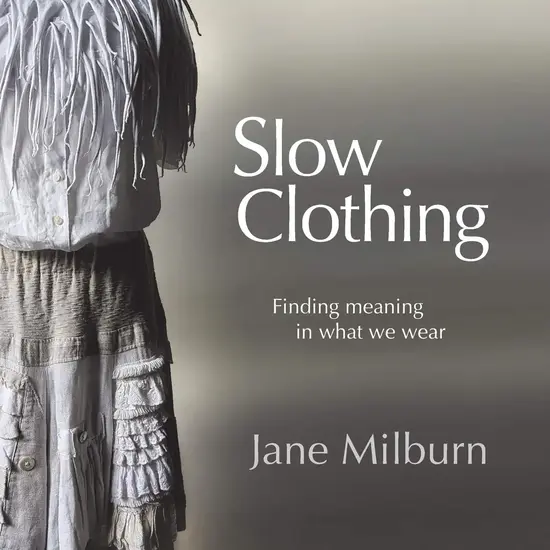
The Slow Fashion Movement: Why Buying Less Is the Real Flex
Here’s a mindset shift that genuinely changes how you shop: the slow fashion movement isn’t about buying different things — it’s about buying less overall.
The concept is a direct pushback against fast fashion’s model of cheaply-made, trend-chasing clothing that’s designed to be disposable. Slow fashion asks you to invest in fewer, better-made pieces that last for years, not seasons.
Think about cost-per-wear: a $200 jacket you wear 300 times costs you less than $0.67 per wear. That $30 jacket you wear three times before it falls apart? Nearly $10 per wear.
Capsule wardrobes are a popular expression of slow fashion thinking. The idea is simple: build a core collection of versatile, high-quality items that all work together. You end up with less clutter, more intentional style, and a much smaller environmental footprint.
The slow fashion movement also puts value back into craftsmanship, cultural heritage, and the skill of the makers behind your clothes. When you know the story behind what you’re wearing, you care for it differently.
Practical Sustainable Clothing Tips You Can Start Using Right Now
You don’t have to overhaul your entire wardrobe overnight (and actually, that would be wildly unsustainable — throwing out what you already own to replace it with “green” alternatives is counterproductive). Here are some honest, actionable sustainable clothing tips to work with:
Shop secondhand first.
Platforms like Depop, ThredUp, Poshmark, and local vintage stores are goldmines. Secondhand shopping extends a garment’s life and keeps it out of landfill — and you can often find incredible pieces for a fraction of the retail price.
Read the label.
Get in the habit of checking fiber content. Aim for natural, biodegradable fibers (organic cotton, linen, wool, silk) or certified recycled synthetics. Blended fabrics (like cotton/polyester mixes) are notoriously hard to recycle.
Care for your clothes properly.
Wash on cold, air dry when possible, and follow care instructions. The majority of a garment’s environmental impact comes from washing and drying over its lifetime — so doing this mindfully adds up.
Ask brands hard questions.
A brand that’s genuinely committed to sustainability will be proud to answer questions about their supply chain, certifications, and materials. If a brand can’t — or won’t — tell you where their clothes are made, that’s a red flag.
Repair before you replace.
Learn basic mending, find a local tailor, or use a brand’s repair service (several on this list offer them). Extending the life of a garment by even 9 months reduces its carbon, water, and waste footprint significantly.
Rent for occasions.
For weddings, galas, or one-off events, consider renting instead of buying. Services like Rent the Runway mean you can show up in something amazing without it sitting in your closet for the next decade.
The Bottom Line
Building a green fashion guide for your own wardrobe doesn’t happen overnight, and it doesn’t require perfection. The idea isn’t to shame yourself for your entire closet history — it’s to make more intentional choices going forward, one piece at a time.
The leading sustainable clothing brands on this list are proof that ethical production, beautiful design, and real transparency can absolutely coexist. You deserve clothes that were made well, by people who were treated well, from materials that didn’t cost the earth — literally.
Start with what you already have. Shop secondhand when you can. And when you do buy new, choose brands that earn your trust. That’s it. That’s the whole green fashion guide in three steps.
Got a favorite sustainable brand we missed? Drop it in the comments — we’d love to add to this list.