


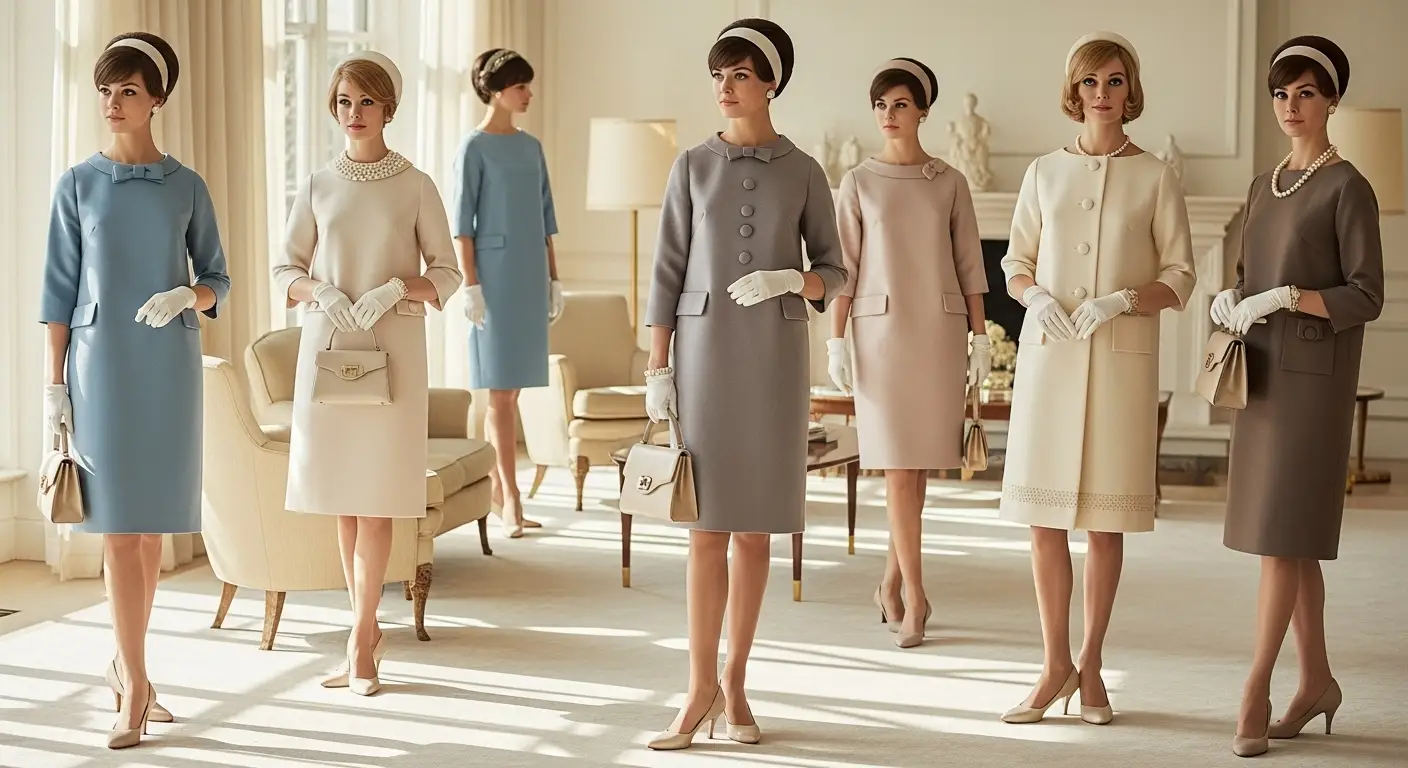
The 1960s fashions for women changed the way women dressed forever. It was a decade of confidence, creativity, and cultural change, reflected clearly in clothing choices.From clean-lined shifts to bold prints and experimental silhouettes, the era offered women new freedom in how they expressed themselves.
This guide is designed for affluent women who appreciate refined style and want to understand, select, and wear 1960s fashions with confidence today. Whether you are building a vintage-inspired wardrobe, investing in authentic pieces, or simply drawing inspiration, this article gives you a realistic and trustworthy reference without hype or exaggeration.
Table of Contents
Why 1960s Fashion Still Matters Today
The appeal of 1960s fashions for women goes beyond nostalgia. The decade introduced modern ideas that still shape wardrobes today.
Simpler cuts, youthful energy, and a break from restrictive clothing made fashion more wearable and expressive.
Many women today struggle with finding styles that feel both elegant and comfortable. The 1960s solved this by balancing structure with ease.
Dresses skimmed the body rather than squeezing it. Separates allowed mixing and matching. Accessories became statements rather than obligations.
The Cultural Shift Behind 1960s Women’s Fashion
Fashion in the early 1960s still carried influences from the 1950s. As the decade progressed, social movements, music, and art reshaped how women dressed.
Key influences included:
- The rise of youth culture
- Women entering the workforce in greater numbers
- London becoming a global fashion center
- Advances in fabric technology
Designers responded by creating clothes that felt fresh, optimistic, and practical for modern life.
Early 1960s Styles: Polished and Feminine
The first half of the decade favored clean elegance. These looks are ideal for women who appreciate timeless sophistication.
Silhouettes and Shapes
Dresses were structured but not stiff. Waistlines were natural or slightly raised. Skirts often fell just above or at the knee.
Common shapes included:
- Shift dresses
- A-line dresses
- Boxy jackets paired with slim skirts
These silhouettes worked well for many body types and remain flattering today.
Popular Fabrics and Colors
Fabrics emphasized quality and comfort. Wool blends, silk, linen, and cotton were widely used.
Color palettes leaned toward:
- Pastels
- Neutral tones
- Soft florals
This made outfits easy to coordinate and suitable for both daytime and evening wear.
Mid to Late 1960s: Youthful and Experimental
As the decade progressed, fashion became more playful and bold. This period introduced some of the most recognizable elements of 1960s fashions for women.
The Rise of the Mini Skirt
The mini skirt symbolized freedom and confidence. It was practical, eye-catching, and easy to wear.
Women appreciated it because:
- It allowed greater movement
- It paired well with flat shoes
- It felt modern rather than formal
Bold Prints and Graphic Patterns
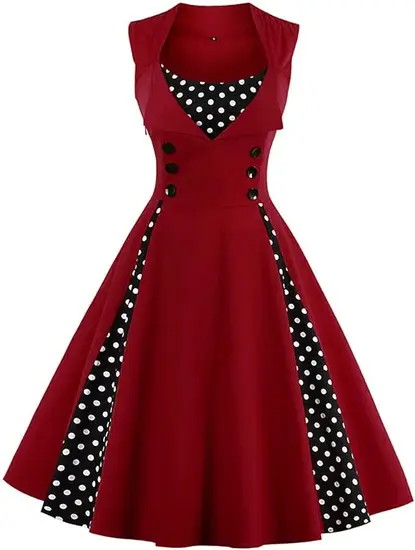
Designs became louder and more expressive. Geometric shapes, stripes, and abstract prints were common.
These patterns worked best with simple cuts, letting the fabric become the focal point.
Iconic 1960s Fashion Pieces for Women
Understanding the key garments of the decade helps in making smart style choices today.
Essential Dresses
Dress styles dominated wardrobes.
Popular options included:
- Shift dresses with minimal shaping
- Babydoll dresses with short hems
- Mod dresses inspired by London street style
These dresses remain easy to adapt for modern wardrobes.
Separates and Sets
Matching sets became popular, especially skirt-and-top combinations. They offered flexibility while maintaining a polished look.
Common pairings:
- Short jackets with skirts
- Sleeveless tops with tailored trousers
- Knit twinsets
Outerwear Styles
Coats and jackets were simple and architectural.
Typical features included:
- Straight lines
- Large buttons
- Three-quarter sleeves
These elements still feel modern and refined.
Accessories That Defined the Era
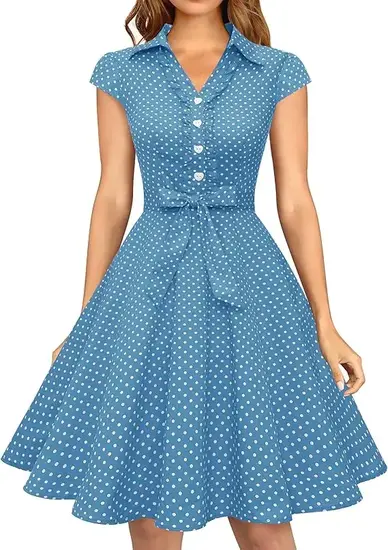
Accessories played a major role in completing 1960s fashions for women.
Shoes
Comfort became more important.
Popular choices:
- Low-heeled pumps
- Ballet flats
- Ankle boots
These styles supported active lifestyles without sacrificing style.
Handbags
Bags were structured and compact. Top-handle designs and small shoulder bags were common.
Materials often included leather or vinyl with clean finishes.
Jewelry and Hair Accessories
Jewelry leaned toward bold rather than delicate.
Examples:
- Chunky necklaces
- Hoop earrings
- Plastic bangles
Hair accessories like headbands and scarves completed the look.
Beauty and Grooming Trends of the 1960s Fashions for Women
Fashion and beauty worked together. Makeup and hairstyles reinforced the clothing’s impact.
Hairstyles
Popular styles included:
- The bob
- The beehive
- Sleek, straight hair
These styles framed the face and complemented simple garments.
Makeup
Eye makeup became the focal point. Skin looked natural, while eyes were defined with liner and mascara.
This balance kept looks fresh rather than heavy.
1960s Fashion Icons and Their Influence
Certain women shaped how fashion was worn and perceived.
Style Inspiration
Influential figures demonstrated that style could be personal rather than formal.
They showed:
- Confidence matters more than trends
- Simple clothes can be powerful
- Individuality elevates any outfit
These lessons remain relevant today.
Comparing Early and Late 1960s Fashions for Women Styles
| Feature | Early 1960s | Late 1960s |
|---|---|---|
| Silhouette | Structured and refined | Shorter and freer |
| Colors | Soft and neutral | Bold and contrasting |
| Prints | Subtle florals | Geometric and graphic |
| Mood | Elegant and polished | Youthful and expressive |
This comparison helps readers choose which side of the decade fits their personal taste.
How to Choose 1960s Fashions for Women Today
Many women admire the era but worry about looking costume-like. The solution is thoughtful selection.
Focus on Quality Over Quantity
Look for:
- Well-made fabrics
- Clean seams
- Comfortable fits
One strong piece is better than a full themed outfit.
Adapt, Don’t Imitate
Use 1960s fashions for women elements rather than full recreations.
Examples:
- Pair a shift dress with modern shoes
- Combine a bold print top with neutral trousers
- Use accessories sparingly
This approach keeps looks current and wearable.
Important Note: Authentic vintage sizing often runs smaller than modern sizes. Always check measurements rather than relying on labels.
Investing in Authentic Vintage vs Modern Reproductions
Both options have value, depending on your goals.
| Aspect | Authentic Vintage | Modern Reproduction |
| Fabric | Often higher quality | Consistent sizing |
| Fit | Unique, may need tailoring | Designed for modern bodies |
| Price | Higher for rare pieces | More accessible |
| Longevity | Collectible value | Easier maintenance |
Affluent buyers often choose a mix of both for flexibility.
Quotes on 1960s Women’s Fashion
“Fashion in the 1960s gave women permission to dress for themselves, not for approval.”
“The power of 1960s style lies in its simplicity and confidence.”
These reflections capture why the decade still resonates.
Caring for 1960s-Inspired Clothing
Proper care preserves both appearance and value.
Tips include:
- Gentle cleaning methods
- Proper storage away from sunlight
- Avoiding heavy alterations on vintage pieces
These habits extend the life of your wardrobe.
Common Mistakes to Avoid
- Over-accessorizing
- Ignoring fit and comfort
- Mixing too many trends at once
Simplicity was a core strength of the decade.
Why 1960s Fashion Appeals to Affluent Women Today
Affluent women often seek clothing that feels intentional and timeless. The 1960s offered exactly that.
Benefits include:
- Clean design that transcends trends
- Investment-worthy pieces
- A balance of elegance and ease
This makes the era a reliable source of inspiration.
Final Thoughts
1960s fashions for women remain relevant because they solved real style challenges. They offered freedom without chaos, elegance without stiffness, and personality without excess.
By understanding the era’s key elements and applying them thoughtfully, women today can enjoy its benefits in a modern, polished way. This decade is not about dressing in the past, but about borrowing its best ideas to dress well now.

