


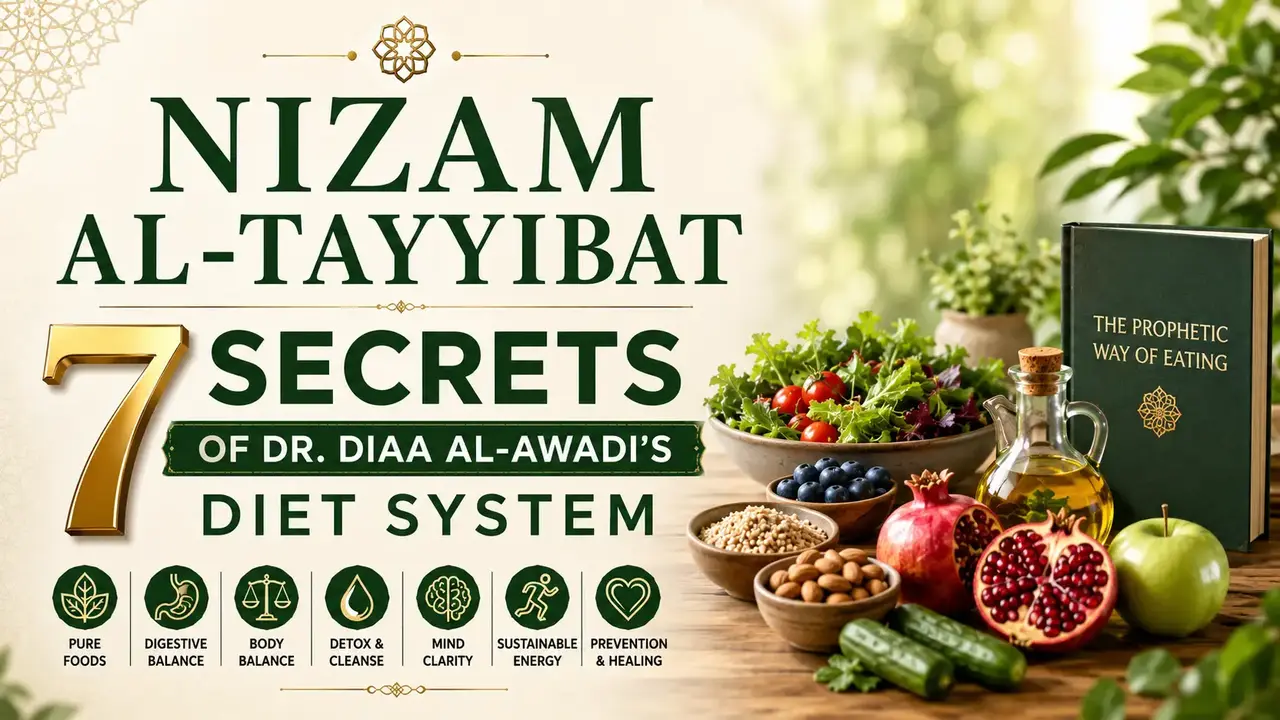
Have you ever heard of a diet that tells you to ditch the kale salad but keep the white rice and ghee? It sounds like a dream (or a prank), but for followers of Nizam Al-Tayyibat, it’s a way of life.
Founded by the late Dr. Diaa Al-Awadi, this “Good Deeds System” has completely flipped the script on what we think “healthy eating” looks like.
If you’ve been scrolling through social media lately, especially in places like Morocco and Egypt, you’ve probably seen people debating the Nizam Al-Tayyibat food list. It’s bold, it’s controversial, and it’s deeply rooted in a specific philosophy of “purity.”
Let’s break down what this system actually is, why everyone is talking about it, and whether it’s a breakthrough or just a passing trend.
Table of Contents
Who was Dr. Diaa Al-Awadi?
Before we dive into the food, we have to talk about the man behind the movement. Dr. Diaa Al-Awadi was an Egyptian professor specializing in Intensive Care and Clinical Nutrition. He wasn’t just a nutritionist; he was someone who saw the most critical health cases daily.
He developed the Good Deeds System (Nizam Al-Tayyibat) based on his belief that modern chronic diseases—think IBS, hypertension, and even some autoimmune issues—stem from eating what he called “Khabaith” (harmful/low-quality foods) that the human body isn’t designed to process. Sadly, Dr. Al-Awadi passed away in April 2026, but his teachings have only grown more popular since then.
The Philosophy: Tayyibat vs. Khabaith
The core of this system isn’t just about weight loss; it’s about inflammation. Dr. Al-Awadi taught that “Tayyibat” (good/pure things) are foods that are biologically compatible with our digestive tract.
The system relies on a few “golden rules” that might make your traditional nutritionist faint:
- The Liquid-Like Rule: If a food is hard for your gut to break down (like raw fiber or tough skins), it shouldn’t be eaten.
- No Schedule, No Stress: Forget “breakfast at 8 AM.” You eat only when you are truly hungry and stop the second you feel full.
- Rest Days for Protein: He suggested eating animal protein every other day to give the liver and kidneys a “break.”
The Forbidden List: Wait, No Salad?
This is where Nizam Al-Tayyibat gets really wild. Usually, when you start a diet, the first thing you buy is a bag of spinach. In this system? You throw the spinach away.
Dr. Al-Awadi labeled most raw vegetables and “complex” proteins as Khabaith. According to him, things like eggs, milk, and even yogurt are hard on the gut. He argued that the “8 glasses of water a day” rule was a myth and that you should only drink when thirsty.
Perhaps most shockingly, he was a huge advocate for natural fats. Ghee (clarified butter) and cream are the “fuel” of this system.
The Tayyibat Food List at a Glance
- The “Yes” List: Rice, sourdough or whole wheat bread, corn, potatoes, lamb, grilled fish, ghee, and processed triangle cheese (yes, really!).
- The “No” List: White flour, pasta, eggs, milk, shrimp, watermelon, and—the big one—salads.
Why is it Trending in 2026?
You might wonder why a diet that bans salad is so popular. In Morocco, Nizam Al-Tayyibat has become more than a diet; it’s almost a cultural movement.
Because the diet discourages things like eggs and poultry—which have seen massive price spikes recently—many people have found that following the “Tayyibat” list actually saves them money.
It’s a rare moment where a health trend aligns with a “boycott” of expensive groceries. Plus, many people with chronic bloating and IBS have claimed that cutting out raw fiber (salads) made them feel better almost instantly.
The “Red Flags”: Proceed with Caution
Now, I’ve got to be real with you as your friendly neighborhood blogger. While the stories of improved digestion are everywhere, the medical community is not happy.
The Egyptian Medical Syndicate and several health boards have raised concerns for a few reasons:
- Medication Safety: Dr. Al-Awadi often suggested that if you followed the system perfectly, you might not need your blood pressure or stomach meds. Please, never stop your meds without a doctor’s okay!
- Nutritional Gaps: Banning eggs, milk, and greens can lead to deficiencies in Vitamin D, Calcium, and certain antioxidants if you aren’t careful.
- Science vs. Anecdote: Most of the “proof” for Dr Diaa Alawady diet comes from testimonials, not clinical trials.
Is the Good Deeds System Right for You?
If you’re someone who struggles with constant bloating and feels like “healthy” high-fiber diets make you feel worse, the Nizam Al-Tayyibat philosophy might offer some interesting insights into “low-residue” eating.
However, it’s a very restrictive path. It requires a total rethink of what “good food” means. If you’re going to try it, maybe start by incorporating more natural fats and listening to your hunger cues rather than banning every vegetable in sight overnight.
Actionable Tips for Newcomers
- Swap your oils: Trade processed seed oils for high-quality ghee or butter.
- Listen to your gut: Try eating only when your stomach actually growls, not just because the clock says it’s lunchtime.
- Cook your veggies: If you aren’t ready to give up greens, try peeling and well-cooking them to make them easier to digest.
What do you think? Is the Nizam Al-Tayyibat system a revolutionary way to heal the gut, or is it just too restrictive? Let me know your thoughts in the comments below!
FAQ About Nizam Al-Tayyibat
Is Nizam Al-Tayyibat safe for long-term use?
Short-term relief is possible, but long-term use may cause nutrient gaps without careful planning or medical guidance.
Why are salads banned?
Diaa Al-Awadi believed raw fiber is hard to digest and may irritate the gut.
Can it help IBS and bloating?
Some report less bloating after cutting raw fiber, but strong scientific evidence is still lacking.
Are eggs and milk completely forbidden?
Yes in strict form, but some people modify the diet based on tolerance.
Is it for weight loss?
No, it targets digestion and inflammation, though weight loss may happen as a side effect.

