
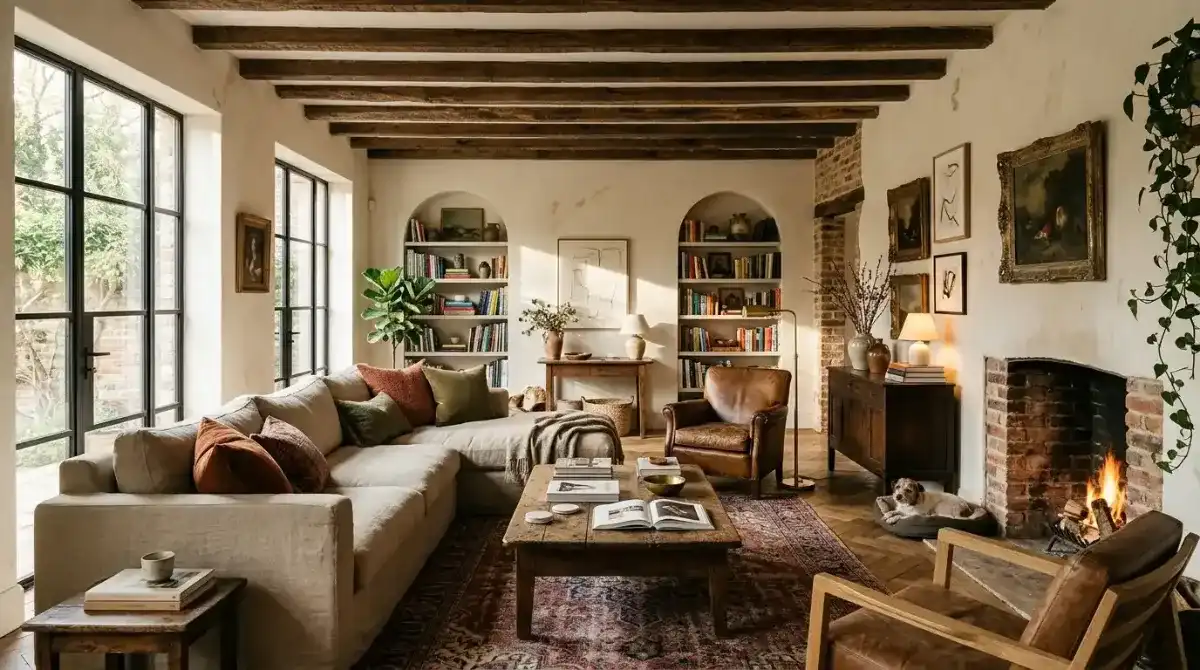

Modern Heritage interior design combines antique furniture, inherited family treasures, traditional craftsmanship, and contemporary furnishings to create warm, character-filled interiors. Warm minimalist colors, natural materials, clean-lined furniture, and carefully selected vintage objects help create a home that feels personal, comfortable, and timeless.
A beautiful home often carries a story. An antique wooden cabinet inherited from a grandparent, a vintage mirror discovered at an estate sale, or a traditional dining table passed between generations can give a room a sense of history.
Modern Heritage interior design brings these meaningful objects into contemporary homes through thoughtful combinations of old and new. Antique furniture sits alongside clean-lined sofas, natural linen, sculptural lighting, and understated accessories.
The approach shares an affinity with warm minimalism and quiet luxury. It favors quality materials, considered purchases, craftsmanship, and rooms that feel collected over time.
The secret is balance. A single antique cabinet can become the focal point of a living room when surrounded by restrained furnishings, warm neutral colors, and natural textures.
Table of Contents
What Is Modern Heritage Interior Design?
Modern Heritage interior design is a decorating approach that combines traditional design elements and antique furnishings with contemporary comfort and modern simplicity.
Its defining characteristics include antique furniture, vintage accessories, warm neutral colors, natural materials, handcrafted objects, and personal heirlooms.
A city apartment might feature an antique walnut sideboard, a modern cream sofa, and sculptural lighting. A country home might retain original wooden beams and traditional cabinetry while introducing contemporary upholstery.
The common thread is a thoughtful relationship between history and modern living.
The Essential Elements of Modern Heritage Style
Antique Heirlooms and Vintage Furniture
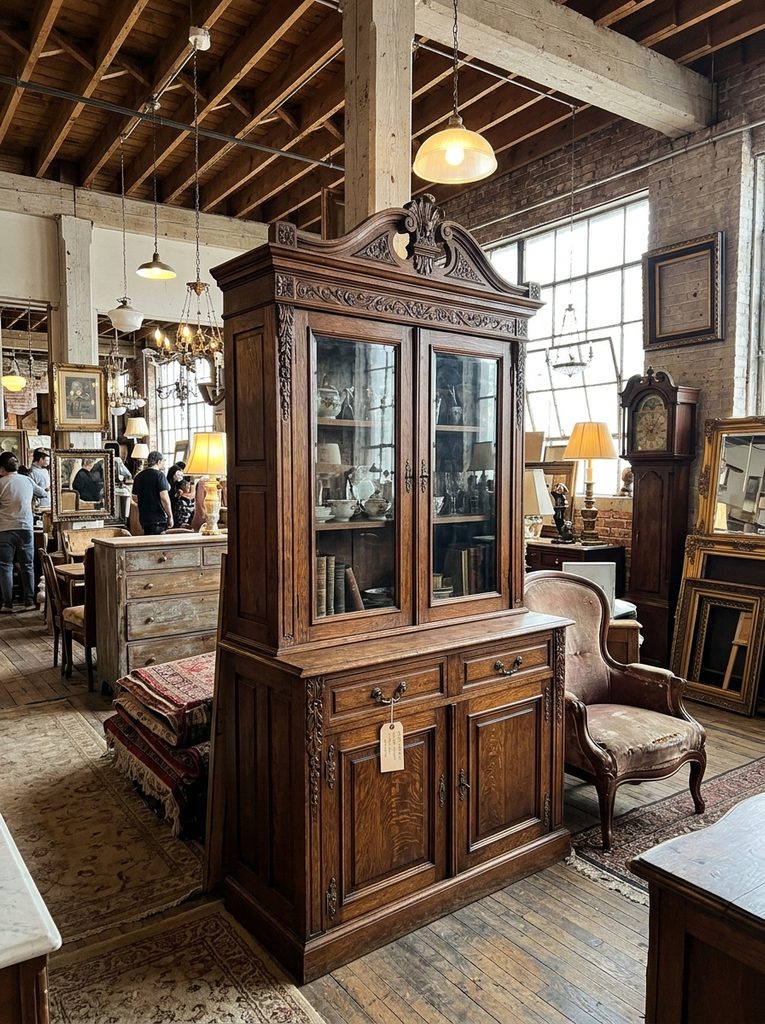
Antique furniture provides the visual character of modern heritage interior design. Pieces with natural patina, traditional joinery, carved details, and distinctive wood grain bring depth to simple spaces.
Consider antique wooden cabinets, vintage sideboards, traditional dining tables, antique mirrors, and vintage occasional tables.
Choose pieces with practical proportions and finishes that complement the rest of the room. A qualified furniture restorer can assess damaged veneers, loose joints, and deteriorating finishes while preserving valuable original details.
Warm Minimalist Color Palettes
Warm minimalism gives antique furnishings room to stand out. Soft neutrals create a calm background, while deeper earthy shades connect traditional furniture with contemporary interiors.
| Color | Best application |
|---|---|
| Warm ivory | Walls and ceilings |
| Oatmeal beige | Sofas and upholstery |
| Chocolate brown | Antique wood and accents |
| Muted olive | Curtains and cushions |
| Terracotta | Pottery and accessories |
| Burgundy | Artwork and small accents |
| Soft taupe | Rugs and textiles |
Start with two or three dominant shades and introduce darker colors through furniture and smaller decorative objects.
Natural Materials and Traditional Craftsmanship
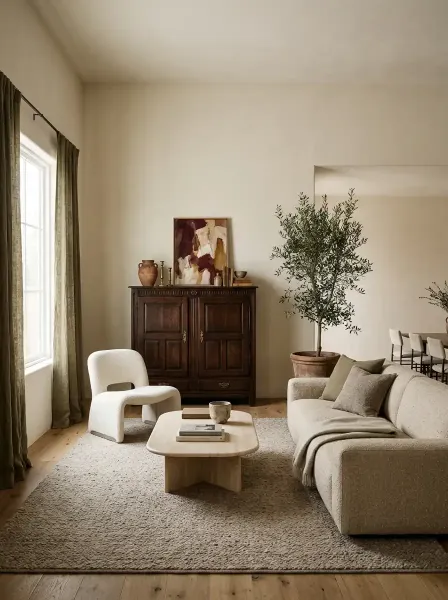
Natural materials connect modern heritage interior design with traditional craftsmanship and contemporary simplicity.
Useful choices include walnut, oak, reclaimed timber, travertine, marble, limestone, linen, wool, handmade ceramics, and aged brass.
Contrast polished surfaces with tactile materials. A smooth travertine coffee table can sit beside an antique wooden cabinet, while linen upholstery softens the arrangement.
Contemporary Furniture and Clean Lines
Contemporary furniture provides the simplicity that allows antique pieces to remain visually important.
Consider low-profile sofas, sculptural accent chairs, minimalist dining chairs, simple stone coffee tables, and streamlined storage.
Choose restrained shapes and tactile upholstery. Bouclé, linen, cotton, and textured wool can complement antique wood.
How to Mix Antique Heirlooms with Modern Furniture
Combining furniture from different periods works best when the pieces share a visual connection. Color, proportions, material, and shape can bring different objects into the same room.
Balance Scale, Shape, and Proportion
Begin with the largest furniture pieces and establish a comfortable layout.
A substantial antique cabinet can balance the visual weight of a contemporary sofa. A delicate vintage side table can sit beside a heavier modern lounge chair.
Pay attention to height and circulation space. A low modern sofa can look attractive alongside a taller traditional cabinet or antique floor mirror.
Combine Different Wood Finishes
Different wood finishes can coexist when their undertones and surrounding materials work together.
Pair dark walnut with warm oak, combine antique mahogany with cream upholstery, and introduce lighter wood through contemporary shelving.
Repeat major wood tones elsewhere in the room. A walnut cabinet might connect with a dark picture frame or small wooden side table.
Give Statement Antiques Room to Breathe
A distinctive antique deserves a thoughtful position.
Place an ornate cabinet against a relatively simple wall, allow a vintage mirror to stand out above a contemporary console, or position an inherited dining table beneath a restrained pendant light.
A few carefully chosen ceramics, books, or framed photographs can complete the arrangement.
Modern Heritage Room-by-Room Ideas
Living Room
Start with a comfortable contemporary sofa in cream, oatmeal, or warm beige. Introduce an antique coffee table, wooden sideboard, or vintage occasional chair.
Complete the arrangement with a textured rug, linen cushions, vintage artwork, contemporary lighting, and handmade ceramic accessories.
Dining Room
An inherited dining table can anchor the entire room.
Pair a traditional oak, walnut, or mahogany table with contemporary upholstered chairs or a combination of vintage and modern seating.
A sculptural pendant, ceramic centerpiece, and linen table runner can complete the arrangement.
Bedroom
Choose a contemporary upholstered bed in a natural fabric, then introduce antique bedside tables or a vintage chest of drawers.
Soft linen bedding, a wool rug, and warm bedside lighting help the different elements feel connected.
Entryway
A vintage console table, antique mirror, ceramic vase, and contemporary wall light can establish the visual language of the home.
For a narrow entryway, choose a slim console and wall-mounted mirror to preserve circulation space.
Home Office
A traditional writing desk can bring warmth to a modern home office.
Pair it with a comfortable contemporary chair, practical task lighting, and restrained storage. Books, framed family photographs, and vintage desk accessories can personalize the space.
The Best Materials and Finishes for Warm Minimalist Interiors
| Material | Where to use it | Design benefit |
|---|---|---|
| Walnut | Cabinets and tables | Rich wood grain |
| Oak | Flooring and shelving | Natural warmth |
| Travertine | Coffee tables and accessories | Soft stone texture |
| Linen | Curtains and upholstery | Relaxed texture |
| Wool | Rugs and throws | Softness |
| Aged brass | Hardware and lighting | Traditional character |
| Handmade ceramics | Shelves and tabletops | Individual detail |
| Natural leather | Chairs and accessories | Character with use |
Layer ceiling lights, wall lights, and table lamps to create a comfortable atmosphere. Warm-white lighting can complement wood and natural textiles.
Common Modern Heritage Decorating Mistakes
Overcrowding rooms with antiques: Select the pieces with the strongest character and give them space.
Mixing unrelated styles: Connect different periods through color, material, or silhouette.
Ignoring furniture proportions: Measure the room, doorways, and circulation areas before purchasing furniture.
Using too many dark wood finishes: Introduce lighter textiles, pale walls, and contrasting materials.
Choosing decorative accessories without a purpose: Display objects that carry personal meaning or complement the furniture.
Overlooking lighting: Use layered lighting and suitable bulb color temperatures.
Restoring every antique to look brand new: Original patina can contribute to a piece’s appeal. Assess its preservation needs before refinishing valuable furniture.
How to Create a Modern Heritage Home on Different Budgets
| Budget approach | Priority | Practical idea |
|---|---|---|
| Low budget | Existing heirlooms | Restyle a family cabinet |
| Moderate budget | One vintage purchase | Find a secondhand sideboard |
| Higher budget | Quality statement furniture | Invest in a restored antique table |
| Long-term project | Architectural details | Restore original doors or flooring |
Before purchasing an antique, inspect its condition, dimensions, construction, and stability. Ask about restoration history and provenance when available.
A Modern Heritage home can develop gradually. Begin with meaningful objects, establish a comfortable furniture layout, and add pieces when they genuinely improve the room.
Frequently Asked Questions
What is Modern Heritage interior design?
Modern Heritage interior design combines antique and vintage furniture, traditional craftsmanship, and meaningful heirlooms with contemporary furnishings and modern simplicity.
How do you mix antique furniture with modern furniture?
Start with one or two distinctive antique pieces and surround them with contemporary furniture that complements their proportions, colors, or materials.
What colors work best with antique wooden furniture?
Warm ivory, beige, taupe, olive, terracotta, and muted earthy shades complement many antique wood finishes. Chocolate brown and burgundy can add depth.
How can I decorate with inherited family furniture?
Give inherited furniture a useful role and a suitable position. An antique dresser can become bedroom storage, while a traditional cabinet can display ceramics.
What is the difference between Modern Heritage and transitional interior design?
Transitional design combines traditional and contemporary elements to create a coordinated interior. Modern Heritage places greater emphasis on history, provenance, heirloom objects, and vintage craftsmanship.
Can Modern Heritage work in a small apartment?
Yes. Choose compact vintage pieces, use light neutral walls, and prioritize practical furniture proportions. A small antique mirror or bedside table can introduce heritage character.
Is Modern Heritage the same as warm minimalism?
No. Modern Heritage focuses on historical and contemporary elements, while warm minimalism emphasizes simplicity, natural textures, and restrained decoration. The approaches complement each other.
How do I make antique furniture look contemporary?
Place antique furniture in a modern setting, introduce contemporary lighting, and use restrained accessories. Contrasting an ornate cabinet with simple upholstery can give it a fresh context.
Key Takeaways
- Modern Heritage combines antique furniture, heirlooms, and contemporary furnishings.
- Warm minimalism provides a suitable foundation through natural textures and restrained colors.
- Antique cabinets, vintage mirrors, and inherited dining tables can become focal points.
- Contemporary upholstery and sculptural lighting balance traditional furniture.
- Chocolate brown, warm ivory, olive, and burgundy offer useful color combinations.
- Different wood finishes can work together when their undertones complement one another.
- Thoughtful proportions and open space help prevent visual clutter.
- A Modern Heritage home can develop gradually through meaningful purchases and existing family pieces.
The appeal of Modern Heritage lies in the relationship between personal history and contemporary living. A well-loved heirloom, a carefully chosen vintage find, and comfortable modern furniture can create a home that feels individual, warm, and enduring.
Explore More Interior Design Styles
If you’re drawn to interiors that combine natural materials, warmth, and timeless character, explore our other design guides. Discover the understated simplicity of Japandi interior design, explore organic textures and earthy palettes in our modern organic interior design guide, and find inspiration for refined, understated spaces with quiet luxury interiors and home design. Prefer a more traditional atmosphere? Our farmhouse vs. rustic interior style comparison explains the differences and helps you choose the look that suits your home.
Sources
- 1stDibs: 2026 Interior Design Trends and Designer Survey
- 1stDibs: The 2026 Designer Trends Guide
- House Beautiful: How to Decorate With Antiques and Contemporary Furniture
- Architectural Digest: 7 Expert Tips for Decorating With Antiques
- House Beautiful: How to Mix Different Wood Finishes
- Architectural Digest: How to Keep Traditional Design Fresh