
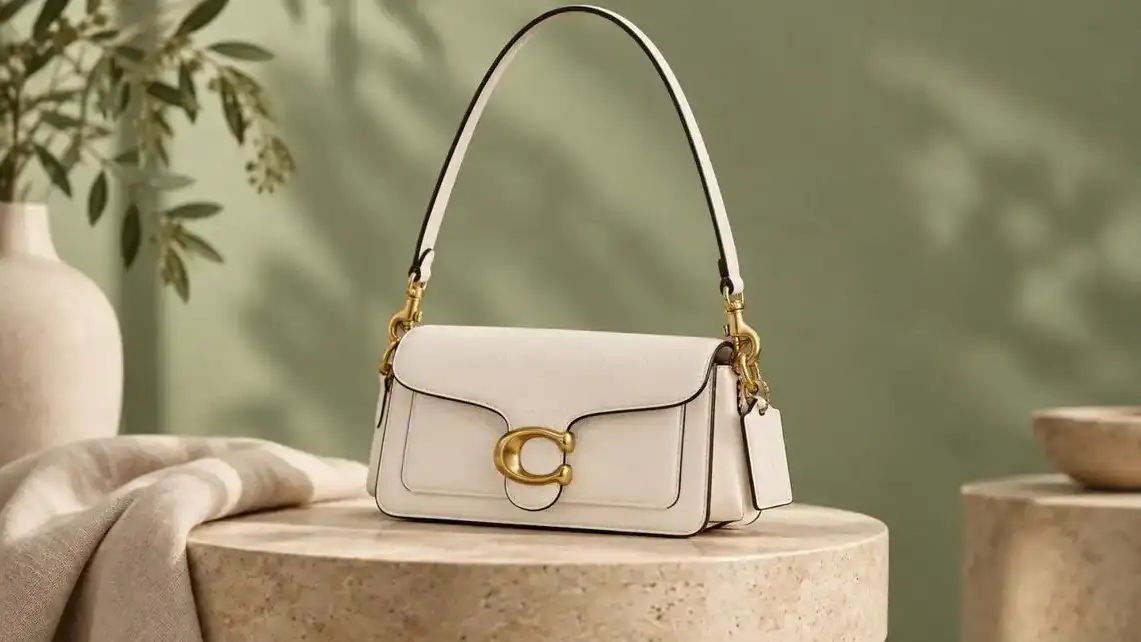

When discussing luxury fashion, certain names immediately come to mind: Hermès, Chanel, Louis Vuitton, and Dior. These heritage fashion houses are associated with exceptional craftsmanship, exclusive designs, prestigious histories, and premium price tags. However, the luxury market is much broader than its most exclusive names. Brands such as Coach have established a different position, offering designer accessories, recognizable craftsmanship, and premium materials at comparatively accessible prices.
So, is Coach a luxury brand? The answer is yes, with an important distinction. Coach is generally considered an accessible luxury or contemporary luxury brand, rather than an ultra-luxury fashion house. It occupies a space between traditional premium fashion and the highly exclusive designer market.
Founded in New York in 1941, Coach has developed a reputation for leather craftsmanship, practical design, and timeless accessories. Its handbags, wallets, footwear, clothing, and other accessories appeal to consumers who appreciate designer fashion without necessarily wanting to spend several thousand dollars on a single purchase.
Understanding Coach’s position requires looking beyond its logo and price tags. Its heritage, materials, craftsmanship, product design, retail strategy, and relationship with the wider luxury industry all help explain why it belongs in the accessible luxury category.
Table of Contents
Is Coach Considered a Luxury Brand?
Coach is considered an accessible luxury brand, meaning it offers designer products, premium materials, established brand heritage, and a recognizable fashion identity at prices generally below those of traditional luxury houses.
The distinction matters because the luxury industry includes several different market segments. Not every luxury brand operates with the same pricing strategy, level of exclusivity, or target customer.
Coach sits in the middle-to-upper segment of the fashion market. Its products are positioned above ordinary mass-market accessories but generally below the prices associated with exclusive European luxury houses.
This positioning gives Coach a distinctive advantage. Customers can purchase a recognizable designer handbag, enjoy quality leather construction, and participate in contemporary fashion without committing to the exceptionally high prices of brands such as Hermès or Chanel.
Coach also benefits from a long-established American identity. Rather than relying exclusively on seasonal trends, the brand has built its reputation around leather goods, practical elegance, and recognizable silhouettes.
However, calling Coach a luxury brand does not mean that every product is equivalent to an item from a traditional haute couture house. Its market position is different, and that difference is precisely what makes the accessible luxury category relevant.
The History of Coach: From a New York Leather Workshop to a Global Fashion Brand
Coach was founded in Manhattan, New York, in 1941. Its beginnings were considerably more modest than those of many established European fashion houses.
The company initially operated as a family-run workshop producing leather goods. Its early products reflected an emphasis on traditional leatherworking techniques, practical construction, and durable everyday accessories.
One important influence on the brand’s early identity was the natural texture and character of baseball gloves. Coach’s founders recognized the appeal of leather that became softer and developed character through use. This inspiration helped shape the company’s approach to leather goods.
In 1946, Miles Cahn joined the business with his wife, Lillian Cahn. Their involvement helped develop Coach’s leather expertise and commercial direction. The company gradually expanded beyond its original workshop operations, introducing handbags and other accessories.
A major turning point came in 1962, when designer Bonnie Cashin joined Coach. Her contribution helped establish the brand’s recognizable approach to functional American design.
Cashin introduced practical features, distinctive hardware, colorful details, and innovative silhouettes. Her work helped move Coach beyond traditional leather accessories and toward a broader fashion identity.
Over subsequent decades, Coach expanded internationally and developed into a recognizable designer accessories brand.
Its history remains an important part of its current positioning. Coach is not simply a fashion label selling expensive handbags; it is an American leather goods company with more than eight decades of history.
Why Coach Is Classified as Accessible Luxury
Accessible luxury describes brands that provide elements of the luxury experience without adopting the extreme pricing and exclusivity associated with the highest tier of the market.
Coach fits this category for several reasons.
1. Premium Materials and Leather Craftsmanship
Leather remains central to Coach’s identity.
The brand uses different leather types across its collections, including smooth leather, pebbled leather, glovetanned leather, and other finished materials. The specific material depends on the product, collection, and design.
Coach’s glovetanned leather is particularly associated with its heritage. It is known for its soft feel and natural appearance, reflecting the brand’s traditional leatherworking roots.
Material selection matters because a handbag’s quality depends on more than its appearance. Leather characteristics, stitching, construction, hardware, lining, and finishing all influence how a product performs over time.
Nevertheless, we should distinguish between the quality of individual materials and the quality of an entire product. Not every Coach handbag uses the same leather, and different collections can have different construction specifications.
For consumers, the most useful approach is to examine the material description and construction of the specific handbag rather than assuming that every item has identical characteristics.
2. Recognizable American Design Heritage
Coach has developed a recognizable aesthetic based on understated American style, practical silhouettes, and distinctive leather accessories.
Its designs often combine traditional shapes with contemporary details. Some collections emphasize minimalist leather construction, while others feature prominent logos, decorative hardware, seasonal colors, or playful accessories.
This balance allows Coach to appeal to different generations of customers.
The brand’s heritage styles also contribute to its identity. Rather than depending entirely on short-lived fashion trends, Coach frequently revisits established silhouettes and updates them for modern wardrobes.
3. Designer Branding Without Ultra-Luxury Pricing
Pricing is one of the clearest differences between accessible luxury and ultra-luxury.
Coach handbags generally occupy a lower price range than comparable products from the most exclusive luxury fashion houses. Depending on the model, materials, collection, and market, many full-price Coach handbags fall within the several-hundred-dollar range.
Some popular styles may cost more, particularly larger bags, special collections, or designs featuring distinctive materials and details.
Coach also operates outlet channels, where selected products are sold at reduced prices. These channels make the brand accessible to a broader audience, although outlet products should not automatically be assumed to have identical specifications or construction to every mainline boutique collection.
This pricing strategy helps explain why Coach appeals to shoppers looking for designer accessories that offer a balance between brand recognition, design, and affordability.
4. A Global Fashion Identity
Coach has developed beyond its original handbag business.
Its collections include wallets, footwear, clothing, belts, small leather goods, travel accessories, and other lifestyle products.
The company has also established an international retail presence, fashion collaborations, and campaigns that connect its heritage with contemporary culture.
This wider brand identity reinforces its position in the designer fashion market.
A luxury brand is not defined by price alone. Brand history, product development, customer perception, design identity, and market positioning all contribute to its reputation.
Coach vs. Traditional Luxury Brands: What Is the Difference?
To understand Coach’s position, it helps to compare it with other established designer labels. Luxury brands can share similar product categories while offering very different experiences.
Coach vs. Chanel
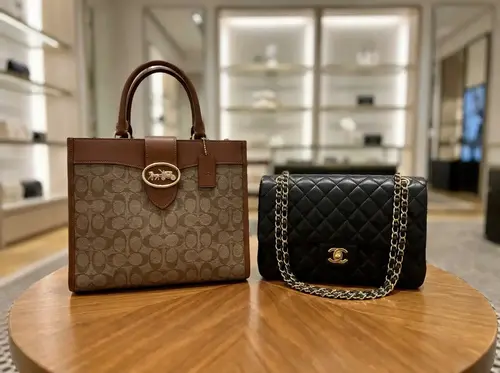
Chanel operates in the traditional high-luxury segment. Its handbags are associated with iconic designs, prestigious fashion heritage, exclusivity, and significantly higher retail prices.
Coach offers a more accessible alternative. Its handbags often emphasize practical everyday functionality, contemporary American styling, and leather craftsmanship at a considerably lower price.
Both brands have recognizable identities, but they appeal to different purchasing priorities.
Coach vs. Louis Vuitton
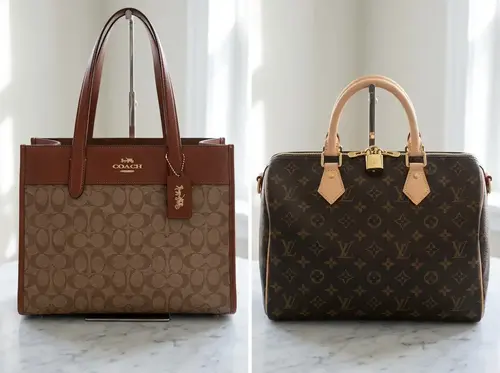
Louis Vuitton has a global luxury identity built around its historic travel heritage, signature canvas, leather goods, and highly recognizable monogram designs.
Coach shares an appreciation for leather goods and heritage-inspired accessories. However, its pricing and distribution strategy make it more accessible to everyday designer shoppers.
Louis Vuitton generally occupies a higher luxury tier, while Coach is better understood as contemporary or accessible luxury.
Coach vs. Michael Kors
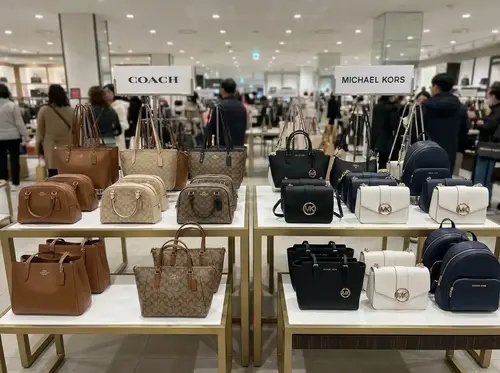
Michael Kors and Coach are frequently compared because both offer recognizable designer accessories at relatively accessible prices.
However, Coach has a particularly strong identity rooted in American leather craftsmanship. Its heritage, vintage handbag collections, and distinctive leather designs contribute to its appeal.
Michael Kors has a broader fashion and lifestyle identity, while Coach’s leather goods remain central to its brand image.
The two labels compete in overlapping parts of the designer accessories market, and the better choice depends on the individual product, materials, design, and price.
Coach vs. Kate Spade
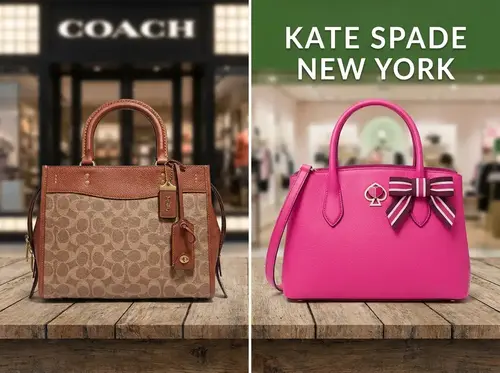
Coach and Kate Spade are both part of Tapestry, Inc., but they maintain distinct design identities.
Coach generally emphasizes leather heritage, classic silhouettes, and expressive American styling. Kate Spade is known for colorful designs, playful details, optimistic aesthetics, and feminine accessories.
Both brands occupy the accessible luxury segment. Coach may appeal more to shoppers seeking heritage-inspired leather handbags, while Kate Spade can attract customers who prefer colorful and playful fashion.
Is Coach Good Quality for a Luxury Brand?
Quality is one of the most important considerations when deciding whether Coach deserves its luxury classification.
A handbag should not be judged exclusively by its brand name. We should consider the materials, construction, functionality, durability, and overall finishing.
Coach has developed its reputation through leather goods, and several characteristics make its better-known collections attractive to designer handbag buyers.
Leather Quality
Coach uses multiple leather types across its collections. Its traditional glovetanned leather is particularly associated with its heritage, while pebbled and smooth leather appear across many contemporary designs.
Different leather finishes offer different characteristics:
- Glovetanned leather: Soft, supple leather associated with Coach’s traditional craftsmanship.
- Pebbled leather: A textured finish that can help make minor surface marks less noticeable.
- Smooth leather: A refined appearance that often creates a more polished aesthetic.
- Suede: A softer, napped surface that offers a different visual and tactile experience.
The important distinction is that leather quality varies by product. A buyer should check the exact material specifications instead of assuming that every Coach bag is made from the same grade of leather.
Construction and Finishing
A well-made handbag should have consistent stitching, secure handles, properly attached hardware, a functional closure, and a carefully finished interior.
Coach offers products with these design and construction considerations in mind. Nevertheless, individual models can differ in their materials, lining, reinforcement, and finishing.
For a better assessment, examine the seams, strap attachments, zipper movement, hardware, and interior construction before purchasing.
Everyday Durability
Many Coach handbags are designed for regular use rather than occasional display.
Structured leather bags, practical shoulder bags, crossbody styles, and everyday totes can offer useful functionality for work, shopping, travel, and daily activities.
However, durability depends on the leather, construction, usage, and care. Soft leather may show scratches, while lighter colors can require more attention to prevent staining.
A well-maintained leather handbag can remain attractive for years, but no material is completely resistant to wear.
How Much Do Coach Bags Cost?
Price is one of the reasons Coach is associated with accessible luxury.
Unlike ultra-luxury houses, where many handbags cost several thousand dollars, Coach offers a wider selection of designer accessories at comparatively approachable prices.
The following figures are illustrative shopping ranges, not fixed or guaranteed current retail prices.
| Coach product | Approximate price range (USD) |
|---|---|
| Cardholders and small accessories | $50–$150 |
| Wallets | $75–$250 |
| Small handbags | $150–$350 |
| Popular leather handbags | $250–$500 |
| Larger or special-collection bags | $400–$800+ |
Prices vary by country, collection, material, size, and retailer. Taxes, import duties, and currency conversion can also affect the final purchase price.
Coach outlet stores may offer additional discounts, making selected styles even more affordable.
However, we should distinguish between the mainline collection and outlet merchandise. Some outlet products are made specifically for outlet distribution, while other products may be previous-season merchandise or discounted styles.
A lower price does not automatically mean poor quality, just as a higher price does not automatically guarantee superior craftsmanship.
The most sensible approach is to compare the exact product specifications and construction before making a purchase.
Which Coach Handbags Are Worth Considering?
Coach has several recognizable handbag designs that demonstrate its ability to combine heritage elements with contemporary styling.
1. Coach Tabby Bag
The Coach Tabby is one of the brand’s recognizable contemporary handbag families.
Inspired by archival Coach designs, the Tabby combines structured proportions, distinctive hardware, and modern styling.
Its different sizes, colors, and materials make it adaptable to several wardrobe preferences.
It can work with tailored outfits, casual clothing, and more polished everyday looks.
2. Coach Brooklyn Bag
The Coach Brooklyn offers a more relaxed silhouette.
Its understated appearance appeals to shoppers who prefer minimal branding and uncomplicated accessories.
The design works particularly well with contemporary casual wardrobes, making it a relevant option for people interested in understated designer fashion.
3. Coach Rogue Bag
The Coach Rogue reflects the brand’s appreciation for structured leather goods.
Its distinctive shape, multiple carrying options, and detailed construction give it a more substantial designer handbag appearance.
Depending on the version, it can be a practical choice for someone who wants a bag that combines everyday functionality with a more distinctive silhouette.
4. Coach Swinger Bag
The Coach Swinger is a compact design inspired by vintage handbag proportions.
Its streamlined shape makes it suitable for shoppers who prefer smaller accessories and uncomplicated styling.
It can transition from daytime outfits to evening occasions without looking overly formal.
5. Coach Willow Tote
The Coach Willow Tote offers a more practical approach to designer handbag styling.
Its structured shape and functional compartments make it relevant for everyday use.
For shoppers who want a recognizable designer bag with useful storage, it is worth considering.
Is Coach Worth the Money?
Whether Coach is worth the money depends on what we expect from a designer handbag.
For someone who values heritage, leather materials, recognizable designs, and everyday practicality, Coach can represent a reasonable purchase within the accessible luxury market.
Its products offer several advantages:
- An established American fashion heritage dating back to 1941.
- A strong association with leather goods and craftsmanship.
- Recognizable designs with both classic and contemporary options.
- More approachable pricing than many traditional luxury houses.
- A broad selection of handbags, wallets, accessories, and lifestyle products.
- Designs that can complement both casual and sophisticated wardrobes.
However, there are also considerations worth remembering.
Coach does not offer the same level of exclusivity as the most prestigious luxury fashion houses. Its broad retail distribution and outlet presence make its products easier to access.
Some collections also prioritize contemporary fashion trends, which means not every design will have the same long-term appeal.
For consumers who prioritize investment value or exclusivity, Coach may not meet the same expectations as the highest luxury segment.
For consumers who prioritize attractive design, practical use, and quality materials at a more manageable price, it can be a compelling option.
Is Coach Considered High-End or Mid-Range?
Coach is best positioned above ordinary mid-market fashion brands but below ultra-luxury houses.
The terminology can sometimes be confusing because the fashion industry does not have one universal classification system for luxury brands.
A practical way to understand the market is to separate it into broad categories.
| Fashion category | Examples | General positioning |
|---|---|---|
| Mass-market fashion | Zara, H&M | Mainstream affordability |
| Premium fashion | Selected contemporary designer labels | Elevated design and materials |
| Accessible luxury | Coach, Kate Spade | Designer identity and approachable luxury |
| Traditional luxury | Louis Vuitton, Gucci, Prada | Established high-end designer positioning |
| Ultra-luxury | Hermès, Chanel | High exclusivity and premium pricing |
These are broad editorial categories rather than official industry rankings. Individual products and collections can overlap between segments.
Coach’s position is particularly interesting because the brand has a long heritage but maintains a relatively accessible pricing strategy.
This combination makes it attractive to consumers entering the designer handbag market.
Does Coach Hold Its Value?
Resale value is another consideration when evaluating a designer handbag.
Unlike certain highly exclusive luxury handbags, most Coach bags should not be purchased with the expectation that they will appreciate in value.
Some classic, discontinued, limited-edition, or particularly desirable vintage Coach designs can attract interest in the secondhand market. However, resale prices depend on several factors:
- Condition: Bags with clean interiors, minimal scratches, and well-maintained leather generally attract more interest.
- Model: Recognizable designs and discontinued styles may be more desirable.
- Material: Certain leather finishes and special materials can influence resale appeal.
- Color: Classic neutral shades often have broader styling appeal.
- Original accessories: Dust bags, detachable straps, and original packaging can help improve a listing’s presentation.
- Market demand: Fashion trends and consumer interest influence secondhand prices.
Coach’s vintage collections are particularly interesting because they demonstrate the enduring appeal of its leather heritage.
Nevertheless, we should distinguish between resale demand and investment performance. A Coach handbag can be a worthwhile long-term wardrobe purchase without being a financial investment.
Is Coach a Good Brand for First-Time Luxury Buyers?
Coach can be an excellent starting point for consumers entering the designer fashion market.
Purchasing a luxury handbag for the first time can involve considerable expense, especially when considering traditional European fashion houses.
Coach offers an alternative that combines established brand recognition with comparatively accessible prices.
For first-time buyers, several advantages stand out.
- A manageable entry price: Many Coach handbags cost considerably less than comparable products from traditional high-luxury houses.
- Versatile designs: The collections include practical everyday bags, structured handbags, shoulder bags, and compact evening accessories.
- Recognizable craftsmanship: Coach’s leather heritage gives the brand a distinctive identity within the designer accessories market.
- Wardrobe versatility: Many designs can complement workwear, casual clothing, and more sophisticated outfits.
- Established reputation: Coach has been operating since 1941, giving it a substantial history compared with newer contemporary fashion labels.
The key is to choose a handbag based on personal style and intended use rather than buying simply because a particular model is popular.
A well-chosen Coach handbag can become a regular wardrobe staple rather than an accessory reserved for special occasions.
How to Choose an Authentic Coach Handbag
When purchasing a Coach handbag, authenticity and product quality deserve careful attention.
The safest approach is to purchase through Coach’s official website, authorized retail partners, or reputable secondhand sellers with appropriate authentication and return policies.
When evaluating a secondhand handbag, consider the following:
- Examine the leather: Check whether its texture and finish correspond to the product description.
- Inspect the stitching: Look for consistent stitching and secure construction.
- Check the hardware: Examine zippers, clasps, turnlocks, and other metal components.
- Review the interior: Look at the lining, pockets, labels, and overall finishing.
- Check product details: Compare the style number, dimensions, color, and material against reliable product information.
- Consider the seller: Review the seller’s reputation, photographs, return policy, and purchase documentation.
No single detail, including a serial number or logo, is sufficient to establish authenticity on its own.
For expensive vintage purchases, professional authentication can provide additional reassurance.
Is Coach Considered Quiet Luxury?
Coach can fit into a quiet luxury wardrobe, although not every Coach design follows the aesthetic.
Quiet luxury emphasizes understated styling, quality materials, timeless silhouettes, and subtle branding rather than prominent logos or obvious status symbols.
Several Coach designs align with these principles.
For example, a minimalist leather shoulder bag in black, brown, burgundy, or tan can complement a sophisticated wardrobe without drawing unnecessary attention to its branding.
The Coach Brooklyn, selected Rogue designs, and understated leather styles are particularly relevant to this aesthetic.
On the other hand, bags featuring prominent logos, decorative charms, colorful patterns, or oversized hardware may create a more expressive appearance.
Neither approach is inherently better. The distinction comes down to personal taste and the desired wardrobe aesthetic.
For a quieter look, consider:
- Neutral leather handbags.
- Minimal decorative hardware.
- Structured or softly tailored silhouettes.
- Subtle branding.
- Timeless colors that coordinate with multiple outfits.
- Designs that prioritize functionality over seasonal trends.
Coach’s versatility is one reason it can appeal to shoppers interested in both accessible luxury and understated fashion.
Who Should Buy Coach?
Coach is particularly suitable for shoppers who want designer accessories without entering the highest luxury price brackets.
It may be an appropriate choice for:
- Professionals: People looking for polished handbags suitable for work and everyday activities.
- First-time designer buyers: Consumers interested in purchasing their first recognizable luxury handbag.
- Leather enthusiasts: Shoppers who appreciate leather goods and heritage-inspired designs.
- Quiet luxury enthusiasts: Consumers who prefer understated leather silhouettes and neutral colors.
- Fashion-conscious shoppers: People who enjoy contemporary collections and recognizable designer accessories.
- Practical buyers: Consumers who want designer styling combined with everyday functionality.
However, shoppers who prioritize extreme exclusivity, haute couture heritage, or exceptional resale performance may prefer exploring other luxury houses.
Frequently Asked Questions About Coach
Is Coach a real luxury brand?
Yes. Coach is generally classified as an accessible luxury or contemporary luxury brand. It has a long fashion heritage, established leather craftsmanship, recognizable designs, and a global designer identity. Its pricing and distribution strategy distinguish it from ultra-luxury brands.
Is Coach considered high-end?
Coach is considered a premium designer brand within the accessible luxury segment. It generally sits above mainstream fashion labels but below the most exclusive luxury houses.
Is Coach more luxurious than Michael Kors?
Both brands compete in overlapping accessible designer markets. Coach has a particularly established association with American leather craftsmanship and heritage handbags. However, the quality and value of individual products should be compared rather than assuming one brand is always superior.
Is Coach more affordable than Louis Vuitton?
Generally, yes. Many Coach handbags are priced substantially below comparable Louis Vuitton products, making Coach a more accessible option for shoppers interested in designer leather goods.
Are Coach bags made of real leather?
Many Coach handbags are made from genuine leather, but materials vary by collection. Some products use coated canvas, fabric, suede, or mixed materials. Always check the specific product description before purchasing.
Is Coach considered designer?
Yes. Coach is an established designer fashion house specializing in handbags, accessories, footwear, clothing, and lifestyle collections.
Is Coach considered luxury by fashion experts?
Coach is widely recognized as a designer fashion house with an accessible luxury positioning. Its historical importance, leather heritage, and international reputation distinguish it from ordinary mass-market accessory brands.
Are Coach outlet bags lower quality?
Not necessarily. However, some outlet products are manufactured specifically for outlet distribution, while other merchandise may come from previous collections. Product materials and construction can vary, so buyers should evaluate the individual item.
Is Coach a good alternative to Chanel?
Coach can be a good alternative for shoppers who appreciate designer handbags but prefer a more approachable price. However, the two brands occupy different market positions and offer different levels of exclusivity, heritage, and pricing
Final Verdict: Is Coach a Luxury Brand?
Yes, Coach is a luxury brand, specifically an accessible luxury American fashion house.
Its history, dating back to 1941, provides a strong foundation for its reputation in leather goods and designer accessories. The brand has developed its identity through traditional leather craftsmanship, recognizable designs, and a combination of heritage-inspired and contemporary collections.
However, Coach should not be confused with ultra-luxury houses such as Hermès or Chanel. Its more approachable pricing, wider distribution, and broader customer base place it in a different segment of the fashion industry.
That distinction does not diminish its appeal.
For consumers who appreciate beautiful leather goods, practical design, and recognizable designer fashion, Coach offers an attractive balance between quality, style, and accessibility.
Ultimately, Coach represents a more attainable expression of luxury: one that prioritizes craftsmanship, personal style, and everyday elegance rather than exclusivity alone.
For a wardrobe built around intentional purchases and lasting style, that positioning can be precisely what makes Coach worth considering.
Explore More Designer Handbag Guides
Looking to explore Coach and other designer accessories in more detail? Discover our comparisons of Coach vs. Kate Spade Bag Charms and Coach Cherry Charm to find the right finishing touch for your handbag. You can also read our Marc Jacobs vs. Coach comparison to see how these two designer brands differ. For more inspiration, explore our Designer Handbags guide and discover elegant styles in our Quiet Luxury Handbags collection.