
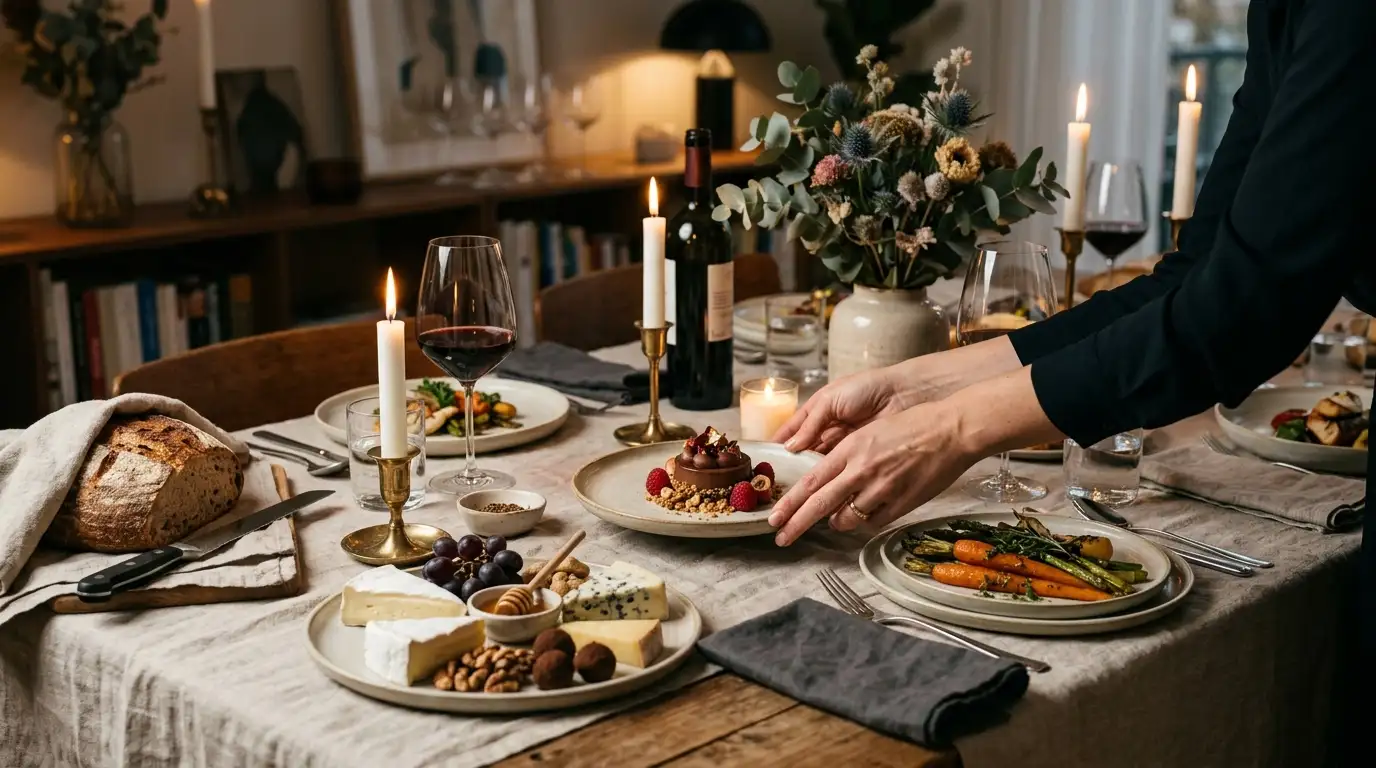

Luxury dining doesn’t have to begin with a reservation.
A beautifully prepared meal, exceptional ingredients, elegant tableware, and thoughtful presentation can turn your own dining room into an intimate culinary destination. Artisanal gastronomy at home brings the pleasure of fine dining into everyday life, with an emphasis on craftsmanship, flavor, quality, and memorable experiences.
From handmade desserts and premium chocolate to fermented foods, globally inspired breakfasts, beautifully prepared seafood, and carefully presented dinners, there are countless ways to make home dining feel extraordinary.
The secret is simple: choose ingredients with character, prepare them with care, and give the final experience room to breathe.
Table of Contents
What Is Artisanal Gastronomy at Home?
Artisanal gastronomy at home is the practice of treating food preparation and dining as a sensory experience rather than simply a daily necessity.
It combines several elements:
| Element | Luxury Home Dining Approach |
|---|---|
| Ingredients | Seasonal, specialty, local, or artisan-produced |
| Preparation | Traditional methods and careful cooking |
| Flavor | Balanced seasoning and contrasting textures |
| Presentation | Elegant plating and thoughtful portions |
| Table Setting | Quality ceramics, glassware, linens, and cutlery |
| Desserts | Handmade cakes, pastries, fruit, and premium chocolate |
| Global Cuisine | Inspiration from distinctive culinary traditions |
| Atmosphere | Lighting, flowers, music, and comfortable surroundings |
| Entertaining | Menus designed around the occasion and guests |
You don’t need professional culinary training.
A few excellent ingredients and one well-executed dish can have more impact than a crowded table filled with complicated recipes.
The Fine Dining Experience Begins With Ingredients
Exceptional home cooking starts at the market.
Look for ingredients with a clear sense of place and season. Fresh seafood, heritage vegetables, artisan cheeses, quality olive oil, specialty meats, naturally fermented foods, and handmade breads can immediately change the character of a meal.
Consider building a dinner around one standout ingredient.
A beautiful piece of fish could become the centerpiece of a dinner with roasted vegetables, a bright herb sauce, and crisp potatoes.
Excellent tomatoes might need little more than burrata, basil, sea salt, and extra-virgin olive oil.
A premium chocolate can become the final course of an otherwise simple dinner.
This style of cooking allows the ingredient to remain recognizable.
Seasonal Ingredients Create More Interesting Menus
Seasonality gives you a natural framework for planning meals.
Spring might bring asparagus, peas, strawberries, herbs, and delicate greens.
Summer opens the door to tomatoes, peaches, berries, courgettes, seafood, and fresh herbs.
Autumn brings mushrooms, squash, apples, pears, root vegetables, and warming spices.
Winter works beautifully with citrus, roasted vegetables, slow-cooked meats, hearty grains, and rich sauces.
Seasonal cooking also gives a dinner a sense of occasion because the menu changes throughout the year.
Creating a Luxury Tasting Experience at Home
A tasting menu can sound intimidating, yet the concept is surprisingly easy to adapt for a private dinner.
Instead of serving three large courses, create several smaller plates.
A simple home tasting menu might look like this:
- Small amuse-bouche — a single elegant bite to begin.
- First course — a light vegetable, seafood, or salad preparation.
- Second course — a richer dish with contrasting texture.
- Main course — the centerpiece of the evening.
- Dessert — something delicate and beautifully presented.
- Final bite — premium chocolate, fruit, or a small confection.
Portion size matters.
Smaller servings allow guests to experience several flavors without becoming overwhelmed.
Contrast Makes a Tasting Menu Memorable
Think in terms of texture, temperature, acidity, sweetness, and richness.
A creamy starter can be followed by something crisp.
A rich main course can be balanced by something acidic or herbal.
A sweet dessert can finish with bitter dark chocolate or fresh citrus.
This creates movement throughout the meal.
You don’t need expensive ingredients at every stage.
Spend more on the centerpiece and use simpler ingredients around it.
The Art of Elegant Home Entertaining
A dinner party becomes memorable when the host thinks about the entire experience.
Start with the table.
Quality linen napkins, polished cutlery, attractive plates, and well-chosen glassware immediately establish a sense of occasion.
You can keep the decoration restrained.
A low floral arrangement allows conversation to flow across the table. Candles provide warmth during an evening dinner. A beautiful serving platter can become part of the presentation.
A Simple Luxury Table Setting
For an elegant dinner, consider:
- Linen tablecloth or individual placemats
- Cloth napkins
- Quality dinner plates
- Smaller plates for starters
- Proper cutlery for each course
- Water glasses
- Wine glasses when appropriate
- Serving platters
- Small bowls for sauces or condiments
- Candles or subtle table lighting
- Seasonal flowers or greenery
The table should support the food rather than compete with it.
Romantic Dinner Ideas at Home
A romantic dinner benefits from simplicity.
Choose two or three dishes you can prepare comfortably rather than attempting an elaborate menu that keeps you away from the table.
A possible menu could include burrata with tomatoes, handmade pasta with seasonal ingredients, roasted vegetables, and a small chocolate dessert.
For dessert, miniature portions can feel particularly elegant.
Individual chocolate cakes, fruit tarts, panna cotta, berries with mascarpone, or carefully arranged chocolate truffles all work beautifully.
The presentation matters.
Serve dessert on smaller plates, leave space around the food, and finish with one small decorative element such as shaved chocolate, berries, mint, or edible flowers.
The Luxury of Handmade Desserts
Dessert provides an opportunity to slow down.
A homemade cake doesn’t need elaborate decoration to feel special. Texture, flavor, and presentation often matter more than excessive ornamentation.
Classic cakes can become part of an elegant celebration when paired with beautiful serving pieces and thoughtful styling.
Wedding cakes offer an excellent example.
Traditional cake toppers and figurines can carry sentimental value, particularly when they reflect the couple’s personality, interests, or heritage.
Vintage-inspired cake toppers can also create a nostalgic element at a wedding or anniversary celebration.
Elegant Cake Ideas for Romantic Occasions
Consider:
- Vintage floral wedding cakes
- Minimalist white cakes
- Chocolate wedding cakes
- Fresh berry cakes
- Champagne-inspired cake designs
- Hand-painted floral cakes
- Tiered cakes with delicate sugar work
- Classic cakes decorated with vintage figurines
The most memorable cake usually has a connection to the people celebrating the occasion.
Fine Chocolate as an Artisanal Tasting Experience
Chocolate deserves its own place in an elevated home tasting.
Instead of serving a large assortment, select three or four exceptional pieces and taste them slowly.
Compare:
- Cocoa intensity
- Sweetness
- Texture
- Fruit notes
- Nutty flavors
- Floral aromas
- Bitterness
- Finish
Luxury chocolate brands can offer dramatically different experiences.
Comparing European chocolate makers can become an entertaining tasting activity for guests, especially when each sample is served in a small portion.
Serve chocolate at the appropriate temperature and give each variety its own space on the plate.
Fresh fruit, nuts, dried fruit, or a small amount of sea salt can provide useful flavor contrasts.
How to Create a Chocolate Tasting Board
Arrange several varieties on a simple wooden or marble board.
Include:
- Dark chocolate
- Milk chocolate
- White chocolate
- Filled pralines
- Hazelnut or almond chocolate
- Fruit-infused chocolate
- A single-origin bar
Label each selection discreetly if you’re hosting a tasting.
Encourage guests to taste the mildest chocolate first and gradually move toward stronger varieties.
It turns dessert into an experience.
Fermented Foods and the Art of Traditional Flavor
Fermentation has been part of food culture for centuries.
It appears in cuisines around the world through ingredients such as kimchi, sauerkraut, miso, fermented vegetables, yogurt, sourdough, pickles, and fermented sauces.
These foods can add acidity, depth, saltiness, and complexity to a meal.
They also introduce traditional preparation methods into modern home cooking.
Fermented Foods Around the World
| Cuisine | Example | Culinary Role |
|---|---|---|
| Korean | Kimchi | Spicy, acidic side dish |
| Japanese | Miso | Savory fermented seasoning |
| German | Sauerkraut | Tangy vegetable accompaniment |
| French | Crème fraîche | Rich cultured dairy |
| Indian | Fermented dosa batter | Base for savory dishes |
| Mediterranean | Olives | Salty, fermented accompaniment |
| Global | Sourdough | Naturally fermented bread |
Fermented fish also appears in several traditional food cultures.
Its intense flavor makes it an ingredient for adventurous tasting rather than an everyday choice for every guest.
The broader lesson is valuable: traditional preservation techniques can create flavors that modern convenience foods rarely reproduce.
Korean Meals and the Beauty of Shared Dining
Korean cuisine offers a wonderful model for luxurious home entertaining because meals often involve multiple dishes placed around the table.
Rather than building the entire experience around one oversized entrée, you can create variety through smaller plates.
A Korean-inspired dinner might include:
- Steamed rice
- Kimchi
- Grilled meat or fish
- Seasoned vegetables
- Pickled vegetables
- Tofu
- Soup
- Korean-style pancakes
- Fresh fruit
This approach works particularly well for groups.
Guests can taste several dishes and build their own combinations.
The visual effect is also impressive.
A table filled with small, colorful dishes creates abundance without requiring enormous portions.
Asian-Inspired Breakfasts for Elegant Weekends
Breakfast can take inspiration from Asian culinary traditions as well.
Japanese breakfasts often combine rice, miso soup, grilled fish, vegetables, and pickled foods.
Korean breakfasts can include rice, soup, fermented vegetables, eggs, and small side dishes.
These meals offer a useful alternative to the familiar pastry-and-cereal routine.
For a luxurious weekend breakfast, serve several small portions rather than one oversized plate.
Add fresh fruit, beautifully prepared eggs, artisan bread or rice, seasonal vegetables, and a selection of condiments.
The result feels generous and relaxed.
Crispy Chicken Wings With a Gourmet Approach
Even familiar comfort foods can fit into an elevated home dining experience.
Chicken wings are a good example.
The difference comes from technique and presentation.
For crisp wings, dry the chicken thoroughly before cooking. Season the meat well, give the pieces enough space during cooking, and finish with a sauce that provides acidity, heat, sweetness, or richness.
Instead of serving wings directly from a large bowl, plate them individually or arrange them on a large ceramic serving platter.
Pair them with refined accompaniments such as:
- Roasted garlic aioli
- Hot honey
- Sesame glaze
- Lemon-herb sauce
- Blue cheese dressing
- Pickled vegetables
- Fresh herbs
Comfort food becomes party food when presentation receives the same attention as flavor.
Building a Luxury Pantry
A well-stocked pantry makes spontaneous entertaining much easier.
You don’t need dozens of specialty products.
Focus on ingredients that can transform simple dishes.
Pantry Essentials for Artisanal Home Cooking
Oils and vinegars
- Extra-virgin olive oil
- Aged balsamic vinegar
- Champagne vinegar
- Sherry vinegar
Seasonings
- Flaky sea salt
- Fresh black pepper
- Smoked paprika
- Saffron
- Chili flakes
- Fresh and dried herbs
Specialty ingredients
- Premium canned tomatoes
- Artisan pasta
- Quality rice
- Specialty mustard
- Good honey
- Preserved lemons
- Olives
- Capers
Finishing ingredients
- Parmesan
- Fresh herbs
- Citrus
- Toasted nuts
- High-quality chocolate
A few carefully selected ingredients can turn a basic meal into something worth serving to guests.
How to Make Everyday Meals Feel Luxurious
You don’t need to wait for a celebration.
Small rituals can make ordinary meals feel special.
Use your favorite plates on Tuesday.
Put flowers on the table when you’re eating alone.
Serve fruit on a beautiful platter instead of eating it directly from the refrigerator.
Use proper glassware.
Make one dish from scratch.
Turn off the television.
Give yourself enough time to actually taste the food.
These details create a stronger connection between food and daily life.
The luxury is in the ritual.
Common Mistakes in Luxury Home Dining
Beautiful food can lose its impact when the practical details are overlooked.
Preparing Too Many Dishes
More dishes create more work and can make timing difficult.
Choose a menu you can execute confidently.
Ignoring Temperature
Serve hot food hot and chilled dishes properly cold.
Timing matters just as much as presentation.
Overdecorating the Table
Too many flowers, candles, decorations, and serving pieces can make a table feel crowded.
Leave visual breathing room.
Making Everything Rich
A menu filled with cream, butter, cheese, and heavy sauces can quickly become tiring.
Balance rich dishes with vegetables, herbs, acidity, fruit, and lighter preparations.
Forgetting the Guest Experience
A dinner party isn’t a restaurant service.
Guests came to spend time with you.
Prepare as much as possible before they arrive so you can actually sit down and enjoy the meal.
A Simple Formula for Fine Dining at Home
When planning your next elevated dinner, use this five-part formula:
1. Choose one exceptional ingredient.
Make it the foundation of the meal.
2. Add contrasting textures.
Combine crisp, creamy, tender, crunchy, or silky elements.
3. Add acidity.
Lemon, vinegar, pickled vegetables, or fruit can brighten rich foods.
4. Keep the presentation restrained.
Use negative space on the plate and let the main ingredient remain visible.
5. Create an atmosphere.
Lighting, music, table linens, flowers, and conversation complete the experience.
This formula works for a romantic dinner for two just as well as a larger gathering.
Key Takeaways
- Artisanal gastronomy at home brings fine dining principles into everyday life.
- Start with exceptional seasonal ingredients and let their natural qualities guide the menu.
- A tasting menu can be created with small, manageable portions.
- Fermented foods add distinctive flavor and traditional culinary character.
- Korean and Asian-inspired meals offer excellent ideas for shared home dining.
- Premium chocolate can become an elegant tasting experience rather than a simple dessert.
- Handmade cakes and desserts can transform celebrations and romantic dinners.
- Comfort foods can feel sophisticated through better ingredients, technique, and presentation.
- Beautiful tableware, lighting, flowers, and music contribute to the dining experience.
- The most convincing form of luxury comes from thoughtful details, good hospitality, and food worth slowing down for.
Frequently Asked Questions
What is artisanal gastronomy?
Artisanal gastronomy focuses on carefully selected ingredients, traditional or handcrafted preparation methods, thoughtful presentation, and the sensory experience of eating. At home, it can range from handmade desserts to multi-course tasting menus.
How can I create a fine dining experience at home?
Choose quality ingredients, plan a manageable menu, use attractive tableware, serve carefully prepared portions, and create a pleasant atmosphere with lighting, music, linens, and flowers.
What foods work well for a home tasting menu?
Small portions of seafood, seasonal vegetables, artisan cheeses, handmade pasta, premium meats, fermented foods, chocolate, and miniature desserts all work well for tasting menus.
How can I make a dinner party feel luxurious?
Focus on the complete experience. Prepare food carefully, set the table beautifully, serve dishes in courses, use quality glassware and linens, and give guests plenty of time to enjoy each dish.
Are fermented foods suitable for fine dining?
Yes. Fermented foods can provide acidity, savory depth, saltiness, and distinctive flavor. Kimchi, miso, cultured dairy, fermented vegetables, sourdough, and traditional pickles can all contribute to sophisticated menus.
How do I make homemade desserts look elegant?
Use smaller portions, clean plating, restrained decoration, and contrasting colors or textures. Fresh berries, shaved chocolate, herbs, sauces, and edible flowers can add visual interest without making the plate crowded.
What makes a luxury meal memorable?
A memorable meal combines excellent food with atmosphere, presentation, hospitality, and conversation. The quality of the experience comes from how these elements work together.
Can comfort food be part of luxury dining?
Absolutely. Familiar foods such as chicken wings, pasta, or cake can become sophisticated when prepared with quality ingredients, careful technique, interesting sauces, and thoughtful presentation.