
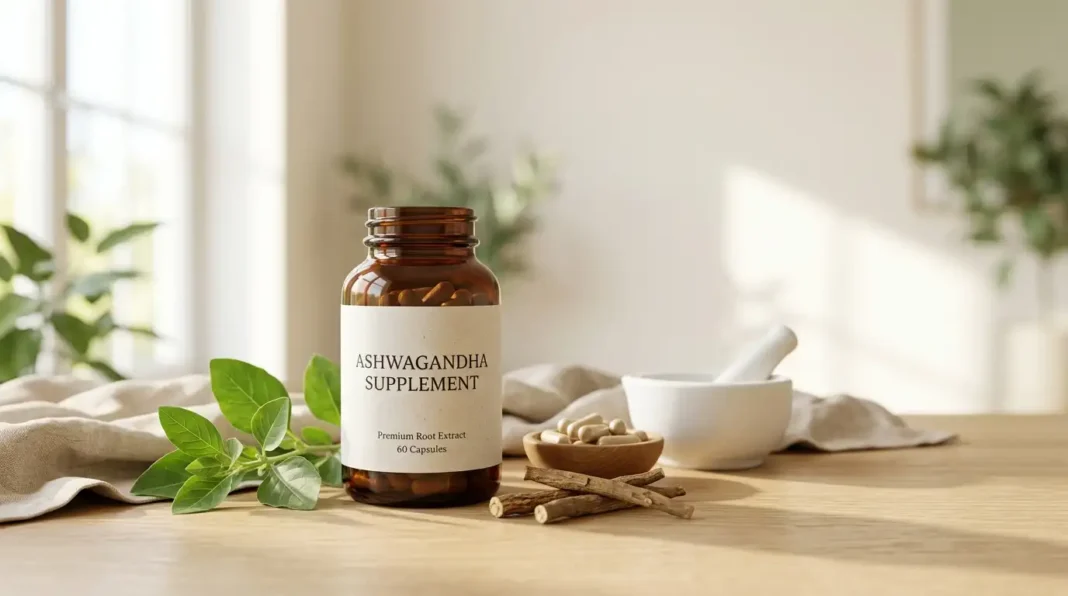

Ashwagandha has become one of the world’s most trusted herbal supplements, valued for its ability to support stress management, mental clarity, energy levels, sleep quality, and overall well-being. As an adaptogenic herb used for centuries in Ayurvedic medicine, it helps the body respond more effectively to physical and emotional stress while promoting balance across multiple body systems.
Choosing the best ashwagandha supplement can be overwhelming because hundreds of products claim superior quality. The differences often come down to ingredient sourcing, extraction methods, standardization, dosage, purity, and third-party testing.
This comprehensive guide explains everything you need to know before purchasing an ashwagandha supplement so you can make an informed decision based on quality rather than marketing claims.
Table of Contents
What Is Ashwagandha?
Ashwagandha (Withania somnifera) is an evergreen shrub native to India, the Middle East, and parts of Africa. It has been a cornerstone of Ayurvedic medicine for more than 3,000 years.
Its active compounds, known as withanolides, contribute to many of its potential health benefits, including supporting:
- Healthy stress response
- Better sleep quality
- Mental performance
- Physical endurance
- Immune health
- Hormonal balance
- Healthy cortisol levels
Modern clinical studies continue to explore these benefits, making ashwagandha one of the most researched herbal adaptogens available today.
Benefits of the Best Ashwagandha Supplement
Supports Healthy Stress Management
One of the primary reasons people choose ashwagandha is its ability to help the body adapt to daily stress.
By supporting balanced cortisol production, quality ashwagandha extracts may help individuals maintain emotional resilience during demanding periods.
Many users report experiencing:
- Greater calmness
- Improved focus
- Better emotional balance
- Reduced feelings of overwhelm
If you’re specifically interested in herbal support for stress-related symptoms, read our guide on ashwagandha for anxiety for more detailed information.
Improves Sleep Quality
Sleep and stress are closely connected.
Many users find that consistent supplementation helps them:
- Fall asleep faster
- Stay asleep longer
- Wake up feeling more refreshed
- Experience deeper restorative sleep
Unlike traditional sleep aids, ashwagandha generally supports the body’s natural sleep cycle rather than causing sedation.
Enhances Mental Performance
Research suggests that standardized ashwagandha extracts may support:
- Memory
- Learning ability
- Concentration
- Processing speed
- Cognitive flexibility
These benefits make it increasingly popular among students and professionals seeking natural cognitive support.
Supports Physical Performance
Athletes and fitness enthusiasts often include ashwagandha in their wellness routine because studies have associated supplementation with:
- Improved endurance
- Better exercise recovery
- Increased strength
- Enhanced muscle performance
- Reduced exercise-induced fatigue
Although it is not a performance-enhancing drug, it may support healthy physical adaptation to training.
Promotes Healthy Hormonal Balance
Ashwagandha has been studied for its effects on hormonal health in both men and women.
Potential benefits include support for:
- Healthy testosterone levels in men
- Reproductive wellness
- Thyroid function
- Menopausal comfort
- General endocrine balance
Individuals with thyroid conditions should consult a healthcare professional before beginning supplementation.
Types of Ashwagandha Supplements
Understanding the available forms helps you select the most suitable product.
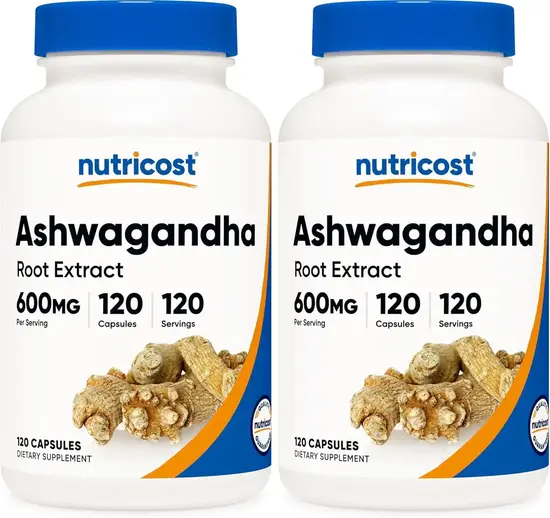
Capsules
Capsules remain the most popular choice because they offer:
- Precise dosage
- Convenience
- No earthy taste
- Easy portability
Most premium supplements are available in capsule form.
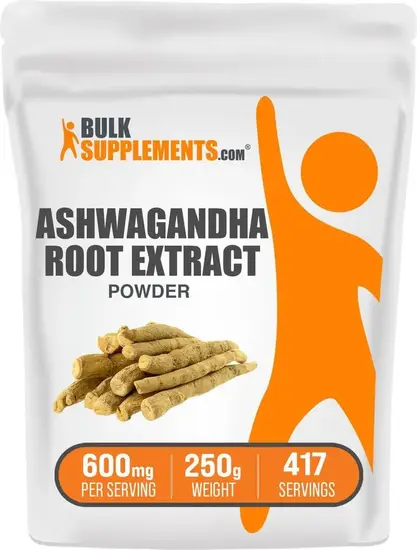
Powder
Traditional Ayurvedic preparations often use powdered root.
Advantages include:
- Flexible dosing
- Easy addition to smoothies
- Mixing into warm milk
- Budget-friendly pricing
However, many people find the natural flavor quite bitter.
Liquid Extracts
Liquid extracts provide:
- Fast absorption
- Adjustable serving sizes
- Convenient use without swallowing pills
These are ideal for individuals who prefer liquid supplements.
Gummies
Gummies are growing in popularity because they are:
- Pleasant tasting
- Easy to consume
- Convenient for daily use
Some contain added sugars, so ingredient labels should be carefully reviewed.
Root Extract vs. Whole Root Powder
Not every ashwagandha supplement is created equally.
Whole Root Powder
Contains the entire dried root with naturally occurring compounds.
Pros:
- Traditional preparation
- Less processing
Cons:
- Lower concentration
- Larger serving sizes required
Root Extract
Extracts concentrate beneficial compounds, especially withanolides.
Pros:
- Higher potency
- Clinically studied
- Consistent dosing
Cons:
- More expensive
Most premium supplements use standardized root extracts.
Standardized Extracts Worth Considering
Several branded extracts have gained recognition due to clinical research.
KSM-66®
One of the most extensively studied extracts.
Features:
- Full-spectrum root extract
- High concentration
- Strong research backing
- Widely used in clinical trials
Sensoril®
Sensoril combines root and leaf extracts.
Benefits may include:
- Stress management
- Cognitive support
- Sleep improvement
Shoden®
A newer standardized extract known for:
- High withanolide concentration
- Lower daily dosage
- Enhanced bioavailability
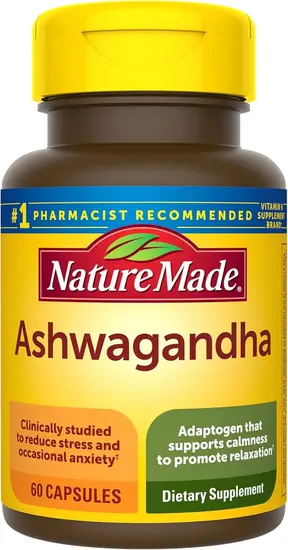
How to Choose the Best Ashwagandha Supplement
1. Look for Standardized Withanolides
High-quality supplements typically contain standardized extracts ranging between 2.5% and 10% withanolides depending on the extraction method.
Consistency is more important than simply chasing the highest percentage.
2. Choose Third-Party Tested Ashwagandha Supplement
Independent laboratory testing helps verify:
- Ingredient identity
- Purity
- Heavy metal screening
- Microbial safety
- Label accuracy
Third-party certification adds confidence in product quality.
3. Read the Ingredient List
The best products contain minimal unnecessary ingredients.
Look for supplements free from:
- Artificial colors
- Artificial preservatives
- Excess fillers
- Unnecessary binders
Clean formulations are generally preferable.
4. Verify the Plant Part Used
Premium supplements often specify:
- Root only
- Root extract
- Full-spectrum root
Transparency about ingredient sourcing reflects higher manufacturing standards.
5. Check Manufacturing Standards
Reliable manufacturers commonly follow:
- Good Manufacturing Practices (GMP)
- Quality assurance testing
- Ingredient traceability
- Transparent labeling
Recommended Dosage
Dosage depends on the extract used.
General guidelines include:
| Supplement Type | Typical Daily Dose |
|---|---|
| Whole Root Powder | 3–6 grams |
| Standardized Extract | 300–600 mg |
| High-Concentration Extract | 120–300 mg |
Always follow the serving recommendations on the product label or consult a healthcare professional.
When Is the Best Time to Take Ashwagandha Supplement?
Timing depends on your wellness goals.
Morning
Ideal for:
- Daily stress support
- Focus
- Energy
- Cognitive performance
Evening
Often preferred for:
- Relaxation
- Sleep support
- Recovery
Many people achieve excellent results by taking it consistently at the same time each day.
Potential Side Effects
Ashwagandha is generally well tolerated when taken as directed.
Possible side effects may include:
- Mild digestive discomfort
- Nausea
- Sleepiness
- Headache
Individuals who are pregnant, breastfeeding, taking prescription medications, or managing chronic medical conditions should seek medical advice before using herbal supplements.
Who May Benefit Most?
The best ashwagandha supplement may be suitable for adults seeking support with:
- Everyday stress
- Busy lifestyles
- Mental performance
- Athletic recovery
- Better sleep
- Healthy aging
- Overall wellness
It is not intended to diagnose, treat, cure, or prevent disease.
Common Mistakes to Avoid
Many consumers accidentally purchase lower-quality supplements.
Avoid products that:
- Do not disclose withanolide content
- Hide proprietary blends
- Lack third-party testing
- Use excessive fillers
- Make unrealistic health claims
Transparency is usually a strong indicator of quality.
Final Thoughts
Selecting the best ashwagandha supplement requires looking beyond marketing claims and focusing on ingredient quality, standardized extracts, third-party testing, manufacturing standards, and transparent labeling.
Whether your goal is improved stress resilience, better sleep, enhanced focus, or overall wellness, a well-formulated ashwagandha supplement can be a valuable addition to a healthy lifestyle when used consistently and responsibly.
Frequently Asked Questions
How long does ashwagandha take to work?
Some individuals notice improvements within two weeks, while others may require six to eight weeks of consistent use.
Can I take ashwagandha every day?
Many clinical studies have evaluated daily supplementation for several weeks or months. Follow the product’s directions and consult a healthcare professional if you have medical concerns.
Can I combine ashwagandha with other supplements?
Ashwagandha is often included in wellness routines alongside vitamins, minerals, and other herbal supplements. Because interactions are possible, seek professional advice if you take medications or have underlying health conditions.
Is higher dosage always better?
No. Quality, extract standardization, and consistency generally matter more than taking the largest possible dose.
Should beginners choose capsules or powder?
Capsules offer consistent dosing, convenience, and ease of use, making them the preferred choice for most beginners.
Disclaimer: This article is for informational purposes only and should not be considered medical advice. Always consult a qualified healthcare professional before starting any new supplement, especially if you are pregnant, breastfeeding, have a medical condition, or are taking prescription medications.