


Amazon Associate Disclosure: As an Amazon Associate, I earn from qualifying purchases. This means I may receive a commission when you purchase through qualifying links, at no additional cost to you.
Plantar fasciitis can make a beautiful pair of sneakers feel very different after a full day on your feet. The right pair should give your heel and arch enough support while still fitting naturally into the way you dress.
That balance is easier to find than it used to be. Brands such as Vionic, ECCO, HOKA, Brooks, and On now offer supportive footwear in silhouettes ranging from clean leather sneakers to sophisticated performance runners.
The key is knowing which features actually matter.
Mayo Clinic recommends supportive shoes with good arch support, thicker soles, and cushioning for people dealing with plantar fasciitis. The American Academy of Orthopaedic Surgeons also recommends cushioned shoes and warns against worn-out footwear that has lost its support.
Table of Contents
Quick Comparison: Stylish Sneakers for Plantar Fasciitis
| Sneaker | Style Direction | Support Features | Best For |
|---|---|---|---|
| Vionic Hayward | Polished casual | Contoured arch support, deep heel cup, cushioning | Everyday wear |
| ECCO Soft 7 | Minimalist leather | Anatomical shape, removable insole, cushioned sole | Smart-casual outfits |
| HOKA Bondi 9 | Modern performance | Thick cushioned platform | Long walks and travel |
| Brooks Adrenaline GTS 25 | Refined running style | GuideRails support, cushioned heel and forefoot | Walking and stability |
| On Cloudflyer 5 | Contemporary athleisure | Dual-density cushioning, heel counter, wide base | Urban walking and active days |
Quick tip: If your priority is a polished everyday wardrobe, start with a supportive leather sneaker. If you’re planning miles of walking, a purpose-built walking or running shoe generally gives you more cushioning and structure.
What Makes Sneakers Suitable for Plantar Fasciitis?
Plantar fasciitis affects the thick band of tissue running along the bottom of the foot from the heel toward the toes. Heel pain is often particularly noticeable with the first steps after waking or after sitting for a while.
Footwear can influence how much stress reaches the heel and arch.
A supportive sneaker generally combines adequate cushioning, a stable structure, a comfortable heel area, and enough room for your toes. Mayo Clinic specifically recommends good arch support, thick soles, cushioning, and replacing worn athletic shoes.
The feel matters just as much as the specification sheet. A shoe can have impressive technology and still feel wrong if the arch presses into the wrong place or the toe box squeezes your foot.
Think of the features below as a shopping checklist rather than a prescription.
1. Arch Support
Arch support helps distribute pressure across the foot instead of allowing the entire load to concentrate around the heel.
Some sneakers have structured support built directly into the footbed. Others use removable insoles, giving you the option of replacing the factory insert with an over-the-counter or custom orthotic.
2. A Stable Heel
A firm heel counter helps keep the rear of the foot positioned inside the shoe.
The AAOS recommends checking the heel counter when trying on footwear. A supportive shoe should resist being easily squeezed at the heel.
3. Cushioning
Cushioning absorbs some of the impact created when your heel contacts the ground.
For long walks or standing-heavy days, a thicker cushioned midsole can make the experience considerably more comfortable. AAOS notes that thick soles and additional cushioning can reduce pain associated with standing and walking.
4. A Stable Shank
The shank is the section beneath the arch between the heel and forefoot.
Try gently twisting the shoe. You want some natural movement through the forefoot while the middle of the shoe maintains structure. AAOS similarly advises looking for shoes that bend at the toe box rather than through the shank.
5. Enough Toe Room
Your toes need space to spread naturally.
A sleek silhouette can still have a generous internal shape. Look for enough width and depth that your toes aren’t compressed from above or pushed together from the sides.
The Minimalist Everyday Sneaker
A supportive sneaker doesn’t need to resemble a running shoe.
For office-casual wardrobes, travel outfits, denim, tailored trousers, and understated weekend looks, a leather sneaker can be the more versatile choice.
Vionic Hayward: Support With a Clean Casual Shape
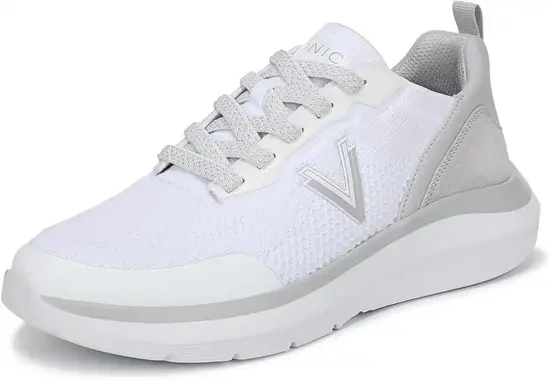
The Vionic Hayward is a strong example of the minimalist-support category.
Its current construction includes a removable microfiber-wrapped EVA footbed, contoured arch support, shock-absorbing cushioning, a deep heel cup, and forefoot flexibility. Vionic also states that the Hayward has received the APMA Seal of Acceptance.
The visual appeal comes from its casual profile rather than an overt orthopedic appearance.
Technical snapshot
- Support: Contoured arch support
- Heel: Deep heel cup
- Cushioning: Shock-absorbing
- Footbed: Removable EVA-based footbed
- Style: Casual everyday sneaker
- Best use: Walking, errands, everyday outfits
Pros
- Built-in arch support
- Deep heel cup adds rear-foot structure
- Removable footbed allows customization
- Easy to pair with casual wardrobes
Cons
- More casual than a traditional leather dress sneaker
- Structured support may feel different if you’re accustomed to very soft footwear
- Fit varies by foot shape
Who it’s for: Someone who wants dedicated support in a sneaker that can handle everyday outfits.
Who should skip it: Anyone looking specifically for a lightweight racing-style runner or a very minimal barefoot feel.
Vionic says its footwear is designed around biomechanics, arch support, stability, cushioning, and flexibility, with many products carrying the APMA Seal of Acceptance.
ECCO Soft 7: The Polished Leather Option
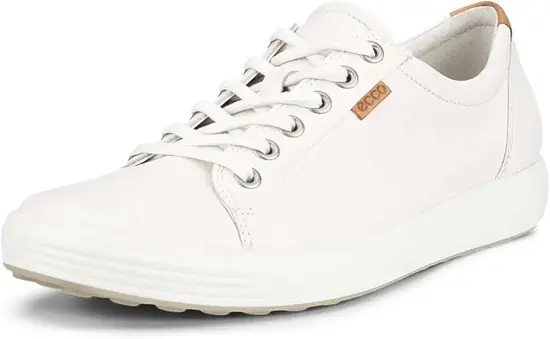
If your idea of a sneaker involves full-grain leather, tonal colors, clean lines, and Scandinavian simplicity, ECCO belongs on the shortlist.
The Soft 7 has an anatomical last shape, a removable leather-covered insole, and an ECCO FLUIDFORM sole designed to provide cushioning and flexibility. Some versions are made with full-grain leather and can accommodate extra width when the removable insole is taken out.
That makes the Soft 7 especially interesting for people who want a sneaker that works with more polished clothing.
Picture it with straight-leg trousers, a cashmere sweater, a long wool coat, or relaxed tailoring.
Technical snapshot
- Upper: Leather on many versions
- Fit: Anatomical last
- Footbed: Removable
- Sole: FLUIDFORM construction
- Style: Minimalist leather sneaker
- Best use: Everyday city wear and smart-casual dressing
Pros
- Refined leather appearance
- Removable insole
- Anatomical shoe shape
- Works with dressed-up casual outfits
Cons
- Less specialized than a dedicated running shoe
- Arch support may not feel sufficient for every person with plantar fasciitis
- Leather versions can feel warmer than mesh performance footwear
Who it’s for: Anyone who wants supportive-feeling everyday footwear that can replace a traditional leather casual shoe.
Who should skip it: Someone buying primarily for very long walking sessions who needs maximum cushioning.
The High-Cushion Walker
Long urban walks change the equation.
A sneaker that feels wonderful for a 20-minute coffee run may feel very different after several hours of sightseeing. That’s where high-cushion performance footwear earns its place.
HOKA Bondi 9: Maximum Cushioning for Long Days
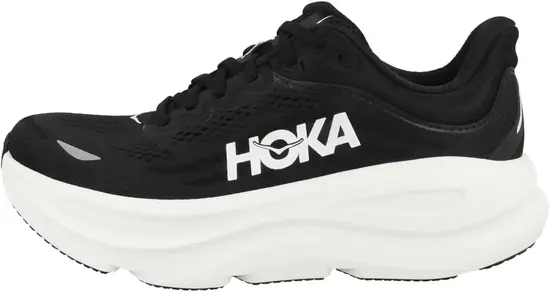
The HOKA Bondi 9 is designed for everyday running, lifestyle wear, walking, and recovery. HOKA describes it as one of its highly cushioned shoes, with a substantial platform built around a plush underfoot experience.
The Bondi’s visual identity is unmistakably performance-driven, yet monochromatic colorways can make it surprisingly easy to style.
Pair a black or neutral version with wide-leg trousers, technical outerwear, leggings, or an oversized knit.
Technical snapshot
- Category: Cushioned running/walking shoe
- Best uses: Walking, lifestyle, recovery, everyday running
- Ride: Plush and highly cushioned
- Silhouette: Max-cushion performance sneaker
Pros
- Substantial cushioning
- Designed for walking as well as running
- Strong choice for travel days
- Available in understated color combinations
Cons
- Bulky compared with leather cupsole sneakers
- Chunkier profile may not suit every outfit
- High cushioning doesn’t automatically mean the shoe will fit every foot comfortably
Who it’s for: Travelers, walkers, and anyone expecting to spend hours moving around a city.
Who should skip it: Someone searching for a slim sneaker that disappears beneath tailored trousers.
Remember that cushioning alone doesn’t diagnose whether a shoe will work for your plantar fasciitis. Your foot shape and response to the shoe still matter.
Brooks Adrenaline GTS 25: Structured Support Meets Streetwear
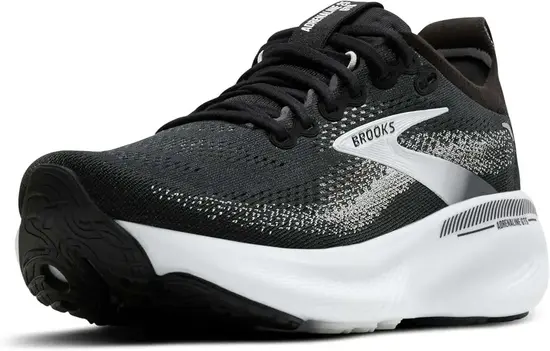
The Brooks Adrenaline GTS 25 sits between a traditional running shoe and a versatile everyday walking sneaker.
Brooks lists it for structured support, road running, walking, and everyday comfort. It uses GuideRails technology, with additional cushioning in the heel and forefoot. The current model has a 10 mm midsole drop.
Brooks also states that products across several of its franchises carry the APMA Seal of Acceptance.
Technical snapshot
- Support: Structured
- Technology: GuideRails
- Drop: 10 mm
- Cushioning: Balanced
- Best uses: Walking and road running
Pros
- Strong support structure
- Comfortable for extended walking
- 10 mm drop may suit people who prefer a more elevated heel-to-forefoot transition
- Athletic styling works well with modern casualwear
Cons
- Running-shoe appearance
- More technical than a leather sneaker
- Structured support won’t suit every person’s gait
Who it’s for: People who want a stable performance sneaker that can handle both exercise and everyday walking.
Who should skip it: Anyone looking for a luxury leather aesthetic first.
On Cloudflyer 5: The Elevated Athleisure Runner
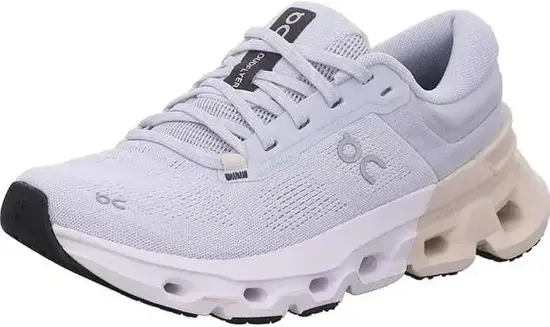
On has made technical sneakers particularly easy to integrate into contemporary wardrobes.
The Cloudflyer 5 combines a wide platform, molded heel counter, dual-density cushioning, and a dual-density sockliner. On lists it as a stable road-running shoe with a 9 mm heel-to-toe drop.
The design works especially well with the modern athleisure wardrobe: tailored joggers, cashmere layers, minimalist outerwear, and monochrome basics.
Technical snapshot
- Support: Stable
- Heel-to-toe drop: 9 mm
- Midsole: Dual-density Helion
- Heel: Molded heel counter
- Platform: Wide
- Best uses: Daily training, walking, longer efforts
Pros
- Strong modern aesthetic
- Wide platform adds a stable feel
- Dual-density cushioning
- Secure heel construction
Cons
- Performance styling may feel too sporty for formal wardrobes
- Current model is more substantial than a traditional lifestyle sneaker
- Cushioning preference is highly personal
Who it’s for: Someone who wants technical support with a fashion-forward sneaker profile.
Who should skip it: Someone who prefers a thin, flexible leather sneaker for office dressing.
How to Choose Sneakers for Plantar Fasciitis
A useful shopping process takes about five minutes.
Check the Heel Counter
Press the heel section with your fingers.
A supportive heel counter should resist easy collapse. AAOS recommends checking whether the heel counter can be squeezed and whether it provides enough height and stability around the heel.
Try the Twist Test
Hold the sneaker at the heel and forefoot and gently twist it.
Some movement is normal. Excessive twisting through the middle of the shoe can indicate less structural support.
Then bend the shoe.
The toe area should flex more readily than the middle of the shoe. This matches AAOS footwear guidance on stable shanks and appropriate forefoot flexibility.
Check the Arch
Put the sneaker on and walk around.
The arch should feel supported rather than sharply pressed into one particular point.
That’s a personal fit issue. A shoe with a highly structured arch can feel wonderful to one person and uncomfortable to another.
Check the Toe Box
Stand up while wearing the shoes.
Your toes should have room to move without rubbing against one another or the front of the shoe.
AAOS recommends enough length and width to prevent cramped toes and notes that shoe shape should follow the shape of the foot.
Think About Heel-to-Toe Drop
Heel-to-toe drop describes the height difference between the heel and forefoot.
A higher drop places the heel higher relative to the forefoot. A lower drop creates a flatter relationship.
There isn’t one universal drop that works for every person with plantar fasciitis. Treat it as one variable alongside cushioning, fit, stability, and personal comfort.
For reference, the current Brooks Adrenaline GTS 25 lists a 10 mm drop, while the On Cloudflyer 5 lists 9 mm.
How to Style Supportive Sneakers
The easiest way to make supportive footwear look sophisticated is to treat the sneaker as part of the outfit rather than as a separate medical decision.
With Tailored Trousers
Choose a streamlined leather sneaker such as an ECCO Soft 7.
The combination of relaxed tailoring and clean white, black, or tonal sneakers creates an understated look.
With Denim
A structured sneaker works beautifully with straight-leg denim, a fine-gauge knit, and a long coat.
Vionic’s casual silhouettes can work particularly well here because the support features are integrated into everyday sneaker designs.
With Travel Outfits
This is where performance footwear makes the most sense.
A neutral HOKA Bondi 9, Brooks Adrenaline GTS 25, or On Cloudflyer 5 can work with technical trousers, relaxed denim, leggings, and oversized layers.
The outfit looks more intentional when the sneaker color echoes another element of the look.
Black sneakers with black trousers create a long visual line. Cream sneakers work beautifully with beige, camel, stone, and soft gray.
Common Mistakes When Buying Sneakers for Plantar Fasciitis
Choosing Softness Over Structure
A pillow-soft sneaker can feel fantastic during the first few minutes.
Your feet may tell a different story after several hours.
Look for a combination of cushioning and structural support rather than judging the shoe solely by how soft the midsole feels.
Foot swelling can become more noticeable during long days.
Buying Too Small
Try shoes later in the day when possible, and make sure your toes have adequate room.
Keeping Old Running Shoes Too Long
Foam and cushioning materials wear over time.
Mayo Clinic recommends replacing worn athletic shoes because they can lose support and cushioning.
Assuming One Shoe Works for Every Activity
Your ideal city-walking sneaker may not be the right shoe for running.
Your polished leather sneaker may look perfect at dinner but lack the cushioning you want for a full day of sightseeing.
Build your footwear collection around what you actually do.
Can Supportive Sneakers Cure Plantar Fasciitis?
Supportive footwear can be part of managing plantar fasciitis, but sneakers alone shouldn’t be presented as a cure.
Mayo Clinic lists supportive shoes alongside stretching, strengthening, activity changes, icing, orthotic support, and other treatment options. Persistent symptoms may warrant evaluation by a healthcare professional.
If heel pain continues, becomes severe, or interferes with normal walking, speak with a podiatrist or other qualified healthcare professional.
A shoe should support your treatment plan rather than replace one.
Key Takeaways
- Support and style can coexist. Leather sneakers can work when they provide an appropriate fit and support structure.
- Look for arch support, cushioning, heel stability, and adequate toe room.
- A supportive shoe should resist excessive twisting through the middle while allowing appropriate movement through the forefoot.
- HOKA Bondi 9 makes sense for people seeking substantial cushioning for walking and travel.
- Brooks Adrenaline GTS 25 offers structured support and cushioning for walking and running.
- On Cloudflyer 5 combines a modern athleisure look with a stable platform and dual-density cushioning.
- Vionic Hayward integrates contoured arch support and a deep heel cup into an everyday sneaker.
- ECCO Soft 7 is worth considering when a polished leather aesthetic matters.
- Replace worn-out footwear before the loss of cushioning and support becomes a problem.
- Persistent or severe heel pain deserves assessment from a qualified healthcare professional.
Frequently Asked Questions
What type of sneakers are best for plantar fasciitis?
Look for sneakers with good arch support, cushioning, a stable heel, adequate toe room, and a supportive sole. Mayo Clinic specifically recommends supportive shoes with good arch support, thick soles, and cushioning.
Are HOKA shoes good for plantar fasciitis?
HOKA’s highly cushioned models, such as the Bondi 9, can be appealing for people who want substantial cushioning during walking. However, individual fit and comfort matter, so a highly cushioned shoe isn’t automatically suitable for everyone.
Are Brooks Adrenaline shoes good for plantar fasciitis?
The Brooks Adrenaline GTS 25 provides structured support through GuideRails and cushioning in the heel and forefoot. Brooks lists walking among its recommended uses.
Is arch support important for plantar fasciitis?
Arch support is commonly recommended as part of supportive footwear for plantar fasciitis. Mayo Clinic recommends shoes with good arch support, while AAOS notes that supportive shoes and inserts can help reduce stress during standing and walking.
Can I wear stylish leather sneakers with plantar fasciitis?
Yes, provided the shoe fits your foot and supplies the support and cushioning you need. ECCO’s Soft 7, for example, combines leather construction with an anatomical shape, removable insole, and cushioned sole.
Should plantar fasciitis shoes be firm or soft?
A balance of cushioning and stability is generally more useful than choosing the softest shoe available. AAOS recommends thick soles and extra cushioning while also advising shoppers to look for a stable shoe structure.
How should a plantar fasciitis sneaker fit?
Your heel should feel secure, the arch should feel comfortably supported, and your toes should have enough room to move without being squeezed. AAOS recommends checking both the length and width of the shoe and avoiding cramped toe boxes.
Can I use orthotics in stylish sneakers?
Many sneakers with removable insoles can accommodate replacement footbeds or orthotics. AAOS specifically notes that shoes with removable insoles can be useful when an orthotic or different insole is needed