
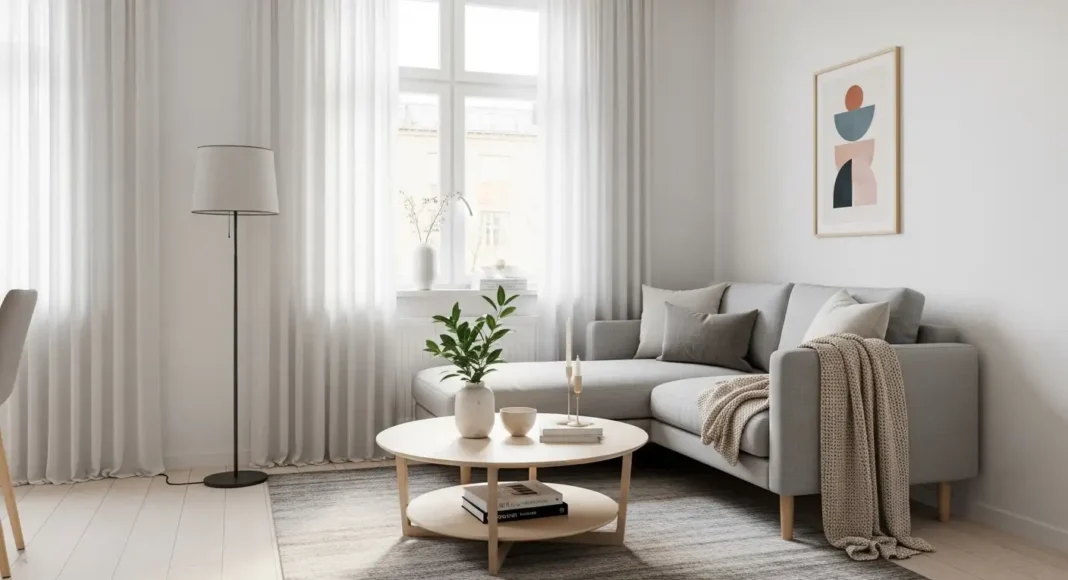
Small Corner Couches have become a defining solution for compact interiors, offering generous seating, visual balance, and efficient use of space without overwhelming the room.
We created this guide for discerning homeowners who value style, comfort, and intelligent design. Our focus is realistic, practical, and grounded in everyday living, with no exaggerated claims and no design myths.
Table of Contents
Why Small Corner Couches Make Sense in Compact Homes
Designed to Maximize Every Inch
In small apartments, studios, and modern townhomes, every square meter counts. A well-proportioned corner couch naturally fits into underused corners, freeing up central floor space and improving circulation.
Key spatial advantages include better use of awkward corners, fewer standalone seating pieces, clearer walking paths, and a more structured room layout.
Instead of scattering chairs or loveseats, one thoughtfully chosen corner sofa can anchor the entire room.
In compact interiors, furniture that defines boundaries without blocking movement is essential. Corner couches do exactly that.
Understanding Small Corner Couches vs Standard Sofas
How They Differ in Real-Life Use
| Feature | Small Corner Couch | Standard Sofa |
|---|---|---|
| Seating capacity | Higher for size | Limited |
| Space efficiency | Excellent | Moderate |
| Room zoning | Strong | Weak |
| Visual balance | Anchors corners | Floats awkwardly |
| Ideal for small spaces | Yes | Sometimes |
A standard sofa often leaves unused gaps, while Small Corner Couches create a sense of intention and completeness.
Choosing the Right Size for Your Space
Proportions Matter More Than Labels
Not all small corner couches are truly suitable for compact rooms. Measurements matter more than marketing terms.
Ideal size guidelines include a width of 200–250 cm, chaise depth of 130–160 cm, seat height of 40–45 cm, and a low to mid-profile back.
Avoid bulky arms and overly deep seats, as these consume visual space even if the couch technically fits.
Best Layout Options for Small Rooms
L-Shaped vs Reversible Designs
L-shaped corner couches work best when the layout is fixed. Reversible designs offer flexibility, making them ideal for renters or evolving spaces.
Recommended layouts include placing the couch against two walls in square rooms, along one wall with the chaise facing inward, or floating it to define a zone in open-plan spaces.
Always leave at least 70–80 cm of clearance for walkways.
Materials That Work Best in Small Spaces
Fabric Choices That Balance Style and Function
Material selection impacts both comfort and visual weight.
Recommended materials include linen blends for a light and elegant feel, performance fabrics for durability, and soft textured weaves for warmth without bulk.
Leather can work in compact spaces, but only in slim profiles and lighter tones. Heavy leather tends to dominate small rooms.
Color Strategies That Visually Expand the Room
Neutral Does Not Mean Boring
Color plays a major role in how large a room feels.
The best color options for small corner couches include soft beige, warm gray, cream, muted taupe, and pale olive. These tones reflect light and blend seamlessly with walls and flooring.
Very dark shades and high-contrast patterns are best avoided in small or low-light rooms.
Matching the couch color closely to wall tones creates a calm and expansive effect.
Comfort Without Overcrowding
What Actually Makes a Couch Comfortable
Comfort is not about size. It is about proportion and support.
Look for medium-firm cushions, supportive backrests with a slight recline, seat depth between 55–60 cm, and breathable upholstery.
Overstuffed cushions may look inviting in showrooms but often feel restrictive in compact homes.
Storage-Integrated Small Corner Couches
When Extra Functionality Makes Sense
Some small corner couches include discreet storage compartments beneath the seats or chaise.
These are useful for storing throws, cushions, seasonal items, or books. Storage should never compromise comfort or structure, so avoid models with weak lift-up mechanisms.
Comparing Popular Small Corner Couch Styles
| Style | Best For | Visual Impact |
|---|---|---|
| Minimalist | Modern apartments | Clean and light |
| Scandinavian | Bright small homes | Warm and airy |
| Contemporary | Urban living | Balanced |
| Transitional | Mixed décor styles | Flexible |
| Modular | Changing layouts | Adaptable |
Minimalist and Scandinavian styles consistently perform best in small spaces.
Mistakes to Avoid When Buying Small Corner Couches
Common mistakes include choosing based on looks alone, ignoring room measurements, overlooking delivery access, selecting overly deep seats, and forgetting to consider natural light conditions.
Always test seating comfort when possible or confirm return policies when buying online.
Styling a Small Corner Couch the Right Way
Simple Styling That Enhances Space
Use two to three cushions at most, choose one subtle throw, keep side tables slim and open, and opt for wall-mounted lighting instead of floor lamps.
In small spaces, restraint is the most luxurious design choice.
Small Corner Couches in Open-Plan Living
Creating Zones Without Walls
In open-plan homes, a corner couch helps define the living area while maintaining flow.
Positioning the back toward dining or kitchen zones, anchoring the seating area with a low-profile rug, and keeping consistent color tones across zones all help preserve openness while adding structure.
Maintenance and Longevity Tips
Vacuum weekly using a soft brush, rotate cushions monthly, address spills immediately, and limit direct sunlight exposure.
Choosing quality upholstery ensures better long-term performance, especially for daily-use furniture.
Who Should Invest in Small Corner Couches
This solution works best for apartment dwellers, urban professionals, downsizers, design-conscious homeowners, and anyone seeking comfort without clutter.
For affluent buyers, the value lies not only in space efficiency but in intentional living and owning fewer, better pieces.
Final Thoughts on Small Corner Couches For Small Spaces
Small Corner Couches are not a compromise. They are a deliberate design decision rooted in efficiency, comfort, and refined taste.
When chosen thoughtfully, they elevate compact interiors and create inviting spaces that feel complete rather than crowded.
Well-designed small homes deserve furniture that supports daily living while enhancing visual harmony. A carefully selected corner couch can become the foundation of a functional and enduring living space.