

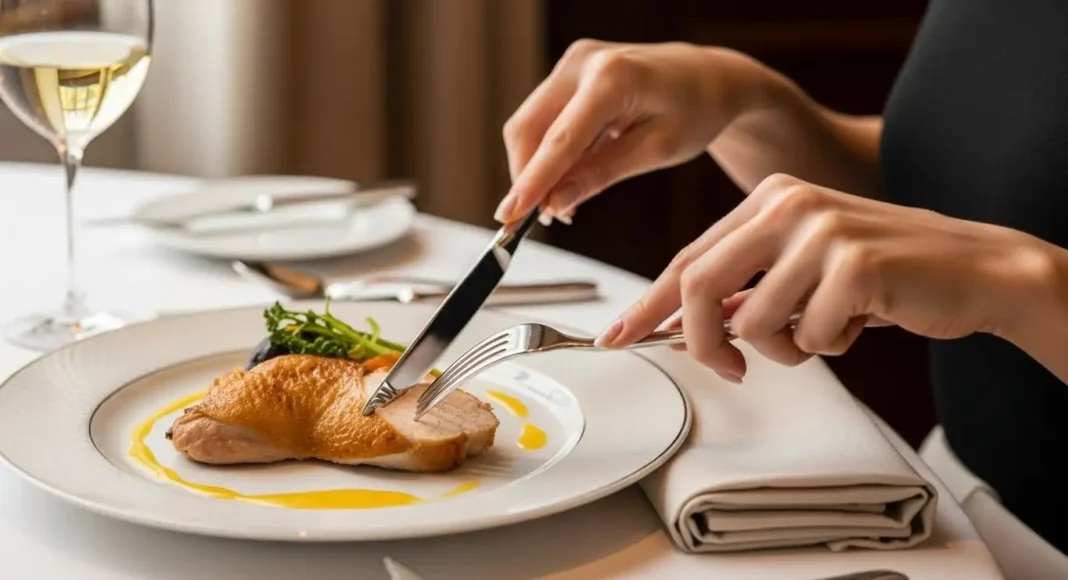
Proper Use of Utensils in Fine Dining Etiquette defines the standard of elegance, precision, and cultural refinement expected in formal dining environments.
We recognize that mastery of utensil etiquette is not merely about following rules; instead, it demonstrates confidence, respect, and social awareness at the table.
From the first course to the final dessert, correct utensil selection and handling consistently create a seamless dining experience that reflects sophistication and self-assurance.
In formal settings, every fork, knife, and spoon serves a deliberate purpose and follows precise placement. Therefore, we rely on these conventions to navigate multi-course meals with ease, maintain composure, and communicate silently with service staff.
Ultimately, understanding the proper use of utensils allows us to honor culinary traditions, enhance the presentation of each dish, and uphold the timeless standards of fine dining etiquette.
Table of Contents
The Philosophy Behind Fine Dining Etiquette
Fine dining etiquette is built on order and intention. Specifically, every utensil has a purpose, and every placement carries meaning.
As a result, we adhere to these principles to maintain harmony at the table and ensure meals progress smoothly without distraction.
Moreover, etiquette reflects mindfulness—respect for the chef’s craft, the host’s hospitality, and fellow diners’ comfort.
Understanding the Place Setting
Formal Table Arrangement Essentials
A formal place setting is meticulously arranged to guide diners intuitively:
- Plates are centered, serving as the anchor.
- Forks are placed to the left of the plate.
- Knives and spoons are placed to the right.
- Knife blades always face the plate.
- Dessert utensils rest horizontally above the plate.
- The bread plate sits above the forks, accompanied by a butter knife.
- Glassware appears above the knives, arranged by usage order.
Consequently, this arrangement signals the sequence of courses and prevents confusion throughout the meal.
The Outside-In Rule
Navigating Multiple Courses with Confidence
We follow the universally accepted outside-in rule; that is, we begin with the outermost utensils and progress inward with each course.
This approach ensures smooth transitions between appetizers, soups, entrées, and desserts. As a result, the rule eliminates hesitation and demonstrates refined dining awareness.
Proper Use of Forks
American vs. Continental Fork Techniques
We recognize two accepted fork styles:
- American Style: We hold the fork in the left hand while cutting, then transfer it to the right hand for eating.
- Continental Style: We keep the fork in the left hand throughout the meal, with the tines facing downward.
Although both methods are correct, consistency and elegance remain paramount.
Specialty Forks Explained
- Salad fork: Smaller and used for appetizers or salads.
- Fish fork: Wider and designed to separate delicate flesh.
- Dessert fork: Compact and used for sweets or fruit courses.
Each fork enhances texture control while preserving presentation.
Proper Use of Knives
Selecting the Correct Knife
Fine dining knives vary by course:
- Dinner knife: Used for main courses.
- Fish knife: Shaped to glide through fish without tearing.
- Butter knife: Small and blunt, reserved for bread service.
Importantly, we use knives solely to cut manageable portions and avoid transporting food to the mouth unless cultural norms allow it.
Knife Handling Etiquette
We hold knives gently rather than clenching them. Additionally, we cut one bite at a time to maintain elegance and composure. Excessive cutting or sawing motions are avoided to preserve refinement.
Mastery of Spoons
Soup and Dessert Spoon Protocol
We use soup spoons by scooping away from the body. Meanwhile, dessert spoons accompany custards, ice creams, and soft pastries.
Furthermore, we sip soup silently from the side of the spoon, avoiding slurping or excessive bowl tilting.
Bread and Butter Etiquette
Graceful Bread Consumption
Bread is never cut with a knife. Instead, we break bread into bite-sized pieces and butter one piece at a time. As a result, this method preserves table cleanliness and reflects classical etiquette standards.
Utensil Signals and Placement
Communicating Without Words
Utensil placement conveys status:
- Resting position: Fork and knife placed diagonally across the plate indicate a pause.
- Finished position: Utensils placed parallel at the center of the plate signal completion.
These silent cues assist service staff and maintain dining flow.
Handling Shared Utensils and Serving Tools
Respectful Shared Dining Practices
When serving utensils are presented, we use them exclusively rather than personal cutlery. Additionally, shared dishes are passed gracefully to the right, ensuring order and equal access.
Common Fine Dining Utensil Mistakes to Avoid
We maintain impeccable standards by avoiding:
- Using the wrong utensil out of sequence
- Gesturing with cutlery
- Clanking utensils against plates
- Holding utensils like tools rather than extensions of the hand
Attention to these details clearly distinguishes refined diners from the uninitiated.
Cultural Considerations in Utensil Etiquette
Global Dining Awareness
Although Western etiquette dominates formal dining, we remain mindful of cultural variations.
For example, some cuisines emphasize chopsticks, spoons, or hands. Therefore, adaptability in international settings reflects worldly sophistication and respect.
Children and Fine Dining Etiquette
Teaching Grace from an Early Age
Introducing children to proper utensil use builds lifelong etiquette skills. Simple guidance—such as holding utensils correctly, eating calmly, and observing others—gradually develops confidence in formal settings.
Fine Dining Etiquette in Professional Settings
Business Meals and Social Capital
In professional environments, proper utensil use conveys discipline, reliability, and attention to detail. Consequently, business meals often shape perceptions, making etiquette mastery a strategic advantage.
Maintaining Elegance Throughout the Meal
Fine dining etiquette extends beyond utensils. We sit upright, engage politely, and pace ourselves with the meal. Therefore, utensil mastery enhances overall table presence and creates a cohesive impression of refinement.
Proper Use of Utensils Conclusion
Proper use of utensils in fine dining etiquette remains a timeless skill rooted in respect and elegance. By understanding placement, sequence, and technique, we confidently navigate formal meals with poise.
Ultimately, mastery of these principles transforms dining into a seamless, elevated experience that honors tradition and enriches social interaction.