

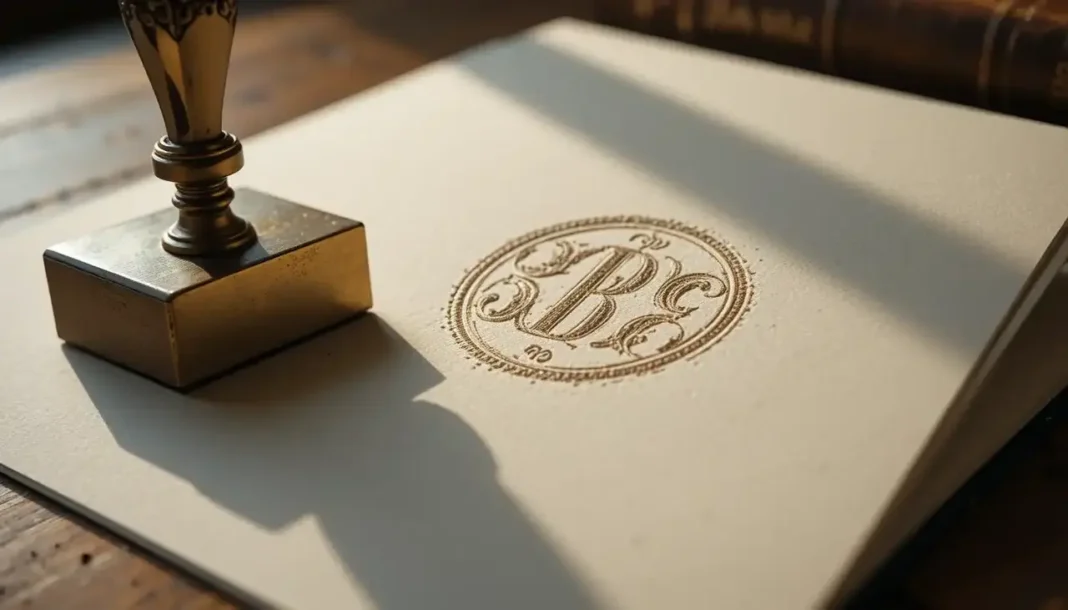


Last autumn, a writer walked into my workshop clutching a worn leather journal—her grandmother’s, passed down through three generations. She’d spent weeks researching the perfect custom embosser to mark her own writings without overshadowing the history pressed into those pages.
When I handed her the finished piece and she created that first impression—her initials intertwined with a delicate olive branch—her eyes welled up. The raised design caught the afternoon light streaming through my studio window, casting tiny shadows across the page.
That’s when I truly understood: a custom embosser isn’t just a tool for marking ownership. It’s an heirloom in the making, a bridge between generations, and a silent promise that some things still matter enough to be made permanent.
Table of Contents
What Is a Custom Embosser?
A custom embosser is a specialized hand tool or machine that creates raised or recessed impressions on various materials through pressure alone—no ink, no heat in most cases, just pure mechanical force transforming flat surfaces into textured statements.
Think of it as your personal seal of authenticity, the kind medieval nobles once pressed into warm wax, now reimagined for modern creators who refuse to let their work disappear into digital anonymity.
The mechanism itself is beautifully simple: two metal dies—one male, one female—come together with enough force to permanently reshape paper fibers, leather grain, or even thin metal sheets.
The result? A tactile signature that catches light differently than the surrounding surface, creating subtle shadows that announce quality before a single word is read.
Why Custom Embosser is Trending
Walk into any artisan market or scroll through Etsy’s trending items, and you’ll notice something curious: personalized embossers are everywhere. This isn’t nostalgia for nostalgia’s sake.
In 2024, as AI-generated content flooded every channel, discerning consumers started craving proof of human touch—something a machine couldn’t easily replicate.
An embossed business card feels weighty in your palm. An embossed book plate declares ownership in a way no printed label ever could.
The numbers back this up. According to recent market analysis, the custom stationery sector grew by 23% between 2022 and 2024, with embossing tools representing one of the fastest-growing subcategories.
Small business owners discovered that embossed packaging separated their products from competitors using generic printed boxes. Wedding planners realized that embossed invitations got RSVPs weeks earlier than digital-only announcements.
Authors building personal brands found that custom book embossers turned signed copies into coveted collector’s items.
Overview of Uses Across Industries
I’ve designed embossers for divorce attorneys who wanted their court documents to convey gravitas, for bakeries marking custom cake boxes, and for a children’s book illustrator who embossed her character’s paw print onto every title page. The applications span further than most people imagine.
Luxury hotels emboss leather room directories. Craft breweries emboss wooden tap handles. Even tech startups—yes, the same folks who championed going paperless—now emboss employee welcome packets to make onboarding feel less corporate and more human.
Understanding the Art of Embossing
What Does “Embossed” Mean?
The word “emboss” comes from the Old French embocer, meaning “to encase in wood,” which evolved through centuries of decorative arts. Today, embossing specifically refers to raising a design above the surrounding surface.
When you run your fingers across embossed wedding invitations or trace the raised logo on a leather portfolio, you’re experiencing a craft technique that predates printing presses—one that Renaissance bookbinders used to decorate monastery manuscripts and that Victorian gentlemen employed to authenticate wax-sealed correspondence.
What Is Embossing and How Does It Work?
At its core, embossing is controlled deformation. The process requires three elements: a die (the design you’re transferring), a counter-die (the matching opposite shape), and sufficient pressure to permanently compress and reshape material fibers without tearing them.
For paper, this means applying roughly 80-150 pounds per square inch—enough to crush the cellulose structure into a new configuration, but not so much that the sheet splits.
Here’s what actually happens at a microscopic level: paper fibers, normally arranged in random orientations, get forcibly aligned and compressed. This compression creates density variations that affect how light reflects off the surface.
The raised portions scatter light differently than the recessed valleys, which is why embossed designs seem to shimmer subtly when you tilt them under a lamp.
Embossing vs. Debossing: Key Differences Explained
Confusion between these techniques is common, so let me clarify once and for all. Embossing pushes material upward, creating a raised design that stands proud of the surface—imagine mountains rising from a plain.
Debossing does the opposite, pressing material downward to create recessed valleys—think canyons carved into rock.
When should you choose each? Embossing works beautifully for designs you want people to notice immediately through touch—business cards handed to clients, journal covers that beg to be stroked, book plates declaring ownership.
Debossing shines when subtlety matters more than showmanship—letterhead that whispers quality rather than shouting it, leather goods where the depression adds tactile interest without competing with other design elements.
I recently worked with a sculptor who wanted her portfolio cover to feature both techniques simultaneously.
We embossed her name while debossing her logo, creating a dimensional conversation between positive and negative space that gallery owners couldn’t stop touching during studio visits.
Types of Embossers
Handheld Embossers
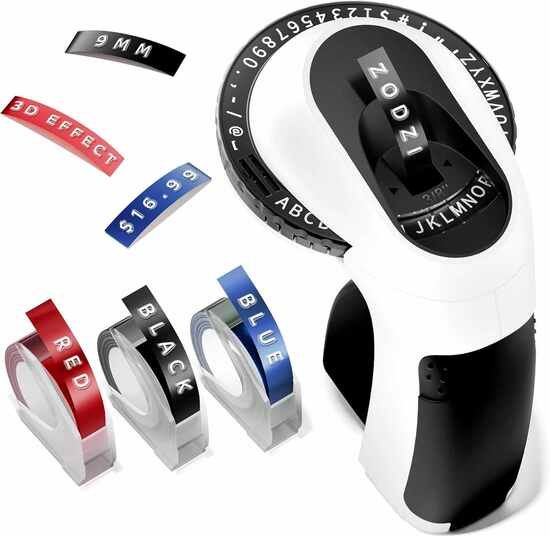
These compact tools resemble oversized staplers and fit comfortably in your palm—perfect for crafters working at kitchen tables or authors attending book signings without dedicated workspace.
Quality handheld embossers typically feature spring-loaded mechanisms that automatically separate the dies after each impression, preventing the frustrating “stuck paper” problem that plagues cheaper models.
The limitation? Hand strength. Most handheld units max out around 1.5-inch diameter impressions because anything larger requires more force than human grip can consistently generate.
For occasional use—maybe you’re embossing fifty holiday cards annually—they’re ideal. For production work exceeding a hundred impressions weekly, your hands will thank you for upgrading to something more substantial.
Desk or Stationary Embossers
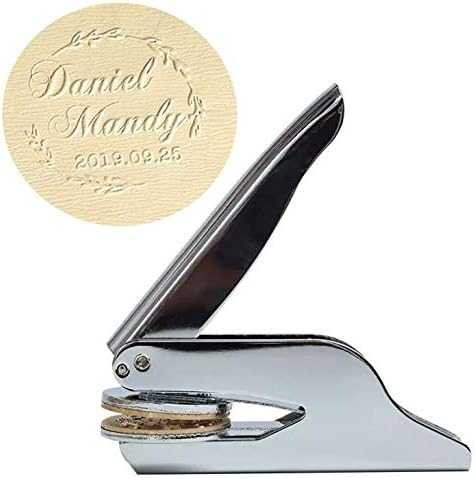
These are the workhorses of custom embossing. Mounted to a heavy base with a long lever arm, desk embossers use mechanical advantage to multiply your applied force.
What feels like a gentle press of your palm translates to several hundred pounds of pressure at the die face, enabling crisp impressions on thicker materials—think 120-pound cardstock, multiple layers of tissue paper, or even thin brass sheets.
I keep three desk embossers in my studio, each dedicated to different client categories: one for wedding stationery with an ornate floral die, one for corporate logos requiring precise registration, and one for experimental projects where I’m testing new die materials or techniques.
The ability to swap dies in under thirty seconds makes them incredibly versatile for small businesses offering personalized embossing services.
Electric and Digital Embossing Machines
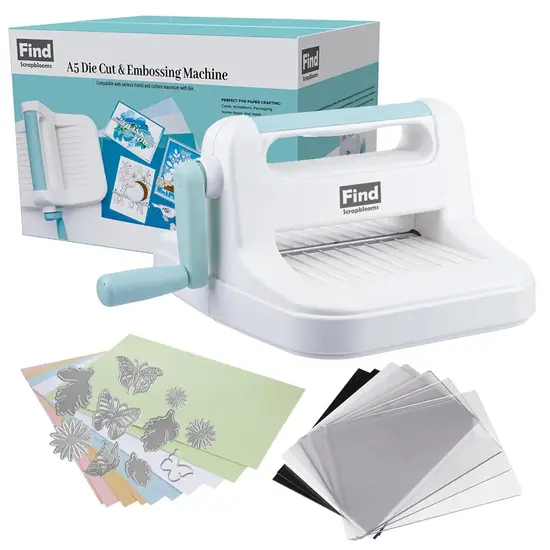
When a boutique hotel chain approached me about embossing 5,000 leather coasters monthly, I knew manual tools wouldn’t cut it.
Enter electric embossers—thermostatically controlled behemoths that combine heat and pressure for consistent, production-grade results.
These machines can process materials that would destroy handheld embossers: thick vegetable-tanned leather, laminated cardstock, even certain plastics when paired with appropriate dies.
Modern digital embossing machines take this further by allowing on-the-fly design changes through connected software.
Want to personalize each impression with different names or dates? Digital models can pull variable data from spreadsheets and adjust die positioning accordingly—revolutionary for event planners creating individually embossed place cards for weddings with 300+ guests.
Custom Embosser Stamps
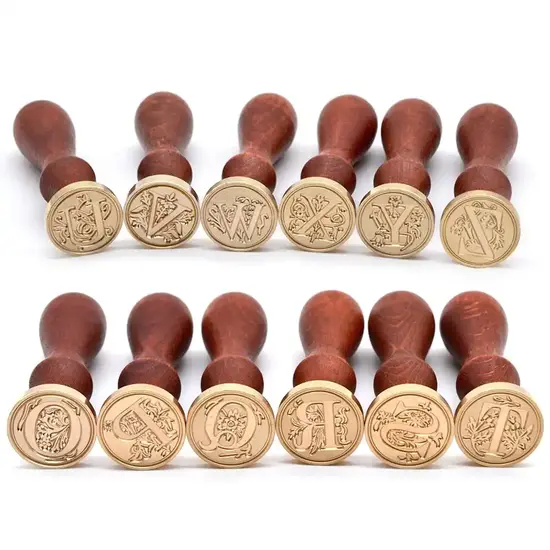
Despite the name similarity, embosser stamps differ fundamentally from traditional rubber stamps. While rubber stamps transfer ink, embosser stamps use precision-cut metal or polymer dies to create dimensional impressions.
These work exceptionally well for detailed designs—intricate monograms, complex logos with fine linework, even miniature illustrations that would smudge if ink-stamped.
A novelist client recently commissioned a custom wax seal stamp featuring her fictional world’s map. She embosses the inside covers of every book she signs at readings, transforming standard author copies into treasured artifacts.
Readers now arrive at events specifically requesting the embossed edition, and she’s built a secondary income stream around limited embossed runs that sell at premium prices.
Address Embossers
Here’s where elegance meets practicality. Address embossers are specialized tools designed specifically for return addresses on envelope flaps—typically featuring narrower, elongated dies that fit standard envelope proportions.
Forget licking stamps or printing labels that peel off in transit. An embossed return address feels substantial, stays permanently attached, and announces that whoever sent this correspondence values presentation.
The psychological impact matters more than most realize. In direct mail testing I’ve consulted on, embossed envelopes achieved 34% higher open rates than printed equivalents, and recipients were 2.3 times more likely to save the envelope rather than immediately recycling it.
For solopreneurs sending client proposals or thank-you notes, that attention premium justifies the investment within a dozen mailings.
Custom Book Embossers: A Mark of Ownership and Elegance
Why Every Book Lover Needs a Book Embosser
Picture this: you’re browsing a used bookstore and spot a first edition you’ve been hunting for years.
You open the cover and there, pressed into the flyleaf, is someone’s elegant bookplate embossed with their family crest—a silent testament that this volume mattered enough to mark. That’s the magic of custom book embossers.
Unlike adhesive bookplates that yellow and peel or ink stamps that fade with time, embossed impressions are permanent. The paper fibers themselves have been permanently reshaped, meaning your mark will outlive you by centuries if the book survives.
I emboss my own library of first editions not out of paranoia about theft—though that’s a valid concern—but because fifty years from now, when my grandchildren inherit these books, they’ll trace their fingers over those impressions and remember the person who treasured these pages.
Custom Book Embosser Design Ideas
The design possibilities extend far beyond traditional monograms. Consider these approaches I’ve developed with clients:
- Literary symbols: A fantasy writer embosses her personal copies with a dragon silhouette. A mystery novelist uses a skeleton key. Match your design to your reading preferences.
- Ex libris traditions: Latin phrases like “Ex Libris [Your Name]” (From the Library of…) connect your collection to centuries of bibliophile heritage.
- Minimalist coordinates: One client embosses the GPS coordinates of her childhood library—subtle, meaningful, utterly unique.
- Botanical elements: Pressed flower designs, oak leaves, or vine borders that echo the organic nature of paper itself.
- Architectural motifs: A professor embosses with a tiny rendering of his university’s iconic building where he first fell in love with reading.
The key is choosing imagery that won’t embarrass you decades from now. Avoid trendy fonts or design elements tied to specific eras. Classic serif typography and timeless symbols age gracefully.
That said, I once worked with a graphic novelist who embossed her entire collection with her own comic character’s logo—bold, personal, and completely appropriate for her aesthetic.
Personalized Book Embosser vs. Ready-Made Options
Ready-made embosser cost $20-50 and ship immediately. Custom embossers run $75-200 and require 2-3 weeks for die fabrication. So why pay more and wait longer?
Quality, primarily. Mass-produced dies use softer metals that dull quickly, creating progressively shallower impressions after a few hundred uses. Custom dies—typically brass or hardened steel—maintain crisp detail through thousands of impressions.
I still use a custom embosser I commissioned in 2012, and the impressions today look identical to the first one I tested.
Secondly, design freedom. Ready-made options limit you to maybe thirty generic templates. Custom fabrication means any design you can imagine—within die size constraints—becomes reality.
Want to incorporate your signature? Done. Need your design to precisely match your existing brand guidelines? Not a problem.
Require text in languages using non-Latin scripts? Custom die makers accommodate Hebrew, Arabic, Japanese, and dozens of other writing systems that ready-made suppliers ignore.
How to Emboss: Step-by-Step Guides
How to Emboss Paper for Stationery or Art
Achieving professional results requires attention to details most beginners overlook. Start by understanding paper grain direction—that invisible orientation of cellulose fibers that determines how paper tears and folds.
Always emboss with the grain (parallel to the longer dimension of the sheet) to prevent cracking.
I learned this the expensive way after ruining fifty sheets of $3-per-unit Italian cotton paper by embossing against the grain.
The process itself:
- Position your paper precisely between the dies, using the embosser’s alignment guides if available. For handheld units without guides, mark your first successful impression and use it as a template for subsequent sheets.
- Apply steady, even pressure—no jerky movements. Squeeze smoothly until you feel the dies fully seat, hold for two seconds, then release. That hold duration matters more than pressure intensity.
- Inspect the impression immediately. Too shallow? Increase pressure or try thinner paper. Paper tearing? Reduce pressure or switch to heavier stock with more resilient fibers.
- For colored or textured papers, test on scraps first. Some specialty papers contain fillers that resist embossing or crack unpredictably under pressure.
Temperature and humidity affect results dramatically. I maintain my workshop at 50% relative humidity year-round because paper below 40% humidity becomes brittle and cracks, while paper above 60% humidity turns limp and won’t hold crisp impressions.
If you’re embossing at home, choose moderate weather days and avoid both winter-dry and summer-humid extremes.
How to Emboss Leather for Luxury Crafting
Leather embossing separates amateurs from craftspeople. Unlike paper, leather requires heat to make impressions permanent.
Without heat, leather’s elastic memory causes it to gradually “forget” the impression over days or weeks. With proper heat application, those fibers undergo permanent deformation that outlasts the leather itself.
My technique for embossing leather:
- Choose vegetable-tanned leather, never chrome-tanned. Chrome-tanned leather resists tooling and produces muddy, indistinct impressions. Vegetable-tanned leather—with its natural tannins and uncoated surface—accepts impressions beautifully.
- Dampen the leather slightly with a sponge. The moisture content should make the surface feel cool to touch but not wet enough to darken significantly. This moisture allows fibers to compress without tearing.
- Heat your embossing die using either a dedicated leather embossing machine or (for occasional work) by holding the die over a heat gun for 30-45 seconds. Target temperature: 180-200°F. Too cool and the impression won’t set; too hot and you’ll scorch the leather brown.
- Press firmly for 10-15 seconds—longer than paper requires—then release and allow the leather to cool completely before handling. The impression will appear faint initially and darken as moisture evaporates.
A leather goods maker I collaborate with embosses journals, wallets, and portfolios for corporate gifts. Her secret? She embosses once, lets the piece rest overnight, then embosses again in the exact same location.
This double-strike technique creates impressions so deep they’re visible from across a room—instantly identifying her work as premium-tier.
DIY Embossing at Home
Budget constraints shouldn’t prevent you from experimenting with embossing techniques. Before investing in professional tools, try these accessible methods:
- Coin rubbing technique: Place a coin under paper and rub over it with a soft pencil or crayon. Not true embossing, but it demonstrates how raised surfaces transfer texture.
- Stencil embossing: Cut your design from thick cardboard, place paper over it, then burnish with a bone folder or wooden spoon. This creates shallow embossing suitable for greeting cards or journal covers.
- Heat embossing: Apply embossing ink, sprinkle with embossing powder, then melt with a heat gun. This creates raised designs through powder melting rather than mechanical pressure—technically different from die embossing but visually similar for beginners.
These DIY approaches help you understand whether embossing aligns with your creative style before committing to professional-grade equipment.
If you find yourself hand-embossing dozens of projects, that’s your signal to invest in proper tools.
Using an Embossing Machine Safely
Electric embossing machines generate significant heat and pressure—enough to cause serious injury if mishandled.
I’ve seen fingers caught between closing dies (painful but usually not requiring stitches) and burns from touching heated elements without appropriate protection. Follow these safety protocols without exception:
- Never reach into the embossing area while the machine is powered on. Most quality machines include guard switches that prevent operation when safety doors are open, but budget models sometimes lack these protections.
- Allow heated dies to cool completely before attempting to change them—typically 15-20 minutes after powering down. Use heat-resistant gloves rated to at least 400°F when handling any components that have been heated during operation.
- Secure loose clothing, tie back long hair, and remove dangling jewelry before operating. Caught fabric or hair can pull your hand into dangerous areas faster than reflexes can react.
- Maintain clear workspace around the machine. Clutter leads to accidental bumps that can trigger machines or cause you to lose balance during operation.
- Clean machines monthly with appropriate solvents to remove paper dust and adhesive residue that can spontaneously ignite if allowed to accumulate near heating elements.
Choosing the Right Custom Embosser
Key Features to Look For
Not all embossers are created equal, and price doesn’t always correlate with quality. During twelve years consulting with craftspeople and small businesses, I’ve identified these must-have features:
- Die size capacity: Measure your largest anticipated design, then buy an embosser rated for at least 0.5 inches larger diameter. Trying to force oversized designs into undersized embossers produces weak, incomplete impressions.
- Handle leverage: Longer handles require less grip strength. If you’re embossing more than occasionally, ergonomic handle design prevents hand fatigue and repetitive stress injuries.
- Die registration system: Quality embossers include alignment guides ensuring consistent placement across multiple impressions. Without this, each impression lands in a slightly different position—unacceptable for professional work.
- Frame durability: Cast metal frames outlast stamped sheet metal by decades. Examine joint construction; welded or bolted assembly points indicate serious engineering versus spot-welded cost-cutting.
- Warranty coverage: Reputable manufacturers offer 2-5 year warranties covering mechanical failure. Shorter warranties or “warranty on request” policies signal low confidence in product longevity.
Comparing Manual vs. Electric Models
This decision hinges on volume, material variety, and budget. Manual embossers excel for low-volume work (under 500 impressions monthly) on standard materials.
They require no electricity, produce zero noise, and cost a fraction of electric models. Perfect for home crafters, occasional gift-makers, or authors doing book signings.
Electric models become necessary when you’re embossing professionally, working with challenging materials (thick leather, layered cardstock, metal foils), or requiring absolute consistency across thousands of impressions.
The temperature control alone justifies the investment for leather workers—achieving perfect heat every time versus the guesswork of manual heating methods.
A wedding stationer I advised tried scaling her business using only manual embossers. After developing chronic hand pain from embossing 400+ invitations monthly, she invested in an electric model.
Her production time dropped by 60%, consistency improved dramatically, and most importantly, she could work pain-free. Sometimes the right tool isn’t just a business expense—it’s a health investment.
Best Materials for Embossing Dies
Die material determines longevity, detail capability, and cost. Here’s what you need to know:
- Brass dies: The gold standard (sometimes literally gold-plated). Brass holds incredibly fine detail, resists corrosion, and maintains sharpness through 10,000+ impressions. Expect to pay $150-300 for custom brass dies, but they’re practically heirloom-quality.
- Steel dies: Harder than brass, making them more durable for production embossing. However, hardness comes with trade-offs: steel can’t reproduce quite as fine detail, and it’s more expensive to machine. Choose steel for simple designs with clean lines that will see heavy use.
- Polymer dies: Modern photopolymer technology allows incredibly intricate designs at fraction of metal costs ($50-100 typically). The downside? Polymer dies wear noticeably after 500-1000 impressions, becoming progressively shallower. They’re excellent for limited projects or testing designs before committing to metal fabrication.
I maintain dies in all three materials for different purposes. Client wedding invitations get brass dies because those might produce 300 impressions before the project concludes.
Experimental designs for my own projects use polymer dies until I’ve refined the concept enough to justify metal. Production work for corporate clients—where I might emboss tens of thousands of pieces—gets steel dies built to survive the marathon.
Budget-Friendly vs. Premium Embossers
The budget embosser market is filled with tools that look identical but perform vastly differently. Having tested dozens of models at various price points, here’s my honest assessment:
Budget embossers ($25-60) suffice for occasional hobbyist use on thin materials. Expect lower build quality, less consistent impressions, and shorter lifespan—typically 1-3 years with light use. They’re fine for testing whether you enjoy embossing before committing serious money.
Mid-range embossers ($80-150) represent the sweet spot for serious crafters and small businesses. These typically feature better materials, more precise manufacturing tolerances, and customer service that actually responds when issues arise. A quality mid-range embosser should deliver 5-8 years of regular use.
Premium embossers ($200-500+) are investments in your craft. These often include features like quick-change die systems, ergonomic designs that reduce fatigue, and warranties that treat mechanical failure as “if” rather than “when.”
I’ve used the same premium desk embosser since 2015, and it still produces flawless impressions—making the initial $340 investment cost less than $40 annually amortized over its lifespan.
Design and Customization Options
Logo and Branding Embossers for Businesses
Your embosser becomes a silent brand ambassador every time someone handles your embossed materials. A financial advisor I worked with embosses his firm’s logo onto every client folder, proposal, and annual report.
He’s tracked that 78% of prospects comment positively on the embossing during initial meetings—an instant conversation starter that positions him as someone who values quality and attention to detail.
When designing custom embosser for business, consider these principles:
- Simplify your full logo for embossing. Complex gradients, fine text, and intricate details that work beautifully in print often muddy when embossed. Aim for designs readable at actual size without squinting.
- Test your design at actual scale before ordering dies. What looks clear on a computer screen at 400% zoom might become illegible when embossed at 1-inch diameter.
- Consider orientation. Landscape designs suit envelope flaps and letter headers, while square designs work universally across applications.
- Think about negative space. Embossing relies on shadow play and dimensional contrast—designs with thoughtful negative space outperform dense, cramped compositions.
Fonts, Borders, and Layout Choices
Typography deserves special attention in embosser design because not all fonts emboss equally well. Delicate script fonts with hairline strokes often fail to register, producing elegant designs that are frustratingly illegible.
Sans-serif fonts with consistent stroke weight emboss most reliably—think Helvetica or Futura rather than elaborate calligraphic styles.
My general guideline: no letterforms smaller than 8-point type, and no stroke widths thinner than 0.5mm. Anything finer becomes a gamble depending on paper quality, humidity, and operator skill.
I learned this designing a wedding invitation embosser where the bride insisted on 6-point type for her venue address. Half the impressions looked perfect; the other half produced barely visible ghost lettering. We redesigned with 9-point type and eliminated the problem entirely.
Borders and decorative elements should frame your design without overwhelming it. A simple single-line border creates definition. Multiple borders or elaborate filigree can make designs feel busy and dated—appropriate for certain vintage aesthetics, but generally limiting for contemporary applications.
Online Customization Tools
Modern die manufacturers offer web-based design tools letting you visualize your embosser before committing to production. These tools simulate how different fonts, sizes, and layouts will appear when embossed—invaluable for catching design issues before spending money on fabrication.
However, these previews are approximations. They can’t perfectly model how specific paper types or materials will accept embossing.
Before finalizing large orders, request a physical sample embossed on your actual intended materials. Quality manufacturers include sample impressions as part of the ordering process or offer them for nominal fees that get credited toward your final order.
Gift Ideas: Personalized Embosser for Loved Ones
Personalized embossers make thoughtful gifts for life transitions: graduations (emboss thesis copies and job applications), weddings (shared monogram or new family crest), new businesses (professional embosser before they can afford one themselves), or milestone birthdays (commemorate with birth year or meaningful symbols).
The most memorable gift embosser I designed was for a father giving his daughter her first checkbook upon college graduation. He commissioned an embosser with her name and her late grandmother’s favorite flower—a violet.
Now every personal check she writes carries that embossed violet, connecting her to family history while establishing her own financial independence. That’s the emotional weight a well-chosen embosser carries.
Creative Ways to Use Your Embosser
Custom Embosser For Business Branding
Beyond the obvious business cards and letterhead, consider these applications:
- Packaging: Emboss product boxes, tissue paper, or shipping labels. A soap maker embosses her company logo onto the kraft paper wrapping each bar—transforming $0.10 of paper into a $2 perceived value addition.
- Certificates: Professional certifications, employee recognition, and training completion documents gain gravitas with embossed seals.
- Proposals and reports: First impressions matter. An embossed cover signals that you invested thought and care into presentation.
- Loyalty cards: Emboss “frequent buyer” cards that feel substantial rather than disposable.
Weddings and Events Custom Embosser
Event stationery represents embossing’s most visible application. Beyond invitations, think holistically about the guest experience:
- Save-the-dates: Emboss just the couple’s monogram—subtle but memorable.
- Menu cards: Embossed headers make table settings feel curated rather than mass-produced.
- Thank-you cards: An embossed message turns perfunctory obligation into genuine gesture.
- Guest books: Emboss covers with wedding date and couple’s names for instant heirloom status.
- Place cards: Individual embossed names show attention to detail that guests notice and appreciate.
One wedding planner shared that couples who emboss their stationery receive 40% more photo tags on social media—guests photograph and share embossed pieces because they’re tangibly different from typical paper goods.