

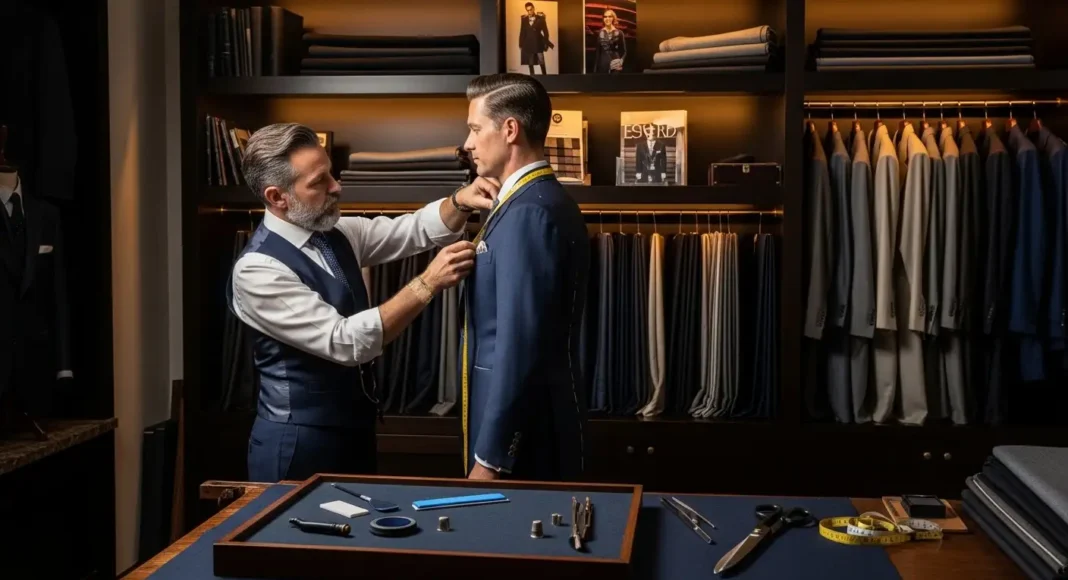
A bespoke suit represents the pinnacle of men’s tailoring—an investment in craftsmanship, precision, and timeless elegance.
Whether choosing entry-level made-to-measure tailoring or commissioning a full bespoke suit from a world-class tailor, understanding the cost structure helps you make a confident and informed decision.
We break down exactly what you pay at every level of tailoring, what influences the price, and why bespoke suits command their premium status.
Table of Contents
Understanding the Difference Between Made-to-Measure and Bespoke
Before exploring pricing, it is essential to distinguish between made-to-measure (MTM) and true bespoke tailoring.
Made-to-measure begins with a standard pattern that is modified to your measurements. While adjustments provide a better fit than off-the-rack garments, the garment still originates from a pre-existing template.
Bespoke tailoring, on the other hand, involves creating a completely unique pattern drafted from scratch for your body. Every detail—from shoulder pitch to sleeve rotation—is tailored precisely to your posture and proportions.
Key differences include pattern creation, fittings, craftsmanship, and customization. Bespoke suits use an individual paper pattern and involve multiple fittings during construction.
The garment typically features extensive hand stitching and structural canvas construction. Every element from fabric selection to pocket placement can be customized.
These distinctions significantly influence the cost of a bespoke suit.
Entry-Level Tailoring Costs: Made-to-Measure Suits
Typical Price Range: $400 – $1,200
Entry-level made-to-measure suits offer the most accessible entry point into personalized tailoring. These tailor made suits deliver noticeable improvements in fit compared with mass-produced garments.
What You Actually Pay For
At this level, pricing reflects several key elements.
Fabric selection typically includes mid-range wool blends or standard worsted wool fabrics from commercial mills. Basic customization options allow clients to select lapel width, button stance, trouser break, and lining color.
The tailoring process generally includes one measurement session and minor adjustments before delivery. Construction mainly uses machine stitching, though some finishing elements may be done by hand.
Who This Level Is Best For
Entry-level MTM suits are ideal for individuals seeking a better fit than off-the-rack clothing, affordable customization, and professional business attire without luxury-level investment.
While made-to-measure significantly improves fit, it does not achieve the precision engineering of a true bespoke suit.
Mid-Range Tailoring: Premium Made-to-Measure and Entry Bespoke
Typical Price Range: $1,200 – $3,500
The mid-range category introduces higher-quality fabrics, greater craftsmanship, and more extensive customization.
What Drives the Price Up
Luxury fabric mills are commonly introduced at this price point. Suits frequently use fabrics such as super 110s to super 150s wool, wool-silk blends, or seasonal flannels.
Construction techniques also improve. Many suits feature full or half-canvas construction, allowing the jacket to mold naturally to the wearer’s body over time.
Additional fittings are typically included. Tailors may conduct two or three fittings to refine the silhouette and ensure the garment drapes correctly.
Hand-finished details become more common as well. Expect hand-stitched lapels, functional sleeve buttonholes, and carefully shaped collars.
Why This Level Is Popular
This pricing tier delivers an excellent balance between cost and craftsmanship. Many professionals and style enthusiasts prefer this level because it offers substantial personalization while remaining more affordable than ultra-luxury bespoke tailoring.
Full Bespoke Tailoring: The True Custom Experience
Typical Price Range: $3,500 – $8,000+
A true bespoke suit is not simply clothing. It is a carefully engineered garment built specifically for your body, posture, and aesthetic preferences.
What You Pay For in True Bespoke
Custom paper pattern drafting is the defining feature. The tailor creates a completely unique pattern using dozens of precise body measurements.
Multiple fittings occur during construction. Clients usually attend three to five fittings including the baste fitting, forward fitting, and final adjustments. Each stage refines the structure and ensures perfect balance.
Extensive hand craftsmanship defines the garment. Bespoke suits include thousands of hand stitches that shape the garment organically rather than forcing it into rigid machine seams.
A full floating canvas structure allows the jacket to adapt naturally to the wearer’s movements. This construction method also improves durability and drape over time.
Unlimited customization allows clients to select every element including lapel style, button stance, pocket design, trouser rise, lining fabric, and hand-embroidered interior details.
The result is a suit that moves naturally with the wearer and improves with age.
Savile Row Bespoke: The Apex of Tailoring
Typical Price Range: $5,000 – $15,000+
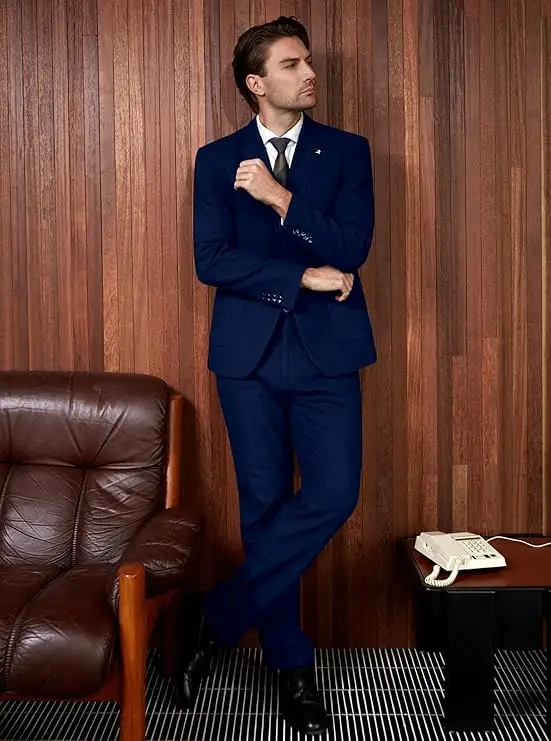
When discussing bespoke suit costs, the legendary tailoring houses of London represent the highest level of craftsmanship.
Savile Row tailoring commands premium prices due to historic tailoring traditions, elite fabric selections, and extraordinary levels of manual craftsmanship.
Many tailoring houses on Savile Row have centuries of heritage and generational expertise. Clients can select from some of the world’s most luxurious cloths including rare cashmere blends, vicuña wool, and ultra-fine merino.
A genuine Savile Row suit may require sixty to eighty hours of manual work by highly skilled tailors. The garment is sculpted to complement the client’s posture and body proportions with exceptional precision.
The result is not merely a suit but a long-term investment in timeless style.
Key Factors That Influence Bespoke Suit Pricing
Fabric Quality
Fabric can account for a large portion of the final price. Luxury materials include super 150s to super 180s wool, cashmere blends, silk-wool combinations, and rare heritage textiles. Higher-grade fabrics provide better drape, softness, and durability.
Tailoring Time and Labor
Bespoke suits involve hundreds of precise tailoring steps including pattern drafting, hand canvassing, collar shaping, and sleeve insertion. The number of labor hours directly affects the final price.
Number of Fittings
More fittings result in greater precision and comfort. Made-to-measure suits typically involve one fitting, semi-bespoke garments may involve two or three fittings, while full bespoke suits generally require three to five fittings.
Construction Method
Suit construction significantly affects price and performance.
Fused construction is the least expensive option and uses adhesive to bond the fabric layers. Half canvas construction improves durability and shape retention. Full canvas construction is considered the gold standard because it allows the garment to mold naturally to the wearer over time.
Customization and Details
Luxury bespoke suits often include intricate details such as hand-rolled lapels, pick stitching, functional surgeon cuffs, monogrammed interior pockets, and hand-attached horn buttons. Each detail requires additional craftsmanship and increases the final cost.
How Long a Bespoke Suit Takes to Make
A true bespoke suit requires patience and precision.
Made-to-measure suits typically take two to five weeks. Entry bespoke suits often require six to ten weeks. Savile Row bespoke tailoring may take ten to sixteen weeks due to the number of fittings and the level of craftsmanship involved.
The timeline reflects careful construction, repeated fittings, and meticulous hand finishing.
Why Bespoke Suits Are Worth the Investment
A bespoke suit offers advantages that extend beyond visual appeal.
Perfect fit is the most noticeable benefit. The suit is engineered specifically for your body proportions, posture, and movement patterns.
Superior comfort follows naturally because hand-crafted garments adapt to the wearer rather than restricting movement.
Longevity is another major advantage. With proper care, a well-made bespoke suit can last ten to twenty years or more.
Timeless style ensures the garment remains elegant regardless of changing fashion trends.
How to Choose the Right Bespoke Level
Selecting the right level depends on your budget, wardrobe needs, and style priorities.
Made-to-measure is suitable for individuals seeking affordable customization and faster turnaround times.
Mid-range bespoke or premium made-to-measure works well for those wanting higher-quality fabrics and better craftsmanship.
Savile Row bespoke is ideal for individuals seeking the ultimate tailoring experience and a suit that becomes a signature garment in their wardrobe.
Final Thoughts on Bespoke Suit Costs
Understanding bespoke suit pricing reveals the extraordinary craftsmanship behind these garments. From entry-level made-to-measure options to elite bespoke tailoring, each tier represents a different balance of fit precision, fabric quality, and artisanal skill.
A bespoke suit is more than clothing. It represents personal style, confidence, and enduring quality. When tailored properly, it becomes a defining piece in a wardrobe and a long-term investment in elegance and craftsmanship.