

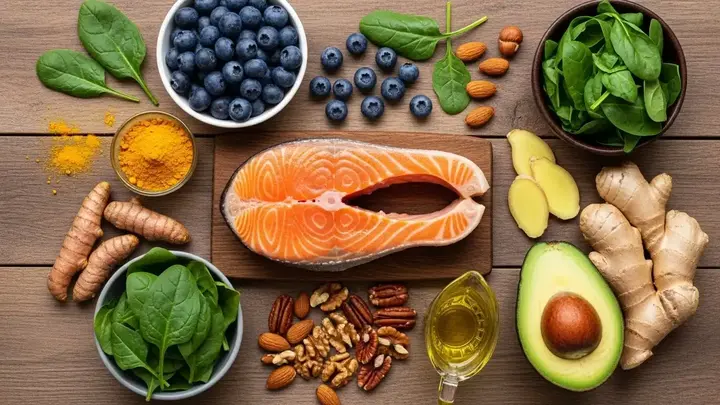
Anti inflammatory foods play a vital role in supporting overall wellness by helping the body maintain balance at a cellular level. We focus on foods that naturally contain bioactive compounds known to calm inflammatory responses and support long-term health.
By choosing the right ingredients consistently, we create a dietary pattern that promotes vitality, resilience, and sustainable energy without unnecessary strain on the body.
Inflammation is a natural biological process, yet when it becomes persistent, it can interfere with optimal functioning. Anti inflammatory foods are rich in antioxidants, phytonutrients, healthy fats, and fiber, all of which work synergistically to support the body’s internal systems.
Our approach emphasizes whole, minimally processed foods that deliver measurable nutritional value.
Table of Contents
Leafy Green Vegetables as Foundational Anti Inflammatory Foods
Leafy greens are among the most powerful anti inflammatory foods available. We prioritize vegetables such as spinach, kale, Swiss chard, arugula, and collard greens because they provide high concentrations of vitamins A, C, E, and K, along with polyphenols that support cellular protection.
These vegetables contain chlorophyll and carotenoids that help neutralize oxidative stress. Regular consumption supports metabolic balance and contributes to overall dietary density.
We recommend incorporating leafy greens daily through salads, lightly sautéed dishes, and blended preparations to preserve their nutritional integrity.
Berries Rich in Antioxidants and Polyphenols
Berries stand out as highly effective anti inflammatory foods due to their dense antioxidant profile. Blueberries, strawberries, raspberries, blackberries, and cranberries contain anthocyanins, compounds linked to reduced inflammatory markers.
We emphasize fresh or frozen berries without added sugars to maintain their natural benefits. Including berries in breakfast bowls, snacks, and nutrient-rich desserts ensures consistent intake of anti inflammatory compounds while adding natural sweetness and fiber to the diet.
Healthy Fats That Support Anti Inflammatory Pathways
Not all fats are equal. Anti inflammatory foods include specific sources of healthy fats that support cellular membranes and hormone balance. We focus on extra virgin olive oil, avocados, nuts, and seeds as primary fat sources.
Extra virgin olive oil contains oleocanthal, a compound associated with inflammation-modulating properties. Avocados provide monounsaturated fats and potassium, while walnuts, almonds, chia seeds, and flaxseeds deliver omega-3 fatty acids. These fats are essential for maintaining structural and functional balance throughout the body.
Fatty Fish as a Cornerstone of Anti Inflammatory Nutrition
Fatty fish are widely recognized as powerful anti inflammatory foods. Salmon, sardines, mackerel, anchovies, and herring provide EPA and DHA omega-3 fatty acids, which are integral to inflammatory response regulation.
We recommend consuming fatty fish two to three times per week, prepared through gentle cooking methods such as baking, steaming, or grilling. This approach preserves nutrient density while enhancing flavor and digestibility.
Whole Grains That Promote Sustained Anti Inflammatory Benefits
Whole grains contribute to an anti inflammatory dietary pattern when chosen carefully. Oats, quinoa, brown rice, barley, and farro provide fiber, magnesium, and plant-based antioxidants.
Fiber supports gut health, which plays a central role in inflammation management. We emphasize intact whole grains over refined grains to ensure steady energy release and improved metabolic support. Proper preparation, such as soaking or rinsing, further enhances nutrient absorption.
Legumes and Plant Proteins with Anti Inflammatory Properties
Legumes are valuable anti inflammatory foods that deliver protein without excessive saturated fat. Lentils, chickpeas, black beans, kidney beans, and peas provide fiber, folate, iron, and polyphenols.
These plant-based proteins support balanced blood sugar levels and promote satiety. We incorporate legumes into soups, stews, salads, and spreads to create diverse, satisfying meals that align with anti inflammatory principles.
Herbs and Spices That Enhance Anti Inflammatory Effects
Herbs and spices are concentrated sources of anti inflammatory compounds. Turmeric, ginger, garlic, cinnamon, cloves, rosemary, and oregano deliver potent bioactive substances with minimal caloric impact.
Curcumin in turmeric and gingerols in ginger are especially valued for their functional properties. We integrate these ingredients into daily cooking to enhance flavor while reinforcing the anti inflammatory profile of meals.
Fruits That Provide Natural Anti Inflammatory Support
Beyond berries, several fruits contribute meaningfully to anti inflammatory nutrition. Oranges, grapefruit, pineapple, apples, cherries, and pomegranates contain flavonoids, vitamin C, and enzymes that support internal balance.
We prioritize whole fruits over juices to retain fiber content. Seasonal variety ensures a broad spectrum of phytonutrients and sustained nutritional adequacy throughout the year.
Fermented Foods and Their Role in Inflammation Balance
Fermented foods support gut microbiota, which directly influences inflammatory processes. Yogurt, kefir, sauerkraut, kimchi, miso, and tempeh introduce beneficial bacteria that enhance digestive resilience.
We select minimally processed fermented foods with live cultures and limited additives. Regular inclusion strengthens gut integrity and complements other anti inflammatory foods in a comprehensive dietary approach.
Beverages That Complement an Anti Inflammatory Diet
Hydration choices also matter. Green tea, herbal teas, and water infused with citrus or herbs support anti inflammatory goals. Green tea contains catechins that contribute antioxidant activity, while herbal teas provide calming plant compounds.
We avoid excessive added sugars and artificial additives, opting instead for simple, naturally flavored beverages that align with long-term wellness objectives.
Building a Sustainable Anti Inflammatory Eating Pattern
Consistency is central to maximizing the benefits of anti inflammatory foods. We emphasize balanced meals that combine vegetables, healthy fats, quality proteins, and whole carbohydrates. This structure supports nutritional harmony without restriction or complexity.
Meal planning, seasonal sourcing, and mindful preparation methods allow us to maintain dietary quality while adapting to individual preferences. By focusing on whole foods and thoughtful combinations, we create an approach that is both practical and effective.
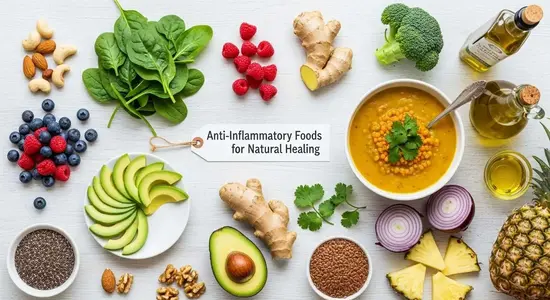
Long-Term Value of Anti Inflammatory Foods in Daily Life
Anti inflammatory foods offer more than short-term dietary benefits. Over time, they contribute to improved nutritional status, sustained energy, and overall resilience.
We view this approach not as a temporary adjustment but as a foundational lifestyle strategy rooted in informed choices and consistent habits.
By prioritizing nutrient-dense foods and minimizing highly processed options, we reinforce the body’s natural capacity for balance and adaptation.
This long-term perspective ensures that anti inflammatory nutrition remains achievable, enjoyable, and impactful.