

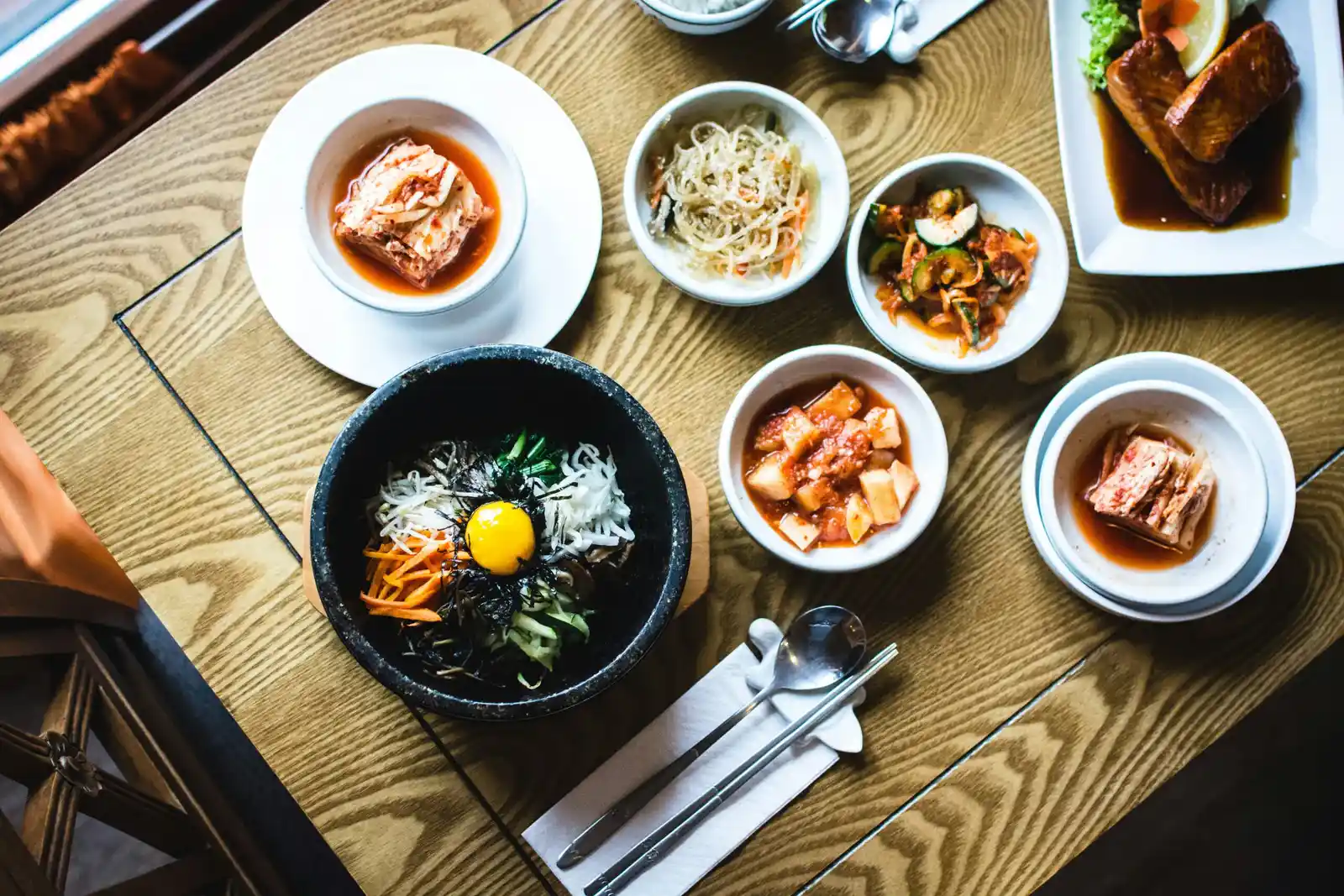
The concept of harmony is central in Korean meals. Balance is not just an aesthetic ideal—it is a core principle guiding every step of meal preparation and presentation.
This harmony comes from a careful blend of flavors—spicy, sweet, sour, salty, and umami—while vibrant colors and contrasting textures enhance each dish, making it both nourishing and visually appealing.
Take banchan, the traditional side dishes arranged around a shared table. They reflect Korea’s emphasis on variety and balance. No single flavor or texture dominates.
Previously, 33.9% of the sentences had more than 20 words, exceeding the recommended 25%. This revision simplifies the structure to improve clarity without losing depth.
Table of Contents
Overview of korean meals
Rice, vegetables, and meats are significant components of the Korean diet, and they are frequently complemented by fermented foods such as kimchi, a national dish that demonstrates the importance of fermentation in preserving and enhancing flavors.
Garlic, ginger, and sesame oil are just a few of the popular flavor enhancers utilized in many cuisines. The emphasis on seasonal and fresh products reflects not only the region’s farming traditions but also Korean culture’s deep concern for the environment.
Communal Dining Culture
In Korean culture, meals are frequently communal affairs, with family and friends sitting around a table laden with a variety of side dishes known as banchan.
This dining style incorporates the ideals of connection and sharing, fostering a sense of community in the culinary environment.
Furthermore, individual meals frequently carry cultural importance, such as ceremonies, celebrations, or even family recipes passed down through generations.
Cultural Significance of korean meals
Korean meals are more than just food. They are a journey through Korea’s traditions and heritage.
Each dish carries cultural significance. Understanding it reveals insights into social dynamics and historical influences. These factors have shaped Korea’s unique culinary world.
Exploring specific dishes highlights the depth of Korean cuisine. It also shows South Korea’s special connection between food and culture.
Types of Korean Meals
Korean meals are celebrated for their variety, rooted in traditional staples and shaped by cultural values. Rice serves as the main carbohydrate in nearly every meal and forms the foundation of Korean dining. People typically enjoy it alongside small side dishes known as banchan.
Banchan feature a wide range of items, such as kimchi, pickled vegetables, and protein-rich dishes. Families and restaurants serve these side dishes in modest portions, enhancing the meal with flavor and balance.
These side dishes are essential. They add flavor. They also create a balanced meal, both in taste and nutrition.
Simple Meal Alternatives for First-Time Korean Meals Eaters
For those trying Korean meals for the first time, there are many simple options.
Bibimbap is a great choice. It’s made with rice, topped with vegetables, a fried egg, and spicy sauce.
This dish highlights Korea’s rich flavors and vibrant presentation. Another simple choice is kimbap—a flavorful roll packed with rice, fresh vegetables, and protein.
People love kimbap for its taste, portability, and convenience, making it ideal for a quick lunch. It’s also a great starting point for beginners trying their hand at Korean home cooking.
Cultural Significance of Certain Delicacies
Certain delicacies play an important role in Korean festivals. For example, people traditionally eat tteokguk, a soup made with sliced rice cakes, during the Lunar New Year to symbolize gaining a year in age.
Similarly, many enjoy samgyeopsal, or grilled pork belly, at parties, where they cook it together at the table, fostering a sense of community.
These foods hold cultural significance because of the traditions surrounding their preparation, presentation, and consumption.
Beef Korean Meals
In korean meals, beef is more than just a protein; it is a key element that reflects the country’s rich culinary tradition.
Korean beef dishes, such as bulgogi and galbi, offer a symphony of flavors and textures that have enthralled both locals and worldwide cuisine fans.
These dishes are not only essential to meals, but they also represent communal gatherings that celebrate shared experiences through cuisine.
Overview of Bulgogi
Bulgogi, meaning ‘fire meat,’ is a popular Korean dish featuring thinly sliced beef marinated in a savory mixture of soy sauce, sesame oil, sugar, garlic, and pepper.
This marinade infuses the beef with a delicate combination of sweetness and umami, enhancing the overall flavor.
Cooking bulgogi over a grill, whether over charcoal or on the stovetop, adds a wonderful smokiness to the tender meat, making it a popular choice for big occasions or simple family dinners.
Galbi: A Richer Variation
Galbi is another well-known Korean dish. made from beef short ribs. The ribs are marinated similarly to bulgogi but cut more substantially.
The marinade includes soy sauce, sugar, garlic, and pears. This creates a thick sauce that tenderizes the meat. It also adds a subtle sweetness.
Galbi is usually grilled. As it cooks, the fat renders and bastes the meat. This keeps it juicy and flavorful.Cooking techniques vary by region. Each area offers its own version. This shows how versatile beef is in Korean cuisine.
Cultural Significance of Beef Dishes
The importance of beef in Korean dinners goes beyond the dishes themselves; it reflects cultural ideals of hospitality and sharing.
Korean beef dishes, whether eaten on a joyous occasion or as a casual family meal, are a tribute to the country’s culinary passion, with flavor, tradition, and unity intricately woven into each bite.
Vegetarian Options in korean meals.
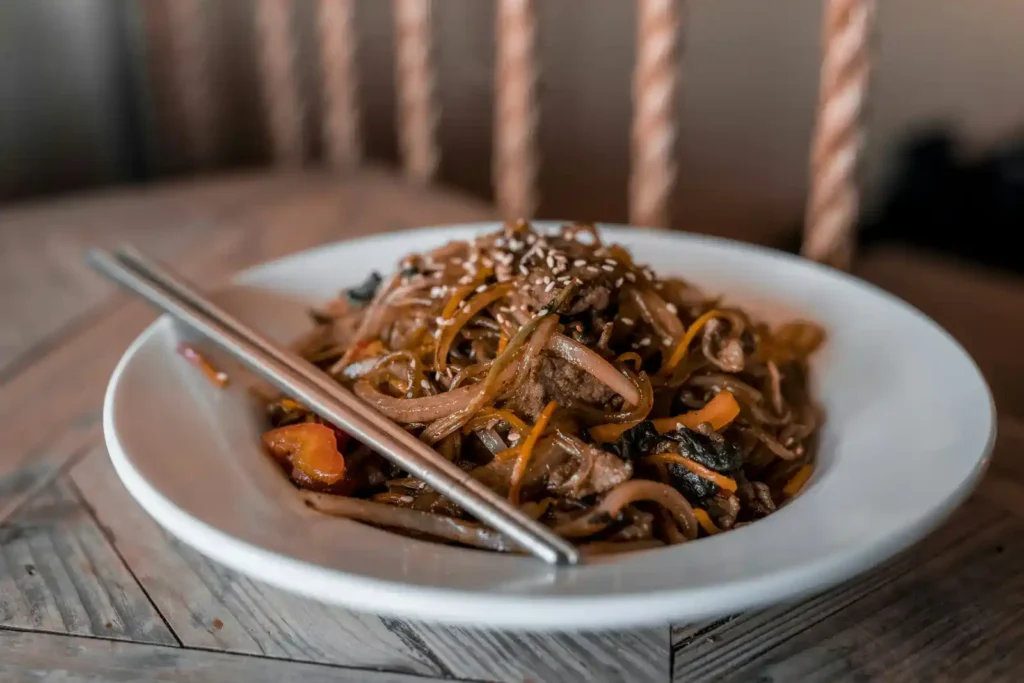
Korean meals are known for their bold flavors and diverse ingredients. Many vegetarian-friendly options are available for those following a plant-based diet. Japchae is one of the most popular dishes.
It features stir-fried sweet potato starch noodles. Colorful vegetables like spinach, carrots, and bell peppers are commonly included. Mushrooms and sesame oil add depth and richness.
Japchae is delicious and highly adaptable. You can use a variety of vegetables to suit your taste. This makes it a staple for vegetarian Korean lunches.
Kimchi Jjigae: A Vegetarian Delight
Kimchi stew, commonly called kimchi jjigae, is a delicious vegetarian option. While traditional recipes often include meat or seafood, cooks can easily prepare a vegetarian version using plant-based ingredients.
Fermented napa cabbage and radish serve as a rich flavor base, while tofu, green onions, and mushrooms give depth to the stew.
The spicy, sour flavor of kimchi jjigae can be savored without using animal products while maintaining its essence.
Banchan: Complementary Side Dishes
korean meals also includes a range of side dishes called banchan, many of which are naturally vegetarian.
For example, seasoned spinach (sigeumchi namul), pickled radishes (danmuji), and numerous forms of kimchi allow vegans to enjoy real Korean flavors.
Each of these accompaniments not only provides nourishment but also perfectly complements the main courses.
Focus on Fresh Vegetables and Fermentation
This culinary style focuses largely on fresh vegetables and fermentation, both of which are key components of a vegetarian diet.
Such techniques pave the way for healthful and delectable food options on the Korean culinary scene, with something for everyone.
As more people become interested in vegetarian and plant-based diets, sampling these foods expands one’s culinary horizons and makes Korean food more widely available.
Korean Meals for Birthdays
Korean birthdays are marked by a complex tapestry of gastronomic customs, with several meals holding considerable cultural meaning. Among these, miyeok-guk, or seaweed soup, is a traditional birthday dish.
This soup is usually made with dried seaweed that has been rehydrated and boiled in a savory broth flavored with soy sauce and garlic. The broth is frequently prepared with meat or anchovies.
Consuming miyeok-guk on one’s birthday represents a celebration of life and the caring tie between mother and child, as this healthy meal is said to enhance health and longevity.
Jajangmyeon: A Popular Dish for Special Occasions
Jajangmyeon, or black bean noodles, is another popular dish, particularly on special occasions. It comprises wheat noodles served with a rich, flavorful black bean sauce that frequently includes pork, onions, and different veggies.
Jajangmyeon is a relatively modern addition to Korean birthday celebrations, reflecting Chinese cuisine’s impact on Korean foods.
Its popularity has made it a regular feature at many birthday celebrations, providing a pleasantly soothing and filling alternative for the guests.
Modern Fusion in Birthday Celebrations
In recent years, several families have experimented with merging traditional and modern cuisine to create one-of-a-kind birthday dinners.
Besides miyeok-guk and jajangmyeon, people might enjoy Korean fried chicken, gimbap, or tteok. These modern additions honor traditional flavors. They also reflect how Korean meals continue to evolve. This allows for more personalized birthday celebrations.
By blending iconic dishes with new culinary ideas, families can create memorable experiences. This makes the occasion even more meaningful for the birthday celebrant.
Festive Korean Meals Ideas:
korean meals are noted for its bright flavors and rich cultural importance, especially on special occasions like birthdays.
To commemorate a birthday in a meaningful way, prepare a delectable lunch that combines traditional Korean foods with modern twists. This blend honors cultural tradition while also catering to modern gastronomic preferences.
Baek-Seolgi: A Traditional Steamed Rice Cake
One popular food to choose is baek-seolgi, a traditional steamed white rice cake that is frequently served at celebrations.
However, you can modernize this traditional dish by adding fillings such as fruit preserves or cream.
A baek-seolgi layered cake, topped with fresh fruits and edible flowers, might be transformed into a stunning centerpiece.
Bibimbap: A Colorful Rice Dish
The bibimbap, a colorful rice dish with veggies, meat, and a fried egg, is also an important part of every joyful Korean feast.
Consider creating a particular themed bibimbap with brilliant colors that reflect the birthday celebrant’s preferences.
Adding unusual toppings like avocado or truffle oil can modernize this traditional dish while retaining its authentic flavor.
Kimchi: A Staple Side Dish
Kimchi, which complements these main dishes, is a Korean staple that can be made in a variety of ways.
For example, prepare kimchi pancakes, which are both flavorful and enjoyable. To enhance the flavor and presentation, serve with herbal dipping sauce.
Beverage Influence in Festivities
Finally, do not ignore the influence of beverages in creating a festive atmosphere. Traditional drinks like makgeolli, a fermented rice wine, and sujeonggwa, a cinnamon ginger punch, can be served in modern glasses to improve the dining experience.
Whether traditional or contemporary, the essence of korean meals shines brilliantly at birthdays and other occasions, making each one memorable.
Simple Recipes for Quick Preparation
korean meals are known for its vibrant flavors and diverse dishes, making it an intriguing option for those looking to broaden their culinary horizons.
Beginners may find it difficult to enter the world of Korean cooking; nevertheless, with a few simple recipes and practical recommendations, everyone may enjoy the spirit of this exquisite food.
Kimchi Fried Rice
- Ingredients: Leftover rice, chopped carrots, onions, sesame oil, kimchi, soy sauce, green onions.
- Instructions:
- Stir-fry chopped carrots and onions in sesame oil.
- Add rice, kimchi, and soy sauce; stir continuously for a few minutes.
- Drizzle with sesame oil and garnish with green onions.
This flavorful fried rice is fragrant, filling, and done in just 20 minutes.
Bulgogi
- Ingredients: Thinly sliced beef, soy sauce, sugar, garlic, pepper.
- Instructions:
- Marinate beef for 30 minutes in soy sauce mixture.
- Heat a skillet over medium-high heat; cook marinated meat for about 10-15 minutes.
Serve with steaming rice and lettuce for wrapping for a delectable hand-held experience.
Oi Muchim (Seasoned Cucumber Salad)
- Ingredients: Cucumbers, gochugaru (Korean chili flakes), garlic, vinegar, sesame oil.
- Instructions:
- Slice cucumbers and combine with gochugaru, garlic, vinegar, and sesame oil.
This dish takes only a few minutes to prepare and goes great with any Korean meal.By including these easy recipes into your cooking repertoire, you will not only learn about the flavors of korean meals but also enhance your culinary skills in a pleasant and delightful manner.
Korean Meals Conclusion
Korean cuisine is a beautiful tapestry woven from a long history, diverse ingredients, and distinct culinary traditions.
Kimchi, bibimbap, and bulgogi offer diverse flavors and textures that delight the palate and reflect Korea’s rich culinary heritage.
Each meal offers a tale about the regional influences, seasonal ingredients, and communal spirit that are important to korean meals.
Exploring the essence of korean meals reveals a culture that values balance, harmony, and wellness.
This cuisine emphasizes fresh vegetables, fermented foods, and lean proteins, providing a healthy diet that is consistent with current health trends.
Aside from the health benefits, the social aspect of Korean dining is important; meals are frequently shared with family and friends, demonstrating the deep relationships that food can establish across communities.

