
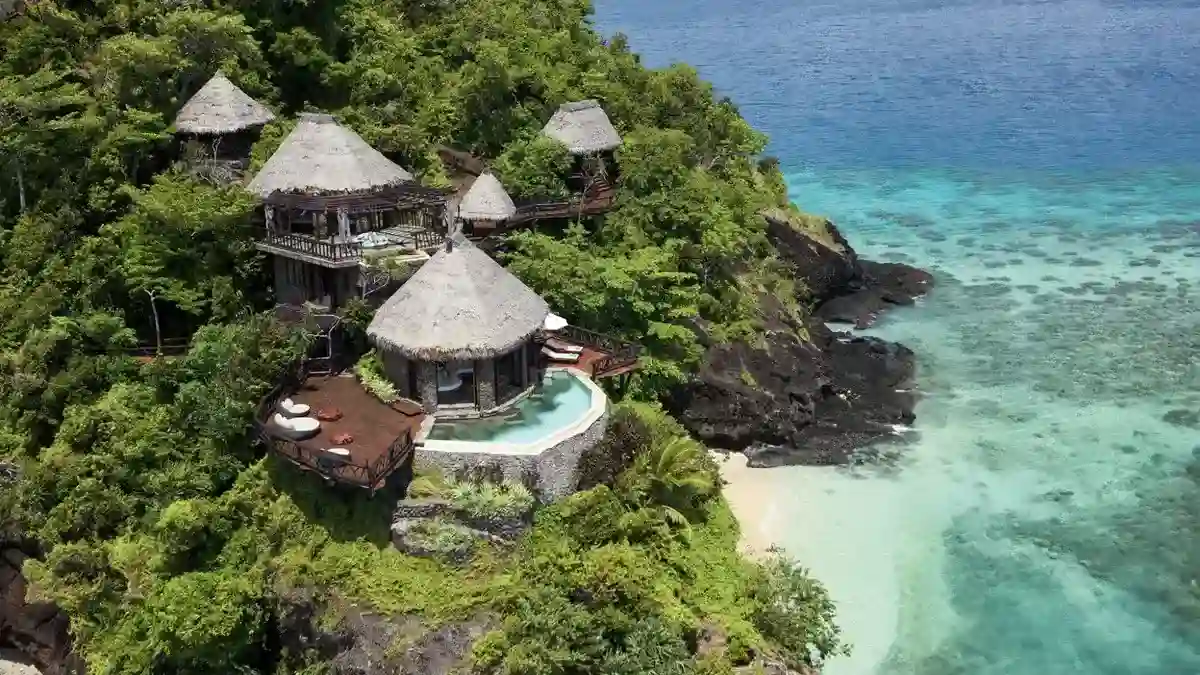

Which Sustainable Luxury Resorts Are Worth Considering?
The most compelling sustainable luxury resorts worldwide combine exceptional accommodation with documented environmental protection and meaningful local partnerships. Standout examples include Six Senses Laamu in the Maldives, Misool Eco Resort in Indonesia, Chumbe Island Coral Park in Zanzibar, Islas Secas in Panama, and Lapa Rios Lodge in Costa Rica.
Their conservation work covers coral reefs, marine habitats, tropical forests, wildlife and community development. Each property has a different approach, so checking its latest impact reporting before booking remains essential.
Key Takeaways
- Six Senses Laamu connects luxury hospitality with marine research, coral restoration and seagrass protection.
- Misool Eco Resort is associated with a large marine reserve in Raja Ampat.
- Islas Secas supports mangrove restoration and marine biodiversity initiatives in Panama.
- Chumbe Island Coral Park uses ecotourism to support marine protection and environmental education.
- Sundy Praia participates in a dedicated conservation and community funding program.
- Six Senses Ninh Van Bay supports coral restoration, wildlife research and community programs.
- Lapa Rios Lodge connects rainforest conservation with local employment and education.
- Grootbos combines luxury nature experiences with botanical biodiversity protection and community development.
Table of Contents
What Makes a Luxury Resort Truly Sustainable?
A sustainable luxury resort manages its environmental footprint while contributing to the economic and social well-being of its surrounding community.
The strongest properties connect their hospitality operations with practical conservation work, responsible employment, local purchasing and long-term environmental management.
Five criteria help distinguish credible initiatives from attractive marketing claims.
| Sustainability criterion | What travelers should look for |
|---|---|
| Marine and wildlife conservation | Protected habitats, reef restoration, wildlife monitoring and conservation partnerships |
| Energy and water management | Renewable energy, water conservation, wastewater treatment and resource monitoring |
| Local economic benefits | Local employment, responsible wages, local suppliers and training |
| Community investment | Education, healthcare, community-led projects and cultural preservation |
| Independent accountability | Valid certifications, published impact reports and third-party assessments |
Understanding Sustainable Tourism Certifications
The Global Sustainable Tourism Council (GSTC) provides internationally recognized sustainability standards for hotels and other tourism businesses.
Its Hotel Standard addresses four broad areas:
- Effective sustainability management.
- Social and economic benefits for local communities.
- Cultural heritage protection.
- Environmental protection and reduced negative impacts.
Certification deserves careful interpretation. GSTC develops standards and recognizes qualifying certification standards, but it does not directly certify individual hotels. Travelers should check which organization issued a property’s certification and whether that certification remains valid.
How We Selected These Sustainable Luxury Resorts
This guide prioritizes properties with identifiable conservation projects, community partnerships or published sustainability information.
The selection considers:
- Evidence of ongoing conservation or environmental management.
- Named conservation partners or identifiable local initiatives.
- Documented community involvement.
- Information available from official property, foundation or conservation sources.
- A distinctive accommodation experience that makes the property relevant to luxury travelers.
Most of the evidence available for this article comes from property operators and their associated conservation organizations. Those sources are useful for understanding programs and published results, but they are not automatically independent audits.
The properties below are presented as research-backed examples, not a ranked list of the world’s most sustainable hotels.
8 Sustainable Luxury Resorts Worldwide
1. Six Senses Laamu, Maldives: A Luxury Escape Supporting Marine Conservation
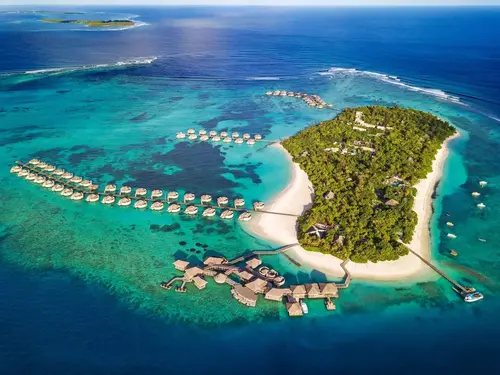
Location: Laamu Atoll, Maldives
Best for: Marine conservation, reef experiences and responsible island tourism.
Six Senses Laamu offers a compelling example of luxury hospitality connected to marine research and conservation.
The resort’s Maldives Underwater Initiative brings together marine researchers and conservation organizations, including the Manta Trust, Blue Marine Foundation and Olive Ridley Project.
Its SHELL center, the Sea Hub of Environmental Learning in Laamu, introduces guests and local communities to marine research, environmental education and conservation activities.
The resort also supports seagrass protection, coral restoration, manta ray research and sea turtle monitoring.
Its published 2025 figures include:
- 1,048,000-plus coral larvae released onto its house reef.
- Approximately 385,000 square meters of surrounding seagrass meadows protected under its no-removal policy.
- 1,206 sea turtles recorded in Laamu through its photo-identification database.
- More than 13,000 kilograms of fish purchased from local Laamu fishers through its Fish for Tomorrow program.
These figures are reported by the resort and should be understood within the scope of its own monitoring and reporting.
- Why it stands out: Six Senses Laamu connects marine research, guest education and local fishing communities with a high-end island resort experience.
- Luxury experience: Overwater accommodation, lagoon activities, snorkeling, diving and access to marine conservation experiences.
2. Misool Eco Resort, Indonesia: Protecting the Reefs of Raja Ampat
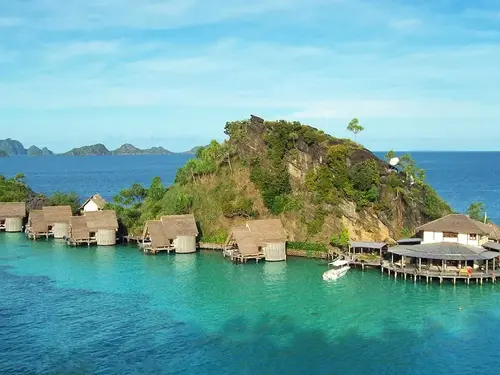
Location: Raja Ampat, Southwest Papua, Indonesia
Best for: Coral reefs, diving and marine biodiversity.
Misool Eco Resort is an especially interesting option for travelers who want their island holiday connected to marine conservation.
The associated Misool Foundation manages the Misool Marine Reserve, a protected marine area established through agreements with local villages.
The foundation reports that the reserve covers approximately 1,220 square kilometers and includes two no-take zones and a restricted-gear corridor.
Local rangers patrol the protected waters, helping prevent destructive fishing and other prohibited activities.
The foundation also publishes monitoring results. Its comparison data reports that average fish biomass increased by 248% between 2007 and 2021 within the monitored reserve sites.
The foundation reports a 190% increase in shark numbers inside the reserve since 2012, based on its baited remote underwater video surveys.
These are foundation-reported monitoring results, rather than a guarantee that every part of the reserve has experienced identical changes.
- Why it stands out: The relationship between tourism, local village agreements and marine protection gives Misool a distinctive conservation model.
- Luxury experience: Remote island accommodation, diving, snorkeling and access to the extraordinary marine ecosystems of Raja Ampat.
3. Islas Secas, Panama: Private Island Luxury With Conservation at Its Core
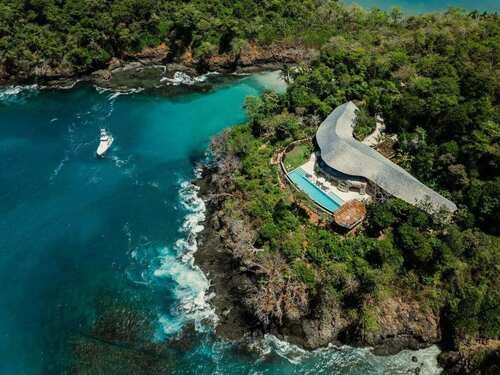
Location: Gulf of Chiriquí, Panama
Best for: Private island escapes, marine biodiversity and nature-focused luxury.
Islas Secas combines private-island hospitality with conservation work in Panama’s Gulf of Chiriquí.
The Islas Secas Foundation works with conservation organizations on scientific research, sustainable fisheries, ecosystem restoration, protected-area management and environmental education.
One important initiative involves mangrove protection and restoration in partnership with Wetlands International.
Mangrove ecosystems provide important nursery habitats for marine life and help protect coastlines against environmental pressures.
The foundation’s work also includes monitoring mangrove areas and supporting local environmental education.
This makes Islas Secas particularly interesting for travelers who value coastal conservation alongside a secluded luxury experience.
- Why it stands out: Its conservation foundation has a clearly identified focus on marine biodiversity, mangroves and ecosystem resilience.
- Luxury experience: Private-island accommodation, ocean activities, nature experiences and access to the surrounding protected marine environment.
4. Chumbe Island Coral Park, Zanzibar: An Eco-Lodge Financing Marine Protection
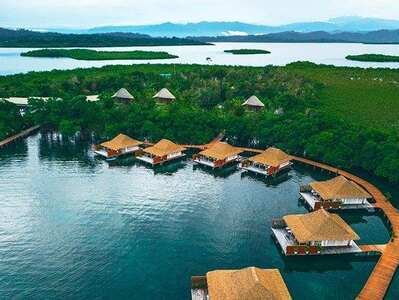
Location: Zanzibar, Tanzania
Best for: Coral reef conservation, marine education and low-impact island stays.
Chumbe Island Coral Park offers one of the most distinctive examples of conservation-led tourism in the Indian Ocean.
The project combines an eco-lodge with a fully protected coral reef sanctuary and forest reserve.
The protected reef operates as a no-take area, helping conserve marine biodiversity and protect important fish habitats.
The park was established in 1992 and operates through a conservation-focused ecotourism model.
Its tourism revenue supports conservation management, scientific research, monitoring and environmental education programs involving local schools and communities in Zanzibar.
This connection between accommodation and conservation funding makes Chumbe particularly relevant to travelers interested in responsible beach resorts.
The experience is also deliberately different from conventional luxury island hotels. The emphasis is on nature, environmental learning and a smaller-scale island stay.
- Why it stands out: Tourism revenue supports the management of a protected marine and forest environment, alongside environmental education.
- Luxury experience: Eco-bungalow accommodation, guided reef experiences, nature walks and an intimate island setting.
5. Sundy Praia, São Tomé and Príncipe: Luxury Travel Supporting Island Communities
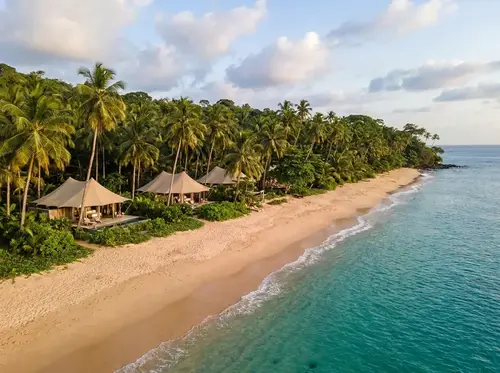
Location: Príncipe Island, São Tomé and Príncipe
Best for: Tropical island escapes, biodiversity and community-supported tourism.
Sundy Praia offers an interesting model for connecting high-end island hospitality with local conservation and community initiatives.
The resort belongs to Príncipe Collection, whose Conservation and Communities Contribution program allocates €25 per guest per night for guests aged 13 and above at participating properties.
According to the collection’s published information, 100% of this contribution supports local initiatives.
The allocation includes:
- 50% for Fundação Príncipe and terrestrial and marine conservation.
- 25% for educational support.
- 25% for environmental and social initiatives.
The collection’s 2026 sustainability progress report records €221,631 collected through this contribution in 2025.
The report also documents the number of community requests evaluated and approved for funding.
This provides travelers with a clearer picture of how a stay can contribute financially to local initiatives.
Sundy Praia also offers a distinctive architectural experience, with tented accommodation set within a tropical island environment.
- Why it stands out: Its contribution model connects guest stays with a defined funding structure for conservation, education and community initiatives.
- Luxury experience: Tented villas, private terraces, tropical surroundings, guided experiences and access to Príncipe’s natural attractions.
6. Six Senses Ninh Van Bay, Vietnam: Supporting Coastal and Forest Biodiversity
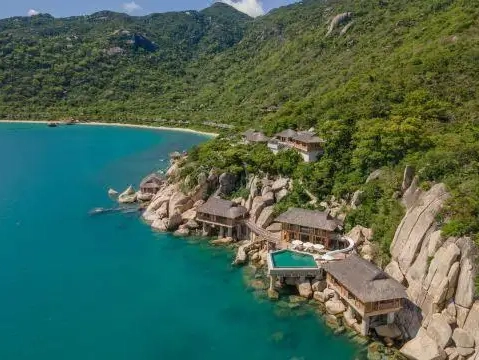
Location: Ninh Van Bay, Vietnam
Best for: Coastal luxury, wildlife conservation and environmental experiences.
Six Senses Ninh Van Bay combines secluded coastal accommodation with environmental initiatives covering renewable energy, coral restoration and wildlife protection.
One of its distinctive projects focuses on the critically endangered black-shanked douc langur.
Research conducted by the resort and GreenViet recorded an increase in the population in the Hon Heo mountains from 109 individuals in 2019 to 211 in 2025.
The resort also reports continuing coral restoration work in partnership with the Institute of Coastal and Offshore Engineering.
Its 2025 sustainability reporting includes:
- 739,782 kilowatt-hours of renewable solar energy generated.
- 200 coral fragments replanted.
- 80 coral frames maintained.
- 14,700 mangrove trees planted through a restoration partnership.
- 457 local residents and students involved in environmental activities.
Its community programs also include education, scholarships, solar lighting and access to safe drinking water.
- Why it stands out: The resort’s environmental work extends beyond beachfront operations into surrounding forest ecosystems and local communities.
- Luxury experience: Secluded villas, coastal scenery, wellness facilities, snorkeling and access to nature-based experiences.
7. Lapa Rios Lodge, Costa Rica: Rainforest Conservation and Community Employment
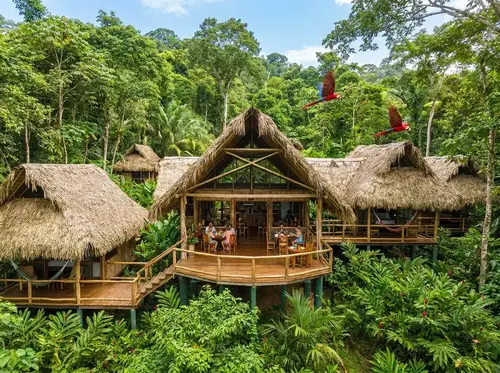
Location: Osa Peninsula, Costa Rica
Best for: Rainforest biodiversity, wildlife observation and responsible nature tourism.
Lapa Rios Lodge offers a different perspective on sustainable luxury travel.
Situated within a private rainforest reserve on Costa Rica’s Osa Peninsula, the lodge connects accommodation with the protection of tropical forest ecosystems.
Its sustainability program includes local employment, environmental education, renewable energy, waste management and biodiversity conservation.
The lodge reports that all its staff are local residents.
It also describes partnerships with schools, community organizations and conservation researchers.
A particularly important element is its 1,000-acre private nature reserve, which contributes to the protection of rainforest habitat near Corcovado National Park.
The lodge also supports wildlife monitoring, reforestation and research activities.
Its conservation fee is intended to support environmental programs and community initiatives.
- Why it stands out: Lapa Rios connects luxury nature tourism with local employment and the protection of a significant rainforest area.
- Luxury experience: Rainforest accommodation, guided wildlife walks, birdwatching, nature experiences and access to the surrounding Pacific coastline.
8. Grootbos Private Nature Reserve, South Africa: Biodiversity and Community Development
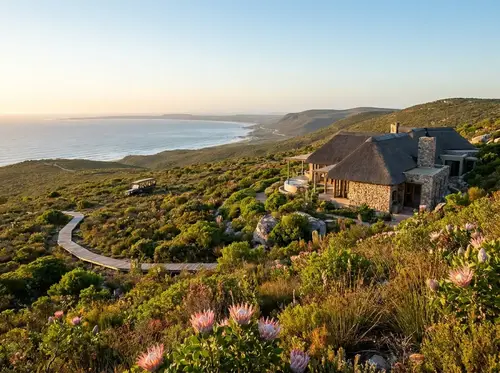
Location: Gansbaai, Western Cape, South Africa
Best for: Nature-focused luxury, botanical biodiversity and community development.
Grootbos offers a distinctive alternative to conventional beach-focused luxury resorts.
The private nature reserve combines luxury accommodation with the protection of the Cape Floral Kingdom’s remarkable plant biodiversity.
Its official website reports that the reserve covers approximately 3,500 hectares and contains more than 1,000 plant species, including 100 endangered plant species.
Grootbos also connects conservation with community development.
Its work includes research, education and programs designed to create opportunities for local residents.
The property’s approach makes it relevant to travelers interested in nature-based luxury with a strong regional identity.
- Why it stands out: Its focus on botanical biodiversity and community development offers a different perspective on responsible luxury tourism.
- Luxury experience: Forest and garden lodges, private villas, nature excursions and guided experiences in the surrounding reserve.
Marine Conservation and Responsible Beach Resorts: What Travelers Should Look For
Beach resorts can have a particularly direct relationship with the ecosystems surrounding them.
Coral reefs, seagrass meadows, mangrove forests and nesting beaches support marine biodiversity and coastal communities.
Travelers interested in responsible beach resorts should look beyond statements such as eco-friendly, green or nature-inspired.
Look for identifiable conservation activities.
Coral Reef Restoration
Responsible marine tourism properties may support reef monitoring, coral nurseries, restoration research and scientific partnerships.
Six Senses Laamu and Six Senses Ninh Van Bay provide examples of resort-linked coral conservation initiatives.
Marine Protected Areas
A marine protected area can restrict activities that damage sensitive habitats and allow ecosystems to recover.
Misool offers a particularly relevant example through its no-take zones and ranger patrols.
Turtle and Wildlife Protection
Resorts operating near nesting beaches or wildlife habitats can support monitoring, research and education.
Look for programs involving recognized conservation organizations and local environmental authorities.
Mangrove and Seagrass Protection
Mangroves and seagrass meadows support marine ecosystems and provide important coastal environmental functions.
Six Senses Laamu and Islas Secas offer examples of initiatives involving these habitats.
Luxury Resorts Supporting Local Communities
Responsible luxury tourism should create opportunities for the people who live in destination communities.
A resort can contribute through local employment, training, purchasing, educational programs and partnerships with community organizations.
The examples in this guide illustrate different approaches.
| Resort | Destination | Community contribution |
|---|---|---|
| Six Senses Laamu | Maldives | Local fisheries, environmental education and community development |
| Misool Eco Resort | Indonesia | Local village agreements and employment of marine reserve rangers |
| Islas Secas | Panama | Environmental education and conservation partnerships |
| Chumbe Island Coral Park | Tanzania | Environmental education for local schools and communities |
| Sundy Praia | São Tomé and Príncipe | Dedicated conservation and community contribution |
| Six Senses Ninh Van Bay | Vietnam | Education, scholarships, local environmental activities and clean-water initiatives |
| Lapa Rios Lodge | Costa Rica | Local employment, education and community initiatives |
| Grootbos | South Africa | Community development and conservation education |
For travelers, the most meaningful indicators include local leadership, long-term employment, transparent funding and measurable benefits.
Community-led tourism deserves particular attention because it gives local people a more active role in shaping tourism experiences and deciding how economic benefits are distributed.
How to Choose a Genuinely Sustainable Luxury Resort
A few practical checks can help you make a better booking decision.
1. Read the Latest Sustainability Report
Look for recent reporting with measurable results, reporting dates and explanations of how the figures were collected.
A report with specific projects and outcomes is more useful than a general statement about caring for nature.
2. Check Conservation Partnerships
Identify the organizations involved in a resort’s environmental programs.
Check whether the partnership is active and what work it actually supports.
3. Examine Local Employment Practices
Look for information about local hiring, staff training, career progression and purchasing from local businesses.
4. Check Environmental Certifications
Ask which organization issued the certification and whether it is current.
A certification should have identifiable standards and an assessment process.
5. Look at the Resort’s Physical Footprint
Consider how the property manages:
- Energy consumption.
- Freshwater use.
- Wastewater.
- Single-use plastics.
- Food sourcing.
- Habitat protection.
- Construction and coastal development.
6. Ask Where Your Money Goes
If a resort includes a conservation fee or community contribution, check the amount, allocation and published reporting.
Sundy Praia’s parent collection, for example, publishes a specific contribution model for participating properties.
Frequently Asked Questions
What makes a luxury resort genuinely sustainable?
A sustainable luxury resort combines responsible environmental management with local economic and social benefits. Strong examples publish information about energy, water, waste, biodiversity, community employment and conservation partnerships.
Which luxury resorts support marine conservation?
Six Senses Laamu, Misool Eco Resort, Islas Secas and Chumbe Island Coral Park are examples of properties connected to marine conservation initiatives. Their work includes reef protection, habitat restoration, marine research and environmental education.
What are the best eco-friendly beach resorts in the world?
The best choice depends on the type of environmental work you value. Misool is particularly relevant to marine protected areas, Six Senses Laamu to reef and seagrass research, and Chumbe Island Coral Park to conservation-funded ecotourism.
How do luxury resorts benefit local communities?
Resorts can contribute through local employment, training, local purchasing, education, conservation funding and partnerships with community organizations. Travelers should look for specific evidence rather than relying solely on general corporate promises.
Are sustainable luxury resorts worth the extra cost?
They can be worthwhile for travelers who value conservation, responsible operations and community contributions alongside accommodation quality. Compare the actual experience, included services, conservation fees and published sustainability evidence before deciding.
How can travelers identify greenwashing in luxury hotels?
Look for vague claims without measurable results, unclear certifications, outdated sustainability reports and conservation partnerships that cannot be verified. Ask for specific information about projects, funding and outcomes.
Which resorts protect coral reefs and marine wildlife?
Six Senses Laamu, Misool Eco Resort, Six Senses Ninh Van Bay and Chumbe Island Coral Park are examples of properties associated with coral reef and marine conservation programs.
What certifications should sustainable resorts have?
The GSTC Hotel Standard is a useful international reference. Travelers should also examine the specific certification body, its accreditation, the standard used and the property’s current certification status.
Final Thoughts: Choosing Luxury Travel With a Positive Local Connection
Sustainable luxury resorts worldwide offer travelers different ways to connect exceptional accommodation with environmental protection and local communities.
The strongest choices provide identifiable conservation projects, transparent community initiatives and evidence of ongoing environmental management.
Before booking, examine the latest available reporting and ask how the property works with local residents and conservation organizations.
A thoughtful luxury stay can provide a memorable holiday while supporting the long-term protection of the destination that makes the experience special.
Sources and Further Reading
- Global Sustainable Tourism Council – GSTC Hotel Standard
- Six Senses Laamu – Sustainability
- Maldives Underwater Initiative – Seagrass Conservation
- Misool Foundation – Misool Marine Reserve
- Islas Secas Foundation
- Chumbe Island Coral Park
- Príncipe Collection – Conservation and Communities
- Príncipe Collection – Sustainability Progress and Impacts Report
- Six Senses Ninh Van Bay – Sustainability
- Lapa Rios Lodge – Sustainability
- Lapa Rios Lodge – Conservation Fee
- Grootbos Private Nature Reserve