
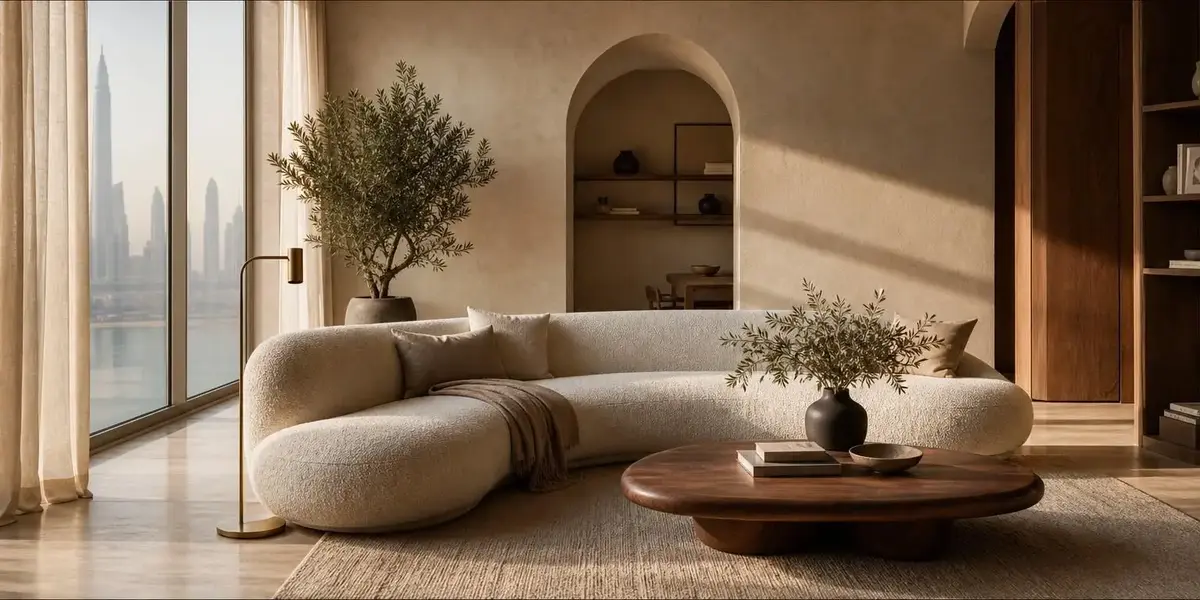

Luxy furniture brings a refined look to modern homes through considered proportions, quality materials, sculptural silhouettes and restrained finishes. For a warm minimalist interior, prioritize a comfortable sofa, a well-proportioned coffee table, a solid-wood dining table and thoughtfully chosen accent pieces. The best furniture choices balance appearance with comfort, durability, maintenance and the dimensions of your room.
Editorial note: This guide offers design and purchasing advice. Furniture recommendations are based on stated selection criteria, not personal product testing.
Table of Contents
What Is Luxy Furniture?
Luxy furniture is a useful style and shopping term for furniture that gives a home a polished, luxurious appearance through its form, materials, craftsmanship and finish. The term can encompass premium designer pieces, contemporary furniture with refined details and more affordable furniture inspired by high-end interiors.
The Pure Lux approach focuses on warm minimalism: a calm colour palette, natural-looking textures, furniture with considered proportions and a limited number of distinctive pieces. A room can achieve this look with a combination of investment furniture, accessible contemporary designs and carefully chosen vintage finds.
Five characteristics help define the style:
- Considered proportions: furniture suits the room and leaves comfortable space to move.
- Tactile materials: wood grain, textured upholstery, stone and brushed metal introduce visual depth.
- Restrained colour: cream, oatmeal, taupe, warm white, walnut and muted earth tones create continuity.
- Sculptural forms: a curved sofa, rounded coffee table or distinctive chair adds personality.
- Practical construction: stable frames, appropriate upholstery and manageable care requirements support everyday use.
9 Statement Luxy Furniture Pieces Worth Considering
The strongest statement furniture choices combine a clear design feature with a practical role. Start with the pieces you use most often, then add distinctive furniture where the room needs shape, contrast or storage.
1. A curved sofa in a warm neutral fabric
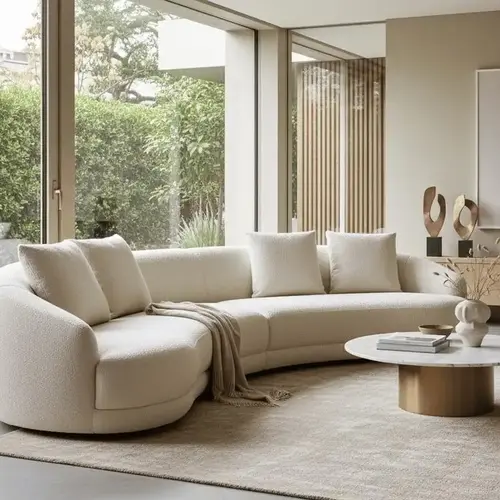
A curved sofa softens a room dominated by straight walls, rectangular windows and angular cabinetry. Choose a silhouette that suits the room, with enough seat depth and back support for everyday lounging.
Best for: Living rooms that need a clear focal point.
Check before buying: Seat depth, frame construction, upholstery cleaning instructions and delivery access.
2. A sculptural stone coffee table
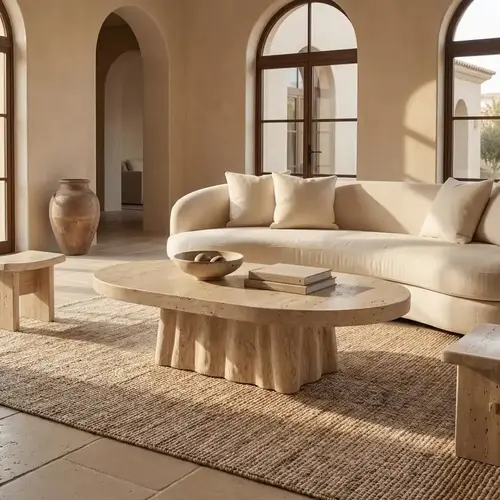
A travertine, marble or stone-look coffee table introduces visual weight and a natural surface. An oval or rounded design can soften a seating arrangement, while a rectangular table suits a more linear layout.
Best for: Anchoring a living room seating area.
Check before buying: Actual material, total weight, surface-care requirements and the stability of the base.
3. A solid-wood dining table
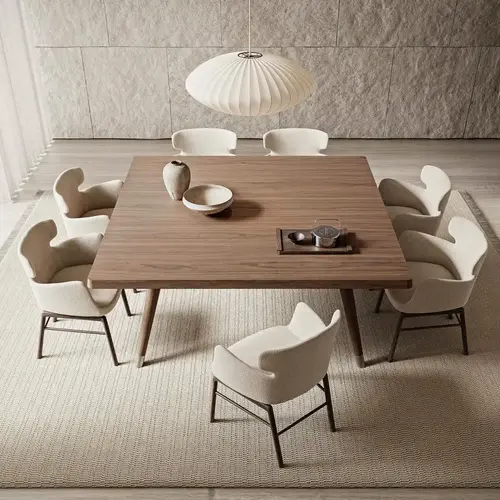
A dining table in oak or walnut brings warmth to a neutral room and can serve as a long-term anchor for the dining area. Solid wood has natural grain variation and may be repairable or refinished, depending on its construction and finish.
Best for: Dining rooms used regularly for meals, work and entertaining.
Check before buying: Table dimensions, leg placement, chair clearance and the care needed for the finish.
4. A sculptural accent chair
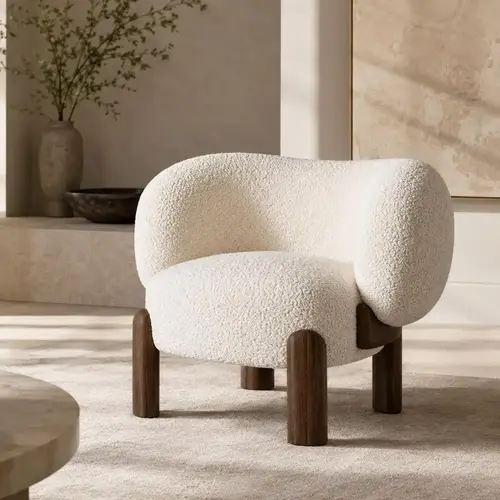
A distinctive chair can add character without requiring a complete room redesign. Bouclé, woven upholstery or smooth leather can introduce texture, while a wooden or metal frame creates contrast.
Best for: Reading corners, bedrooms and unused living room corners.
Check before buying: Sitting comfort, fabric durability, seat height and how the chair fits beside existing furniture.
5. An upholstered bed frame
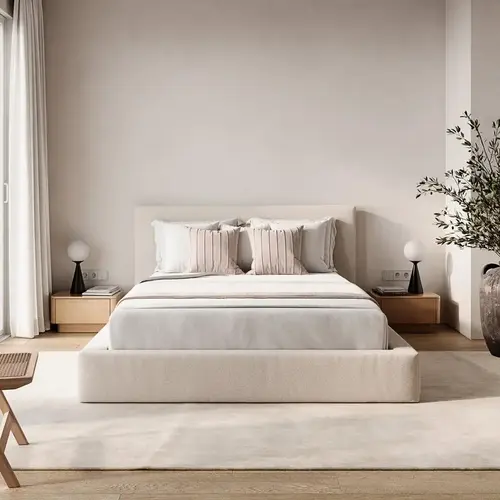
A low-profile upholstered bed creates a composed bedroom and gives soft fabrics a larger role in the design. Linen-look upholstery and warm neutral colours pair well with wooden nightstands and understated bedding.
Best for: Bedrooms designed around comfort and visual calm.
Check before buying: Mattress compatibility, headboard height, bed-frame support and the difficulty of cleaning the fabric.
6. A refined console table
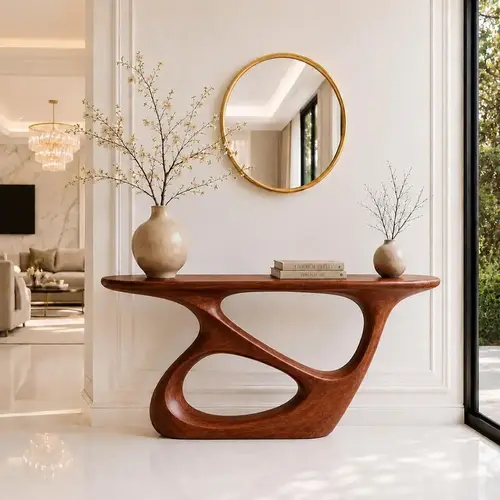
A console table gives an entryway or narrow wall a practical surface for keys, lighting and a small selection of decorative objects. Slim proportions are especially useful in apartments and smaller homes.
Best for: Entryways, hallways and transitional spaces.
Check before buying: Depth, stability, wall anchoring where necessary and usable drawer space.
7. A clean-lined sideboard
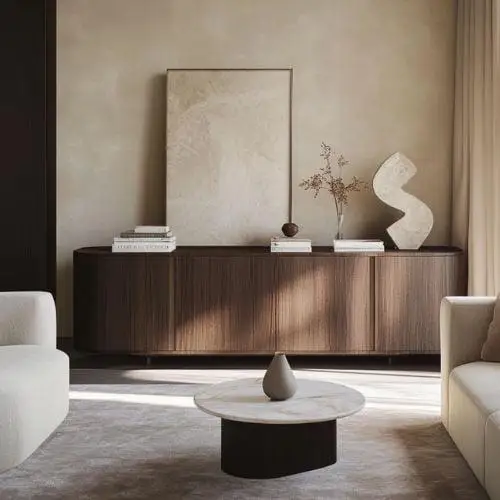
A sideboard provides concealed storage for tableware, linens, electronics or household items. Walnut, oak and muted lacquer finishes can complement both contemporary and more traditional interiors.
Best for: Dining rooms and living spaces that need hidden storage.
Check before buying: Internal capacity, drawer movement, door alignment and cable access if electronics will sit inside.
8. An understated bookcase
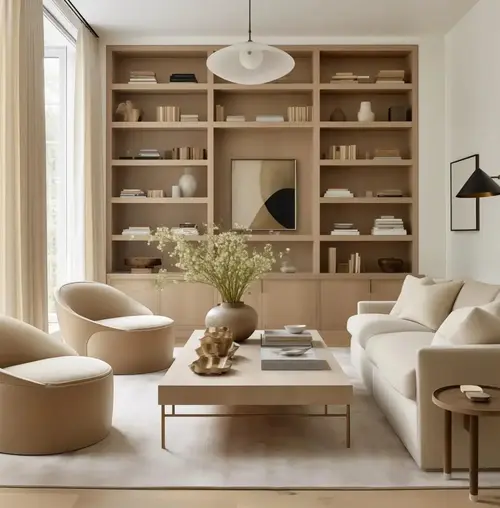
A well-proportioned bookcase adds vertical interest and gives books, ceramics and collected objects a home. Closed storage at the bottom can help keep the display from looking cluttered.
Best for: Home offices, living rooms and reading areas.
Check before buying: Shelf load limits, wall-fixing requirements, overall height and the dimensions of the objects you intend to store.
9. A versatile accent stool
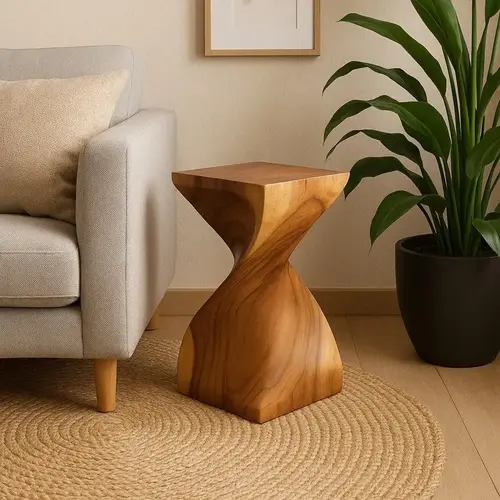
A compact stool can function as extra seating, a bedside surface or a movable accent. Solid wood, a textured finish or an interesting silhouette can provide a distinctive detail without occupying much floor space.
Best for: Small rooms and flexible living arrangements.
Check before buying: Weight capacity, stability, surface finish and whether the stool is comfortable and practical for its intended use.
How to Choose Luxy Furniture for a Modern Minimalist Home
The best luxy furniture fits the room, supports daily routines and works with the finishes already present. Begin with measurements and practical needs, then narrow your choices by silhouette, material and colour.
The four-step furniture selection method
- Measure the room. Record wall lengths, doorways, windows, walkways and the space required to open drawers or recline a seat.
- Choose an anchor piece. Select the main sofa, bed or dining table before shopping for smaller furniture.
- Limit competing finishes. Start with a dominant wood tone, a main upholstery colour and one complementary metal or stone finish.
- Check comfort and construction. Review dimensions, materials, stability, care requirements, warranty terms and return conditions.
Match the furniture to the room’s proportions
A large sofa may suit an open-plan living room but overwhelm a compact apartment. Likewise, a delicate coffee table can look undersized beside a deep sectional.
Use painter’s tape to mark the proposed footprint of large pieces before ordering. Leave clear routes between the entrance, seating, windows and other frequently used areas. The exact clearances depend on the room layout and how the furniture will be used.
Prioritize comfort and construction
A refined exterior can conceal very different levels of construction. For upholstered furniture, investigate the frame, suspension, cushion filling and fabric specifications. For wooden case furniture, check whether the piece uses solid wood, veneer or engineered panels, and inspect the joints, drawer mechanisms and edge finishing.
A quality veneer can be appropriate for furniture with broad panels, while solid wood may suit components where repairability and visible grain matter. The material name alone does not establish overall quality. Construction, design and maintenance all affect long-term value.
Keep the colour palette connected
Warm white, cream, taupe, caramel, walnut and muted brown provide a useful starting point. You can introduce darker accents through a sideboard, chair legs, a lamp or a single statement table.
Best Furniture Materials for a Quiet Luxury Look
Furniture materials influence appearance, comfort, maintenance and cost. Compare the actual construction and finish rather than choosing by colour or product photography alone.
| Material | Visual effect | Advantages | Trade-offs | Best for |
|---|---|---|---|---|
| Solid oak or walnut | Warm grain and natural variation | Can offer repair and refinishing options, depending on finish | Cost, weight and care vary by design | Dining tables, desks and sideboards |
| Wood veneer | Consistent grain and broad-panel finishes | Can create an upscale appearance with efficient material use | Thin veneers can be damaged by sanding or moisture | Cabinets, consoles and storage furniture |
| Travertine or marble | Natural variation and stone texture | Each natural slab has distinct character | Weight, staining or etching risk, and surface care | Coffee tables and occasional tables |
| Linen or woven upholstery | Soft, relaxed texture | Works well with warm neutral palettes | Staining, wrinkling and wear depend on the fabric | Sofas, chairs and beds |
| Leather | Smooth or textured surface with a distinctive patina on some finishes | Wipe-clean maintenance may be straightforward for suitable finishes | Can scratch, fade or require specific care | Sofas, dining chairs and accent seating |
| Brushed metal | Fine highlights and crisp contrast | Useful for structural and decorative details | Fingerprints, corrosion or finish wear depend on the metal | Table bases, handles and legs |
Material properties differ between products, so verify the manufacturer’s specifications and care instructions. Natural stone, for example, may need sealing or particular cleaning products depending on the stone and finish. Upholstery performance varies by fibre, weave, treatment and construction.
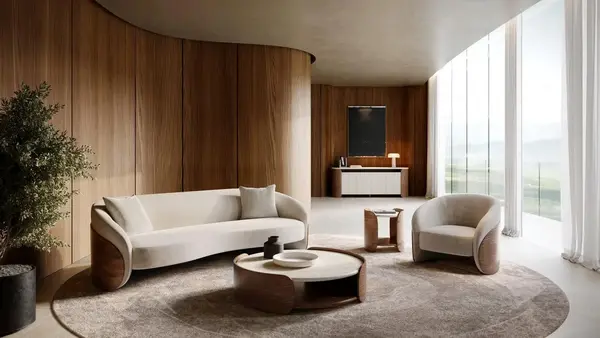
Supporting image: furniture materials and finishes that can be combined in a warm minimalist home.
How to Style Luxy Furniture Room by Room
A coherent home repeats a few finishes and colours across different rooms while allowing each space to serve its own purpose.
Living room
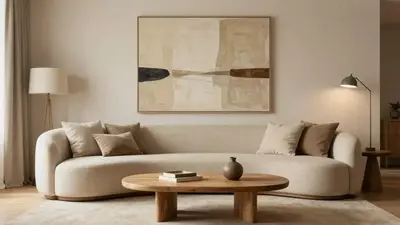
Choose a comfortable sofa first, then add a coffee table and lighting that complement its proportions. A large rug can help define the seating zone. Keep the most decorative pieces limited so that the furniture remains easy to use.
Dining room
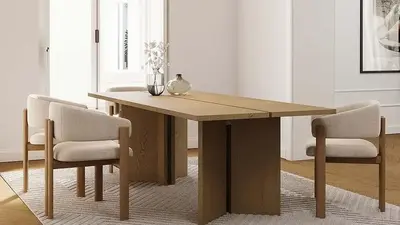
Make the table the main visual anchor. Pair it with chairs that suit its height and allow people to sit and move comfortably. A sideboard can add useful storage and create a place for serving pieces.
Bedroom
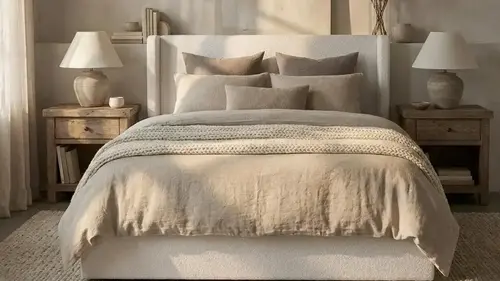
Prioritize the bed, bedside surfaces and storage. Matching every item is optional; related wood tones and consistent upholstery colours can make the room feel considered without looking like a showroom set.
Small spaces
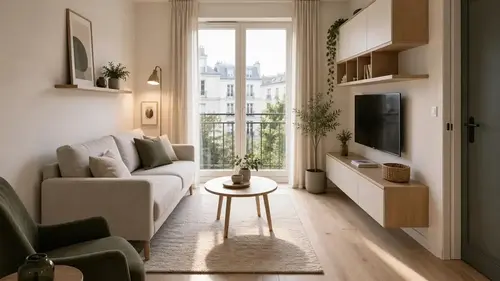
Look for compact profiles, multifunctional storage and tables with rounded edges where circulation is tight. Furniture with visible legs may preserve more visual openness than bulky pieces with solid bases, depending on the design.
For more natural texture and stone styling read travertine decor guide.
How to Get the Luxy Furniture Look on Different Budgets
A refined interior can be built gradually. Spend according to use, construction and replacement difficulty rather than assuming the most expensive piece should always come first.
A practical spending-priority matrix
Invest first: daily-use anchor furniture
Sofas, mattresses, beds and dining tables deserve careful scrutiny because comfort, stability and construction directly affect everyday use.
Spend selectively: statement pieces
A sculptural coffee table, accent chair or sideboard can define the room. Choose one or two pieces that complement the larger furniture.
Save where replacement is easier
Decorative stools, simple side tables and accessories can be sourced affordably, secondhand or vintage when their construction and condition are suitable.
Three ways to make the budget work harder:
- Shop secondhand selectively. Inspect the frame, joints, upholstery, odours, stains and signs of pest damage before purchasing.
- Compare construction rather than labels. Ask what the furniture is made from, how it is assembled and what the warranty covers.
- Buy in stages. Complete the essential furniture first, live with the layout and add accent pieces when a genuine need becomes clear.
Avoid choosing a furniture set solely because every piece matches. A more flexible approach is to repeat a few related materials and tones across individually selected items.
Common Luxy Furniture Buying Mistakes
The most expensive-looking furniture can still be the wrong choice if it creates practical problems. Watch for these common mistakes before placing an order.
- Buying without measuring. Confirm room dimensions, access routes, lift dimensions and doorway clearance, particularly for large sofas and tables.
- Choosing looks over comfort. Sit on the furniture when possible, or check detailed dimensions, seat construction and the return policy.
- Mixing too many finishes. Several competing wood tones, metals and stone patterns can make a compact room feel busy. Introduce new finishes with a clear reason.
- Ignoring maintenance. Light upholstery, porous stone and delicate finishes may require more care than your household can reasonably provide.
- Assuming a high price guarantees quality. Request clear material specifications, construction details and warranty information.
- Following every trend. Keep expensive anchor pieces relatively adaptable and introduce more temporary trends through accessories.
Frequently Asked Questions About Luxy Furniture
What does luxy furniture mean?
Luxy furniture generally refers to furniture with a luxurious or refined appearance, often associated with thoughtful proportions, quality materials, distinctive shapes and carefully finished details. It is a descriptive search term rather than a standardized furniture grade, so inspect the actual product specifications before buying.
Which furniture pieces make a home look luxurious?
A well-proportioned sofa, a distinctive coffee table, a solid-wood dining table and a carefully chosen accent chair can create a refined interior. Their effect depends on room scale, material coordination, lighting and construction, rather than price alone.
How do I choose statement furniture for a minimalist home?
Start with the room’s dimensions and identify one main focal piece. Choose a form or material that creates interest, then keep surrounding furniture relatively restrained. Check comfort, walkways and maintenance before committing to the design.
Which materials are best for luxury furniture?
Oak, walnut, natural stone, leather and quality woven upholstery are common choices for refined interiors. Each has different care requirements and limitations. Compare the actual construction, surface finish and manufacturer’s maintenance guidance before choosing.
Can I create a luxury furniture look on a budget?
Yes. Prioritize the pieces you use every day, look for well-made secondhand furniture, and combine affordable supporting pieces with one distinctive focal item. A consistent palette and sensible room layout can make a larger difference than buying an entire matching set
Is expensive furniture always better quality?
No. Price can reflect design, brand positioning, materials, manufacturing and distribution, but it does not independently establish durability or comfort. Look for specific construction details, clear material descriptions, warranty coverage and a suitable return policy.
What furniture works best in a small living room?
Compact sofas, rounded coffee tables, slim consoles and furniture with useful storage can work well in small living rooms. Measure the room and circulation paths before buying, and avoid adding pieces that obstruct doors or everyday movement.
How do I maintain luxury furniture?
Follow the manufacturer’s care instructions for each material. Use suitable cleaning products, protect surfaces from avoidable moisture and heat, and address spills promptly when the care guidance allows. Stone, leather, wood finishes and upholstery may need different maintenance routines.
Key Takeaways
- Luxy furniture combines considered design, material choice, comfort and practical construction.
- Start with the main sofa, bed or dining table before purchasing accent furniture.
- Natural wood, stone, upholstery and metal can create contrast when their finishes work together.
- Room measurements and circulation space should guide furniture selection.
- Solid wood and veneer serve different purposes; neither guarantees quality on its own.
- A limited number of statement pieces can give a room character without overcrowding it.
- Secondhand and affordable furniture can complement investment pieces when condition and construction are carefully assessed.