
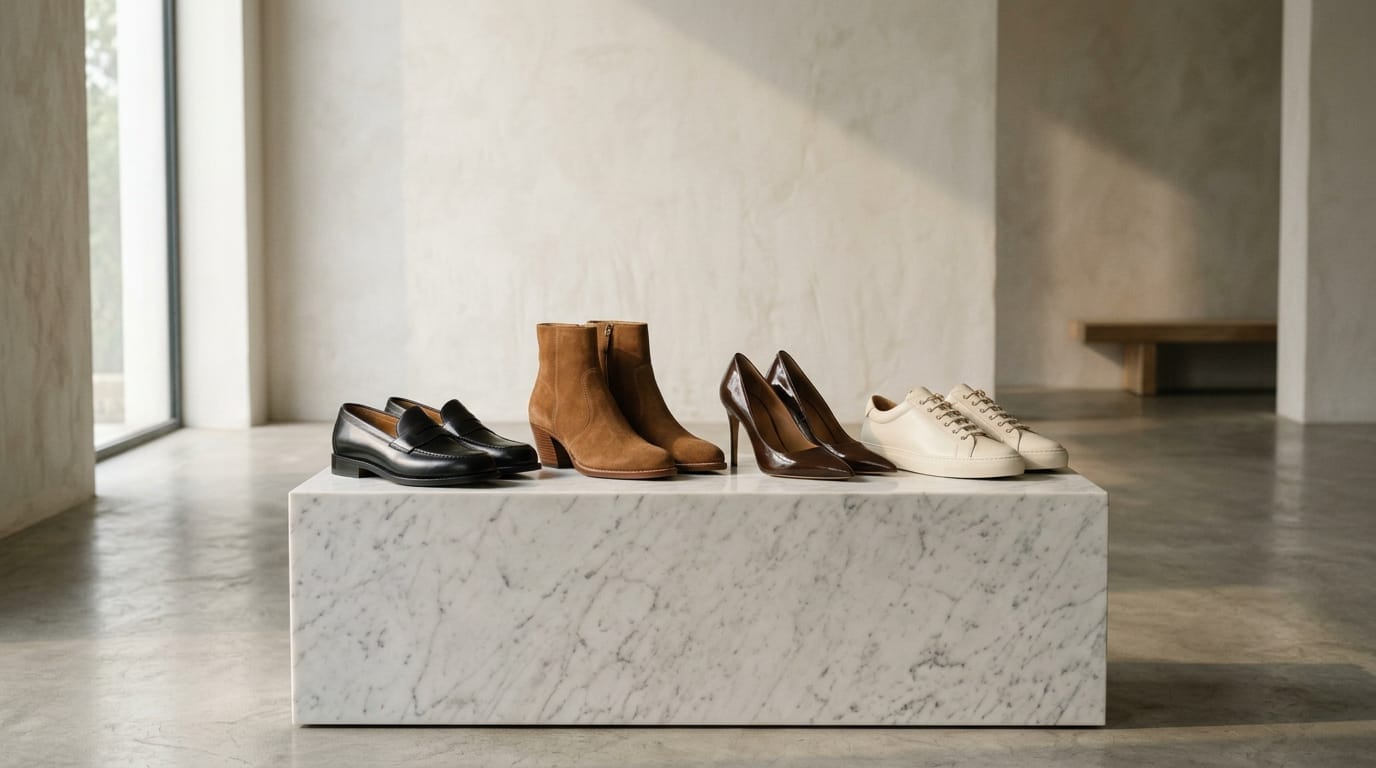

Luxury footwear represents far more than an expensive pair of shoes. It brings together craftsmanship, carefully selected materials, thoughtful design, comfort, heritage, and an attention to detail that can transform even the simplest outfit. While fashion trends change from season to season, well-made footwear can remain relevant for years because its appeal is rooted in quality and timeless design.
From hand-finished leather loafers and elegant pumps to refined boots, understated sneakers, and statement heels, luxury footwear offers a wide range of styles for different wardrobes and occasions. The most compelling pieces balance visual sophistication with practical wearability.
Suggested reads: Hybrid Footwear Fashion 2026: Style Meets Comfort
Table of Contents
What Is Luxury Footwear?
Luxury footwear generally refers to shoes positioned at the premium end of the market because of their materials, craftsmanship, design, brand heritage, construction, and finishing.
Price alone does not determine whether footwear is luxurious. A high price can reflect branding, scarcity, specialized production, or design, but genuine quality is often easier to recognize through the details.
Fine leather, precise stitching, carefully constructed soles, balanced proportions, comfortable interiors, and meticulous finishing can all contribute to the experience of a premium shoe.
Luxury footwear can also be defined by its design philosophy. Some styles are deliberately minimal, relying on exceptional materials and clean lines. Others are immediately recognizable through distinctive silhouettes, embellishments, colors, or hardware.
Why Craftsmanship Matters in Luxury Footwear
Craftsmanship is one of the defining characteristics of premium footwear.
A well-constructed shoe begins with careful pattern design. The individual components must be shaped and assembled so that the finished shoe maintains its structure while allowing the foot to move naturally.
Details such as stitching, edge finishing, lining, sole construction, heel attachment, and leather treatment can make a significant difference in both appearance and longevity.
Traditional shoemaking techniques can require substantial manual work. Depending on the style, artisans may cut materials, shape uppers, assemble components, finish edges, attach soles, polish leather, and inspect the completed footwear by hand.
This attention creates subtle characteristics that mass-produced footwear may not replicate easily.
Premium Materials Used in Luxury Footwear
Materials have a major influence on the appearance, comfort, durability, and character of footwear.
Full-Grain Leather
Full-grain leather retains much of the natural surface of the hide. Its natural texture can develop a distinctive patina over time, making leather footwear increasingly individual with regular wear and proper care.
Suede
Suede provides a softer and more tactile appearance than smooth leather. Its velvety texture works particularly well for loafers, ankle boots, pumps, and casual luxury styles.
Because suede can be sensitive to moisture and staining, it requires appropriate protection and cleaning.
Calfskin
Calfskin is prized for its relatively fine grain and smooth appearance. It is commonly associated with refined footwear because it can provide an elegant surface while remaining sufficiently durable for regular use.
Exotic Leathers
Some luxury footwear collections use distinctive materials such as crocodile, alligator, ostrich, or other exotic leathers. These materials can create highly recognizable textures and are often associated with limited or specialized collections.
When considering exotic materials, responsible sourcing and applicable regulations should always be taken into account.
Popular Types of Luxury Footwear
Luxury footwear encompasses considerably more than formal dress shoes. A sophisticated wardrobe can include several different categories.
Luxury Loafers
Loafers are among the most versatile premium footwear styles. Their slip-on construction makes them practical, while polished leather, refined proportions, and distinctive detailing can give them an elevated appearance.
Classic penny loafers, horsebit-inspired designs, tassel loafers, and minimalist leather loafers can all work with tailored trousers, denim, dresses, or contemporary separates.
Luxury Heels
High heels remain an important part of luxury fashion. Pumps, slingbacks, sandals, and sculptural heels can provide a dramatic finishing touch for eveningwear and formal occasions.
A well-designed luxury heel should balance elegance with stability and proportion. The shape of the toe, heel, platform, insole, and upper all influence the overall experience.
Luxury Boots
Boots combine practicality with sophisticated styling. Chelsea boots, knee-high boots, riding-inspired silhouettes, ankle boots, and sleek leather designs can transition between seasons.
A carefully chosen pair of black or brown leather boots can become one of the most useful investments in a refined wardrobe.
Luxury Sneakers
Luxury sneakers have changed the way premium footwear is worn. Clean leather sneakers can complement tailoring just as easily as jeans, while more expressive designs can become the focal point of an outfit.
The best minimalist sneakers often rely on subtle construction details rather than excessive branding.
Luxury Sandals
Premium sandals can range from understated leather slides to elaborate evening designs. Their versatility makes them particularly useful during warmer seasons and resort travel.
Simple silhouettes in neutral tones can create an effortlessly polished appearance, while metallic finishes and embellishments can work for special occasions.
How to Choose Luxury Footwear
Choosing premium footwear should involve more than selecting the most recognizable logo.
We should first consider how the shoes will actually be worn. A spectacular pair that remains in the closet provides less value than a beautifully made pair that works naturally with an existing wardrobe.
Consider the Construction
Look closely at the sole, stitching, lining, heel, and overall finish. Edges should appear clean, seams should be consistent, and decorative details should feel intentional.
Evaluate the Materials
Natural materials can develop character with age, but they also require appropriate maintenance. We should choose materials according to lifestyle, climate, and intended use.
Prioritize Fit
Even the most beautifully crafted shoe cannot compensate for an unsuitable fit.
The heel should feel secure, the toes should have sufficient room, and the shoe should provide appropriate support for its intended use. Feet can also change throughout the day, so fitting footwear at an appropriate time can help avoid selecting an unnecessarily tight size.
Think About Versatility
Neutral colors such as black, brown, cream, tan, and deep burgundy can integrate easily into an established wardrobe.
More distinctive colors, textures, and silhouettes can be valuable when we specifically want footwear to become a statement element.
Luxury Footwear and Personal Style
Luxury does not always need to be obvious.
One of the most sophisticated approaches to footwear is choosing pieces that quietly improve an outfit. A beautifully shaped leather loafer can communicate refinement without prominent branding. A simple ankle boot can give tailored trousers a sharper finish. A minimalist sneaker can make relaxed clothing feel intentional.
This approach makes luxury footwear part of personal style rather than a substitute for personal style.
We can also use footwear to introduce contrast. A classic suit paired with refined sneakers creates a contemporary look, while a flowing dress with structured boots can create a stronger visual balance.
Classic Versus Trend-Driven Luxury Footwear
Classic footwear tends to retain its relevance because its proportions and design principles are relatively timeless.
A simple leather pump, penny loafer, Chelsea boot, or clean sneaker can remain useful through changing fashion cycles.
Trend-driven footwear, by contrast, may feature unusual shapes, dramatic proportions, distinctive colors, or highly recognizable seasonal details. These designs can bring personality to a wardrobe, but their longevity may depend more heavily on changing fashion preferences.
A balanced footwear collection can include both.
Classic pieces can form the foundation, while more experimental designs provide opportunities for individuality.
How to Care for Luxury Footwear
Proper care can significantly influence how premium footwear ages.
Leather shoes should be cleaned with products appropriate for their specific finish. Conditioning can help maintain suitable leather types, while regular polishing can restore depth and shine.
Shoes should also be allowed to rest between wears when possible. Shoe trees can help maintain the shape of leather footwear while allowing the material to settle between uses.
Suede requires specialized brushes and cleaning methods. Water exposure should be minimized, and stains should be addressed using products designed specifically for suede.
Storage also matters. Shoes should ideally be kept away from excessive humidity, direct sunlight, and extreme temperatures.
Building a Luxury Footwear Collection
A sophisticated footwear collection does not need dozens of pairs.
We can begin with a few versatile foundations:
- A refined leather loafer for smart casual and tailored outfits
- A classic dress shoe or pump for formal occasions
- A versatile ankle boot for transitional seasons
- A minimalist premium sneaker for contemporary everyday dressing
- An elegant sandal for warm weather
- A distinctive statement shoe for occasions when we want more personality
This approach allows each pair to serve a clear purpose.
As the wardrobe develops, we can introduce additional colors, textures, materials, and silhouettes according to personal preferences.
Luxury Footwear for Everyday Style
Premium footwear does not have to be reserved for special occasions.
A polished loafer can elevate straight-leg jeans and a simple shirt. Minimal leather sneakers can bring a modern finish to trousers and knitwear. Refined boots can transform a casual autumn outfit without making it feel overdressed.
The key is proportion.
When the clothing is relatively simple, distinctive footwear can provide visual interest. When the outfit already contains strong patterns or accessories, understated shoes can create balance.
Sustainability and Longevity in Luxury Footwear
Longevity is increasingly important when considering premium fashion.
A shoe that can be maintained, repaired, resoled, and worn for many years can have a different environmental and economic profile from footwear designed for short-term use.
We can also make more thoughtful purchasing decisions by considering whether a shoe complements what we already own.
Instead of continually replacing footwear because of changing trends, choosing versatile designs and caring for them properly can encourage a more intentional wardrobe.
Repair services can further extend the useful life of quality footwear. Depending on construction, a worn sole or heel may be replaceable, allowing the upper portion of the shoe to continue serving its purpose.
Luxury Footwear for Different Occasions
The right footwear can establish the character of an entire outfit.
For business settings, refined loafers, elegant pumps, and polished lace-up shoes can complement tailored clothing.
For evening occasions, sleek heels, sophisticated sandals, or polished dress shoes can provide a more formal finish.
For travel, comfort becomes particularly important. Premium sneakers, supportive loafers, and practical boots can provide a balance between style and functionality.
For weekends, understated sneakers, loafers, and casual leather boots can maintain a polished appearance without feeling overly formal.
The Appeal of Timeless Luxury Footwear
The strongest luxury footwear pieces often survive beyond a single fashion season.
Their appeal comes from proportion, craftsmanship, material quality, versatility, and thoughtful design rather than novelty alone.
A beautifully made pair can become associated with personal memories: a significant dinner, an important journey, a special celebration, or simply years of everyday life.
That emotional dimension is part of what makes footwear particularly interesting within fashion. Shoes are functional objects, but they can also become lasting elements of personal identity and style.
Final Thoughts on Luxury Footwear
Luxury footwear combines design, craftsmanship, materials, comfort, and personal expression. The most worthwhile pieces are not necessarily the most expensive or recognizable. They are the ones that fit well, complement the wardrobe, withstand regular use, and continue to feel relevant over time.
A thoughtful footwear collection can therefore be built around quality rather than quantity.
By paying attention to construction, materials, fit, versatility, maintenance, and personal style, we can choose footwear that looks sophisticated today while remaining useful for years to come. In that sense, luxury footwear is not simply about owning premium shoes—it is about appreciating how exceptional design and craftsmanship can elevate everyday dressing.