


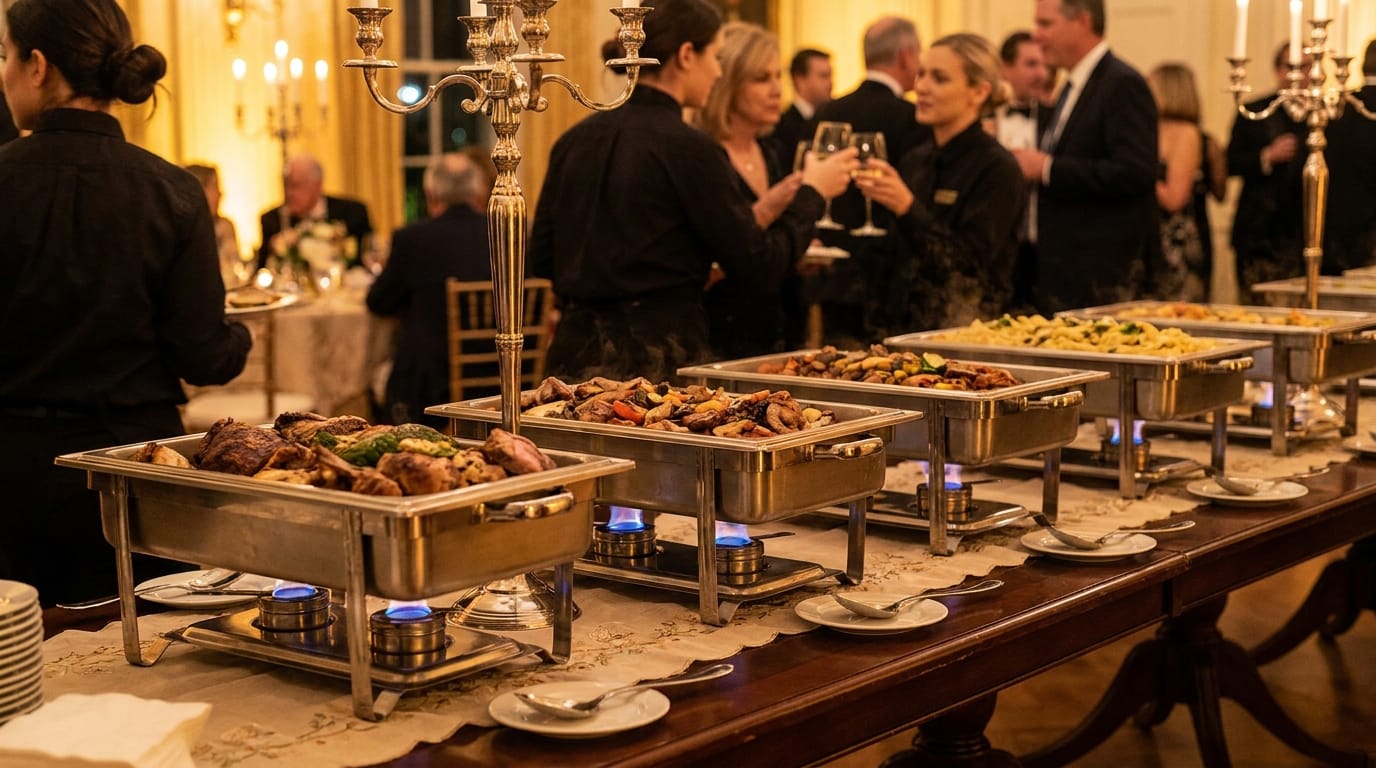
When serving food at catered events, buffets, weddings, banquets, or family gatherings, burners for chafing dishes are essential for maintaining proper serving temperatures while preserving food quality, flavor, and presentation.
We understand that selecting the right chafing dish burner can dramatically improve food service efficiency, safety, and guest satisfaction. From fuel types to burn times, heat output, and safety considerations, choosing the ideal burner requires precision and expertise.
This comprehensive guide explores every critical aspect of chafing dish burners to ensure seamless food warming for professional and home use.
Table of Contents
What Are Burners for Chafing Dishes?
Chafing dish burners are specialized heat sources designed to keep food warm beneath chafing dishes without direct cooking.
These burners provide consistent, controlled heat that maintains safe food temperatures for extended periods, making them indispensable for hospitality and catering industries.
Typically placed beneath a water pan, the burner heats water indirectly, creating gentle steam that keeps food hot without drying or burning it.
Primary Functions of Chafing Dish Burners
- Maintain food at safe serving temperatures
- Prevent food spoilage during extended service
- Preserve texture and flavor
- Support professional buffet presentation
- Offer portable, convenient heat sources
Types of Burners for Chafing Dishes
Choosing the correct burner starts with understanding the available types.
1. Gel Fuel Burners
Gel fuel is one of the most widely used options due to its convenience and safety.
Advantages
- Easy to ignite
- Portable and disposable
- Spill-resistant
- Safe for indoor and outdoor use
- Clean burning
Disadvantages
- Moderate heat output
- Shorter burn duration compared to wick fuels
Best Uses
- Weddings
- Small buffet events
- Family gatherings
- Corporate catering
2. Wick Fuel Burners
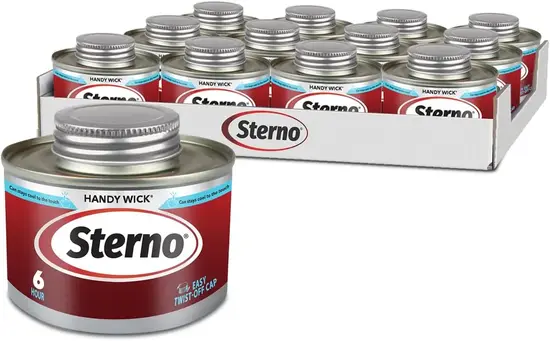
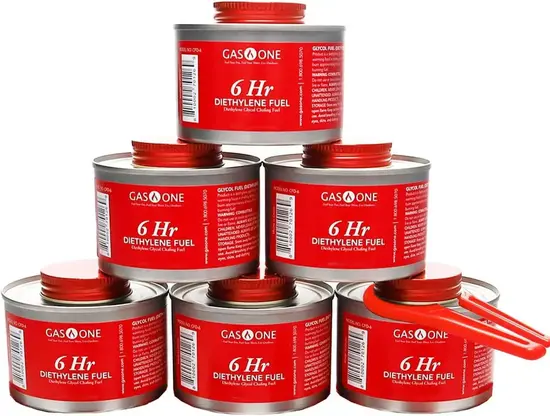
Wick fuel uses liquid fuel cartridges with adjustable wicks for controlled flame levels.
Advantages
- Adjustable heat intensity
- Longer burn times (up to 6 hours or more)
- More economical for large events
- Re-sealable containers
Disadvantages
- Slightly more complex to operate
- Requires proper handling
Best Uses
- Professional catering
- Large banquets
- Hotels
- Restaurants
3. Electric Chafing Dish Burners
Electric warming trays or induction-compatible chafers eliminate open flames entirely.
Advantages
- Flame-free safety
- Consistent temperature control
- Reusable
- Environmentally friendly
Disadvantages
- Requires electrical access
- Less portable
Best Uses
- Indoor banquet halls
- Conference centers
- Hotels
- Institutional catering
Key Features to Consider When Buying Burners for Chafing Dishes
Burn Time
Burn duration directly impacts event efficiency.
Standard Burn Times:
- Gel fuel: 2–3 hours
- Wick fuel: 4–6 hours
- Electric: Continuous with power source
For long events, wick fuel burners often provide superior value.
Heat Output
Measured in BTUs, heat output determines how effectively the burner maintains serving temperature.
Recommended BTU Range:
- Light warming: 2,000–3,000 BTU
- Standard buffet: 4,000–6,000 BTU
- Heavy-duty catering: 7,000+ BTU
Safety Design
Safety is crucial when working around guests.
Essential Safety Features:
- Spill-proof containers
- Secure lid caps
- Flame control
- Cool-touch handles
- Stable burner holders
How Many Burners Does a Chafing Dish Need?
Most full-size rectangular chafing dishes require two burners for even heat distribution. Smaller round or half-size dishes often use one burner.
General Guidelines:
- Full-size chafer: 2 burners
- Half-size chafer: 1 burner
- Large specialty chafer: 2–3 burners
Using the proper number prevents cold spots and uneven warming.
How to Use Burners for Chafing Dishes Properly
Step 1: Set Up Water Pan
Fill the water pan with hot water before lighting burners to accelerate warming.
Step 2: Position Burners Securely
Place burners evenly beneath the water pan in designated holders.
Step 3: Ignite Safely
Use a long lighter or match to avoid burns.
Step 4: Monitor Heat
Adjust wick flames or replace gel fuel as needed.
Step 5: Extinguish Carefully
Use the burner cap or snuffer to safely extinguish flames.
Top Safety Tips for Chafing Dish Burners
Safety should never be compromised.
Best Practices
- Never refill hot burners
- Keep away from children
- Avoid overfilling fuel containers
- Use on stable surfaces
- Store fuel in cool, dry locations
- Never leave unattended
Common Problems and Solutions
Burner Won’t Stay Lit
Solution:
- Check fuel levels
- Ensure wick isn’t wet
- Shield from wind
Food Not Staying Hot
Solution:
- Add sufficient hot water
- Use two burners
- Replace depleted fuel
Excessive Soot
Solution:
- Use high-quality fuel
- Trim wick properly
- Ensure adequate airflow
Best Fuel Brands for Chafing Dish Burners
Choosing reliable fuel brands improves performance significantly.
Recommended Options
Gel Fuel:
- Sterno
- Handy Fuel
- Safe Heat
Wick Fuel:
- Sterno Wick Chafing Fuel
- Fancy Heat
- Hollowick
These brands are recognized for consistent burn times, safety, and heat efficiency.
Eco-Friendly Alternatives for Chafing Dish Heating
Sustainability is increasingly important.
Green Options
- Biodegradable gel fuels
- Refillable wick cans
- Electric induction warmers
Reducing disposable waste while maintaining food quality is a growing priority in modern catering.
Burners for Chafing Dishes in Professional Catering
For professional food service, burner performance directly impacts guest experience.
Professional Priorities
- Long-lasting burn
- Cost efficiency
- Safe handling
- Uniform heat
- Quick setup
High-volume caterers often prefer wick fuel for large events due to lower long-term operational costs.
Cost Breakdown
Average Prices
- Gel fuel cans: $1–$3 each
- Wick fuel cans: $2–$5 each
- Electric warmers: $50–$300+
Bulk purchasing often reduces per-event costs substantially.
Frequently Asked Questions About Chafing Dish Burners
Can We Reuse Gel Fuel Burners?
Some can be capped and reused if fuel remains, though many are disposable.
Are Electric Burners Better?
For indoor venues with power access, electric options offer superior temperature control.
How Long Does Food Stay Safe?
Food should remain above 140°F (60°C) to stay safe for serving.
Final Thoughts on Choosing the Best Burners for Chafing Dishes
Selecting the right burners for chafing dishes ensures optimal food presentation, safety, and efficiency for every event.
Whether we choose gel fuel for convenience, wick fuel for extended service, or electric warmers for modern functionality, the right burner transforms food service from average to exceptional.
By prioritizing burn time, heat output, safety, and event size, we create a flawless dining experience that keeps food warm, delicious, and professionally presented from start to finish.

