


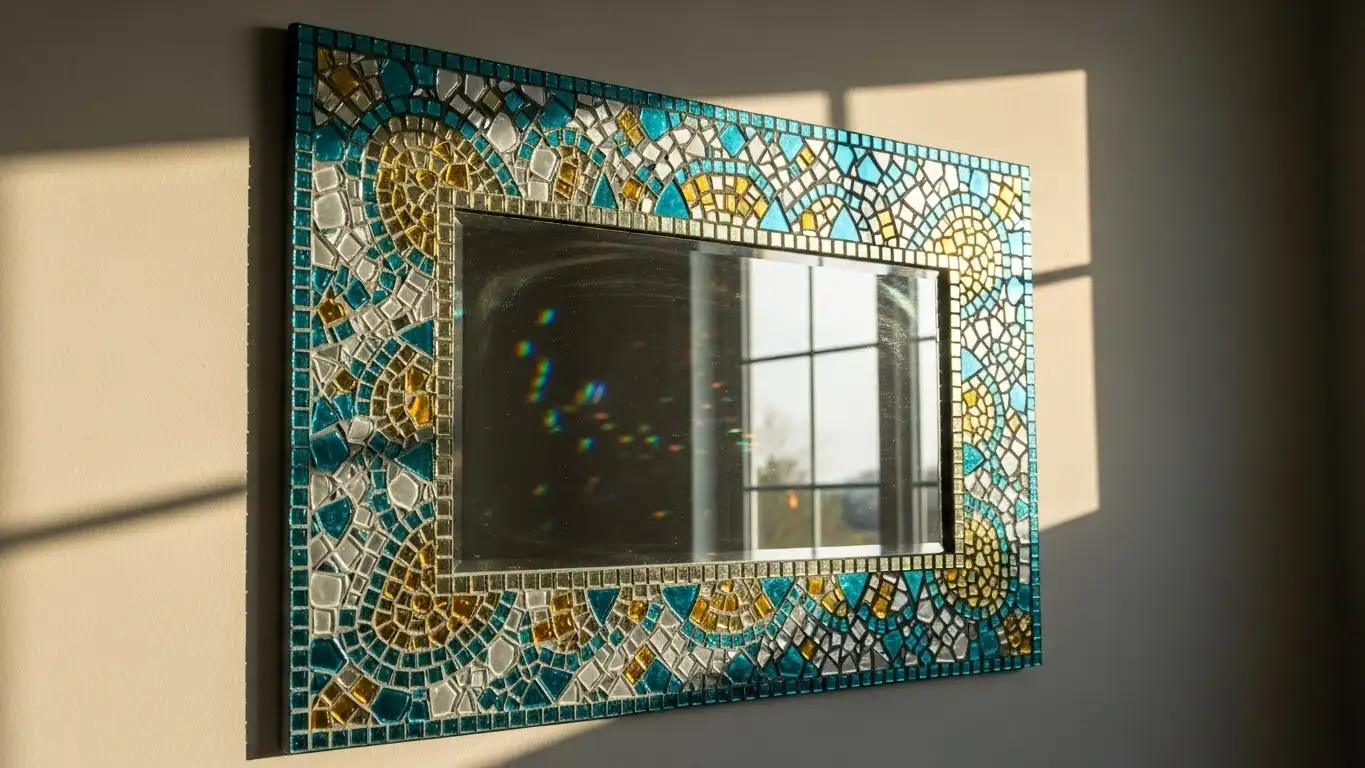
There is something undeniably satisfying about holding a handful of smooth, colorful glass mosaic tiles. For the modern crafter, these small fragments of pigmented glass are more than just supplies; they are the building blocks of light, texture, and permanent beauty.
Whether you are looking to revitalize an old coffee table or create a museum-quality wall hanging, choosing the right materials is the first step toward a successful project.
In this comprehensive guide, we will explore the world of glass mosaic tiles. We will move beyond the basic hobby kits and delve into the professional-grade materials that provide that high-end, affluent finish you desire. Let’s look at how you can transform simple surfaces into shimmering works of art.
Table of Contents
Why Glass Mosaic Tiles are the Ultimate Crafting Medium
Glass has a unique relationship with light that other materials simply cannot match. Unlike ceramic or stone, glass can be transparent, translucent, or completely opaque. It can trap light within its body or reflect it off a metallic-foiled backing.
For the discerning artist, glass mosaic tiles offer several distinct advantages:
- Color Permanence: Unlike painted surfaces, the color in glass is baked in. It will never fade, even under direct sunlight.
- Durability: Glass is non-porous. It resists stains, mold, and moisture, making it perfect for both indoor decor and garden art.
- Versatility: You can find glass tiles in every imaginable shade, from deep earth tones to vibrant neons and luxury metallics.
“Mosaic art is the bridge between painting and sculpture. With glass, you aren’t just choosing a color; you are choosing how light interacts with your environment.” — Anonymous Mosaic Artist
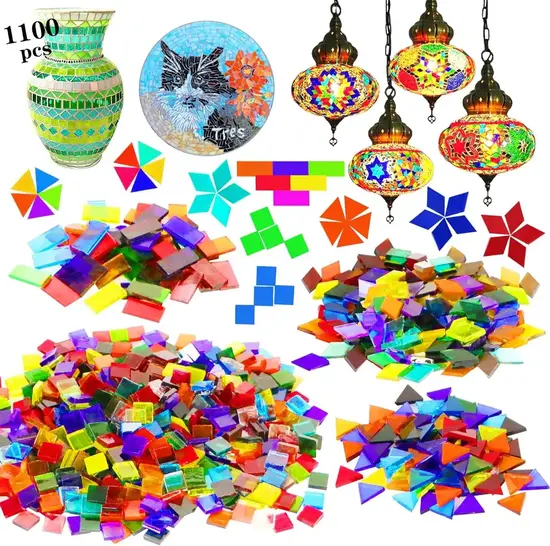
Understanding the Different Types of Glass Mosaic Tiles
Not all glass tiles are created equal. Depending on your project’s goals, you might choose a rugged, hand-cut look or a sleek, modern finish. Understanding these categories will help you avoid the frustration of using the wrong material for your specific surface.
Vitreous Glass Tiles
These are the “classic” mosaic tiles. Usually sold in 20mm squares, they feature a slightly ridged back to help the adhesive grip better. They are affordable, consistent in size, and very easy to work with. They are ideal for beginners who want a clean, geometric look.
Smalti Tiles
If you are looking for the “Old World” look found in Italian cathedrals, Smalti is your choice. These are hand-cut, opaque glass “pizzas” that are broken into rectangular chunks.
They have a textured, uneven surface that reflects light at different angles. Smalti glass is the premium choice for high-end portraiture and fine art.
Iridescent and Van Gogh Glass
Iridescent tiles have a chemical coating applied during manufacturing that creates a “rainbow” or oil-slick effect.
Van Gogh glass, on the other hand, is clear glass with decorative glue-chip patterns and metallic paint on the back. These add a layer of sophistication and “wow factor” to any craft project.
Recycled and Tumbled Glass
For those who prefer a softer, more organic aesthetic, tumbled glass tiles provide a matte finish similar to sea glass. These are excellent for spa-like bathroom decor or outdoor stepping stones where a high-gloss finish might feel too industrial.
Technical Comparison: Choosing Your Tile Type
| Tile Type | Best For | Finish | Skill Level |
| Vitreous | Trays, Borders, Backsplashes | Glossy/Smooth | Beginner |
| Smalti | Fine Art, Wall Murals | Textured/Rustic | Advanced |
| Iridescent | Water Features, Jewelry | Shimmering | Intermediate |
| Stained Glass | Intricate Patterns, Sun-catchers | Flat/Varied | Intermediate |
| Recycled | Eco-projects, Garden Art | Matte/Satin | Beginner |
How to Select High-Quality Glass Mosaic Tiles
When shopping for glass mosaic tiles, it is easy to get distracted by pretty colors. However, quality matters for the longevity of your craft. Here is what you should look for to ensure you are buying professional-grade materials.
1. Edge Quality
High-quality tiles should have relatively consistent edges. While some “hand-cut” styles are naturally irregular, standard tiles should not have excessive crumbling or dangerous shards in the packaging. Smooth edges make the grouting process much easier and safer.
2. Color Consistency
If you are working on a large project, check the batch numbers. Much like wallpaper, glass dye lots can vary. Ensure your tiles have consistent coloring throughout the thickness of the glass, rather than just a thin layer of paint on the back (unless you are specifically buying foil-backed tiles).
3. Opacity
Hold the tile up to the light. If you are mounting tiles on a patterned or dark surface, you want opaque tiles. If you are creating a sun-catcher or working on a glass-on-glass project, you will need transparent or translucent options.
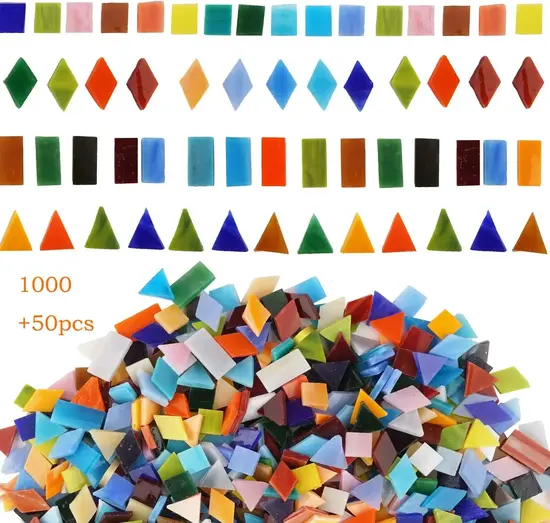
Essential Tools for Glass Mosaic Crafting
You don’t need a full workshop to start, but having the right tools will prevent hand fatigue and broken tiles.
- Wheeled Nippers: These are the most important tool for glass mosaics. Unlike standard pliers, these have two tungsten carbide wheels that “score and snap” the glass cleanly.
- Adhesives: For indoor projects, a high-quality PVA glue (like Weldbond) works perfectly. For outdoor or wet areas, you will need a thin-set mortar or a specialized silicone adhesive.
- Grout: This is the “mortar” that fills the gaps between tiles. You can choose sanded or unsanded grout. For most glass mosaics, unsanded grout is preferred to avoid scratching the glass surface.
- Safety Gear: Always wear safety glasses. Tiny glass splinters can fly unexpectedly when nipping tiles.
Important Note:
Never flush your mosaic cleaning water down the drain. The heavy sediment and tiny glass particles can settle in your pipes and cause significant plumbing issues. Always let the water settle in a bucket, then discard the sediment in the trash.
Step-by-Step Guide: Creating a Professional Glass Mosaic Piece
Creating a mosaic is a meditative and rewarding process. Follow these steps to ensure a professional finish that looks like it was purchased from a high-end gallery.
Step 1: Design and Preparation
Sketch your design on your substrate (the base you are gluing to). If you are new to the craft, start with larger shapes and avoid tiny, intricate details. Ensure your surface is clean, dry, and lightly sanded if it is a smooth material like plastic or metal.
Step 2: Nipping the Tiles
Place your glass mosaic tiles between the wheels of your nippers. Apply firm, steady pressure. To create specific shapes like triangles or circles, “nibble” away small bits of glass rather than trying to cut the whole shape at once.
Step 3: The “Double Butter” Method
For the best bond, apply a small dot of glue to the back of the tile and a thin layer to the substrate. Press the tile down firmly. Leave a small gap (about 1mm to 3mm) between tiles for the grout.
Step 4: Grouting the Masterpiece
Once the glue has dried for 24 hours, mix your grout to a peanut butter consistency. Spread it over the tiles using a rubber float or gloved hands, ensuring all the gaps are filled.
Step 5: The Final Clean
After the grout has sat for about 20 minutes, wipe the surface with a damp (not dripping) sponge. Once a haze forms, buff the tiles with a dry microfiber cloth to reveal the shine of the glass.
Creative Project Ideas for Glass Mosaic Tiles
If you are looking for inspiration, here are a few ways to use glass mosaic tiles to elevate your home environment:
- Mirror Frames: Use iridescent glass tiles to create a frame that catches the light every time you walk by.
- Garden Mandalas: Use weather-resistant glass on a concrete stepping stone to create a permanent burst of color in your flower bed.
- Upcycled Trays: Take an old wooden serving tray and line the bottom with a geometric pattern of vitreous glass tiles.
- Address Signs: Create a high-visibility, elegant house number sign using contrasting colors of opaque glass.
“The beauty of a mosaic lies in the imperfections. When you look at the finished piece, you don’t see the individual cracks; you see the unified dance of light.” — Sophia Moretti, Interior Designer
Common Mistakes to Avoid
To keep your crafting experience enjoyable, avoid these common pitfalls:
- Using Too Much Glue: If the glue oozes up between the tiles, there won’t be room for the grout. This results in a messy, unprofessional finish.
- Ignoring the “Grout Gap”: If tiles are touching, the grout cannot penetrate the gaps, which may lead to tiles popping off over time.
- Rushing the Drying Process: Glass is heavy. If you stand a project up before the glue is fully cured, your tiles might slide down the surface.
Frequently Asked Questions (FAQ)
Can I use glass mosaic tiles for outdoor furniture?
Yes, but you must use the correct adhesive and grout. Look for products labeled “exterior grade” or “waterproof.” Glass itself is perfectly fine outdoors as it does not absorb water and won’t crack in freezing temperatures.
How do I cut glass tiles without them shattering?
The key is using wheeled nippers specifically designed for glass. Standard tile nippers designed for ceramic will often crush glass rather than cutting it cleanly. Always nip the tile over a small box to catch the fragments.
Is grouting necessary for all glass mosaic projects?
Not necessarily. For “glass-on-glass” projects where you want light to shine through (like a candle holder), you might choose to leave the gaps empty. However, for most home decor, grout provides structural integrity and a finished look.
How do I calculate how many tiles I need?
A general rule of thumb is that 1 pound of 20mm vitreous glass tiles will cover approximately 1 square foot. However, it is always wise to buy 10-15% more than you think you need to account for breakage and nipping waste.
Conclusion: Starting Your Glass Mosaic Journey
Glass mosaic tiles offer a unique blend of ancient tradition and modern DIY flexibility. By selecting high-quality materials and following a patient, methodical process, you can create pieces that are not just “crafts,” but lasting additions to your home’s aesthetic.
The beauty of this hobby is that there is no “right” way to express your creativity. Whether you prefer the perfect squares of a modern pattern or the chaotic beauty of broken smalti, glass provides the medium to make your vision shine.
Ready to start? Gather your nippers, select a palette of shimmering glass mosaic tiles, and let the light guide your hands.
Final Note on Safety:
Always work in a well-ventilated area when grouting, and consider wearing a dust mask when mixing dry grout powder. Safety and beauty go hand-in-hand in the world of professional crafting.

