
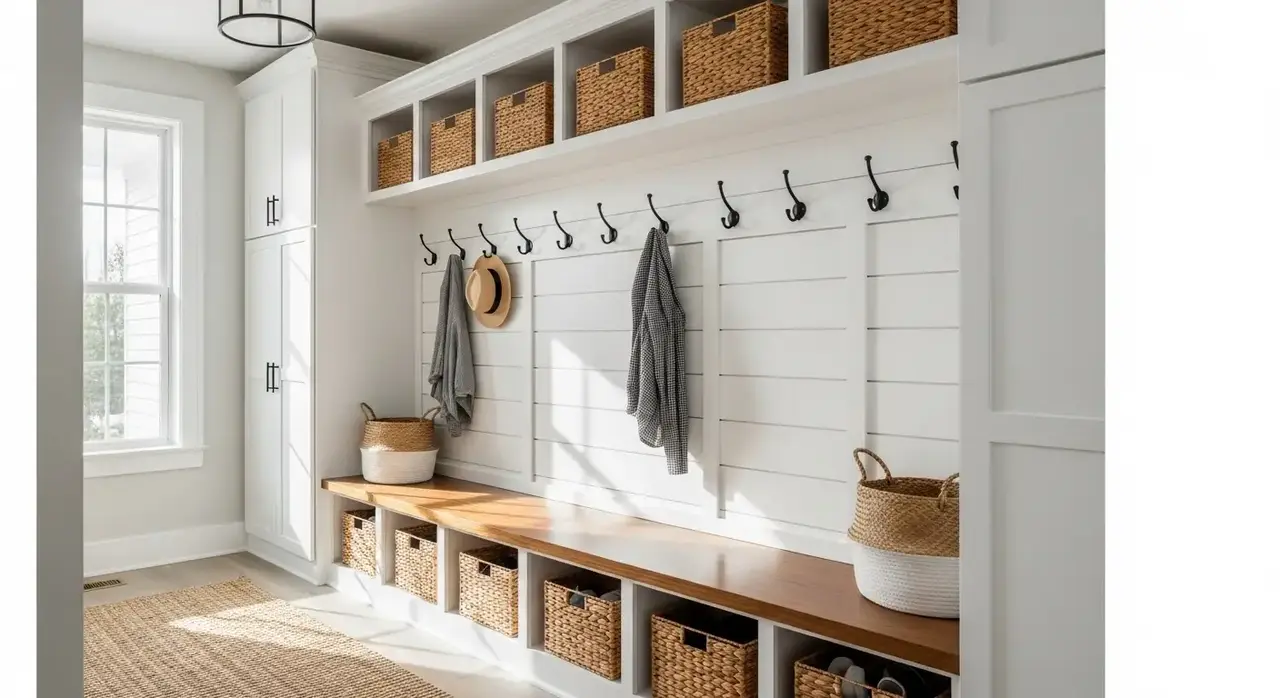

Mudroom ideas entryway designs have become essential for modern homes, offering a stylish yet practical solution for managing daily clutter. A mudroom serves as a dedicated transition zone where shoes, coats, bags, and outdoor gear can be neatly organized before entering the main living space.
Whether placed at the front door, back entry, or garage entrance, a well-designed mudroom enhances convenience, improves home organization, and elevates the overall look of your entryway.
This guide explores everything you need to know about mudrooms—what they are, why they matter, and how to plan a functional and beautiful space tailored to your household’s needs.
Table of Contents
Understanding Mudrooms (Clarifying the Concept)
What Is a Mudroom?
A mudroom is a dedicated entry space designed to store shoes, coats, bags, and everyday essentials while preventing dirt from spreading throughout the home.
Mudroom in a Home vs. a House
In a home, a mudroom reflects personal lifestyle needs—storage, family routines, and daily traffic.
In a house, the term refers primarily to its structural placement near entrances such as the back door or garage entry.
Typical Features
Common components include benches, hooks, cubbies, cabinets, shoe storage, and drop zones.
Alternative Names
Also known as:
- Boot rooms
- Entry drop zones
- Utility foyers
- Back entry halls
Planning Your Mudroom (Foundational Decisions)
Evaluating Entryway Space
Analyze your available square footage and traffic pattern to determine how much storage and seating can fit comfortably.
Choosing the Right Location
- Front entry: Great for hosting and first impressions.
- Back entry: Ideal for outdoor-heavy lifestyles.
- Garage entry: Popular for families and daily high-traffic use.
Assessing Household Needs
Consider:
- Number of family members
- Storage needs
- Presence of pets
- Seasonal gear
- Cleaning habits
Size Considerations
- Small spaces: Wall-mounted storage and slim-line cabinetry
- Medium spaces: Cubbies, benches, and lockers
- Large spaces: Zoned areas, integrated laundry, or craft corners
Budget Expectations
Costs vary from simple DIY upgrades to high-end custom installations depending on materials and carpentry.
Core Mudroom Design Elements
Mudroom Layout Types
- Single-wall layout: Ideal for narrow entryways
- L-shaped layout: Efficient corner solution
- U-shaped layout: Maximizes storage in spacious rooms
- Hallway mudroom: Perfect for long transitional passages
Essential Components
- Benches for seating
- Cabinetry for discreet storage
- Hooks for fast access
- Shoe organizers
- Open cubbies for kids and daily use
Material Options
- Flooring: Tile, luxury vinyl, stone, or waterproof laminate
- Walls: Shiplap, paneling, paint, or wainscoting
- Furniture: Built-in or freestanding
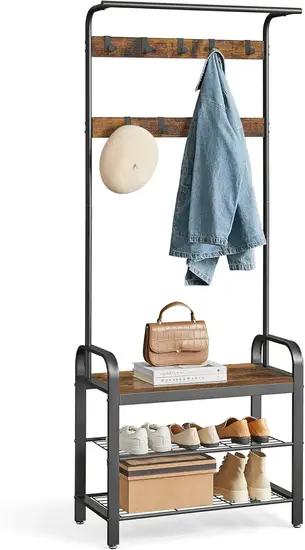
Mudroom Ideas for Every Home
Entryway Mudroom Ideas
Enhance the foyer with decor + function, including statement lighting, accent décor, and sleek storage.
Small Mudroom Ideas
- Slim profile benches
- Floor-to-ceiling vertical storage
- Pull-out or hidden shoe compartments
- Narrow cabinets along unused walls
Large Mudroom Ideas
- Dedicated family cubby zones
- Oversized cabinetry
- Integrated work desk or craft stations
Mudroom + Laundry Combo
Combining laundry with the mudroom maximizes practicality with:
- Washer/dryer integration
- Sorting bins
- Drying racks
- Waterproof surfaces
Mudroom Storage Solutions
Bench Storage
- Deep drawer benches
- Underseat baskets
- Benches with integrated hooks above
Shoe Storage
- Cubbies
- Pull-out drawers
- Vertical towers
- Boot trays
Mudroom Cabinetry
- Tall utility cabinets
- Open vs. closed storage
- Custom built-ins for tailored needs
- Ready-made units for quick installations
Seasonal Storage
- Winter bins for gloves and scarves
- Sports gear wall organizers
- Pet-friendly storage for leashes, toys, and treats
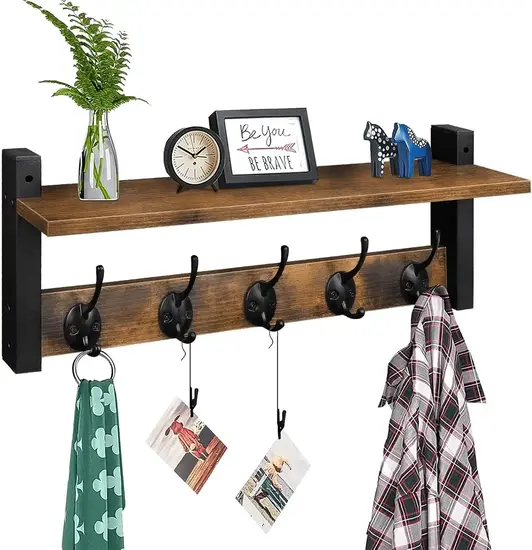
Mudroom Decor & Styling
Color Palettes
- Neutral: Whites, creams, and light grays
- Bold: Navy, forest green, or charcoal
- Rustic: Wood tones and earthy textures
- Modern: Sleek monochrome designs
Lighting
- Overhead fixtures
- Wall sconces
- Under-cabinet lighting for visibility
Decor Accessories
- Durable rugs
- Framed wall art
- Plants for freshness
Styling Tips
Maintain a polished look with:
- Matching baskets
- Clear labels
- Layered textures
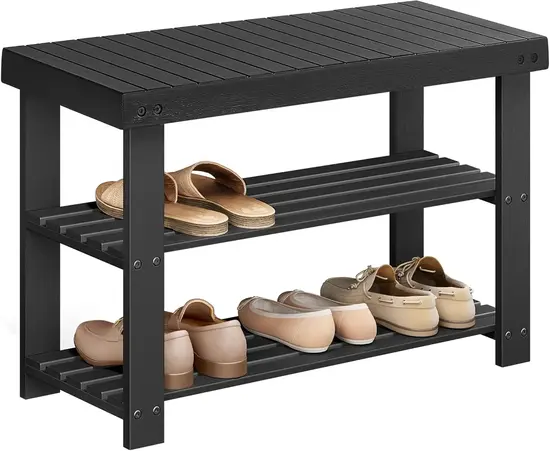
Functional Enhancements & Add-Ons
Tech Integration
Add charging stations, USB outlets, and smart-home controls.
Family Command Centers
Incorporate message boards, calendars, paper organizers, and digital screens.
Pet-Friendly Additions
- Built-in crates
- Pet washing stations
- Hidden food storage
Ventilation & Moisture Control
Use waterproof mats, ventilation fans, and elevated shelving.
Inspiration Gallery Concepts
How to Analyze Mudroom Photos
Focus on storage methods, materials, layout, and overall style.
Before & After Transformations
See how cluttered entryways evolve into organized, stylish spaces with strategic upgrades.
Trendy Mudroom Styles for 2025
- Earth-inspired colors
- Natural wood cabinetry
- Smart storage integrations
Troubleshooting & Best Practices
Avoid These Mistakes
- Insufficient shoe storage
- Poor lighting
- Using non-waterproof materials
Maintenance
- Weekly floor cleaning
- Seasonal item rotation
- Regular hardware checks
Durability Tips
Choose stain-resistant, moisture-resistant, and heavy-duty materials for long-lasting use.
Summary
A smartly designed mudroom transforms your entryway into a functional, beautiful, and highly organized space.
By combining efficient storage, durable materials, and thoughtful styling, you can create a mudroom that enhances everyday life and reflects your home’s unique personality.
Small-Space Living
For foundational small-space principles, see Elegant Small Space Luxury Decor. Achieve Effortless Luxury Home Decor on Budget. Maximize awkward corners with Corner Decor Ideas. For cozy reading nooks, explore Corner Reading Chair. For more decor inspiration, explore our full Home Decor collection.